
 By rifanmuazin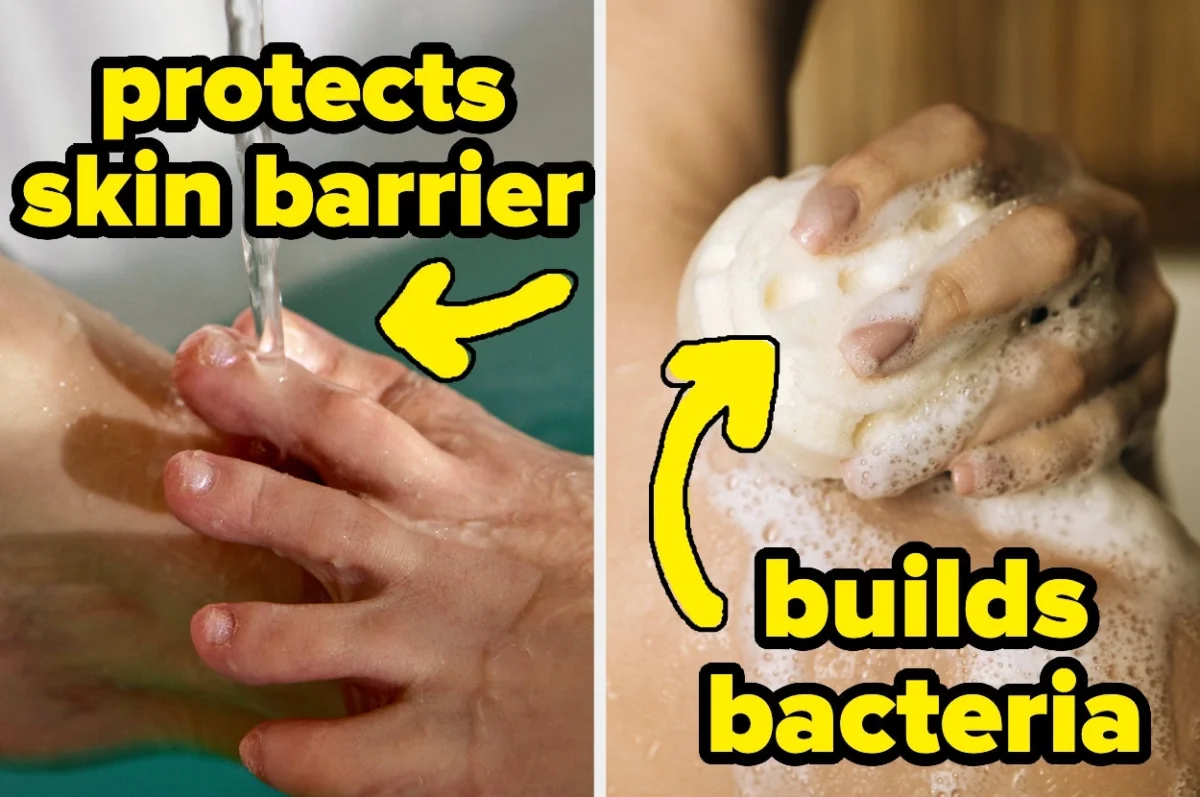
For decades, the shower ritual has been defined by the tools we use to scrub away the day. From the textured mesh of a colorful loofah hanging in the corner of a gym shower to the humble, folded washcloth found in high-end hotels, these items have long been considered essential components of personal hygiene. We are conditioned to believe that without a physical tool, we aren’t truly "scrubbing" clean.
However, a growing consensus among dermatological experts suggests that these bathroom staples may be doing more harm than good. Recent insights from skin health specialists indicate that not only are washcloths and loofahs largely unnecessary, but they may also be compromising the very skin barrier they are meant to help clean.
Main Facts: The Case for the Bare Hand
The central finding shared by experts is remarkably simple: for the vast majority of the population, your own hands are the most effective, sanitary, and gentle tool for cleansing the body.
Dr. Lauren Taglia, a dermatologist with the Northwestern Medicine Regional Medical Group, argues that the preference for loofahs and washcloths is largely a cultural habit rather than a medical necessity. "I think most dermatologists would favor washing with the hand over a washcloth or a loofah, just as an across-the-board recommendation," Dr. Taglia explains.
The logic is rooted in both hygiene and mechanical physics. When you use your hands, you can easily regulate the pressure applied to the skin, ensuring a thorough clean without causing abrasion. Furthermore, because hands can be washed prior to the start of a shower, they serve as a clean, non-porous surface. Unlike a mesh loofah or a cotton cloth, which can trap dead skin cells, bacteria, and moisture, the human hand does not provide a breeding ground for microorganisms.
Chronology of Skin Care Evolution
The reliance on bath accessories has evolved alongside the modern bathing industry. Historically, the washcloth was a functional necessity, used to remove heavy grime or to assist in soap lathering before the advent of modern surfactant-heavy body washes. The rise of the plastic loofah in the late 20th century turned the shower into a spa-like experience, promising deep exfoliation and a superior lather.
However, as the dermatology field has advanced its understanding of the stratum corneum—the outermost layer of the skin—the narrative has shifted. In recent years, dermatologists have begun to prioritize "barrier health" over aggressive mechanical cleaning. The current clinical focus is on protecting the skin’s microbiome and lipid barrier, which are easily disrupted by the daily, repetitive friction of textured cleaning tools.
Supporting Data: The Risks of Over-Exfoliation
The skin barrier serves a critical function: it keeps pathogens and environmental irritants out while retaining the moisture necessary for healthy, supple skin. According to Dr. Katie Lynam, an assistant professor of dermatology at the Medical University of South Carolina, the use of abrasive tools often undermines this biological defense system.
"Using things like a washcloth or a loofah can disrupt the skin barrier by essentially over-exfoliating," Dr. Lynam notes. "When you strip away too much of that protective layer, you aren’t just removing dirt; you’re compromising the skin’s ability to protect itself."
The Bacterial Breeding Ground
The most significant concern for dermatologists, particularly regarding loofahs, is the "hidden" risk of infection. Because loofahs are porous and typically remain in a damp, warm shower environment, they are an ideal environment for bacteria to colonize.
- The Loofah Problem: If a loofah is not sterilized after every single use, it effectively becomes a sponge for dead skin and bacteria. For individuals with compromised skin barriers—such as those suffering from eczema, psoriasis, or chronic acne—using a contaminated loofah can lead to the spread of infection, worsening of boils, or the development of cysts.
- The Washcloth Dilemma: While washcloths are easier to sanitize than plastic loofahs, they are rarely laundered with the frequency required to maintain sterility. If a washcloth is used and then left balled up in the corner of a shower, it begins to harbor mold and bacteria within hours.
Official Responses and Clinical Recommendations
Dermatologists are now tailoring their advice based on the specific needs of different skin types. For infants, patients with mature skin, and those suffering from chronic skin conditions, the advice is uniform: ditch the tools.
When to Use a Washcloth
While the general consensus favors the hands, there is a narrow window where a washcloth remains acceptable. Dr. Lynam acknowledges that if an individual is dealing with heavy, "stuck-on" grime or oil, a washcloth can provide the mechanical assistance needed to remove it.
However, even in these instances, the "one-and-done" rule applies. A washcloth should never be reused without a thorough machine wash in hot water. If you must use a washcloth, it should be hung to dry in a well-ventilated area rather than left in a humid shower stall.
The Problem with Physical Exfoliants
Beyond the tools themselves, experts are increasingly wary of "physical" exfoliants. This includes body scrubs that contain beads, grit, or nut shells. "I usually don’t recommend using physical exfoliants, like a scrub or things with grit in them," says Dr. Lynam. "Those disrupt the skin barrier."
Instead, dermatologists often suggest chemical exfoliants—such as salicylic, glycolic, or lactic acids—used sparingly (once or twice a week). These ingredients dissolve the "glue" holding dead skin cells together, providing an effective, controlled, and non-abrasive alternative to the harsh scrubbing associated with traditional loofahs.
Implications for Daily Hygiene
The shift toward using one’s hands for bathing has profound implications for how we view our daily routines. It represents a move toward minimalism and a deeper respect for the body’s natural regenerative processes.
1. Cost and Sustainability
Moving away from loofahs and washcloths is not only healthier for the skin, but it is also environmentally sustainable. Plastic loofahs are rarely recyclable and contribute to the millions of tons of plastic waste that end up in landfills. By eliminating these accessories, consumers can save money and reduce their environmental footprint.
2. A Change in Mindset
The primary hurdle to adopting this practice is psychological. Many people associate the "squeaky clean" feeling—often caused by the over-stripping of natural oils—with actual cleanliness. Dermatologists are working to reframe this. "You can usually get an adequate clean from our day-to-day with your hands," Dr. Lynam asserts. Soap and water are scientifically proven to be effective at breaking down the oils and dirt that accumulate on the skin throughout the day.
3. Improving Skin Outcomes
For those who suffer from recurring skin issues, the change can be transformative. Many patients who switch to hand-cleansing report a reduction in redness, irritation, and breakouts within weeks. By allowing the skin barrier to remain intact, the skin is better able to heal itself and maintain its natural hydration levels.
Conclusion: The Path Forward
The evidence provided by experts like Dr. Taglia and Dr. Lynam is clear: the most sophisticated tool in your bathroom is already attached to your wrists. While the marketing of shower accessories may suggest that we need more friction to be truly clean, the biological reality is that "less is more."
By reserving washcloths only for rare instances of heavy cleaning and abandoning the porous, bacterial-prone loofah altogether, we can better protect our skin barrier. In an era where we are increasingly aware of the health of our gut microbiome, it is time we pay the same attention to the health of our skin—the body’s largest organ. The next time you step into the shower, consider letting go of the accessories and trusting the simple, effective power of your hands. Your skin will likely thank you for it.
 Lina Irawan
  Layla Zulfa
  Asep Darmawan