
 By Siti Muinah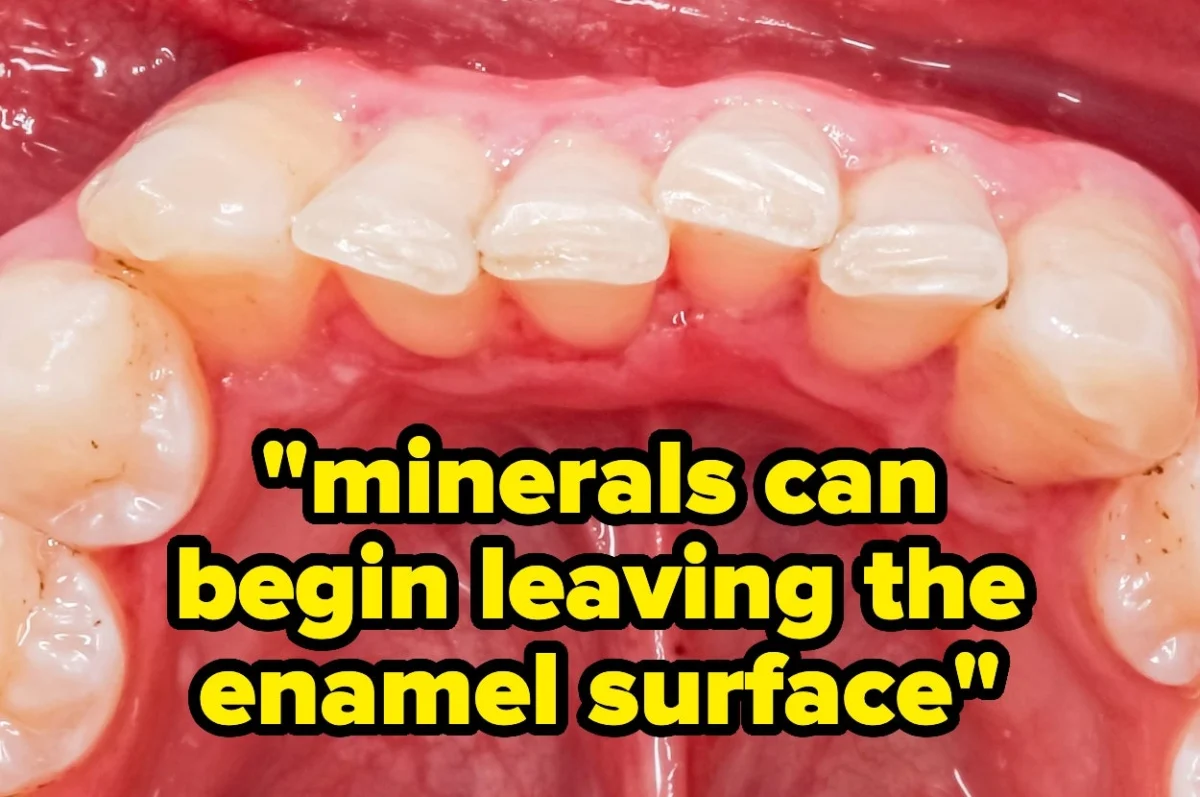
Main Facts
When most people sit in the dental chair for a routine cleaning, they are greeted by pristine posters of sparkling white teeth positioned next to crisp apples, leafy green vegetables, and colorful toothbrushes. Patients frequently experience a familiar wave of anxiety—mentally chastising themselves for sporadic flossing, wincing slightly as the dental hygienist navigates around sensitive gum lines, and harboring a silent prayer to avoid hearing the dreaded words: "You have a cavity."
While dental visits are rarely anyone’s favorite pastime, proactive oral health management can prevent major issues down the road. However, maintaining a strong, dazzling smile involves navigating a landscape of surprising dietary pitfalls. Beyond widely recognized culprits like sticky cheese snack crackers, a particular food celebrated universally for its gut-health benefits is quietly wreaking havoc on dental enamel: yogurt.
Though hailed as a cornerstone of modern health and wellness, commercial yogurts frequently harbor hidden sugars and acidic profiles that undermine dental integrity. According to dental professionals, the sugar in yogurt interacts directly with oral bacteria, producing corrosive acids that degrade tooth enamel. Furthermore, popular mix-ins like granola, jam, and nut butters can cling tenaciously to tooth surfaces, prolonging acid exposure and accelerating decay.
Despite these risks, dental experts emphasize that yogurt is not inherently the enemy. Traditional dairy yogurts are packed with protective calcium, phosphate, and casein proteins that actively fortify enamel. The secret to enjoying yogurt without compromising your smile lies in product selection, mindful consumption habits, and understanding the science of enamel demineralization.
Chronology and Evolution of the Yogurt Health Phenomenon
From Ancient Preservation to Modern Superfood
To understand how yogurt became a dietary staple, one must look back thousands of years. Fermented milk products have existed since the dawn of agriculture, serving as a vital method for preserving dairy before refrigeration. Nomadic cultures throughout the Middle East, Central Asia, and Eastern Europe consumed fermented milks for their longevity and digestive benefits.
In the early 20th century, Nobel laureate Elie Metchnikoff popularized yogurt in the West, attributing the extraordinary lifespans of Bulgarian peasants to their daily consumption of fermented milk containing Lactobacillus bulgaricus.
The Commercialization Shift
As the global health and wellness movement gained momentum in the late 20th and early 21st centuries, yogurt transitioned from a simple, tart cultured food into a multi-billion-dollar "superfood" industry.
- The Low-Fat Era (1980s–1990s): Driven by dietary guidelines demonizing dietary fat, food manufacturers flooded the market with low-fat and fat-free yogurts. To compensate for the loss of texture and flavor resulting from fat removal, companies heavily increased sugar content.
- The Greek Yogurt Boom (2010s): The introduction and massive popularity of strained Greek yogurt shifted consumer focus toward high-protein diets. However, commercial varieties quickly diversified to include fruit-on-the-bottom cups, mix-in candy toppings, drinkable formats, and squeezable tubes marketed heavily toward children.
- The Gut-Health Revolution (Present Day): Modern consumers increasingly purchase yogurt for its probiotic properties, seeking to optimize their gut microbiome. Yet, as dental professionals have observed, the aggressive marketing of yogurt as an unmitigated health food has obscured its potential impact on oral health.
Supporting Data and Dental Science
To grasp how a health food can damage teeth, it is essential to examine the biological mechanisms at play inside the human mouth.
The Science of Enamel Demineralization
The human mouth is home to hundreds of bacterial species. While many are harmless or beneficial, specific strains feed on dietary carbohydrates and simple sugars. When these bacteria metabolize sugar, they produce lactic acid as a byproduct.
"When the environment around a tooth becomes sufficiently acidic, minerals can begin leaving the enamel surface," explains Dr. Jonathan Richter, a dual-trained holistic periodontist, prosthodontist, and implant dentistry expert at Manhattan Oasis Dentistry. "Repeated acidic exposures can therefore contribute to enamel demineralization and, over time, erosion."
Enamel—the hard, outermost shell protecting the teeth—is the hardest substance in the human body, containing no living cells. This means that once enamel is eroded or destroyed, the body cannot naturally regenerate it. Acidic environments with a pH drop below 5.5 trigger the leaching of essential minerals, such as calcium and phosphate, out of the enamel lattice, creating micro-pores that eventually develop into cavities.
The Role of Additives and Textures
The dental risk of yogurt is profoundly influenced by its formulation and accompanying ingredients.
- Added Sugars: Flavored yogurts frequently contain between 15 to 25 grams of sugar per serving—amounts rivaling candy bars or sodas. This high sugar load feeds oral bacteria continuously.
- Viscosity and Adhesiveness: Dr. Lilya Horowitz, a general dentist and owner of Domino Dental in Brooklyn, New York, points out that popular toppings drastically worsen the problem. "Sometimes, yogurts with toppings like granola, peanut butter, crunchy things, or jam can stick to your teeth and prolong acid exposure," she notes. When sugary or starchy particles adhere to teeth for extended periods, the window for acid attack expands significantly.
- Plant-Based vs. Dairy Yogurts: Dr. Liel Grinbaum, a pediatric dentist and owner of Smiles + Grins in New York, highlights a crucial chemical difference between dairy and alternative yogurts. "Milk (dairy) yogurt has natural calcium, phosphate, and casein proteins, which are beneficial to the protection of enamel," Dr. Grinbaum explains. Conversely, nut- and plant-based yogurts often lack these natural buffering proteins and frequently rely on added sugars for palatability.
Positive Clinical Findings
Despite the risks, dental research also highlights the protective qualities of traditional yogurt. A notable 2022 clinical study published in the Journal of Clinical Periodontology revealed that regular consumption of dairy yogurt is actually associated with a lower risk of tooth loss from periodontal (gum) disease. The live probiotic cultures and natural dairy minerals can support overall oral microbiome health—provided the consumer minimizes sugar exposure.
Official Responses and Expert Recommendations
Dental professionals do not advocate for the complete banishment of yogurt from consumer diets. Instead, they urge a more informed, strategic approach to consumption.
What Dentists Recommend Choosing
- Plain, Unsweetened Greek Yogurt: Experts universally recommend opting for plain, unflavored Greek yogurt. It offers high protein content, fewer carbohydrates, and an absence of refined sugars.
- Whole Fruit Additions: If sweetness is essential, Dr. Richter advises adding fresh whole fruits—such as berries or bananas—manually. Whole fruits contain natural fibers and water that stimulate saliva production, which naturally washes away acids.
- Savory Culinary Applications: Dr. Horowitz suggests shifting how yogurt is utilized in meal preparation. Incorporating plain Greek yogurt into salad dressings or using it as a direct, protein-rich substitute for sour cream in soups offers a savory alternative that bypasses the sugar trap entirely.
What Dentists Warn Against
Practitioners strongly caution consumers to avoid or strictly limit:
- Heavily sweetened, flavored yogurts
- "Fruit-on-the-bottom" varieties (which concentrate high amounts of sugary preserves)
- Squeezable and drinkable yogurts marketed to children (which bathe teeth in sugar water over prolonged sipping periods)
Implications for Daily Oral Care and Dietary Habits
The revelation that a recognized health food can contribute to tooth decay carries significant implications for everyday nutritional and dental hygiene habits.
Rethinking Nutritional Health
Consumers are increasingly forced to reconcile conflicting health advice. A food item recommended by cardiologists and gastroenterologists for gut health and heart wellness may simultaneously pose a threat to dental professionals if consumed incorrectly. This underscores the reality that "healthy" is not a monolith; a food beneficial for one bodily system may require careful management to protect another.
Actionable Strategies to Protect Your Teeth
Dentists emphasize that individuals do not need to give up yogurt to maintain a healthy smile. Implementing a few tactical habits can neutralize dental risks:
- Watch the Clock: Eat yogurt in one sitting rather than grazing on it over an extended period. Prolonged sipping or snacking keeps the oral pH elevated in an acidic state.
- Rinse with Water: Immediately after finishing your yogurt, swish plain water around your mouth to help wash away residual sugars and acids.
- Wait Before Brushing: While it may seem counterintuitive, dentists advise waiting at least 30 minutes after consuming acidic foods before brushing your teeth. Brushing immediately while enamel is temporarily softened by acid can actually accelerate enamel wear.
- Understand the Core Variables: Summarizing the issue, Dr. Richter notes that yogurt’s dental effect ultimately depends on four distinct factors: the type of yogurt, the amount of sugar, the frequency of exposure, and the way it is consumed.
"The key is not to avoid yogurt altogether, but to understand which types are more tooth-friendly and how eating habits affect enamel and cavity risk," Dr. Richter concludes. "Yogurt isn’t the enemy, but not all yogurt is equally friendly to your teeth."
 Ali Ikhwan
  Lina Irawan
  Muslim