
 By Reynand Wu
By Kate Garibaldi
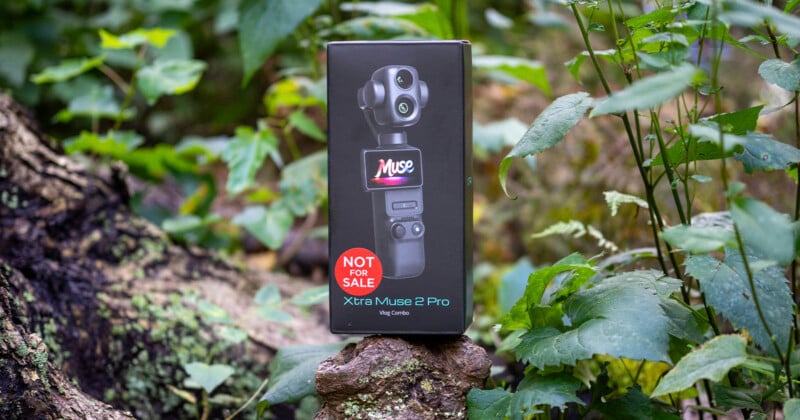
The package arrived with a jarring contradiction. Stamped prominently across the sleek black product box of the Xtra Muse 2 Pro was a stark red sticker bearing three definitive words: NOT FOR SALE.
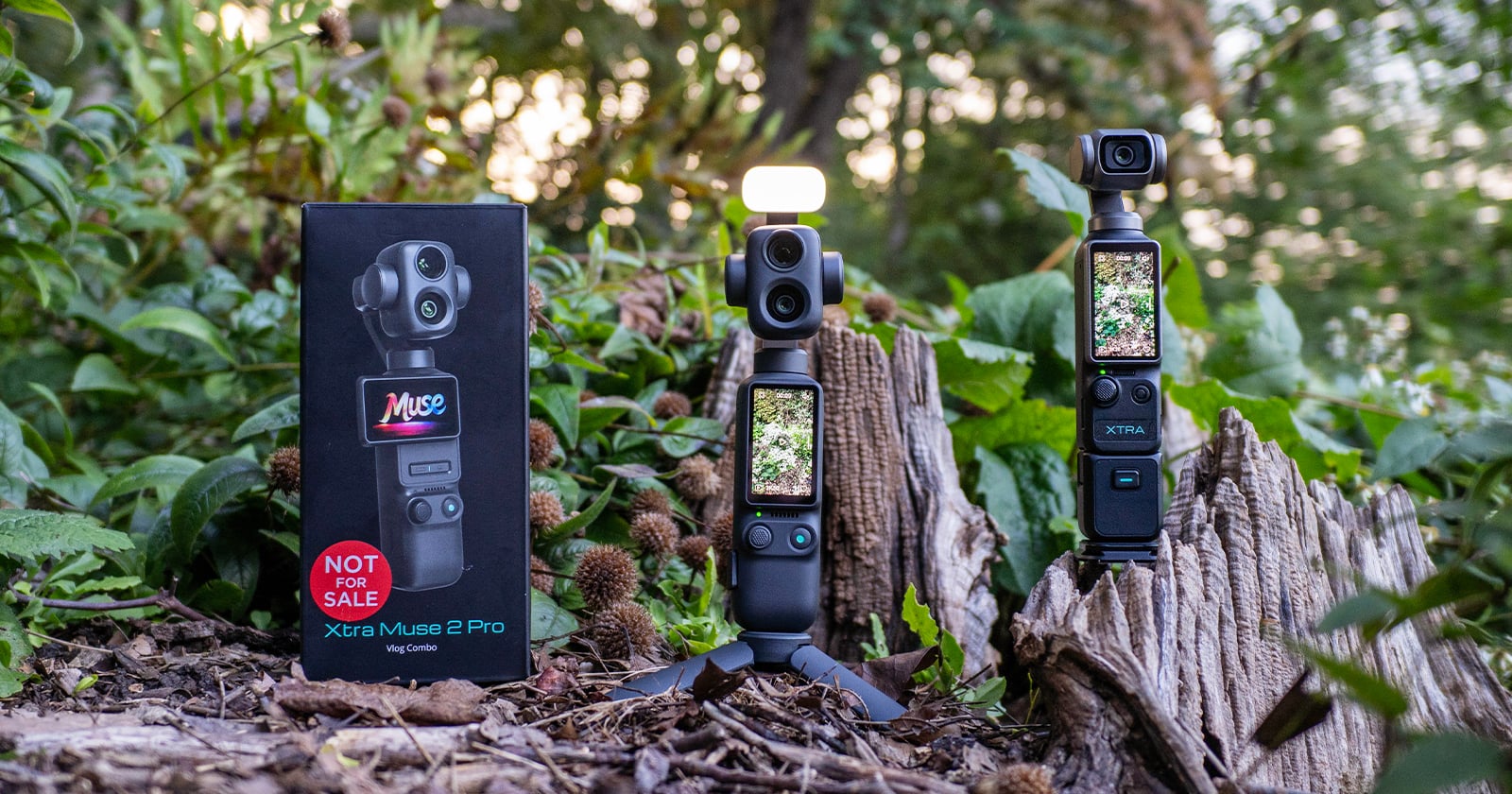
In any normal consumer market, receiving an item bearing that warning is a clear signal that the hardware is meant strictly for internal testing, trade shows, or developer evaluation—never to be held by an everyday consumer, let alone reviewed publicly. Yet, this particular unit rests on a desk in the United States, shipped directly to a photographer who was named an "Xtra Aesthetic Master" under a promotional creator campaign.
The reality, however, is far more complex. While a select handful of digital content creators across the United States possess the Muse 2 Pro, the general public cannot buy it. Caught in the crosshairs of shifting import scrutiny, an ongoing Federal Communications Commission (FCC) investigation, and delayed commercial timelines, Xtra’s most ambitious pocket gimbal camera occupies a strange, legal and logistical purgatory.
For the fortunate few who managed to secure a unit through promotional channels, the hardware offers a fascinating glimpse into the evolution of pocket-sized hybrid creation tools. For the broader U.S. market, it represents an elusive piece of technology—a device praised in early reviews yet fundamentally unavailable to order.
Main Facts: The Anatomy of the Xtra Muse 2 Pro
To understand the intense interest surrounding the Muse 2 Pro, one must look closely at what the hardware promises on paper. Designed to compete directly in the rapidly expanding pocket gimbal segment—a market traditionally dominated by brands like DJI—the Muse 2 Pro packs an impressive array of imaging technology into a remarkably small form factor.
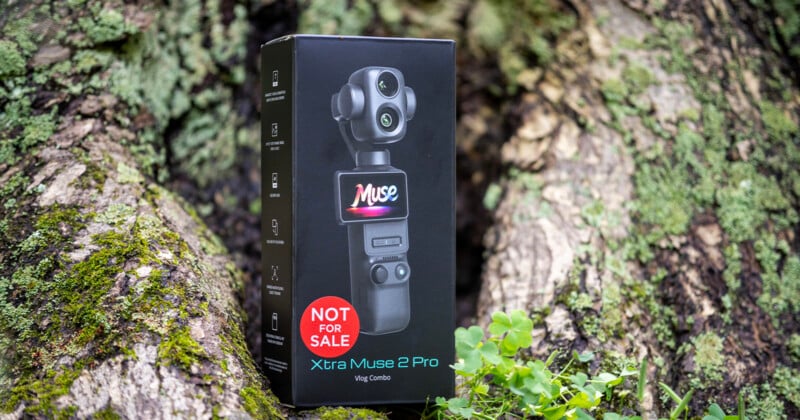
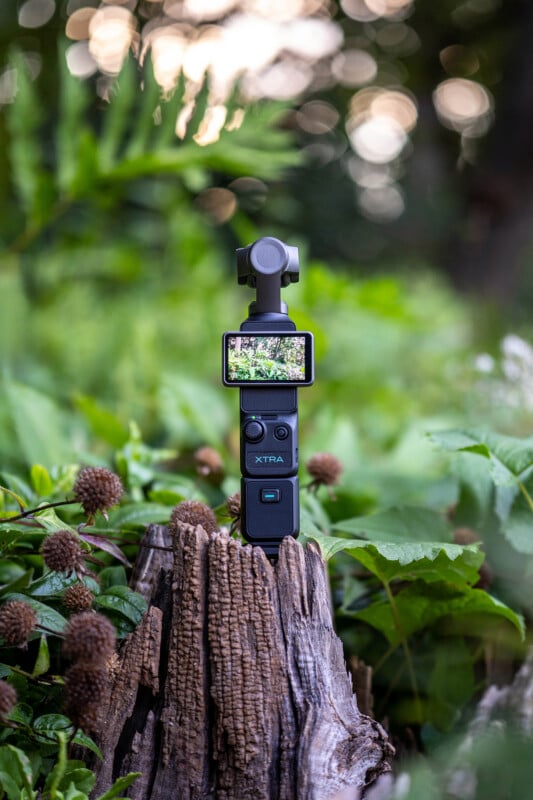
At its core, the device is built around a three-axis mechanical gimbal housing a dual-camera system. The primary camera features a large 1-inch CMOS sensor paired with an f/2.0 aperture and a 20mm-equivalent wide-angle lens. For mobile creators, a 1-inch sensor is a massive leap forward, offering drastically improved low-light performance and natural background separation (bokeh) compared to the microscopic sensors found in typical smartphones or traditional action cameras.
Expanding its versatility, the Muse 2 Pro introduces a secondary telephoto camera providing roughly a 3x optical reach (equivalent to a 60mm perspective). This dual-focal-length design allows users to punch in for tighter shots without sacrificing resolution via digital crop or forcing creators to carry an interchangeable-lens mirrorless kit.
Video specifications are equally robust. The camera is capable of recording up to 4K resolution at an astounding 240 frames per second for ultra-smooth slow-motion footage. It supports a 10-bit X-Log 3 color profile, claiming up to 17 stops of dynamic range to give professional colorists significant latitude in post-production. Furthermore, the unit includes a generous 103GB of built-in internal storage, supplementing traditional removable media.
Despite these advanced specifications, the primary talking point surrounding the Muse 2 Pro in the United States is not its 4K capabilities or its sensor size—it is the sheer impossibility of acquiring one through standard retail channels.
Chronology: How the Muse 2 Pro Landed in U.S. Limbo
The journey of the Muse 2 Pro from concept to its current restricted status in the U.S. is a timeline defined by high expectations followed by abrupt regulatory friction.
- Late May: Xtra launches its aggressive "100 Creators for Xtra Muse 2 Pro" program on Instagram. Photographers and videographers are invited to share their portfolios, tag the brand, and nominate peers to participate.
- June: Xtra announces the initial wave of selected creators. Alongside receiving early hardware samples, chosen participants are designated "Xtra Aesthetic Masters"—a title intended for creators recognized for their mastery of mood, light, and style. Simultaneously, the Muse 2 Pro secures formal FCC equipment authorization, filing an attestation that the hardware complies with current import and operation guidelines.
- Early July: Anticipating a smooth commercial rollout, Xtra opens a U.S. "Early Bird" reservation program, allowing eager customers to put down a refundable $20 deposit toward a planned late July 2026 retail launch.
- Late July: The rollout stalls. Xtra abruptly pauses the Early Bird reservation initiative, initiates refunds for customer deposits, and declines to provide a revised U.S. release timeline.
- Summer–Autumn: Regulatory pressure mounts. The FCC initiates wider-ranging investigations targeting various technology importers accused of bringing restricted components or designs associated with blacklisted manufacturers into the country. Although Xtra’s existing legacy products remain legally available and supported in the U.S., the commercial pathway for the Muse 2 Pro freezes entirely, culminating in creator units arriving bearing the ominous "NOT FOR SALE" warning labels.
Supporting Data & Hardware Comparisons
For veteran content creators, the form factor and feature set of the Muse 2 Pro invite immediate comparisons to established legacy tools and contemporary competitors.

When placed side-by-side with older enthusiast compact cameras—such as the immensely popular Canon PowerShot G7 X series that dominated the early vlogging boom—the Muse 2 Pro represents a staggering leap forward in operational efficiency. While legacy compacts required manual stabilization, lacked intelligent subject tracking, and struggled severely in low-light video scenarios, the Muse 2 Pro automates steady-cam movement via its mechanical three-axis gimbal.
| Feature / Specification | Xtra Muse 2 Pro | Traditional Compact Camera (e.g., G7 X) | Standard Smartphone Video |
|---|---|---|---|
| Stabilization | 3-Axis Mechanical Gimbal | Optical / Digital Image Stabilization | Electronic / Digital Stabilization |
| Primary Sensor Size | 1-inch CMOS | 1-inch CMOS | Variable (Typically 1/1.3" to 1/1.5") |
| Optical Zoom / Lenses | Dual Lens (20mm wide + 60mm telephoto) | Single Zoom Lens | Multiple Fixed Lenses (Digital Switching) |
| Max Frame Rates | 4K / 240fps | 1080p / 60fps or limited 4K | 4K / 60fps |
| Built-in Storage | 103GB Internal + Card Slot | SD Card Only | Internal Flash Memory Only |
| Automated Tracking | Built-in AI Subject Tracking | None | App-dependent / Software Dependent |
Beyond technical specifications, real-world field testing reveals distinct operational characteristics. Field reports from early creator testers indicate that the camera’s intelligent tracking algorithms are remarkably sticky; if a subject temporarily steps out of the frame and returns, the gimbal rapidly re-locks focus and continues tracking seamlessly.

However, the hardware is not without limitations. In extremely low-light environments—such as deep forest hikes stretching into blue hour—the compact sensor and smaller aperture face challenges hunting for contrast, occasionally requiring manual focus intervention. Nevertheless, the resulting straight-out-of-camera color rendering and natural-looking background falloff (bokeh) closely mirror the aesthetics of a dedicated mirrorless setup rather than the artificial, computational edge-blurring frequently produced by smartphones.
Official Responses and Regulatory Context
The regulatory roadblocks facing Xtra are part of a broader, increasingly complex trade and telecommunications enforcement landscape in the United States.

The Federal Communications Commission has intensified its scrutiny of hardware manufacturers suspected of importing or distributing technology tied to restricted entities—most notably involving protocols and hardware architectures associated with DJI. In July, amidst the escalating investigation, the FCC proposed financial forfeitures and moves to restrict the continued importation and marketing of specific equipment categories associated with Xtra and several allied firms.
Crucially, industry analysts note a distinct legal nuance in these proceedings: the regulatory actions represent proposed enforcement measures and ongoing administrative inquiries rather than an immediate, all-encompassing blanket ban on every product bearing the Xtra brand name.

In official statements, Xtra representatives have emphasized that their previously released consumer products remain fully legal, available for purchase, and supported within the United States. The company maintains active lines of communication with the FCC and relevant regulatory bodies to clarify compliance standards. However, because the company has chosen to halt its commercial rollout for unreleased hardware while discussions are ongoing, the Muse 2 Pro remains stranded in regulatory limbo, with no public indication of when—or if—it will clear final hurdles for commercial shelves.
Implications: What This Means for Creators and the Market
The bizarre saga of the Xtra Muse 2 Pro carries significant implications for the future of mobile content creation, hardware importation, and consumer tech availability in the United States.

1. The Shifting Toolset of the Solo Creator
For photographers and videographers who routinely haul heavy interchangeable-lens camera systems into rugged environments—such as tracking wildlife in Alaska, weathering blizzards in Canada, or camping across Iceland—the value proposition of a pocket-sized hybrid tool is undeniable. Devices like the Muse 2 Pro bridge the gap between casual smartphone capture and professional cinema gear. They allow solo operators to document behind-the-scenes footage, record seamless vlogs, and execute complex tracking shots without the need for a dedicated second camera operator.
2. The Vulnerability of Global Supply Chains
The freezing of the Muse 2 Pro’s U.S. launch highlights the growing vulnerability of consumer tech brands to rapid regulatory shifts. As geopolitical and trade tensions between regulatory watchdogs and hardware manufacturers tighten, innovative consumer products can find themselves legally stranded at the border. For brands, it serves as a cautionary tale regarding regulatory compliance and market forecasting. For consumers, it underscores how trade policies can directly restrict access to cutting-edge tools.

3. The Elusive Appeal of Forbidden Hardware
There is, undeniably, a psychological phenomenon at play when a product becomes officially "forbidden." Holding a retail box stamped with a red NOT FOR SALE sticker turns an ordinary piece of consumer electronics into a rare, coveted artifact. The few creators currently testing the Muse 2 Pro in the U.S. find themselves in an exclusive club—holding powerful pocket cameras that cannot be purchased, returned, or replaced through normal retail channels.
Whether Xtra will successfully navigate its regulatory hurdles with the FCC and eventually introduce the Muse 2 Pro to the broader American consumer base remains entirely uncertain. Until that day arrives, the Muse 2 Pro will persist as an invisible marvel in the United States: a brilliantly capable pocket camera that exists everywhere online, yet remains strictly out of reach on domestic shelves.
 Basiran
  Muslim