
 By Lina Irawan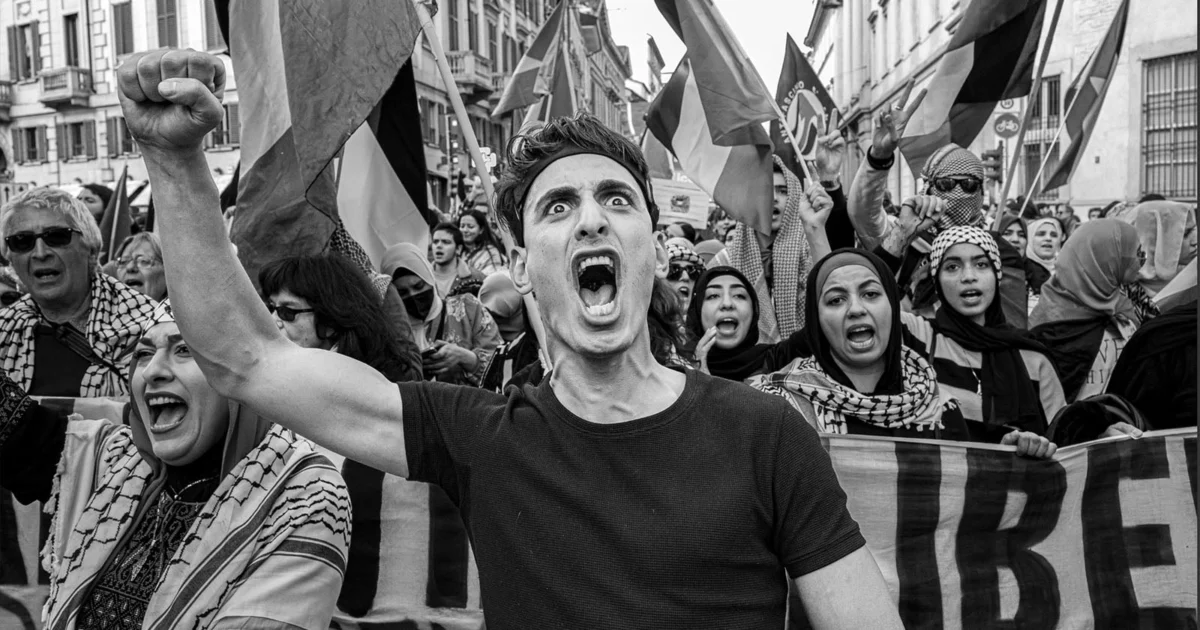
We are currently navigating the most photographed epoch in human history. Every day, billions of images are uploaded, shared, and discarded into the digital ether. Yet, in this deluge of pixels, the craft of street photography—once considered a burgeoning art form—has evolved into something far more profound: a critical act of cultural preservation.
Despite the ubiquity of smartphone cameras, true street photography is not merely about taking pictures. It is a deliberate, philosophical engagement with the world. As we stand at the precipice of an era defined by synthetic imagery, the street photographer’s role has shifted from that of an observer to that of a primary witness.
The Evolution of the Street: From Novelty to Normalization
To understand the current state of street photography, one must look at the trajectory of the medium. Decades ago, carrying a dedicated camera—a Nikon FM or a Leica rangefinder—was an act of public declaration. Photographers were viewed as "the press" or "serious artists." The gear itself acted as a social contract; people recognized the intent behind the lens.
In those early days, the photographer was often a curiosity. The physical act of stopping, framing, and waiting for the "decisive moment" (a term famously coined by Henri Cartier-Bresson) was a spectacle that invited engagement. Photographers learned to develop an "elevator pitch"—a genuine, human connection made with a subject that allowed the shutter to click with consent and mutual understanding.
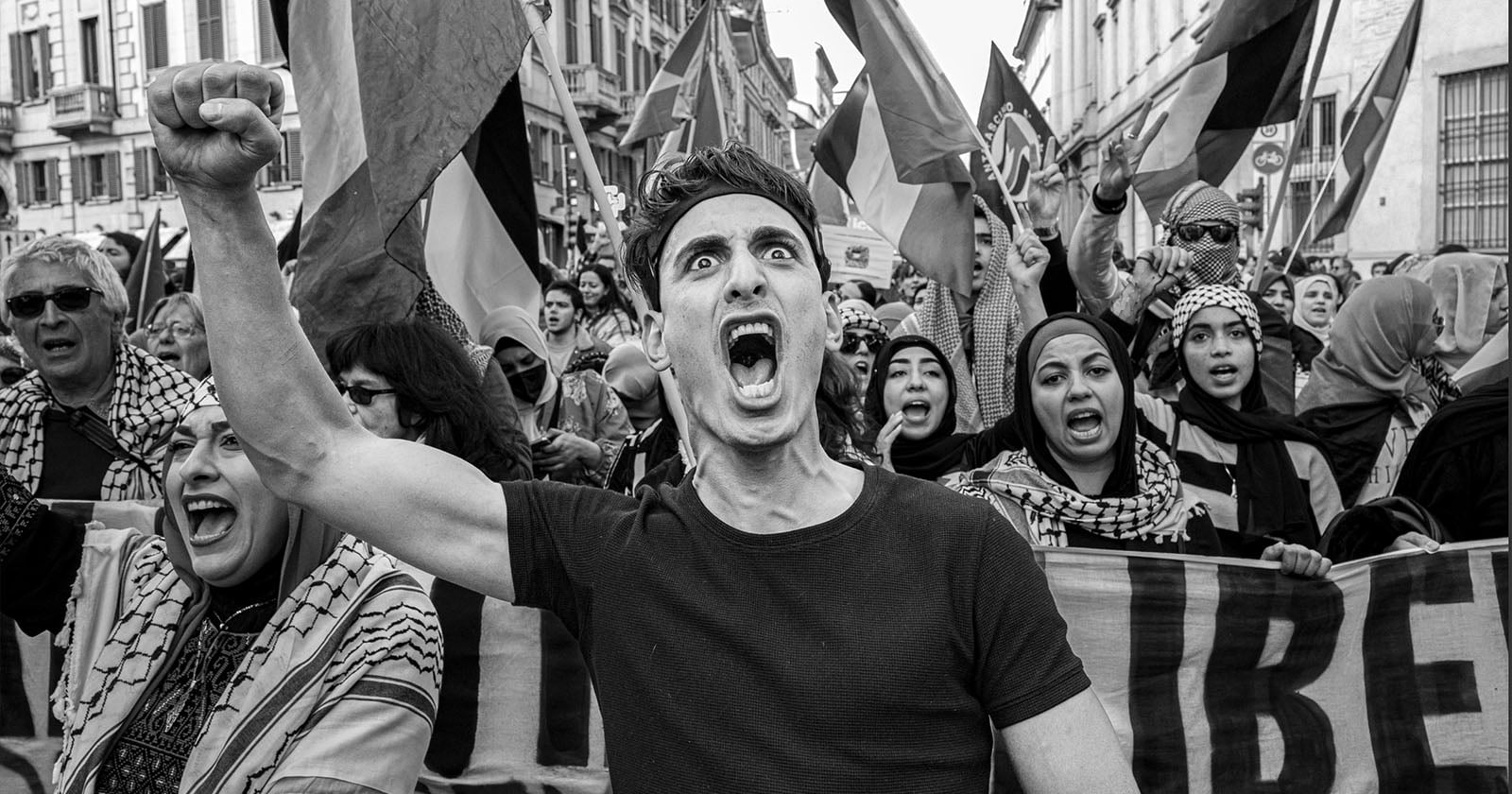
Today, that landscape has been fundamentally altered. The smartphone has desensitized the public to the presence of a lens. We have become a culture that documents everything, yet interprets very little. The modern reflex—to point a phone at a protest, a bizarre costume, or a viral moment—is an act of reaction, not vision. It is a visual scrapbook, devoid of the deep contemplation required by traditional street photography.
The Ethics of Intent in an AI-Driven World
The most significant shift in the history of the medium is the rise of Generative AI. We are now capable of conjuring images from nothing: faces that never breathed, scenes that never unfolded, and light that never touched a physical sensor.
This technological leap presents an existential crisis for photography. If an image can be fabricated, the "truth" inherent in a photograph is no longer a given; it is something that must be verified. The tools we rely on for post-processing—Adobe Lightroom’s Generative Fill, sky replacements, and AI-powered noise reduction—are undeniably convenient. However, they blur the line between "enhancement" and "invention."
Every time a photographer uses these tools to "perfect" a street scene—removing a stray trash can or smoothing a face—they are engaging in a subtle negotiation with reality. The messy, unpredictable, and imperfect nature of life on the street is exactly what gives it weight. When we polish away the grit, we sanitize history.
The Historical Weight of the Unposed Moment
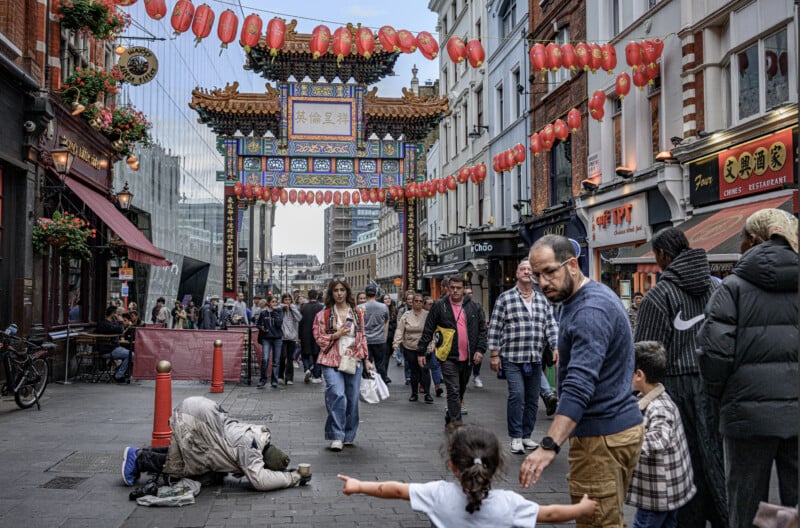
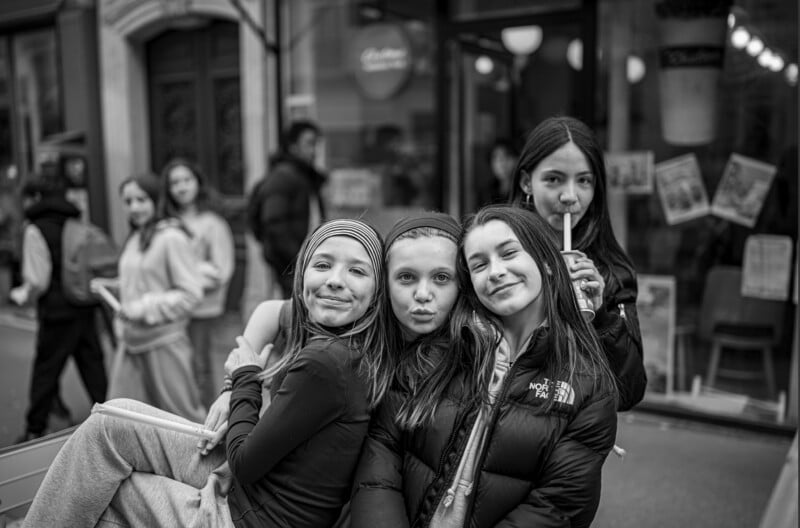
There is an archival imperative to street photography that is often overlooked. Future historians will not look to the "official record" to understand the 2020s. They will look to the unposed, candid snapshots of ordinary people in ordinary spaces.
Consider the historical photographs of the 1930s or the 1960s. We are fascinated by what people wore, how they gathered, and the subtle expressions on their faces when they weren’t performing for a camera. This is journalism in its deepest, most anthropological sense. By capturing the mundane, the street photographer provides the "evidence" of a time and place that will never exist again.
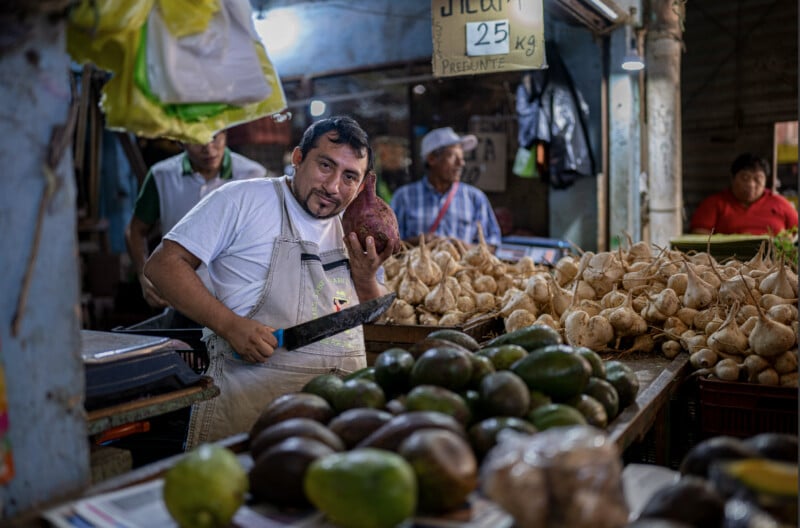
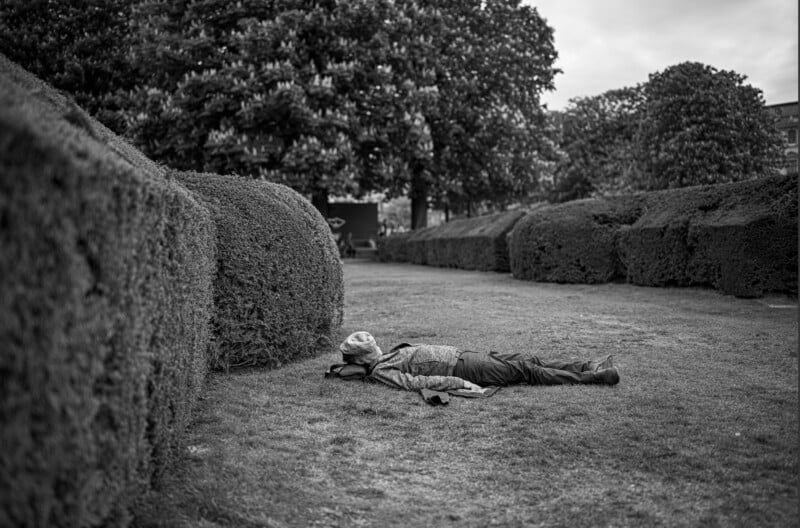
If we stop photographing the street with intention, we lose more than just aesthetic beauty; we lose our primary tether to the past. Fifty years from now, the digital archives will be filled with synthetic noise. The photographs that will retain their value are the ones that were lived, witnessed, and captured by a human being who cared enough to stand in the sun, in the rain, or on a crowded subway platform, and pay attention.
The Professional Photographer’s Responsibility
In this new reality, the photographer’s reputation is their most valuable currency. Because viewers can no longer trust that an image is "real," the photographer must become a guarantor of authenticity.
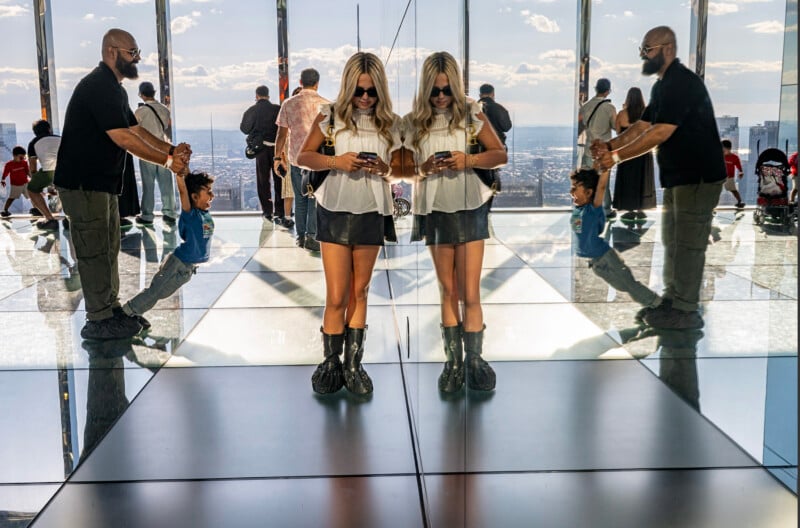
This does not mean that photography must be a sterile, objective document. As Cartier-Bresson noted, the power of a photograph lies in the photographer’s perspective—what they choose to include and what they choose to omit. The "truth" in street photography was never about objectivity; it was about an honest eye looking at something real and conveying the visceral feeling of being there.
The Pillars of Modern Ethics:
- Presence: A photograph must be the result of a human being’s physical presence at the event.
- Interpretation, Not Invention: Enhancement should serve the narrative, not replace the reality.
- Transparency: The intent behind the image must be clear. If a scene is staged or heavily manipulated, the audience has a right to know.
- The Decisive Moment: The ability to recognize a fleeting, unrepeatable coincidence is a skill that algorithms cannot replicate.
Implications for the Future of the Medium
As we move further into the 21st century, the act of taking a street photograph becomes a radical one. In a world flooded with synthetic images, a genuine photograph is a rare, high-value asset.
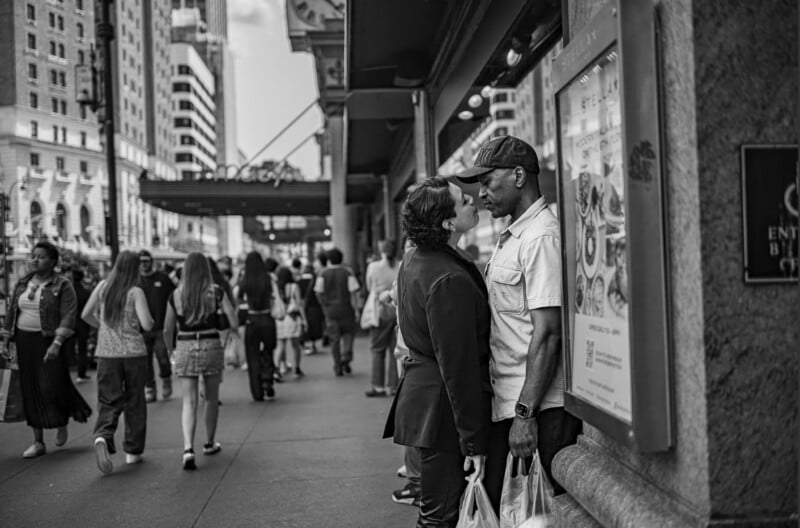
The casual smartphone user will continue to document the world through a lens of reaction. However, the intentional street photographer has an opportunity to reclaim the medium’s dignity. The challenge is clear: if you are going to carry a serious camera into a world of mobile phones, you must have something to say.
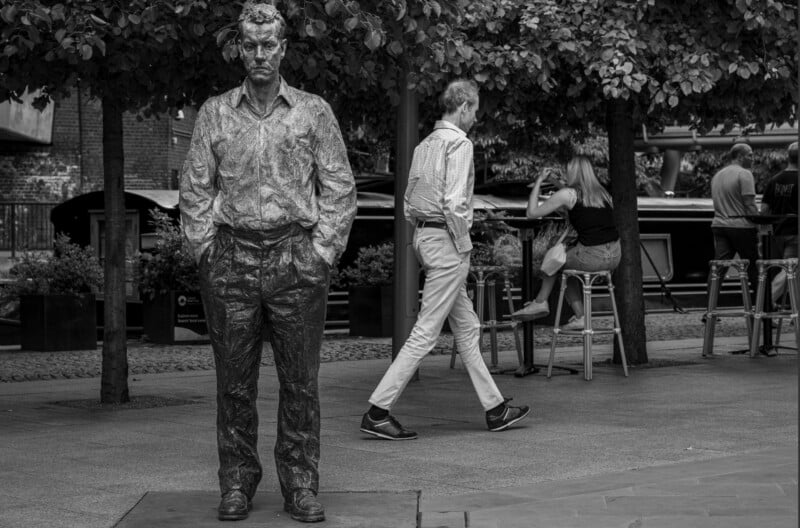
The street is a stage that never stops performing. From the solitary figure on a train to the chaotic energy of a protest, these moments are fleeting. They are the coincidences of light, geometry, and human emotion that no algorithm can successfully dream up.
Conclusion: The Call to Witness
We are witnessing the end of an era where a photograph could be taken for granted as a reflection of reality. We are entering an era of skepticism. Yet, this skepticism is the perfect environment for the revival of intentional street photography.
When people sense that a photographer is acting with purpose—that they are there to bear witness—the dynamic changes. It is no longer about the gear or the technology; it is about the human connection and the weight of the moment.
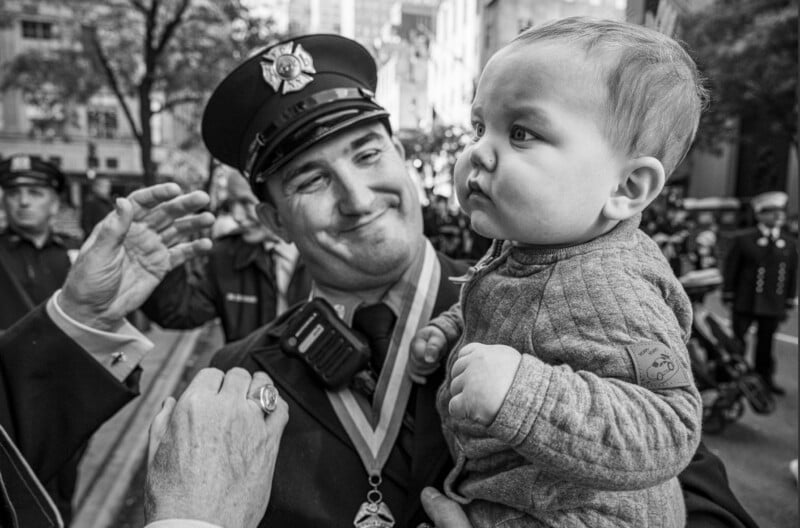
If you are a photographer, your work is more important now than it has ever been. The world needs people who are willing to stand on the corner, to be present, and to recognize that the most significant events in history are often the ones that go unnoticed by the crowd. Every time you lift your camera to your eye, you are making a choice to preserve the truth of this moment. Do not take that responsibility lightly. The future is waiting to see what you found on the street today.
 Raul Delapena Setiawan
  rifanmuazin
  Ammar Sabilarrohman