Global Desk — Wellness & Modern Lifestyle Analysis
Every once in a while, a cultural shift defies traditional self-help paradigms. Rather than demanding monumental life overhauls, rigorous 5:00 a.m. routines, or expensive wellness retreats, a new wave of behavioral psychology is taking over digital platforms. Millions of people are turning away from exhausting productivity metrics and toward "micro-habits"—tiny, seemingly insignificant behavioral adjustments designed to make daily existence incrementally better.
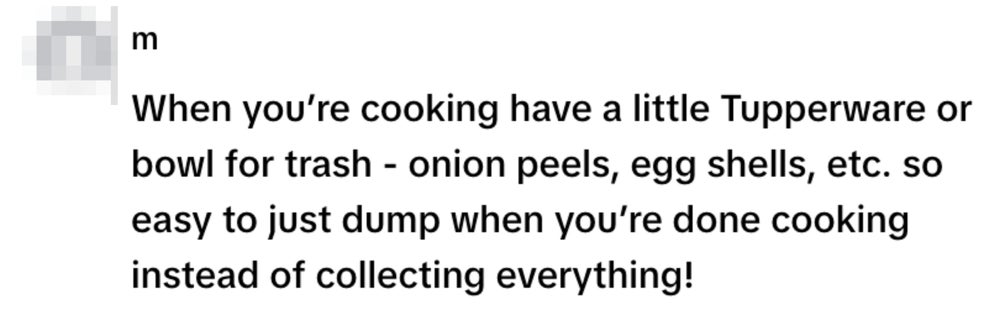
Sparked by viral discourse across social media platforms like TikTok, users are trading grand lifestyle transformations for minute, tactical changes. From nightly mental scheduling to keeping a mini-trash bowl on the kitchen counter, these micro-habits are proving that profound lifestyle optimization doesn’t require a blank slate—it just requires a few seconds of intention.
The modern obsession with micro-habits centers on a simple premise: marginal gains compound over time. While the concept echoes traditional productivity literature, the current iteration is distinctively low-friction, highly digital, and community-driven.
At the center of this trend is the practice of planning the following day hour-by-hour while lying in bed the night before. This specific routine has emerged as a premier antidote to decision fatigue. By documenting goals, time allocations, and anticipated tasks before sleep, individuals report a dramatic reduction in morning anxiety and end-of-day burnout.
Beyond personal productivity, viral digital threads have cataloged dozens of parallel micro-adjustments. These span several core domains of daily life:
Environmental Optimization: Setting a nightly "closing shift" for the home to ensure mornings begin in a tidy space; opening windows every morning for fresh air.
Mental Reframing: Shifting away from binary "good or bad" life assessments to a pragmatic "do what needs to be done" mindset; abandoning toxic perfectionism.
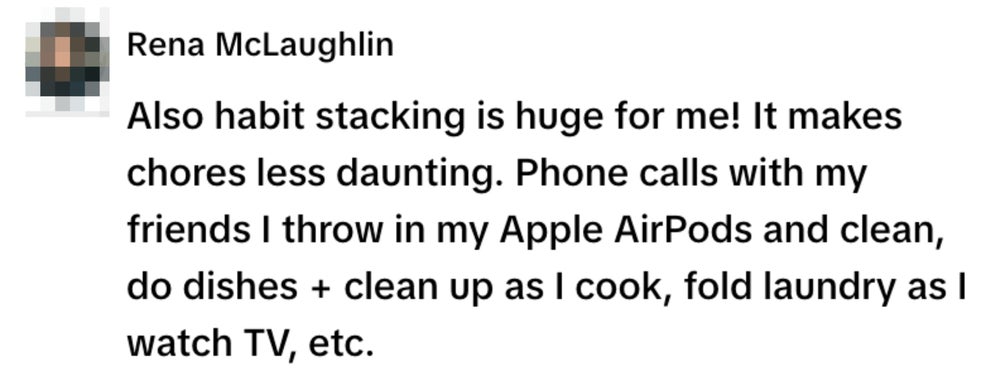
Physical Health Hacks: Habit-stacking mundane chores (like washing dishes or folding laundry) with phone calls to friends; utilizing magnesium and probiotics before bed to improve sleep architecture.
According to behavioral data and viral engagement metrics, these small adjustments resonate deeply because they lower the barrier to entry for self-improvement, allowing individuals to reclaim a sense of agency without the paralyzing pressure of major lifestyle overhauls.
Chronology: How the Movement Gained Momentum
The journey from niche psychological theory to global internet phenomenon developed across several distinct phases over the past several years:
Phase 1: The Burnout Reckoning (2020–2022)
In the wake of global disruptions, standard hustle-culture advice—which heavily favored multi-hour morning routines and relentless optimization—faced a massive public backlash. Burnout rates soared, and individuals began seeking sustainable, low-energy ways to manage their mental health and daily responsibilities.
Phase 2: The Rise of "Habit Stacking" and TikTok Wellness (2023–2024)
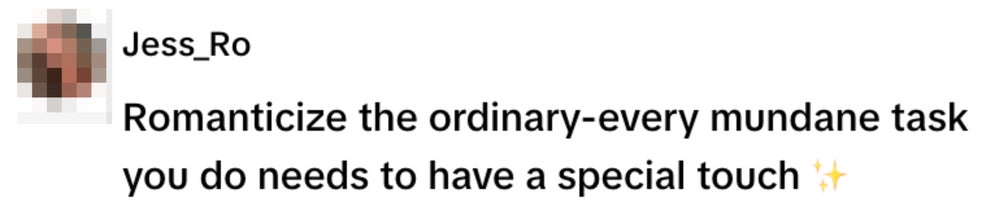
As platforms like TikTok and Instagram prioritized relatable, short-form lifestyle content, everyday creators began sharing hyper-specific personal routines. Terms like "romanticizing the ordinary" and "habit stacking" entered the cultural lexicon. Videos detailing unconventional productivity hacks—such as pairing hygiene routines with administrative tasks—accumulated hundreds of millions of views.
Phase 3: Mainstream Curation and Collective Validation (2025–Present)
By early 2025, viral roundups compiling dozens of micro-habits became a staple of digital media. Content curators began systematically collecting and analyzing these user-generated tips, transforming scattered online comments into structured compendiums of modern self-care. The focus shifted away from corporate output and toward holistic, gentle day-to-day survival mechanisms.
Supporting Data: What the Research Tells Us About Small Changes
While social media anecdotes drive the popularity of these trends, behavioral science offers robust backing for why micro-habits succeed where monumental resolutions fail.
1. The Power of Cognitive Offloading
Writing down the next day’s schedule before sleep is a textbook example of cognitive offloading. Psychological studies consistently show that attempting to hold tasks, schedules, and worries in working memory while trying to fall asleep impairs sleep quality and increases nocturnal cortisol levels. Documenting these items frees up cognitive bandwidth, promoting faster sleep onset and better memory consolidation.
2. Neuroplasticity and Behavioral Friction
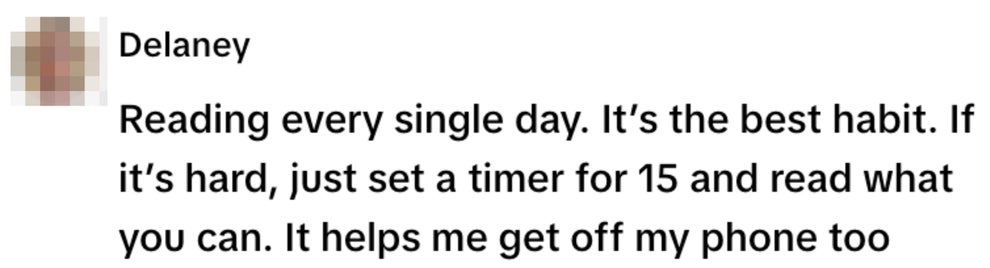
Behavioral scientists emphasize that the human brain naturally resists high-friction tasks. By reducing a habit to its smallest possible denominator—such as setting a 15-minute timer to read a book instead of committing to an hour—individuals bypass the brain’s innate resistance mechanisms (amygdala-driven avoidance). Once the barrier of entry is breached, momentum often carries the individual past their initial resistance.
3. The Compound Effect of Marginal Gains
Borrowing from economic and athletic models of continuous improvement, improving daily systems by just 1% yields exponential results over the course of a year. Small adjustments—such as putting items away immediately rather than setting them down ("don’t put it down, put it away")—prevent the compounding physical clutter that frequently triggers psychological stress and executive dysfunction.
Official Responses and Expert Perspectives
Mental health professionals, organizational psychologists, and productivity coaches have weighed in on the micro-habit phenomenon, offering both validation and cautionary perspectives.
"When people feel overwhelmed by the state of the world or their personal careers, they naturally seek micro-control. Micro-habits are a healthy psychological mechanism to reclaim agency over one’s immediate environment without the toxic pressure of perfectionism."
— Dr. Elena Vance, Behavioral Psychologist
Experts note that while these habits can be profoundly stabilizing, users must guard against "productivity trap" mentalities. When micro-habits become rigid, obsessive rules rather than flexible tools, they can paradoxically induce the very anxiety they were designed to alleviate.
Furthermore, lifestyle coaches emphasize personalization. What acts as a revolutionary game-changer for one person—such as waking up two hours before work or opening freezing windows in winter—may prove entirely impractical or counterproductive for another, particularly those managing chronic fatigue, caregiving responsibilities, or atypical work schedules.
Implications: What This Means for the Future of Work and Wellness
The widespread embrace of micro-habits signals a permanent cultural pivot in how society defines success, wellness, and productivity.
Redefining Productivity
For decades, productivity was measured almost exclusively through corporate output, financial accumulation, and exhaustive physical optimization. The micro-habit movement democratizes productivity, shifting the metric toward emotional regulation, peace of mind, and the reduction of daily friction. Success is no longer defined solely by what was produced, but by whether the individual ended the day feeling grounded and accomplished.
The Evolution of Digital Communities
The trend also highlights the changing nature of community-driven advice. Rather than relying on top-down guidance from certified life coaches or academic institutions, modern wellness is increasingly crowdsourced. People find solace and practical solutions in the collective ingenuity of everyday internet users sharing raw, authentic, and sometimes quirky personal adjustments.
Looking Ahead
As work-life boundaries continue to blur and digital stimulation remains at an all-time high, the demand for low-barrier mental health and organizational tools will only increase. The micro-habit revolution proves that monumental life changes do not always require a dramatic awakening. Sometimes, all it takes is a sugar packet smelled out of curiosity, a tiny trash bowl on a kitchen counter, or a simple list written in the quiet dark before sleep.

 By Lina Hope
















 Azzam Bilal Chamdy
  Nila Kartika Wati
  Pevita Pearce