
 By Muslim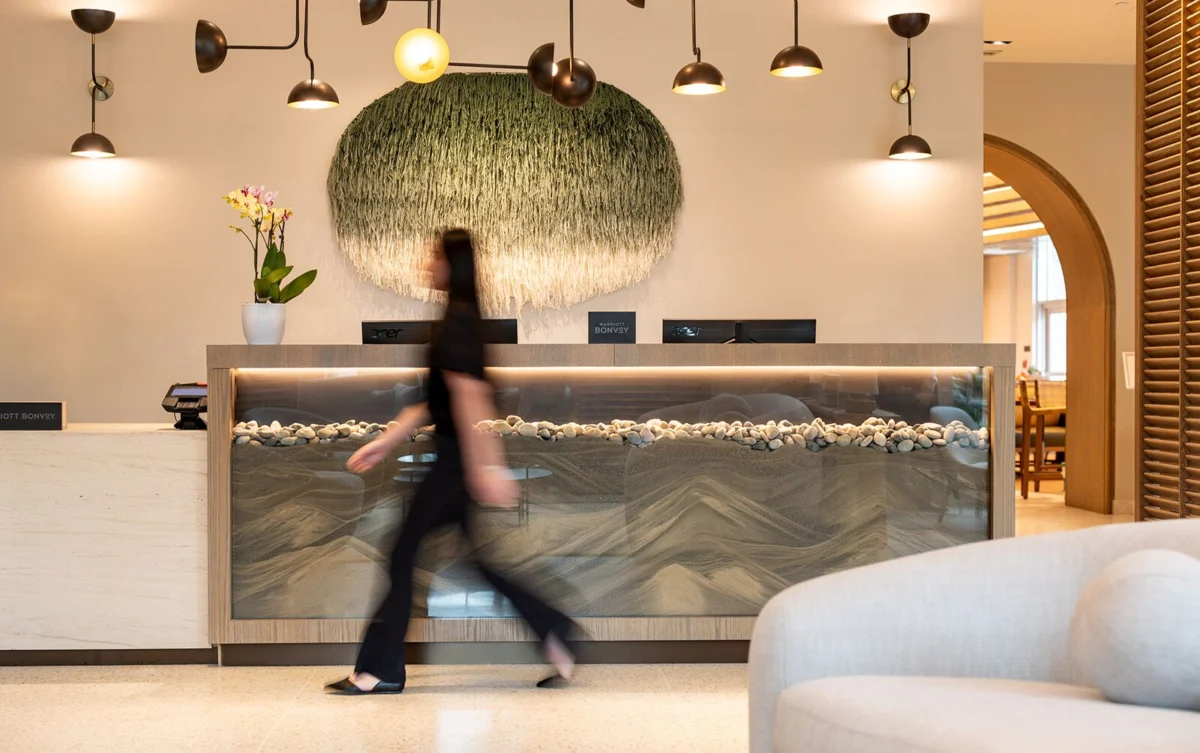
Charleston, South Carolina, has long been defined by the architecture of its past—the pastel-hued antebellum mansions, the winding cobblestone alleys, and the historic ironwork of the French Quarter. However, a new player has arrived on the scene that challenges the city’s traditional aesthetic while honoring its cultural soul. Live Oak, a sophisticated addition to the city’s hotel landscape, serves as a bridge between Charleston’s storied history and its burgeoning modern future.
Located just a stone’s throw from the bustling commercial corridor of King Street, Live Oak is not merely a place to sleep; it is a meticulously curated experience designed for the modern traveler. Whether you are a solo adventurer, a design enthusiast, or a culinary nomad, the hotel offers a refreshing departure from the conventional Southern hospitality model.
Main Facts: Redefining Charleston’s Hospitality
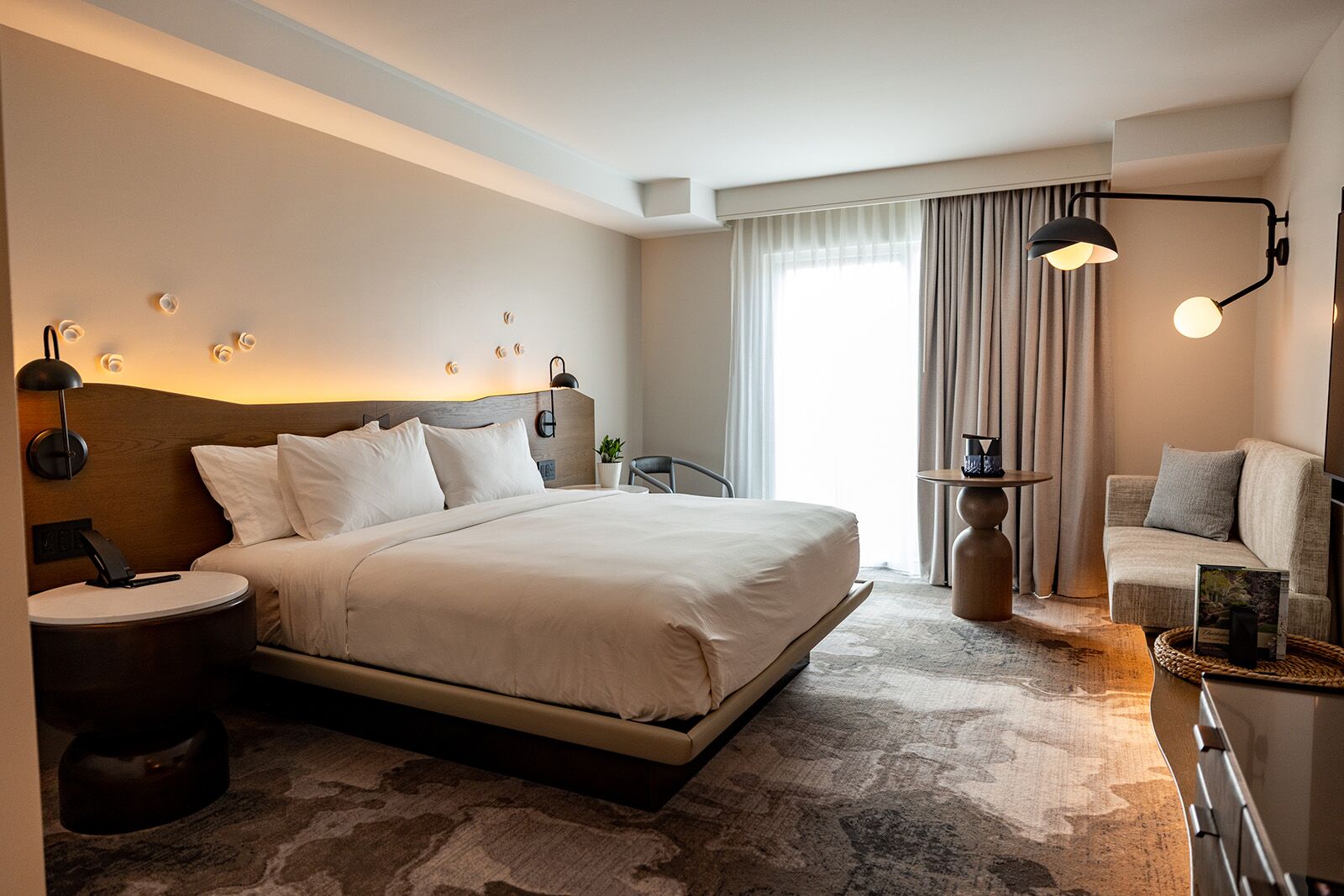
Live Oak distinguishes itself through a design philosophy that favors "modern neutrals." Unlike the heavy, ornate Victorian-era decor found in many of the city’s historic inns, Live Oak leans into a mid-century modern sensibility. The property features 120 guest rooms—comprised of 84 king bedrooms and 36 double queen bedrooms—with select ADA-accessible units available.
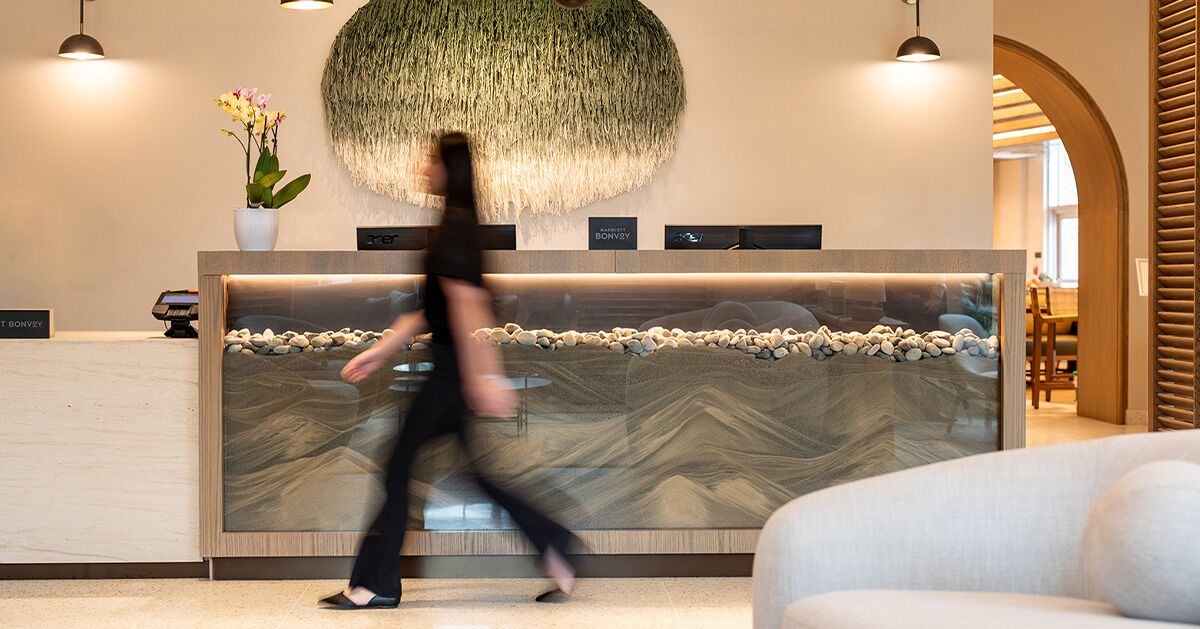
The architectural details are intentional. The building’s facade features large, functional panels that evoke the silhouette of traditional hurricane shutters, while the interior decor utilizes organic materials like river rock—framed behind glass like fine art—to ground the space in the natural geography of the Lowcountry. The property is a study in textures, blending cool stone, warm wood, and vibrant greenery to create a tranquil sanctuary that offers immediate respite from the humid, high-energy pace of downtown Charleston.
Safety and accessibility are also prioritized. For the solo traveler, the hotel’s security measures, including keycard-restricted elevator access, provide a layer of comfort that is often overlooked in boutique hotel design.
Chronology: A Day in the Life at Live Oak
To truly understand the rhythm of Live Oak, one must experience the flow of a typical day within its walls.
Morning: The Ritual of Coffee and Calm
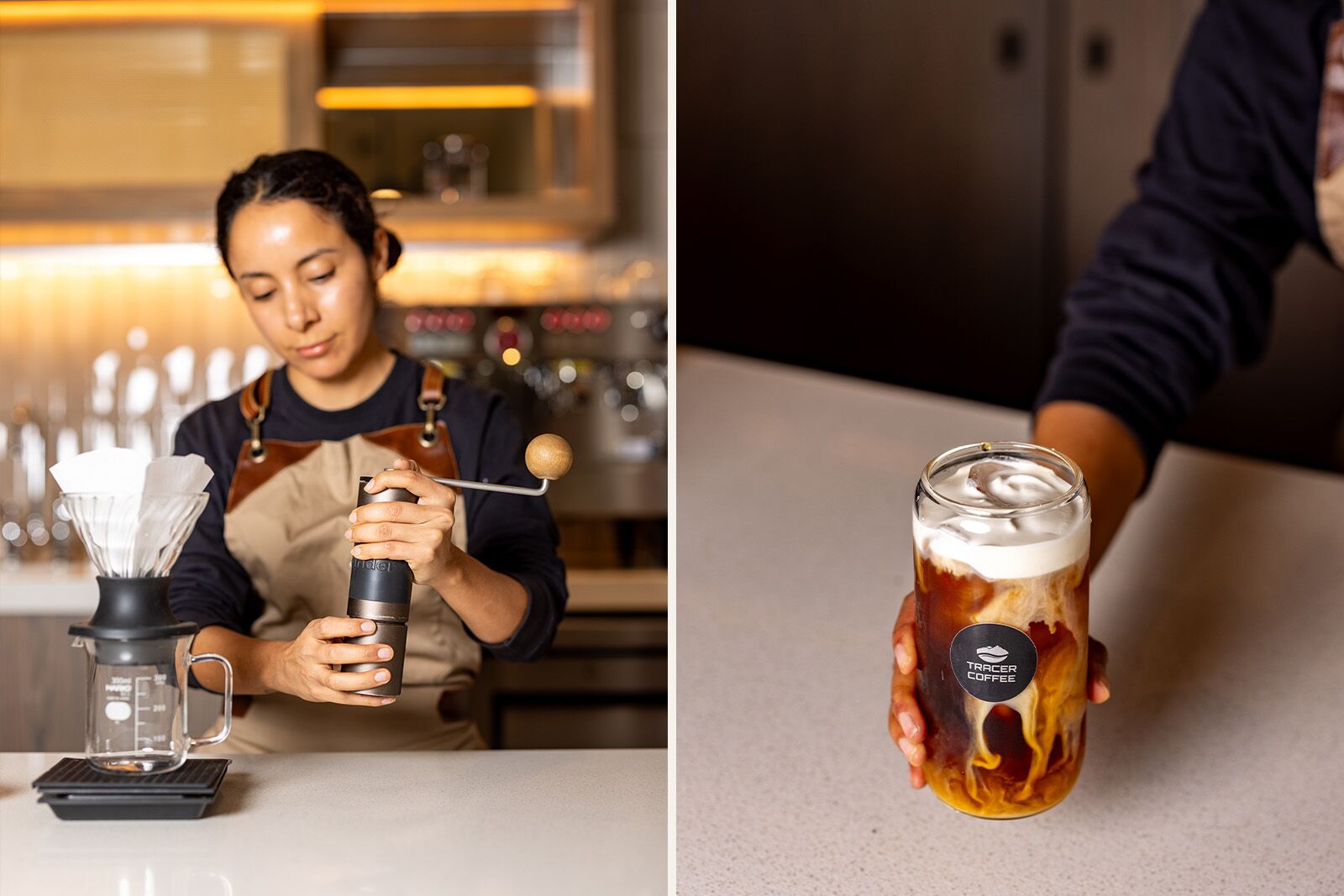
The day begins at Tracer Coffee, the hotel’s dedicated café. Open from 6:00 AM to noon, it serves as a neighborhood hub. After a morning brew, guests often transition to the hotel’s fitness center. Unlike the cramped workout rooms of standard hotels, the Live Oak fitness facility is expansive, equipped with a suite of Technogym machines, free weights, and resistance equipment that caters to serious fitness enthusiasts.
Afternoon: The Urban Oasis
By midday, the heat of the Charleston sun makes the second-story pool deck the place to be. It is a refined space, intimate in scale but abundant in comfort. Lounge chairs and private cabanas line the pool, where attentive staff provide seamless service—delivering drinks and snacks from Bloo, the poolside bar. Whether it’s an order of yucca fries or a cold beverage, the level of service allows guests to remain in a state of deep relaxation.
Evening: A Mediterranean Culinary Journey
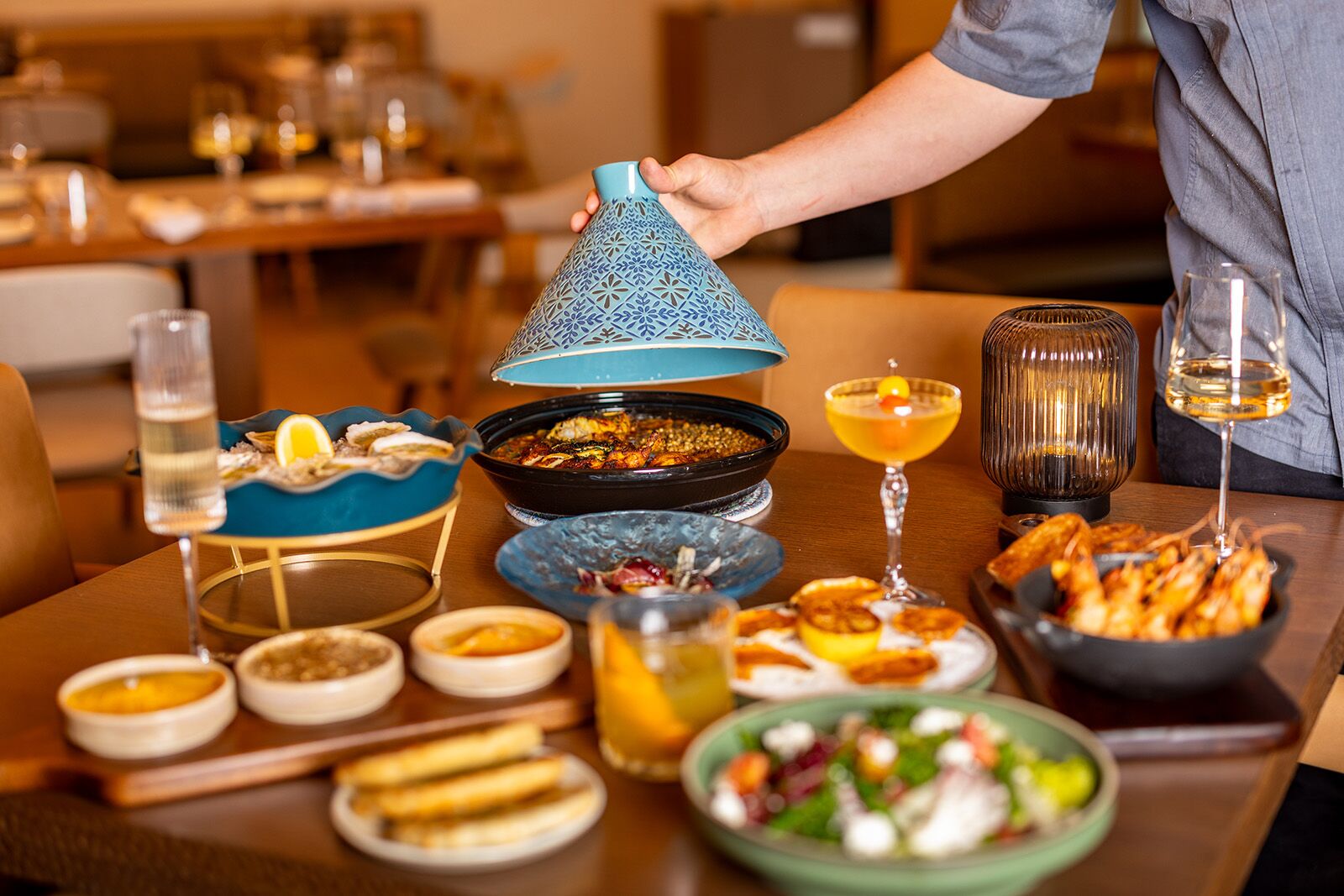
As the sun sets, the focus shifts to Terra, the hotel’s signature restaurant. Under the guidance of Chef Eucepe Puntriano, Terra focuses on a farm-to-table Mediterranean menu. The dining experience is theatrical and ingredient-focused. For instance, the chicken tagine—a highlight of the menu—arrives on a colorful, traditional Moroccan-style trivet. The ceremonial lifting of the lid is a hallmark of the restaurant’s service style.
Supporting Data: Infrastructure and Neighborhood Integration
The hotel’s commitment to the local economy is evidenced by its strategic location in the Cannonborough-Elliotborough neighborhood. While the hotel provides a luxurious base, it encourages exploration. Guests are invited to borrow the hotel’s custom bicycles—complete with front baskets—to traverse the city.
The integration into the neighborhood is further solidified by the hotel’s curated list of local partners. From the proximity to the Salt Spa & Yoga (which facilitates in-room treatments) to the deliberate encouragement of walking to nearby culinary landmarks like Bedford Falls or Bar Felix, the hotel functions as a gateway to the city rather than a gated enclave.
Operational Highlights:
- Total Rooms: 120
- Dining: Terra (Mediterranean), Tracer (Coffee), Bloo (Poolside Bar)
- Valet Parking: Available for $49/day
- Location: Cannonborough-Elliotborough, Charleston
- Partnerships: Salt Spa & Yoga (Off-site wellness)
Official Perspectives: The Vision Behind the Brand
The ethos of Live Oak is built on the concept of "curated Southernness." By avoiding the kitsch often associated with Southern tourism, the management has opted for a narrative of understated elegance.
"Our goal was to create a space that feels like a natural extension of Charleston, but viewed through a modern lens," says a representative for the property. This is most evident in the room design. The carpets, for instance, are not merely decorative; they feature a custom pattern derived from an aerial map of the Charleston marshlands. This subtle nod to the local ecosystem transforms the room into a conversation piece about the land itself.
Furthermore, the emphasis on women-owned businesses in the surrounding neighborhood—such as Taxidermy (leather goods), The Tiny Tassel (apparel and accessories), The Paper Canopy (stationery), and Hermosa (jewelry)—reflects a broader commitment to supporting the local entrepreneurial ecosystem. By spotlighting these shops, the hotel positions itself as a patron of the arts and local commerce.
Implications: The Future of Charleston Tourism
The arrival of Live Oak signals a shift in the Charleston hospitality market. As the city continues to see record-breaking tourism numbers, the demand for "experience-driven" lodging has surpassed the need for simple overnight accommodations.
The Impact of Modern Design on Historic Districts
Live Oak proves that modern, high-design hotels can thrive in historic districts without compromising the integrity of the surroundings. By utilizing materials that respect the region—stone, wood, and greenery—the hotel has avoided the "corporate glass box" aesthetic that has faced backlash in other historic cities.
The Rise of the "Solo Traveler" Market
The hotel’s focus on safety (keycard elevators) and comfort (well-appointed banquettes for working and snacking) recognizes a growing demographic: the high-net-worth solo traveler. Women, in particular, are looking for travel experiences that offer both independence and a secure, supportive environment. Live Oak’s layout—which allows for both privacy and community interaction—is a blueprint for future developments in the boutique hotel sector.
Economic Synergies
By not providing an in-house spa, the hotel has instead chosen to funnel its guests toward established local businesses like Salt Spa & Yoga. This "decentralized" model of luxury is a smart economic strategy. It ensures that the hotel guests become patrons of the wider neighborhood, effectively spreading the economic benefit of tourism beyond the hotel’s lobby.
Conclusion
Live Oak is more than just a place to stay; it is a sophisticated, carefully considered dialogue between the old and the new. Whether you are finding peace in a room overlooking the Arthur Ravenel Jr. Bridge, enjoying a mezze board at Terra, or exploring the vibrant, woman-owned shops of Spring Street, the experience is one of seamless integration.
As Charleston continues to evolve, Live Oak sets a high bar for what a modern hotel can be: a sanctuary that honors its location, supports its neighbors, and provides a level of comfort that makes it nearly impossible to leave. For those planning their next trip to the Holy City, the choice is clear—the future of Charleston is waiting, and it’s beautifully designed.
 Nana Wu
  Jia Lissa
  Evan Lee Salim