
 By Lina Irawan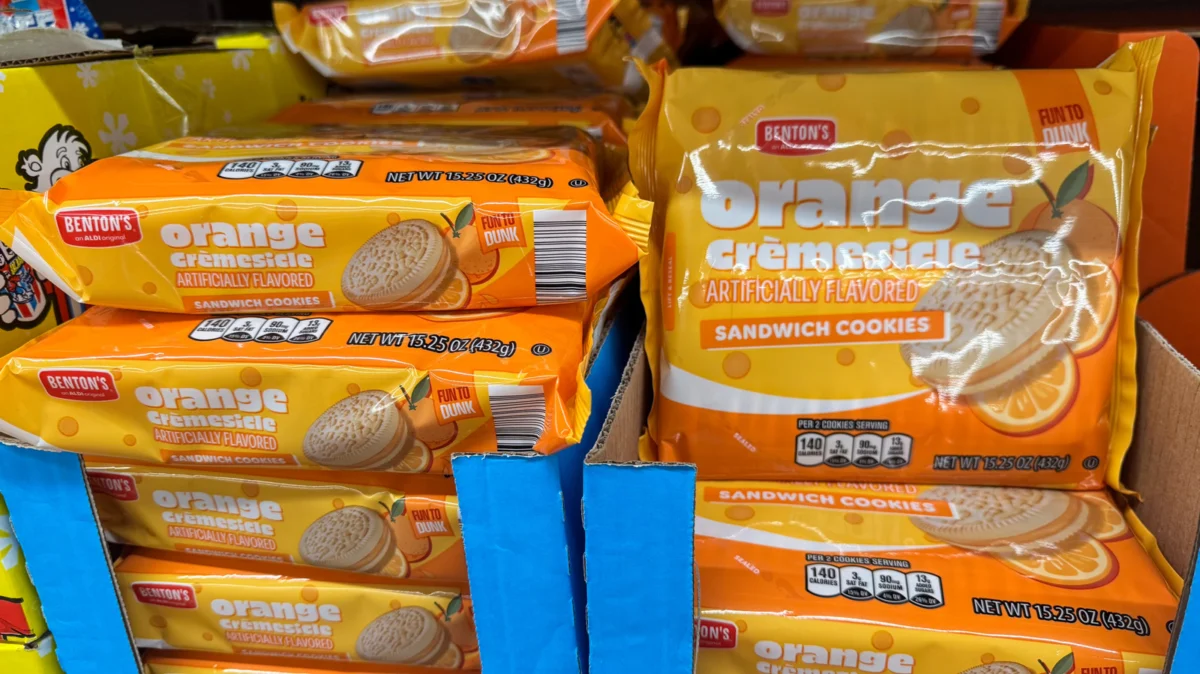
In the ever-evolving landscape of grocery retail, Aldi has carved out a unique niche for itself. The German-born discount grocer is famous not just for its bottom-line pricing, but for its “Aldi Finds”—a rotating collection of seasonal, limited-edition products that generate a near-cult following. Among these, the “Aisle of Shame”—a tongue-in-cheek moniker affectionately adopted by the brand’s most devoted shoppers to describe the central aisle filled with non-grocery and seasonal oddities—often serves as the testing ground for the company’s most ambitious flavor experiments.
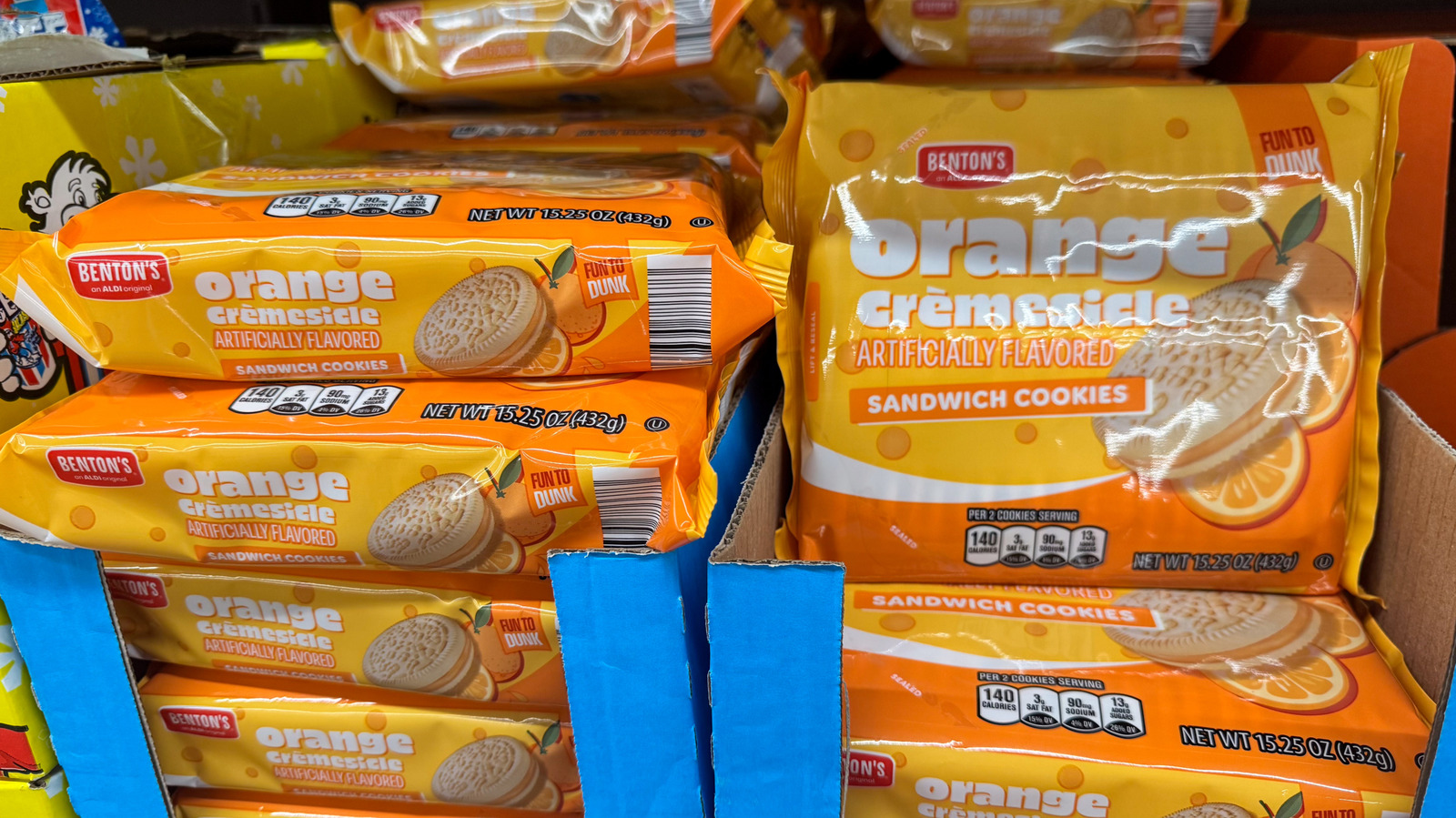
This week, the spotlight lands on a nostalgic flavor profile that defines American childhood summers: the Orange Creamsicle. With the launch of Benton’s Orange Crèmesicle Sandwich Cookies, priced at an accessible $2.99, Aldi is betting that consumers are ready for a biscuit-based twist on the classic ice cream truck staple. But can a mass-produced sandwich cookie truly capture the delicate, creamy-meets-citrus balance of a frozen treat, or is this simply another artificial attempt at nostalgia?
The Anatomy of the “Find”: A Brief History of Aldi’s Seasonal Strategy
To understand why a $2.99 pack of cookies warrants such scrutiny, one must look at Aldi’s overarching retail philosophy. Unlike traditional supermarkets that maintain massive inventories, Aldi utilizes a “limited assortment” model. This strategy creates an inherent sense of scarcity. When a shopper encounters a product like the Benton’s Orange Crèmesicle Sandwich Cookies, they are faced with a subconscious pressure: buy it now, or risk never seeing it again.
Over the past decade, Aldi has leaned heavily into this “seasonal hunt.” From pumpkin-spiced everything in autumn to peppermint-infused delights during the winter holidays, the company’s product development team has become adept at translating trends into shelf-stable, low-cost goods. The orange creamsicle profile is a particularly risky endeavor. It requires a precise marriage of two disparate flavor profiles: the acidic, sharp tang of citrus and the mellow, sugary warmth of vanilla cream. When successful, it is refreshing; when failed, it can veer into the territory of medicinal or overly saccharine candy.
Chronology of the Tasting: From Unboxing to Palate Evaluation
The evaluation process for this specific “Aldi Find” followed a rigorous, sensory-focused methodology, designed to mirror the expectations of the average consumer.
The Initial Sensory Encounter
Upon the initial unsealing of the package, the first sensory input is overwhelmingly olfactory. The aroma is distinctly "artificial," a hallmark of mass-produced citrus-flavored snacks. The scent profile leans heavily into the top-note of orange extract, which is notoriously difficult to replicate without triggering memories of cleaning products or concentrated fruit candy. For the skeptical taster, this initial wave of fragrance creates an immediate bias—a fear that the product will prioritize chemical intensity over culinary nuance.
The Structural Analysis
Visually, the cookies resemble the “Golden Oreo” architecture. The biscuit itself is a pale, vanilla-forward wafer that promises a snappy, crisp texture. The filling is a vibrant, neon-tinted cream that mimics the color of a classic popsicle. Structurally, the cookies are consistent, with no evidence of crumbling or melting, suggesting a shelf life that is well-maintained despite the seasonal nature of the item.
The Palate Test
Once the cookies are consumed, the experience shifts. While the scent is aggressive, the taste is surprisingly restrained. The “snappiness” of the cookie provides a necessary base that grounds the citrus. Unlike the initial olfactory alarm, the flavor on the tongue is balanced. The vanilla wafer acts as a buffer, muting the sharp acidity of the orange filling. It is not an authentic “fresh orange” experience—nor would one expect it to be at this price point—but it avoids the cloying, synthetic depth of an orange-flavored Skittle or a chalky Starburst.
Supporting Data: The Science of Flavor Perception
Why do we find orange-vanilla combinations so compelling? Food scientists often point to the concept of “sensory nostalgia.” The orange creamsicle is not just a flavor; it is a sensory proxy for summer, leisure, and the specific cooling sensation of ice cream.
In the competitive market of store-brand cookies, balancing these notes is a technical feat. Data from previous consumer sentiment polls regarding Aldi’s bakery section indicates that shoppers are generally forgiving of “artificiality” provided that the textural experience is high-quality. In this case, the Benton’s cookie succeeds because of the biscuit. By using a golden, vanilla-forward wafer rather than a chocolate one, the product avoids the muddy, conflicting notes that often plague fruit-and-chocolate pairings.
The “gritty” texture of the filling, often found in mid-tier sandwich cookies, actually works in this instance to mimic the mouthfeel of ice cream crystals. This unintentional textural benefit elevates the overall experience, moving the product from a “cheap snack” to a “fun, seasonal treat.”
Official Corporate Positioning and Market Context
While Aldi rarely releases official statements regarding the specific development of individual cookies, their marketing trajectory for 2026 suggests a focus on “affordable joy.” In an era of inflationary pressure, consumers are increasingly turning to small, inexpensive indulgences to replace larger luxury purchases.
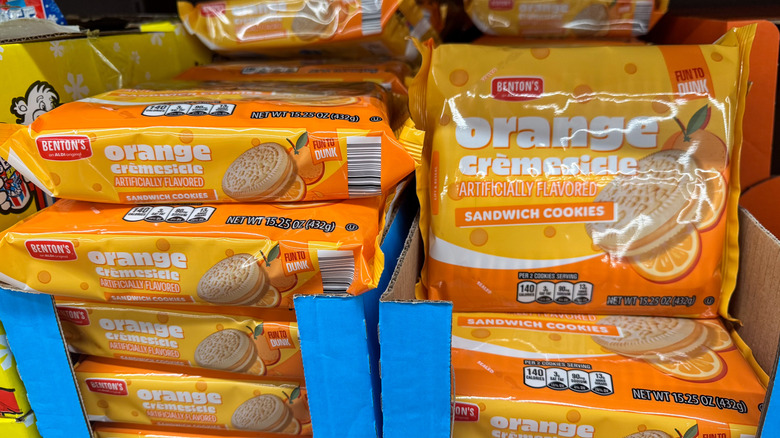
The price point of $2.99 is strategic. It is low enough to be an “impulse add-on” at the checkout, yet high enough to suggest a slightly elevated quality compared to standard store-brand offerings. By placing these in the “Aisle of Shame,” Aldi is capitalizing on the social media phenomenon where shoppers share their “Finds” on platforms like TikTok and Instagram. This organic, user-generated marketing is worth far more to the company than traditional advertising, as it builds a community around the act of grocery shopping.
Implications: The Future of the Seasonal Aisle
The success of the Benton’s Orange Crèmesicle Sandwich Cookies carries several implications for the future of the retail sector:
- The Rise of “Limited-Time Flavor” (LTF) Marketing: As seen with these cookies, brands are moving away from permanent shelf space and toward high-velocity, short-term availability. This forces consumers to visit stores more frequently, increasing the probability of additional basket-building.
- Elevating Store Brands: For years, store brands (private labels) were viewed as inferior. Aldi has successfully inverted this narrative. By releasing items that are fun, trendy, and surprisingly tasty, they have turned the “private label” into a badge of discovery.
- The Nostalgia Premium: Consumers are increasingly willing to pay for products that trigger a specific memory. Even if a product is technically “artificial,” the emotional payoff of the creamsicle flavor profile is sufficient to drive repeat purchases.
Final Verdict: Is It Worth the Trip?
In the final analysis, the Benton’s Orange Crèmesicle Sandwich Cookies are a triumphant addition to the Aldi seasonal rotation. They are not high-end pâtisserie, nor do they claim to be. They are, however, an exceptionally well-executed version of a nostalgic snack.
For the average shopper, the “artificial tinge” of the scent is a small price to pay for a balanced, sweet, and undeniably fun treat. If you find yourself navigating the labyrinth of the Aldi Aisle of Shame in the coming weeks, these cookies are a worthy addition to your cart. They deliver exactly what they promise: a bite of summer, a hint of cream, and the quintessential taste of a childhood memory—all for less than the price of a single pint of premium ice cream. Whether they will be remembered as one of the best finds of 2026 remains to be seen, but for now, they serve as a perfect example of why Aldi’s unique retail model remains a dominant force in the grocery world.
 Lina Hope
  Reynand Wu