
 By Neng Nana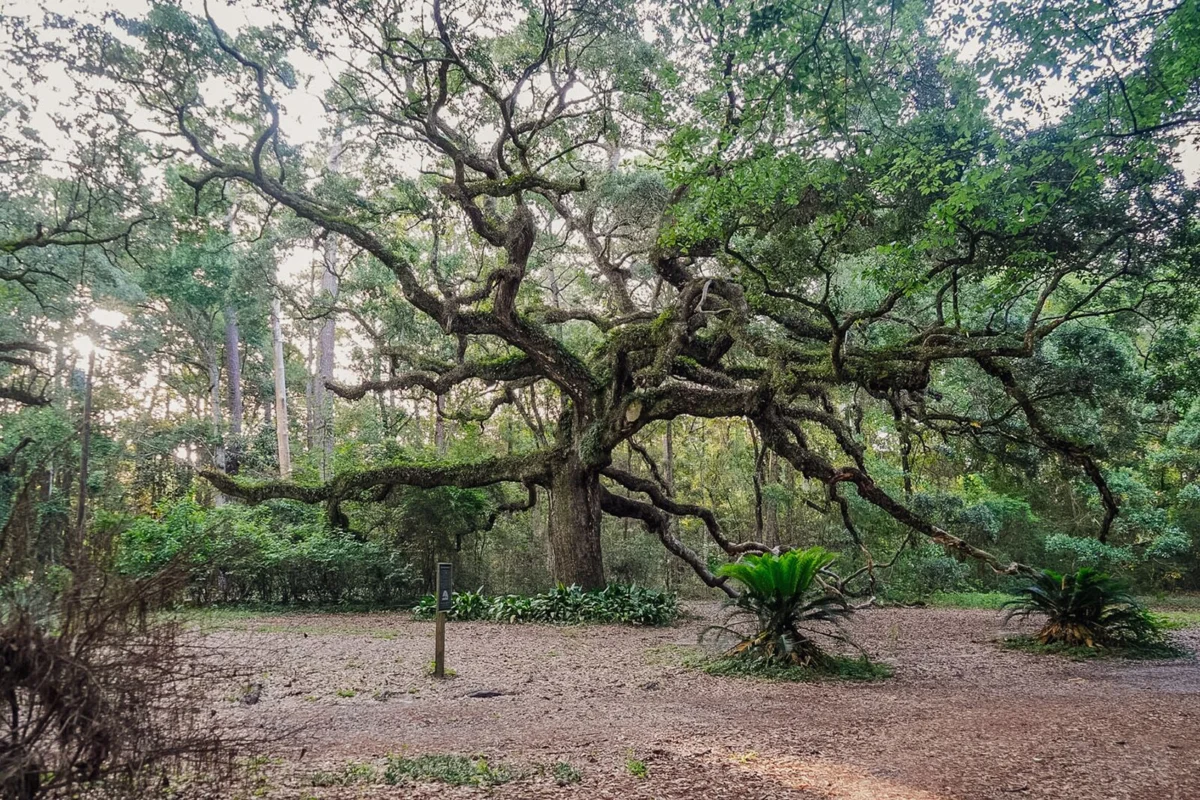
The Mississippi Gulf Coast is often overshadowed by its flashier neighbors to the east and west, yet for the observant traveler, it offers a profound connection to the natural world. Far from the neon lights of casinos, a quiet, deliberate ecosystem thrives along the pine savannas, bayous, and barrier islands of Jackson County. This region serves as a sanctuary for migratory birds, rare flora, and a testament to the enduring artistic legacy of Walter Anderson.
For those seeking to trade the frantic pace of modern life for the rhythmic pulse of the tides, this three-day itinerary explores the intersection of coastal culture and untamed nature.
Main Facts: The Geography of the Gulf
The Mississippi Gulf Coast is defined by its estuaries, which act as a filter between the land and the Gulf of Mexico. This region is home to the Pascagoula River—the largest free-flowing river system in the contiguous United States—and a network of protected lands, including the Grand Bay National Estuarine Research Reserve (NERR) and the Mississippi Sandhill Crane National Wildlife Refuge.
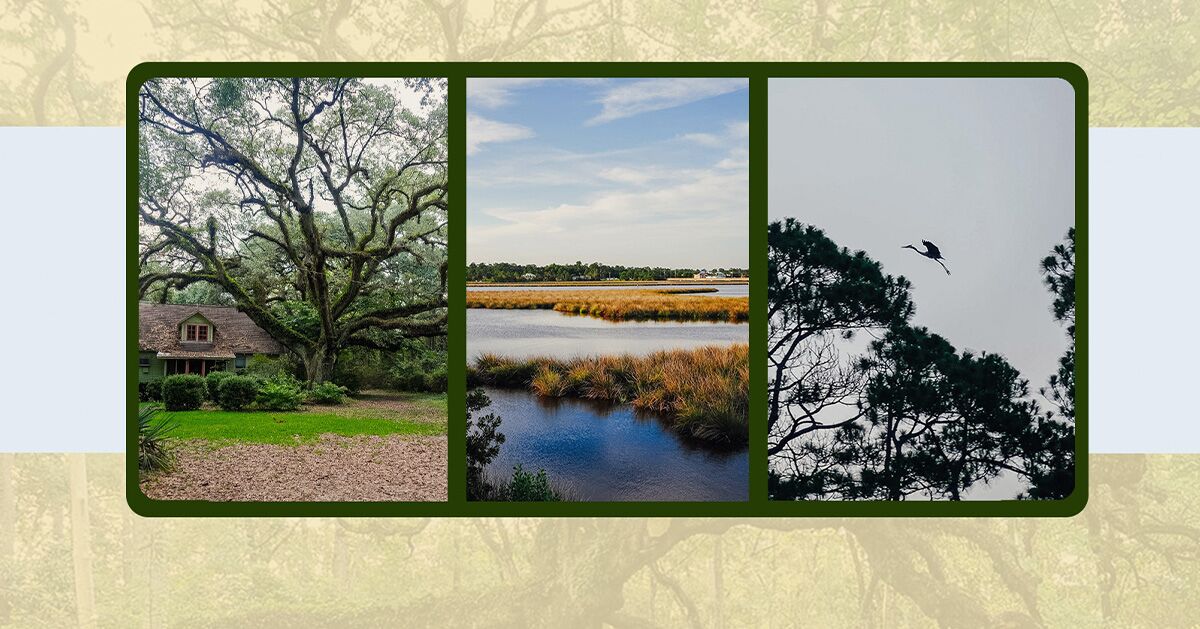
The primary hub for this journey is Ocean Springs, a town that balances a thriving local arts scene with easy access to these pristine natural corridors. Navigating the area requires a vehicle, as the attractions—ranging from historic train depots converted into brewpubs to isolated boardwalks—are spread across the coastal expanse of Ocean Springs, Moss Point, and Pascagoula.
Chronology: A Three-Day Immersion
Day 1: The Artistic and Ecological Gateway
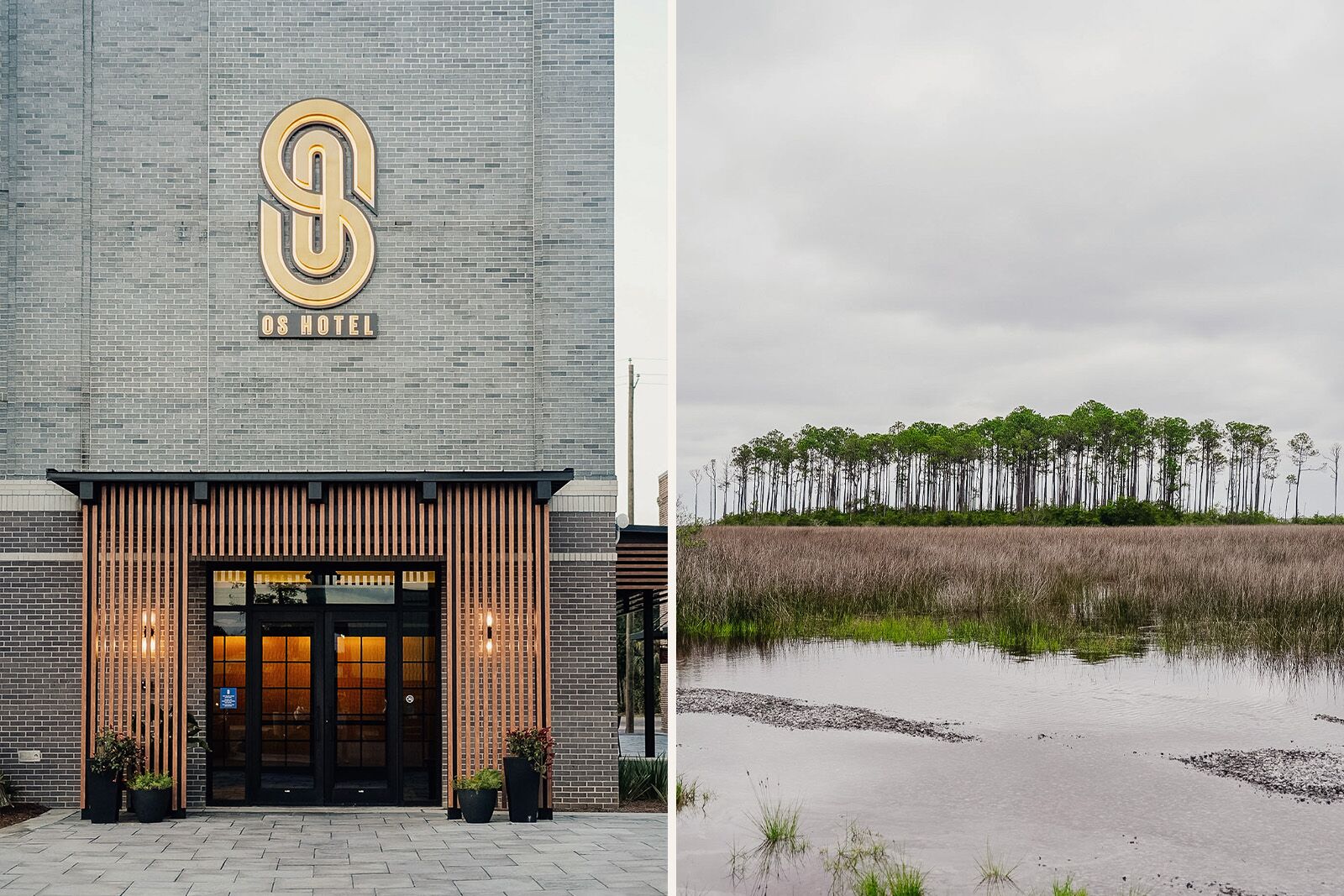
The journey begins in Ocean Springs, a town that wears its creative heart on its sleeve. After checking into the OS Hotel, a stay here puts you within walking distance of the Walter Anderson Museum of Art. Anderson, an artist whose work captured the very soul of the Gulf, painted the walls of the local community center, turning public space into a canvas of local history. Breakfast at The Traveler, located within the museum complex, provides the perfect fuel for a day of exploration.
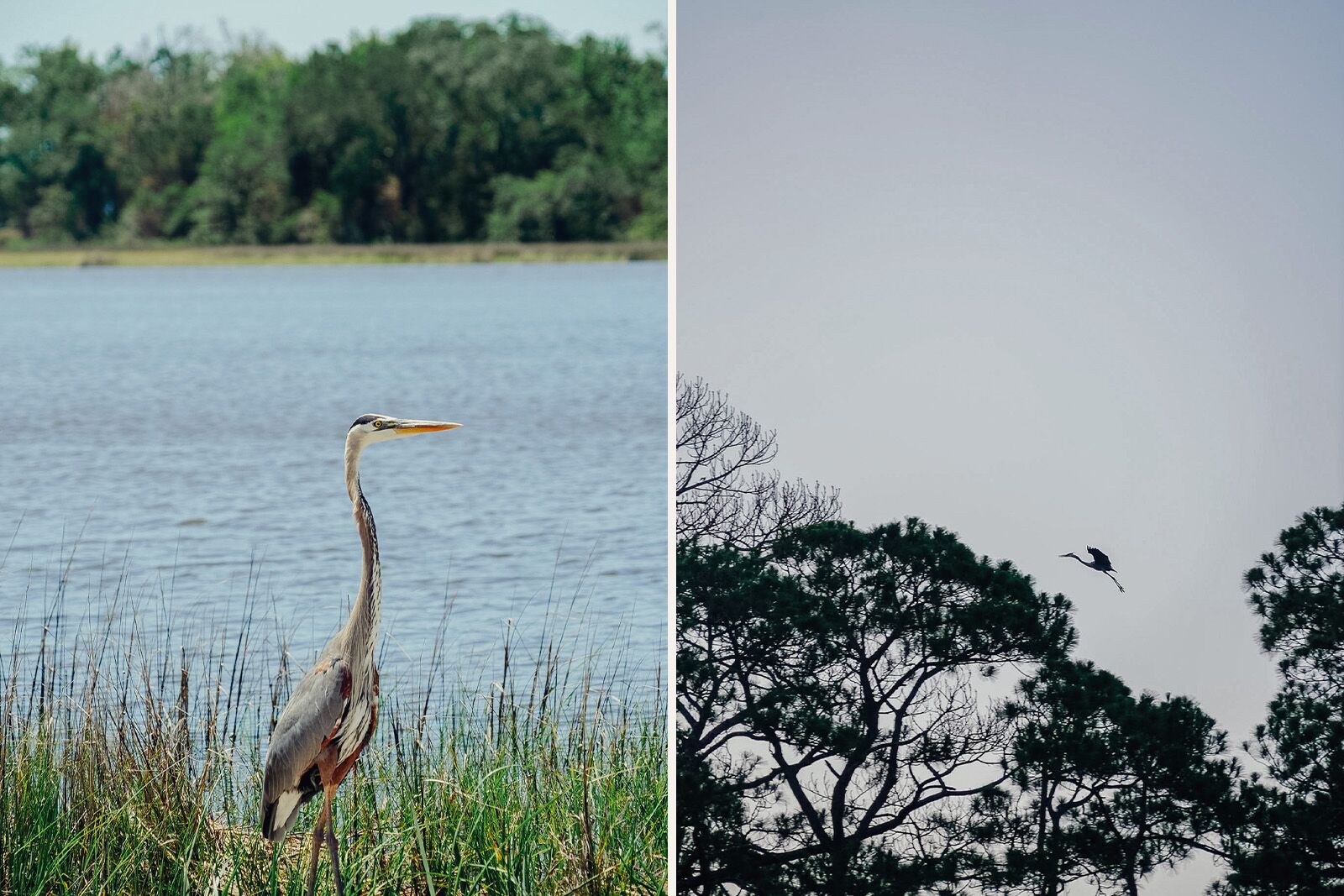
Mid-morning, the focus shifts from art to ecology. Heading to Moss Point, the Grand Bay NERR is an essential stop. This working research facility offers the public a glimpse into conservation science. Trails through pine savannas lead to boardwalks where birdwatchers can spot osprey, bald eagles, and great blue herons.
As the afternoon progresses, a visit to the Pascagoula River Audubon Center is mandatory. Here, the bayou environment takes center stage. Standing on the dock, one feels the immediate proximity of the river’s avian residents. For lunch, travel to the neighboring town of Pascagoula. Grab a meal and head to Riverfront Park to eat along the banks of the Pascagoula River. Alternatively, the Chandeleur Depot Brewpub offers a unique dining experience within a restored train depot.
The day concludes back in Ocean Springs at Maringouin, a boutique restaurant at The Roost. Chef Lauren Joffrion’s menu—highlighted by a bouillabaisse featuring local shrimp and redfish in a tomato-gochujang broth—is a masterclass in blending Gulf-fresh ingredients with international techniques.
Day 2: The Singing River and Rare Avian Life
The second day starts at dawn on Harbor Road. It is here that the shrimp and oyster boats anchor, and the tops of the pines serve as a roost for great blue herons. Watching these birds dance in the canopy provides a visceral connection to the land that inspired Anderson’s own work.
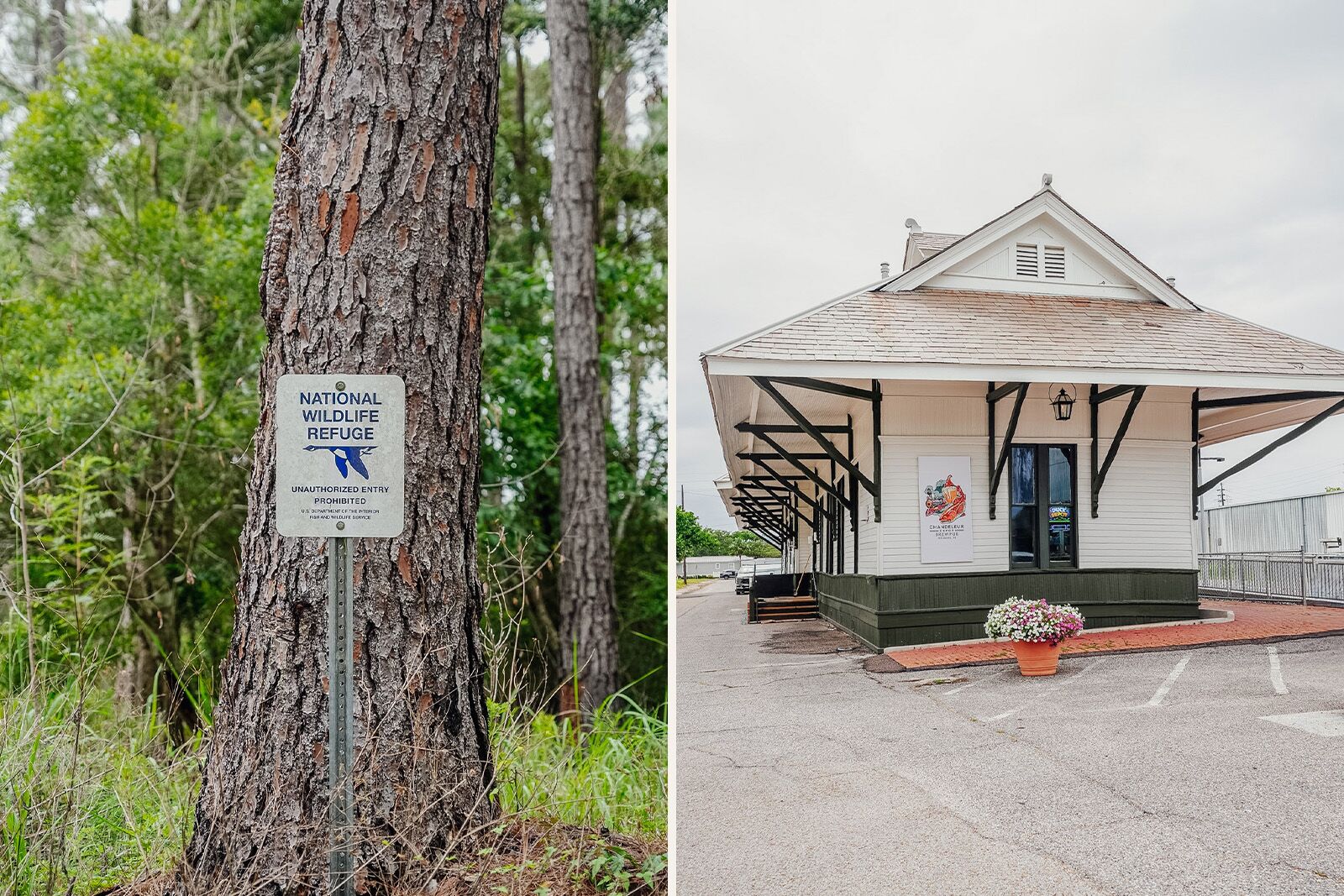
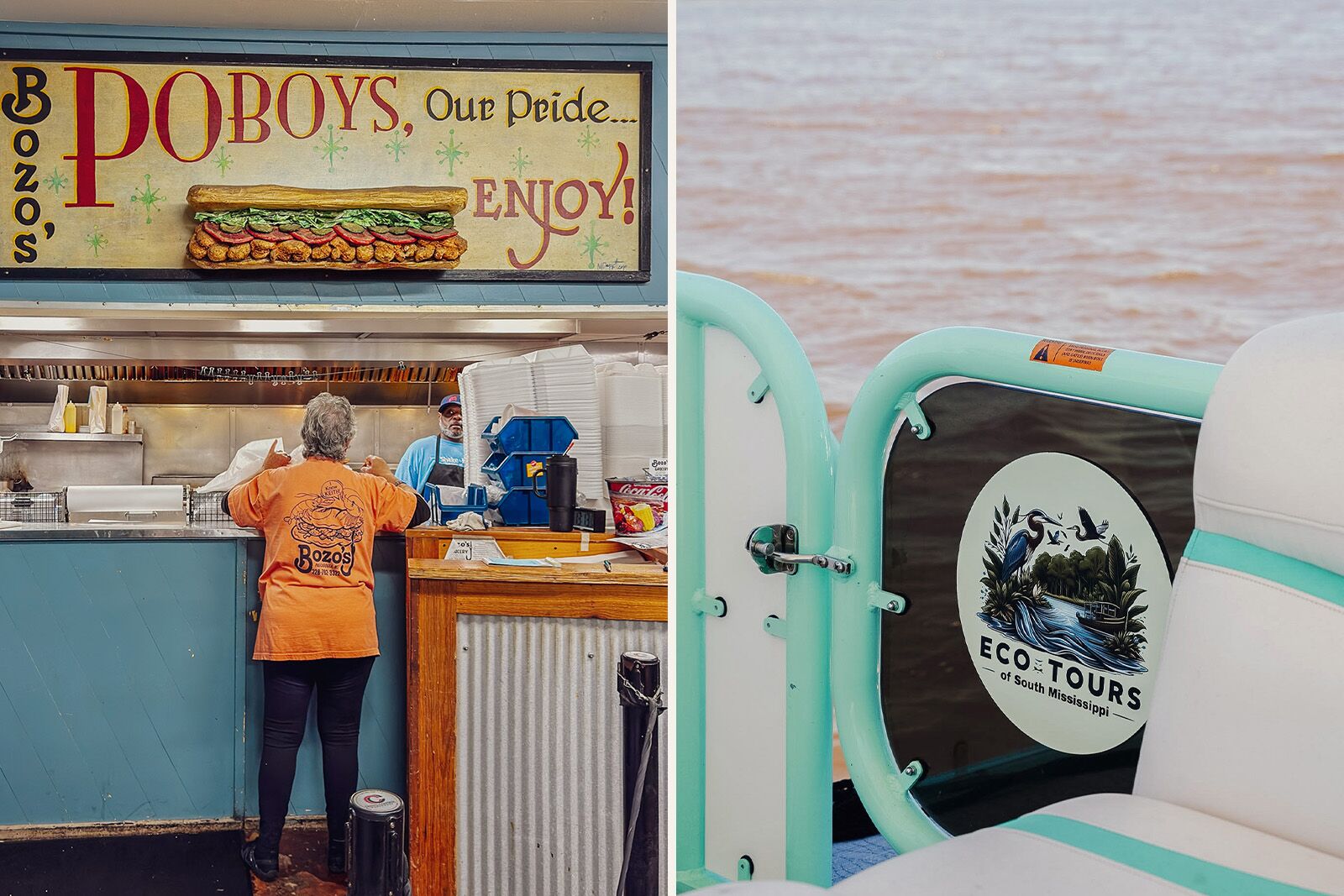
Following a quick matcha and bacon biscuit at The Traveler, the journey continues to the Mississippi Sandhill Crane National Wildlife Refuge. These cranes, which do not migrate, are a symbol of the region’s conservation success. After a hike through the refuge, which features carnivorous pitcher plants and native wildflowers, lunch at Bozo’s Seafood Market offers a classic Gulf po’boy experience.
The afternoon is dedicated to the water. Captain Kendall Smith of Eco Tours of South Mississippi leads excursions into the bayous of the Pascagoula, or the "Singing River," as it is known to the Pascagoula people. The two-hour boat trip offers a narrated deep dive into the swamp’s biodiversity. Dinner is best enjoyed at 701 Craft, where the deck overlooks the bayou, allowing for one final evening of wildlife observation.
Day 3: A Final Walk Among the Ancients
Before departing, a final stop at the Twelve Oaks Nature Preserve provides a serene conclusion to the trip. This three-acre site, hidden behind a nondescript gravel road, is home to live oaks dating back 400 years. Trees like "Charity" and "Faith" have stood since before the Civil War, offering a quiet, shaded sanctuary that feels miles away from the modern world.
Supporting Data: The Conservation Landscape
The ecological health of the Mississippi Gulf Coast is maintained through rigorous data collection. At the Grand Bay NERR, researchers track everything from caterpillar varieties to water salinity, providing essential data for climate resiliency. The Mississippi Sandhill Crane refuge is perhaps the most striking example of successful intervention; the population had plummeted to a precarious 30 individuals by 1975. Through intensive captive-rearing programs, that number has grown to approximately 200 today, with 90 percent of the current population having been raised in captivity before being released into the wild.
Official Responses and Conservation Strategy
The U.S. Fish and Wildlife Service, alongside local Audubon chapters and university research programs, emphasizes that the region’s value lies in its "unfragmented" landscape. Protecting the corridors between the pine savannas and the marshlands is a stated priority. As stated by local conservation experts, the "Singing River" is not merely a geographic feature but a vital artery that, if kept free-flowing, supports the entire coastal food chain, from the smallest marsh invertebrates to the apex avian predators.
Implications for Sustainable Tourism
The growth of interest in the Mississippi Gulf Coast carries significant implications for regional development. By focusing on low-impact activities—such as kayaking, birding, and visiting established research centers—the tourism industry here avoids the pitfalls of over-development.
The "waste-not, want-not" philosophy observed at venues like The Roost (where oyster shells are repurposed) and the reliance on local, seasonal seafood suggests a model for tourism that benefits both the visitor and the local ecology. For the traveler, the implication is clear: the Mississippi Gulf Coast is not a place to be merely "seen," but a place to be understood through its rhythms, its history, and its delicate, ongoing recovery. By respecting these natural boundaries, visitors ensure that the herons continue to dance in the pines and the river continues to sing.
 Nana Wu
  Jia Lissa
  Evan Lee Salim