
 By Nana Wu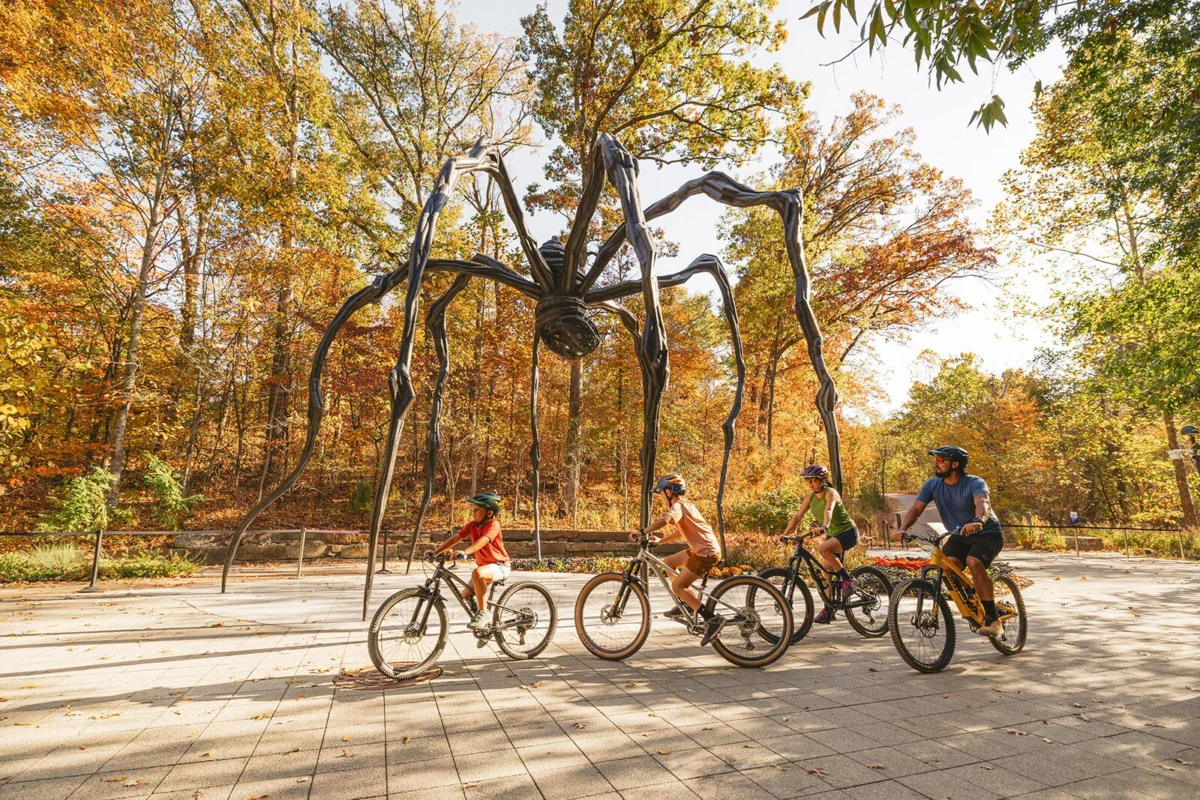
Main Facts: A Convergence of Nature and Culture
Northwest Arkansas (NWA) has undergone a metamorphosis that defies the conventional expectations of the American Midwest. At the heart of this transformation is a symbiotic relationship between the untamed, rugged beauty of the Buffalo National River and the hyper-modern, culturally sophisticated hub of Bentonville.
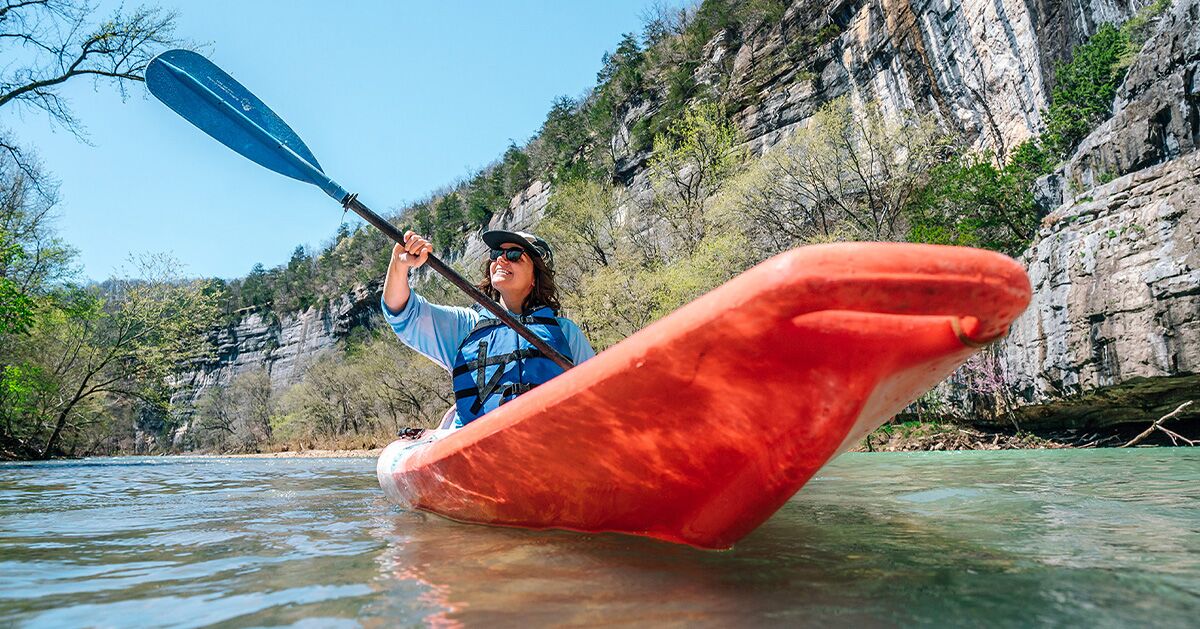
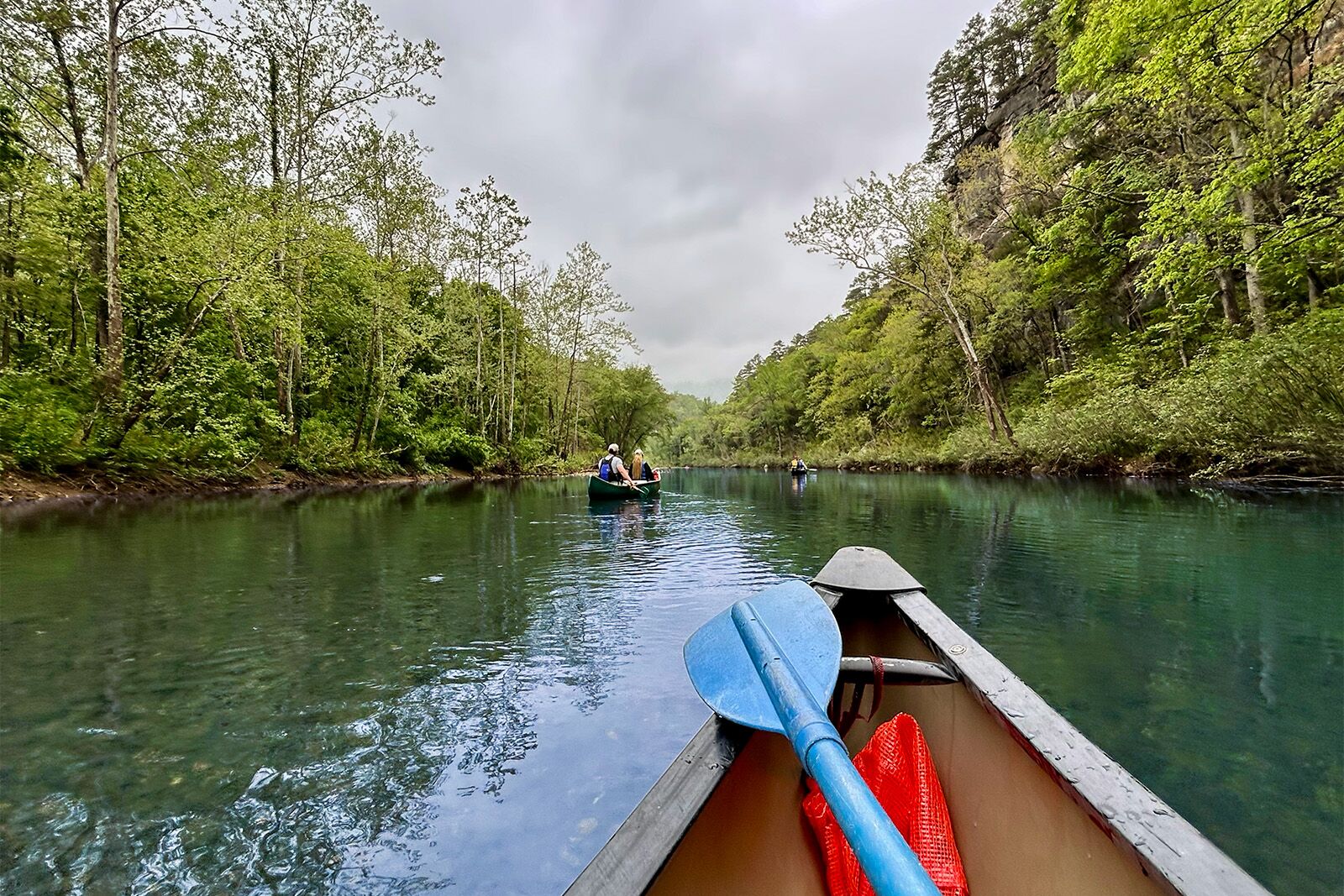
The Buffalo National River, the first of its kind in the United States, remains a sanctuary for biodiversity. Spanning over 95,000 acres, it serves as a living museum of geological history, featuring limestone and sandstone bluffs that have been meticulously carved by the river’s currents over millions of years. Home to elk herds and over 250 species of birds, the river represents a triumph of conservation.
Bentonville, once known primarily as the corporate headquarters of Walmart, has pivoted to become a world-class destination for art, cycling, and gastronomy. With the recent opening of The Compton Hotel and a massive expansion at the Crystal Bridges Museum of American Art, the city has solidified its reputation as an intellectual and recreational powerhouse in the Ozarks.
Chronology: From Conservation Battle to Cultural Epicenter
The trajectory of the region is defined by two major historical pillars: the fight to save the river and the investment in regional infrastructure.
- 1962: Dr. Neil Compton founds the Ozark Society, a pivotal moment in American conservation. His goal was to oppose the U.S. Army Corps of Engineers’ proposal to dam the Buffalo River.
- 1972: After a decade of tireless advocacy, President Richard Nixon signs the Act of Congress designating the Buffalo as the country’s first National River. This ensured the waterway remained one of the few undammed, free-flowing rivers in the Lower 48.
- 2011: Crystal Bridges Museum of American Art opens, signaling a shift in Bentonville’s identity toward a destination for high-end cultural tourism.
- 2022: The USA Cycling National Mountain Bike Team selects Bentonville as its official home, cementing the region’s status as the “Mountain Biking Capital of the World.”
- 2025: The Compton Hotel opens, named in honor of Dr. Neil Compton, effectively bridging the gap between Bentonville’s heritage and its future as a luxury travel destination.
- 2026: Crystal Bridges unveils a 114,000-square-foot expansion, featuring state-of-the-art galleries and digital installations by artists like Refik Anadol.
Supporting Data: Biodiversity and Infrastructure
The region’s appeal is backed by impressive metrics that quantify both its natural wealth and its recreational capacity:
Biodiversity:
The Buffalo National River ecosystem supports more than 50 mammal species. Birdwatchers frequently utilize tools like the Merlin app to track avian life, with 250 species recorded in the corridor. The preservation of this landscape has kept the waters pristine, free from the pollution often associated with industrialized rivers.
Recreational Infrastructure:
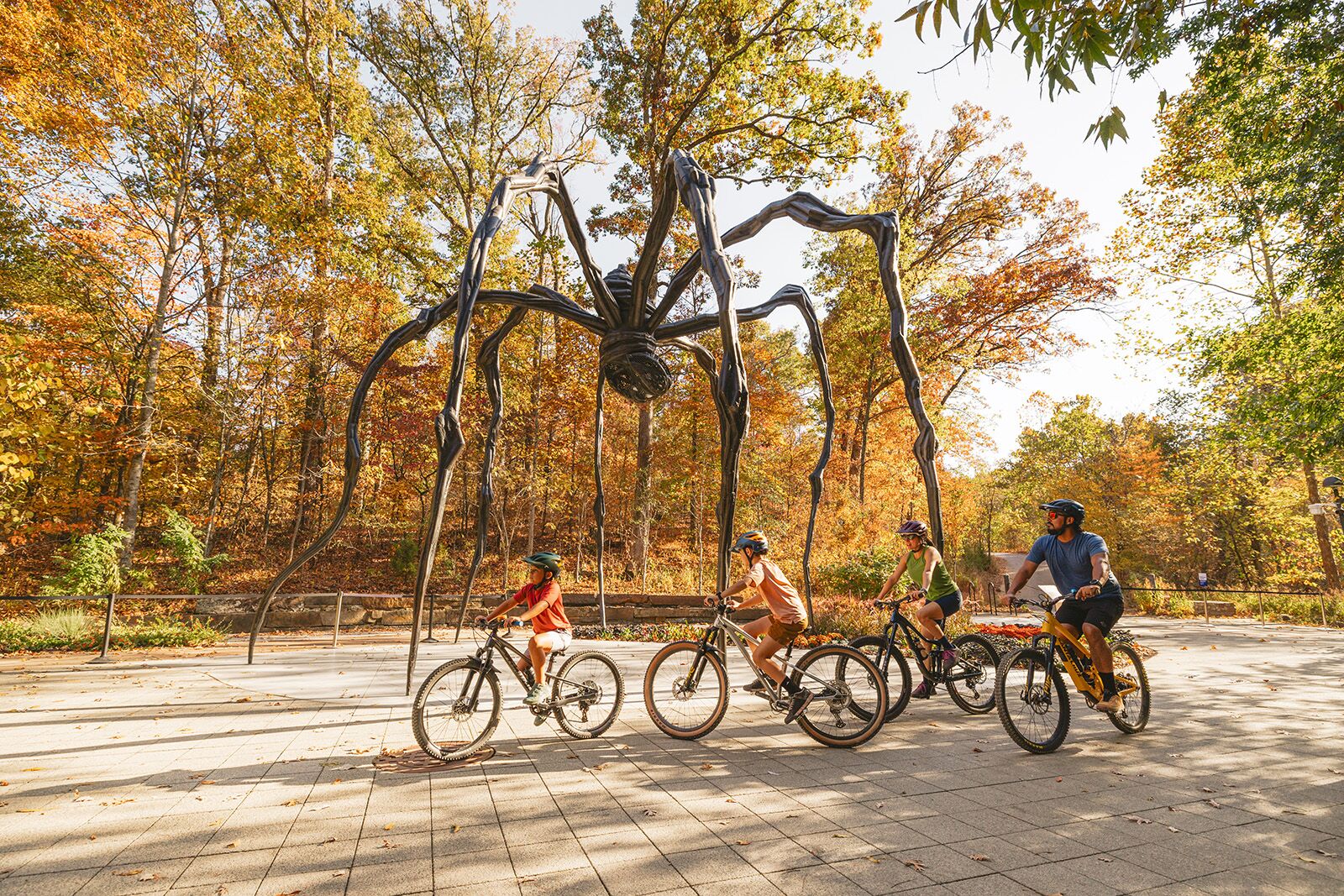
Bentonville currently boasts 80 miles of interconnected city trails that feed into a larger, regional network of over 500 miles. This includes the new 200-acre OZ Trails Bike Park, which offers 30 distinct trails and modern ski-style chairlifts for accessibility.
Cultural Investment:
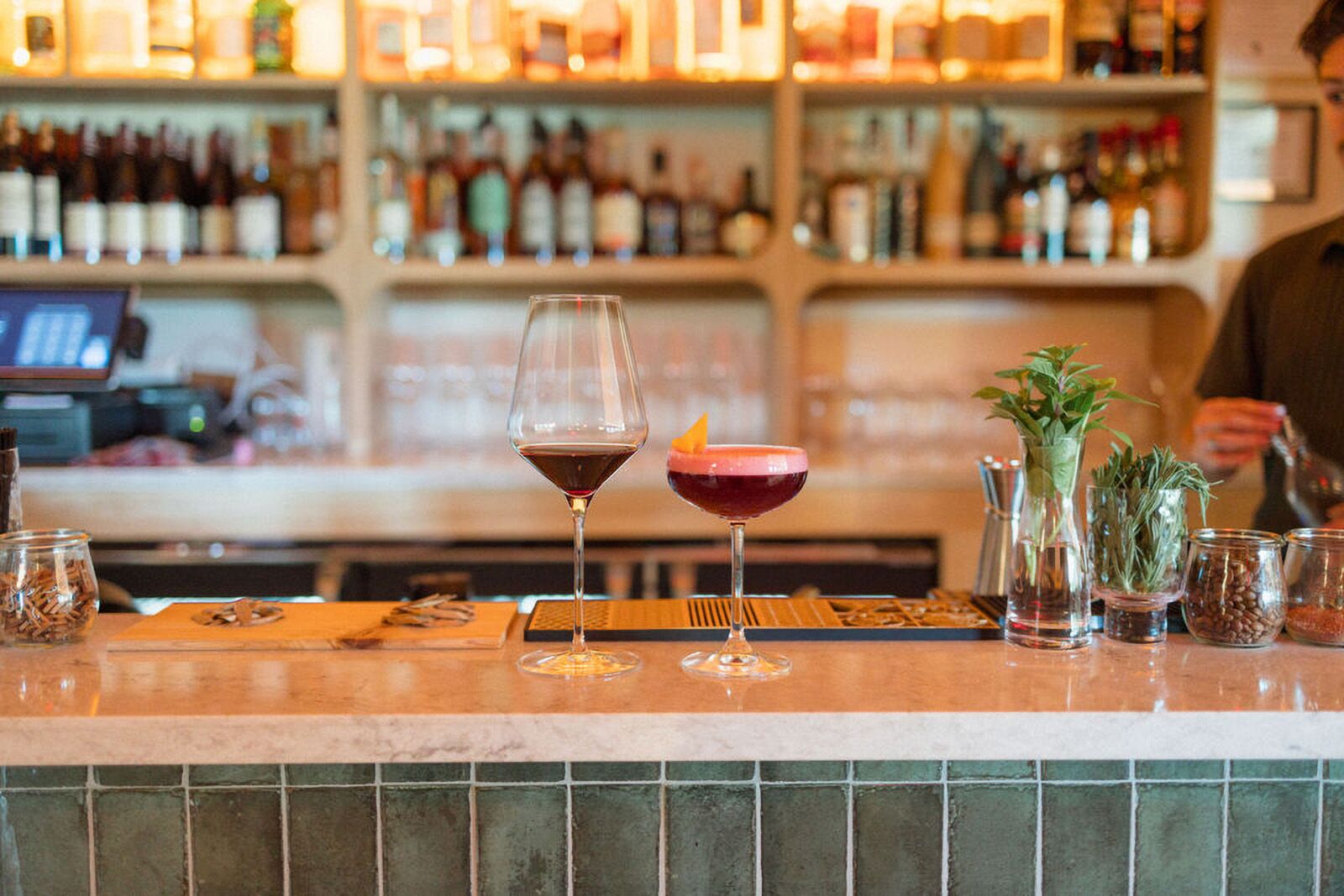
The Crystal Bridges expansion has added significant space for contemporary American art. The museum’s “America 250: Common Threads” exhibition serves as a centerpiece for civic engagement. Furthermore, the local culinary scene has achieved national recognition, with multiple James Beard Award nominations for chefs like Matthew Cooper and Rafael Rios.
Official Responses and Perspectives
The synergy between local developers and environmentalists is perhaps best captured in the design philosophy of the region’s newest accommodations. At The Compton Hotel, the integration of “Fragile Future” light sculptures—featuring real dandelion seeds—acts as a metaphor for the area’s mission: protecting delicate ecosystems while fostering innovation.
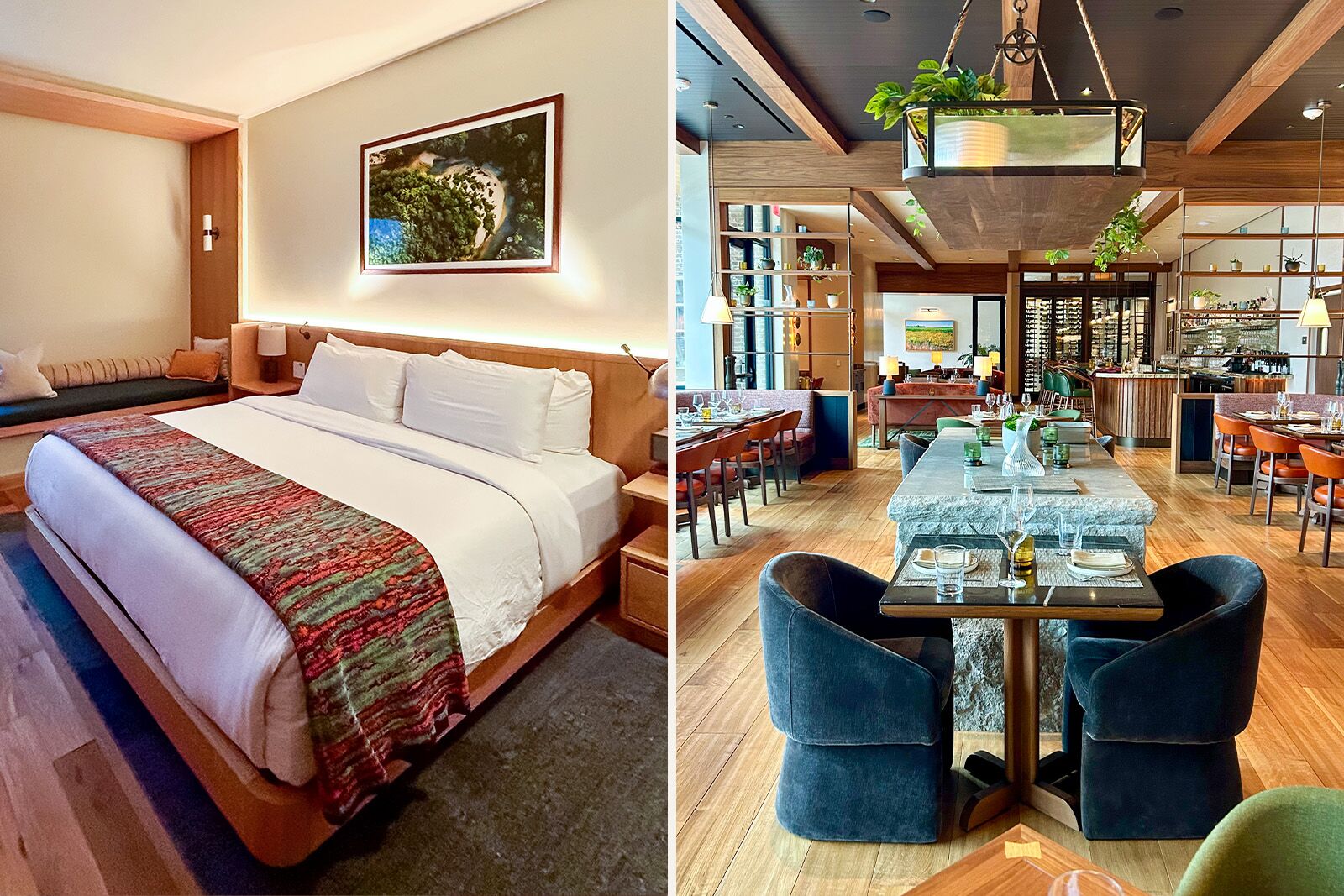
Local hospitality leaders emphasize that the “Cycling Concierge” services and bike-valet amenities at The Compton are not merely perks; they are essential infrastructure for a population that views movement as a way of life. Chef Matthew Cooper, reflecting on his work at Conifer and Ryn, notes that the success of the NWA food scene is rooted in the same soil as the conservation efforts: "We are exploring the landscape through our ingredients, honoring the same Ozark geography that the hikers and bikers are exploring in the woods."
Implications: A Model for Sustainable Tourism
The evolution of Northwest Arkansas carries significant implications for regional development across the United States. It provides a blueprint for how mid-sized cities can revitalize their economies without sacrificing their natural heritage.
The Economic Shift
By diversifying away from a singular industrial focus, Bentonville has created a "virtuous cycle." The presence of world-class art and trails attracts high-skilled talent, which in turn supports a sophisticated dining and hospitality industry. This growth has not resulted in the erasure of history, but rather its elevation. The protection of the Buffalo River serves as the "anchor" for this growth; it is the reason people come to visit, but the cultural infrastructure is why they choose to stay.
Environmental Stewardship as a Brand
Unlike many tourist hubs that suffer from over-development, the NWA model treats conservation as a brand asset. The absence of litter and the meticulous maintenance of the Buffalo River are viewed as hallmarks of a premium experience. As the region continues to grow, the challenge will be maintaining this balance. The investment in the OZ Trails system and the strict preservation of the river corridor suggest that the local leadership recognizes that the region’s future value is tied directly to the health of its natural resources.
The Future of Civic Participation
Through exhibitions like "America 250," the cultural institutions in Bentonville are attempting to broaden their reach. By examining the Declaration of Independence alongside regional artifacts and photographs, the museum is positioning itself as a hub for national discourse. This shift toward "civic-minded tourism" invites travelers to participate in the ongoing story of the American Ozarks, rather than simply consuming it as a static product.
Conclusion: Making the Trip Happen
Whether you are a professional mountain biker, a fan of contemporary digital art, or a traveler seeking the quiet, cool waters of the Buffalo, Northwest Arkansas offers a rare synthesis of experiences.
Logistics for the Modern Explorer:
- Arrival: Northwest Arkansas National Airport (XNA) offers seamless connectivity to over 20 major cities.
- The Buffalo Experience: For those looking to explore the river, guided floats through 37 North Expeditions are the gold standard, providing the necessary logistics and expertise to safely navigate the Upper Buffalo.
- Bentonville Basecamp: Staying in the downtown area allows for immediate access to the trail network and major museums. The Compton Hotel serves as a central touchstone for those wanting to immerse themselves in the Ozark-inspired aesthetic.
As Northwest Arkansas moves further into the 21st century, it stands as a testament to the idea that progress does not have to come at the expense of the wilderness. By honoring the vision of figures like Dr. Neil Compton, the region has secured a future where the river, the trails, and the art galleries exist in harmony—a destination that is as much about the spirit of discovery as it is about the destination itself.
 Jia Lissa
  Evan Lee Salim