
 By Nana Wu
In a move that signals a significant turning point for global travel, the Japanese government has officially authorized a fivefold increase in visa fees for foreign nationals. The decision, ratified by Japan’s Cabinet on June 19, marks the first time these administrative costs have been adjusted since 1978. As the country grapples with the dual pressures of post-pandemic tourism surges and the economic realities of a weakened yen, the new fee structure represents a bold, if controversial, effort to monetize inbound travel and fund national infrastructure.
For the average traveler, the change may be invisible, but for those requiring formal entry documentation, the financial impact is substantial. Starting July 1, the cost of a single-entry visa will leap from ¥3,000 to ¥15,000 (roughly $30 to $90), while multiple-entry visas will jump from ¥6,000 to ¥30,000 (roughly $37 to $85).
A Chronology of Change: From Stagnation to Reform
To understand the weight of this decision, one must look at the historical context. For nearly 50 years, Japan’s visa pricing remained frozen, reflecting an era when international tourism was vastly different in scope and scale. The 1978 fee structure was a relic of a pre-digital, pre-globalized world.
The path to this increase began in earnest following the full reopening of Japan’s borders after the pandemic. As visitor numbers rebounded with record-breaking velocity, local municipalities—particularly in hotspots like Kyoto and Tokyo—began reporting severe strain on public services, sanitation, and transportation.
- January 2019: Japan introduces the International Tourist Tax, a ¥1,000 surcharge per departure, setting the precedent for "user-pays" tourism policies.
- Early 2026: Growing concerns over "overtourism" reach a fever pitch, with municipal governments lobbying the central government for more aggressive revenue-collection tools.
- June 19, 2026: The Japanese Cabinet formally approves the 500% hike in visa fees, citing inflationary pressures and the need to subsidize administrative overhead.
- July 1, 2026: The new fee structure officially takes effect for all applications submitted to Japanese embassies and consulates globally.
The Economic Rationale: Why Now?
Foreign Minister Toshimitsu Motegi framed the hike as a necessary response to the "historically weak yen." While a soft currency has made Japan an exceptionally affordable destination for international travelers, it has created a revenue gap for the government. The costs of processing visas—which involve significant labor, digital security, and diplomatic coordination—have risen steadily due to global inflation, yet the fees remained at 1970s levels.

Beyond administrative costs, the revenue is earmarked for a broader national agenda. The government projects that these new fees will generate approximately ¥116.1 billion ($718 million) in the 2026 fiscal year alone. The legislative framework dictates that 60 percent of this revenue will be funneled directly into "overtourism countermeasures," such as improved crowd management, digital signage, and environmental preservation in popular sites. The remaining 40 percent is designated for national investment in education and infrastructure, ensuring that the legacy of tourism benefits the local populace rather than solely the hospitality sector.
Who Is Affected? The Divide Between Visa-Exempt and Visa-Required
One of the most critical aspects of this policy is its uneven application. It is vital to note that this change does not affect citizens of the 74 visa-exempt nations—a list that includes the United States, the United Kingdom, Canada, Australia, and the majority of the European Union.
For travelers from these nations, the status quo remains unchanged: they can enter Japan for up to 90 days for tourism, business meetings, or family visits without paying a visa fee or navigating complex paperwork. However, this exemption is strictly limited to tourism and short-term business.
The financial sting will be felt primarily by citizens of countries that require a visa for entry, including several nations in the Middle East, Africa, and parts of Asia. Notably, China—one of Japan’s most significant inbound markets with over 1.7 million arrivals in the first five months of 2026—will be hit hardest. Furthermore, even citizens from visa-exempt countries are not immune if their purpose of travel shifts. A student from the U.S. enrolling in a Japanese university or a Canadian national arriving to take up a teaching post will now be subject to the new, higher visa fees.
The Municipal Layer: Kyoto’s Tax Revolution
While the central government has focused on visa fees, the city of Kyoto has taken an even more radical approach. Faced with the brunt of Japan’s tourism explosion, Kyoto has overhauled its local hotel tax.

Previously, the tax was a flat, nominal fee. Today, it is tiered based on the nightly room rate. Guests staying at the city’s most luxurious hotels may now pay up to ¥10,000 in taxes per night. This represents a tenfold increase over the previous top rate. This localized "luxury tax" model suggests a future where Japan’s most sought-after cities might increasingly move toward high-barrier entry policies to curb mass tourism and preserve the local quality of life.
A Global Trend: Are We Entering the Era of High-Cost Tourism?
Japan is by no means an outlier. Globally, tourism-dependent nations are reconsidering their revenue models.
Venice, Italy, which made international headlines by becoming the first city to charge day-trippers an entry fee, is currently engaged in intense political debates regarding further increases. Mayor Simone Venturini has argued that the current €5 to €10 fee is insufficient to act as a deterrent, noting that over 500,000 visitors paid the fee in 2025 alone. The proposal to drastically increase this cost reflects a growing consensus among historic cities: if you cannot stop the flow of tourists, you must at least make that flow profitable enough to sustain the city’s survival.
When comparing Japan’s new fees to the rest of the G7, the picture becomes clearer. Even with the 500% increase, Japan is arguably just "catching up" to its peers:
- United States: Maintains a rigorous and expensive tourist visa process costing approximately $185.
- Canada: Charges CAD $100 (approx. $70) for visitor visas.
- European Union: The upcoming ETIAS (European Travel Information and Authorization System) will charge €20 ($23) for a simplified authorization.
- New Zealand: Operates an "International Visitor Conservation and Tourism Levy" of NZD $100 ($57).
The Implications for Travelers and the Industry
Will these fees deter travelers? For the high-end tourist, the answer is almost certainly no. A $60 increase on a $3,000 trip is statistically negligible. However, for the "cost-sensitive" segment of the market—backpackers, students, and budget-conscious families—the landscape is shifting.
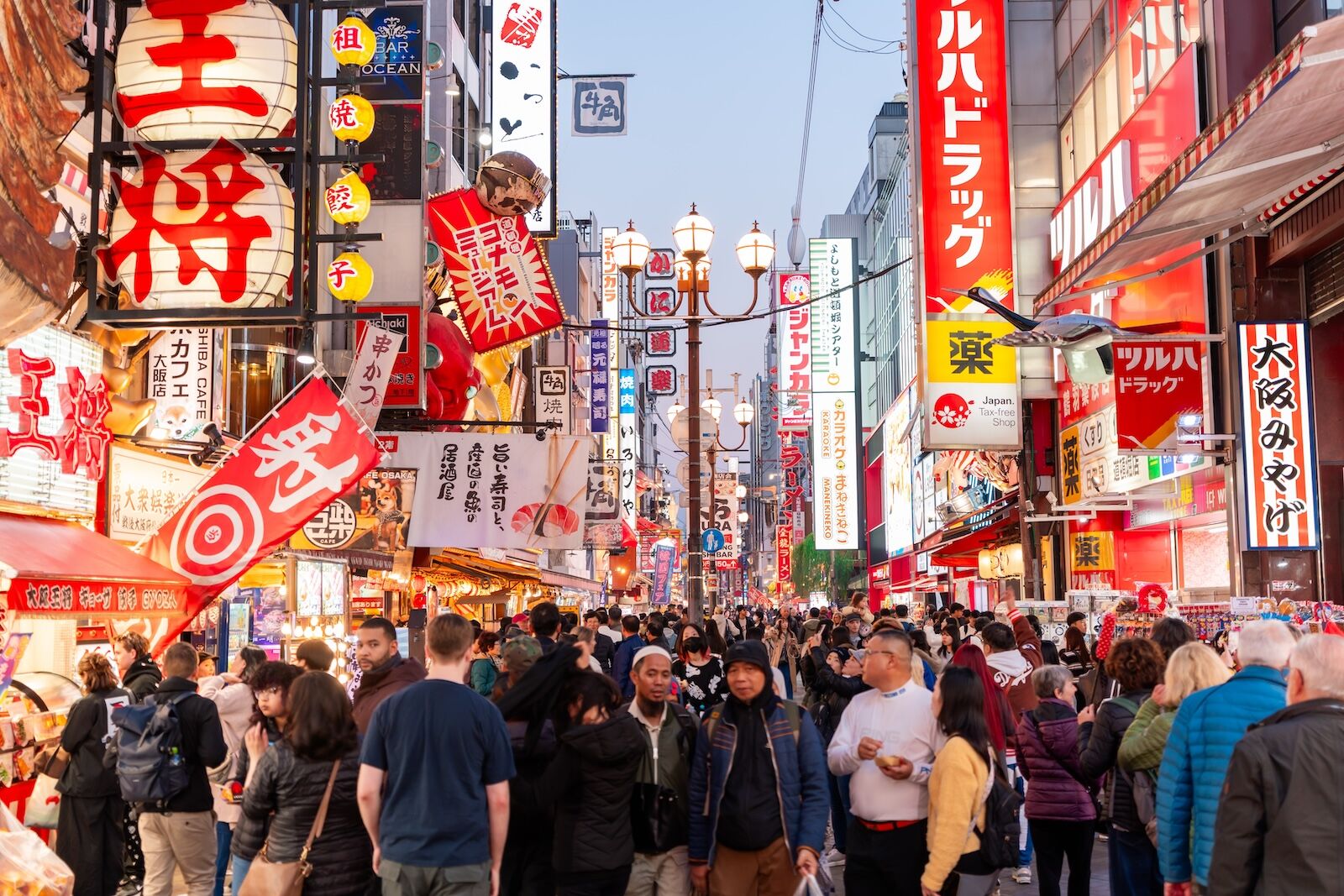
Potential travelers may now weigh the total cost of a Japanese vacation against increasingly competitive regional rivals. Destinations like South Korea, Thailand, Vietnam, Malaysia, and Singapore offer compelling cultural experiences, often at a lower total price point. If Japan’s reputation as an "accessible" destination is challenged by these new fees, it may lead to a redistribution of tourism flow within the Asian continent.
Conclusion: A Delicate Balance
Japan is currently navigating the "double-edged sword" of global popularity. The country’s cultural allure is stronger than ever, but the infrastructure required to host millions of visitors is reaching its breaking point.
The 500% visa fee hike is a strategic attempt to manage this tension. By filtering the cost of tourism through both national visa policies and aggressive municipal hotel taxes, Japan is signaling that it is no longer interested in "volume at any cost." Instead, the nation is pivoting toward a high-value, sustainable tourism model. Whether this will successfully fund the necessary infrastructure improvements or merely price out the next generation of travelers remains to be seen. For now, the message to the world is clear: Japan is open for business, but the price of entry has changed.
 Layla Zulfa
  Lina Irawan
  Nana
Nana 