
 By Nana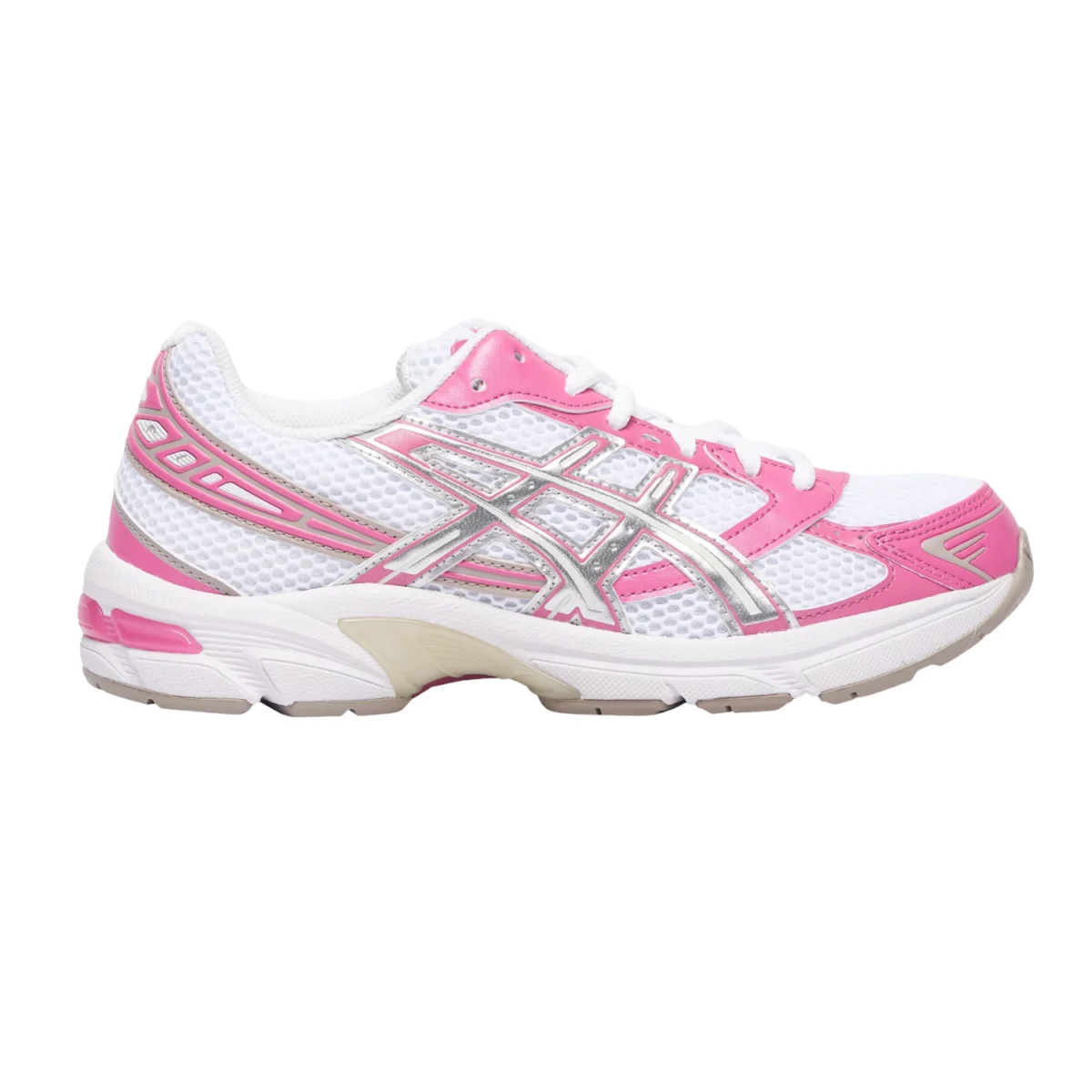
For decades, the sneaker occupied a strictly utilitarian space. It was a tool—a piece of performance equipment designed for the track, the court, or the field. However, in the contemporary landscape, the sneaker has transcended its sporting origins to become the undisputed cornerstone of global sartorial expression. As we look toward the fall of 2026, the industry is witnessing a definitive "retro-renaissance," where the silhouettes of the past are being infused with the cutting-edge comfort technology of the present.
The Evolution of the Sneaker: From Track to Trend
The trajectory of the sneaker as a fashion staple gained significant momentum in the 1950s. This was a period defined by a shift in societal norms; as school dress codes relaxed and the post-war culture embraced a newfound appetite for leisure, rubber-soled footwear migrated from the running track to the city sidewalk.

Hollywood played an instrumental role in this cultural transition. In 1952, the legendary Marilyn Monroe was captured on the set of Clash by Night wearing classic canvas Keds, an image that effectively dismantled the notion that sneakers were solely for the athletic elite. Three years later, James Dean solidified the aesthetic appeal of the sneaker in a candid photograph on the set of Giant, where he was seen sporting Jack Purcell tennis shoes. These moments were not merely coincidences; they were the catalysts that transformed the sneaker from a piece of gear into a symbol of effortless, off-duty cool.
Chronology of a Silhouette: Decades of Design
The current obsession with retro-inspired footwear is a multi-generational love letter to design history. Our analysis of the market reveals seven standout models that bridge the gap between distinct eras:

- The 1970s Influence: Defined by streamlined profiles and minimalist suede detailing, the 1970s aesthetic focused on functional elegance. Modern iterations of this era, such as the Brooks Vanguard, utilize contemporary midsole technology like DNA Loft to provide comfort that the original 1976 version could only dream of.
- The Y2K Explosion: The early 2000s are now officially being treated as "vintage." This era brought us metallic finishes, translucent cages, and chunky, expressive foam midsoles. Shoes like the Nike V5 RNR and the Asics Gel-1130 perfectly encapsulate this period, blending reflective accents with the high-performance stability systems that defined the aughts.
- The 2010s Revival: As noted by brands like Salomon, the 2010s have entered the retro cycle. The XT-Whisper, with its layered, mixed-media upper and aggressive, trail-ready lugs, reflects the decade’s preoccupation with "gorpcore"—a movement that blurred the lines between outdoor utility and high fashion.
The Engineering Challenge: Style Meets Substance
The primary challenge for today’s footwear designers is a delicate balancing act: how to recreate the visual nostalgia of a bygone era without sacrificing the cushioning, structural support, and ergonomic performance required by the modern consumer.
Modern shoppers are no longer willing to trade physical comfort for aesthetics. Consequently, brands are increasingly utilizing "stealth technology." This involves placing high-density EVA foam, Gel-based shock absorption, and sophisticated Trusstic support systems inside heritage-inspired shells. For example, the New Balance Made in UK 991v2 maintains a classic, burnt-orange suede aesthetic, yet it hides a full-length midsole cushioning system that provides a significantly higher level of impact protection than the sneakers of the mid-20th century.

Market Analysis: Why These Models Matter
The demand for these "retro-hybrids" is driven by a broader trend in the fashion industry: the desire for durability and versatility. As consumers move away from "fast fashion" and toward items that can transition from a morning commute to a weekend social engagement, the retro-inspired running shoe has emerged as the ultimate "all-day" sneaker.
Data suggests that the market for retro-inspired athletic footwear is expected to grow steadily through 2027. This is fueled by the rise of "errand-wear"—a styling approach that prioritizes comfort without appearing unpolished. The versatility of a sneaker like the New Balance 530, which can be paired with anything from high-performance workout gear to oversized tailoring and faux-fur coats, illustrates why these models have become essential assets in the modern wardrobe.

Expert Insights and Styling Directives
To style these pieces effectively, experts suggest leaning into the juxtaposition of the shoe’s aesthetic. A pair of chunky, Y2K-inspired runners should be balanced with sleek, form-fitting silhouettes—such as a cami bodysuit or slim-fit denim—to prevent the outfit from feeling visually overwhelming. Conversely, more streamlined 1970s-style runners pair exceptionally well with wider-leg trousers, allowing for a balanced, architectural silhouette.
Recommended Selects for Fall 2026:
- New Balance Made in UK 991v2: The gold standard for those who value premium materials and long-lasting underfoot comfort.
- Salomon XT-Whisper: The definitive choice for the urban explorer who requires traction and a modern, sculptural look.
- Hoka Huaka Pro: Ideal for those who want a lightweight, airy feel with a nod to the vivid, graphic-heavy era of the early millennium.
- Brooks Vanguard: A heritage piece for the purist who appreciates the history of the 1970s running boom.
- Asics Gel-1130: A performance powerhouse that proves Y2K-inspired aesthetics can be as stable as they are stylish.
- Nike V5 RNR: Perfect for those seeking ankle support and that iconic, metallic-accented activewear look.
- New Balance 530: A perennial favorite for those who need a wide, supportive fit that accommodates orthotics and transitions across diverse environments.
Implications for the Future of Footwear
As we look toward the future, the implications of this trend are clear: the barrier between "gym shoe" and "fashion shoe" has been permanently dissolved. Manufacturers are moving toward a model where every release, regardless of its primary marketing, must serve dual purposes.

This shift forces brands to invest more heavily in R&D, ensuring that even the most "fashion-forward" sneaker provides adequate arch support and impact absorption. Furthermore, the emphasis on sustainability—often realized through the use of recycled meshes and durable synthetic leathers—means that these retro-inspired models are not just stylistic choices, but increasingly responsible ones.
Conclusion: Investing in Your Steps
The resurgence of the retro running shoe is more than a fleeting fashion cycle; it is a reflection of a culture that values both its past and its comfort. Whether you are navigating the concrete jungle or engaging in a light weekend workout, the current crop of retro-inspired footwear offers the rare opportunity to indulge in nostalgia without compromising on the health of your feet. As these silhouettes continue to evolve, one thing remains certain: the best way to move forward is to look back, and occasionally, to walk in the shoes of those who paved the way.

Disclaimer: If you purchase an independently reviewed product or service through a link on our website, WWD may receive an affiliate commission. All editorial selections are made by our team of experts, maintaining the high standards of journalistic integrity established by Footwear News and WWD.
 Azzam Bilal Chamdy
  Evan Lee Salim
  Iffa Jayyana