
 By Laily UPN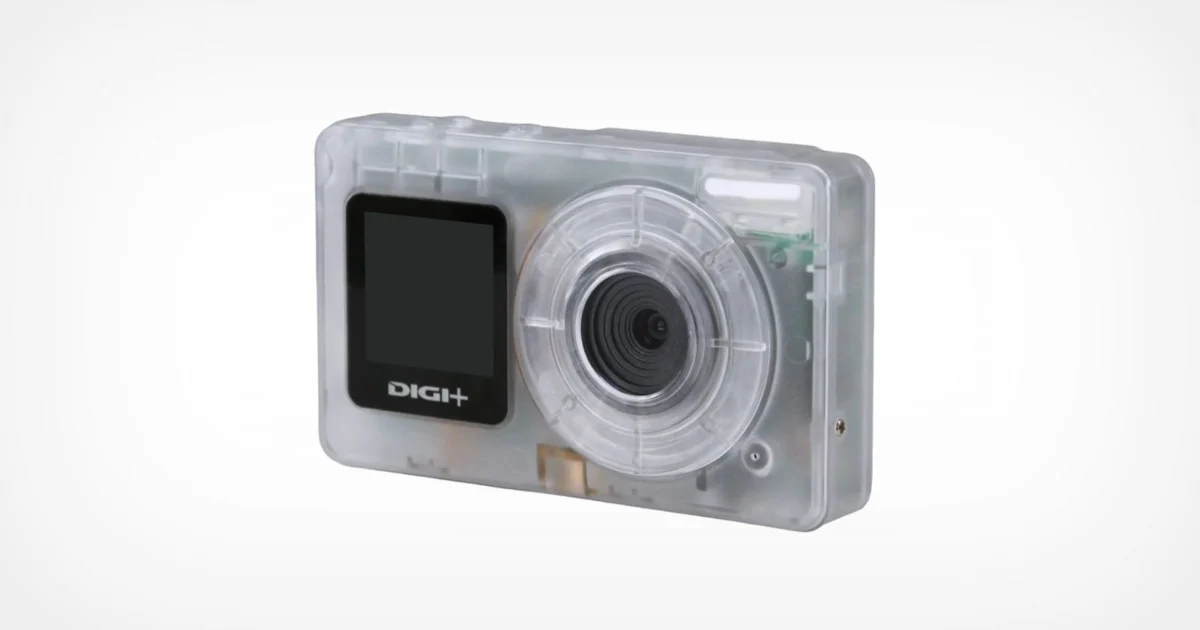
The digital camera market, once thought to be under terminal threat by the omnipotence of the smartphone, is undergoing a strange, nostalgic metamorphosis. In the latest development out of Japan, the DIGI+ Dual Display Digital Camera (DGP-DCM01) has arrived, blending the aesthetic sensibilities of the late 1990s with the functional necessities of the modern social media era. Priced at a point that challenges the cost of a high-end lunch, this device is less about technical perfection and more about the "vibe"—a recurring theme in the current renaissance of budget-friendly, retro-styled imaging hardware.
Main Facts: A Pocket-Sized Throwback
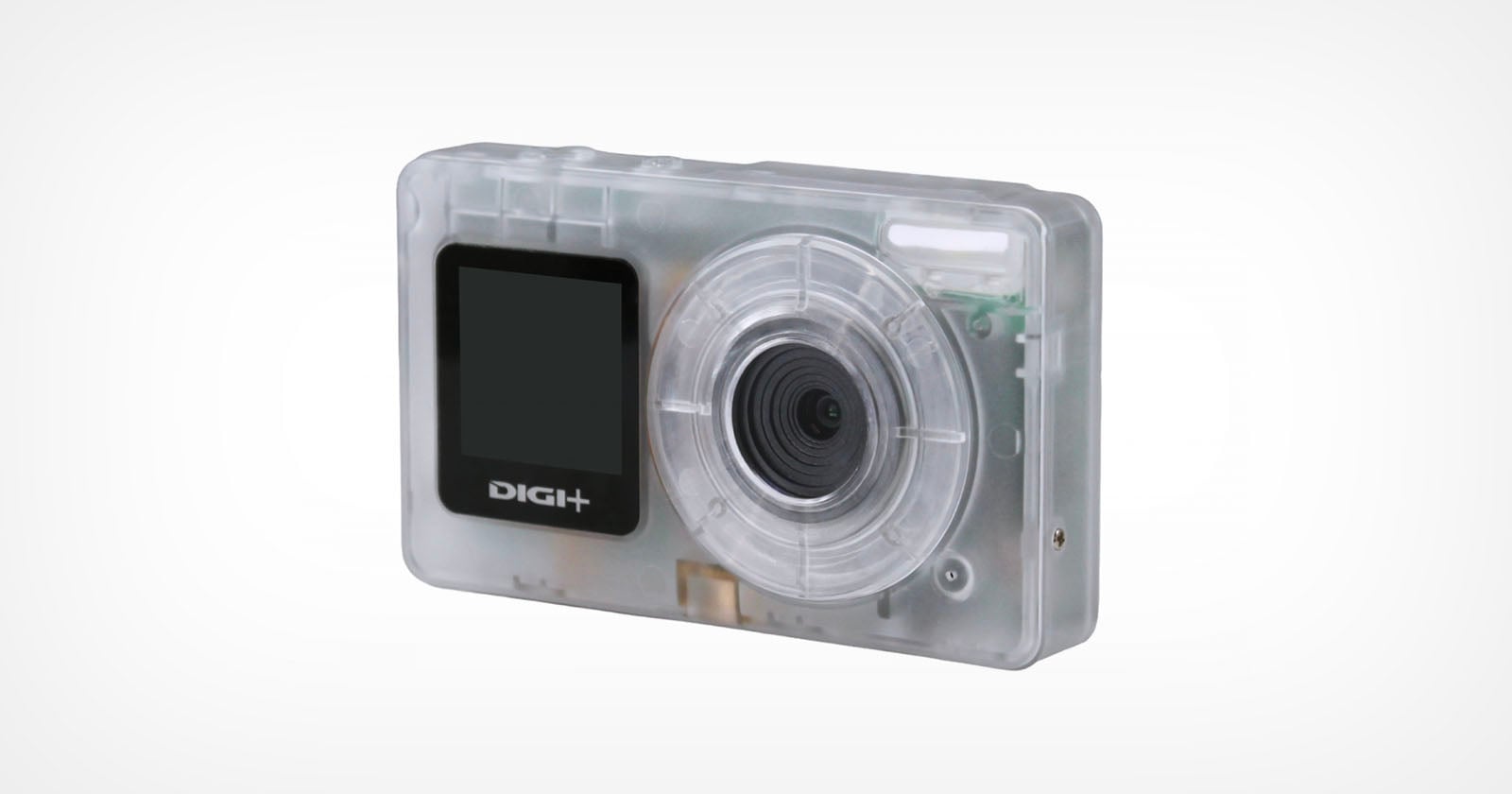
The DIGI+ DGP-DCM01 is a compact, 102-gram digital point-and-shoot that leans heavily into the translucent "Y2K" aesthetic. Its primary selling point—beyond its striking appearance—is a dual-display configuration. While a 2.4-inch rear screen handles the standard menu navigation and playback, the front of the camera features a dedicated 1.3-inch display.
This design choice, while rare in the sub-$50 category, serves a functional purpose for a generation obsessed with self-documentation: it allows users to frame selfies with precision, eliminating the guesswork that often plagues traditional point-and-shoots. Internally, however, the device is humble. It houses a 5-megapixel CMOS sensor, a resolution that might seem archaic by 2026 standards, paired with a 3.64mm lens that offers a 75-degree field of view—roughly equivalent to a 28mm lens on a full-frame sensor.
The Chronology of the "Vibe" Trend
The emergence of the DIGI+ is not an isolated event; it is the latest chapter in a broader movement that began to gain momentum in 2025.
- Late 2024: The market began seeing an influx of low-cost, generic "digicams" imported from overseas, fueled by social media trends on platforms like TikTok and Instagram, where creators sought the "imperfect" aesthetic of early 2000s digital photography.
- September 2025: The New York City-based lifestyle brand Manual launched the "Holo," a $95 camera that explicitly prioritized design and "vibes" over high-fidelity imaging. It set the stage for translucent hardware as a must-have fashion accessory.
- June 2026: Legacy brands began to pivot. Kodak’s "Charmera" Millennium Edition launched, signaling that even established names were willing to lean into the Y2K nostalgia cycle.
- July 2026: The DIGI+ DGP-DCM01 is introduced to the Japanese market via Sourcenext. Its immediate, aggressive pricing strategy—a launch-window discount to approximately $37—underscores a push for high-volume sales among younger consumers.
Technical Limitations vs. Market Expectations
To understand the success of the DIGI+, one must recalibrate expectations. With a 5-megapixel sensor, the device is not designed to compete with the 48-to-200-megapixel sensors found in contemporary flagship smartphones.
The Sensor Disparity
The camera’s roughly 7x crop factor suggests a sensor size likely in the Type 1/2.3 range or smaller. In the world of modern digital imaging, this is microscopic. Consequently, the DIGI+ will struggle in low-light conditions, and users should expect significant noise, limited dynamic range, and a lack of depth-of-field control.
However, in the context of the current "lo-fi" photography movement, these limitations are viewed as features rather than bugs. Much like the popularity of analog film and vintage CCD-sensor cameras, the "inferior" output of the DIGI+ provides a nostalgic texture—a distinct departure from the hyper-processed, AI-enhanced images produced by modern smartphones. It is, in effect, a digital filter in hardware form.
Official Perspectives and Market Positioning
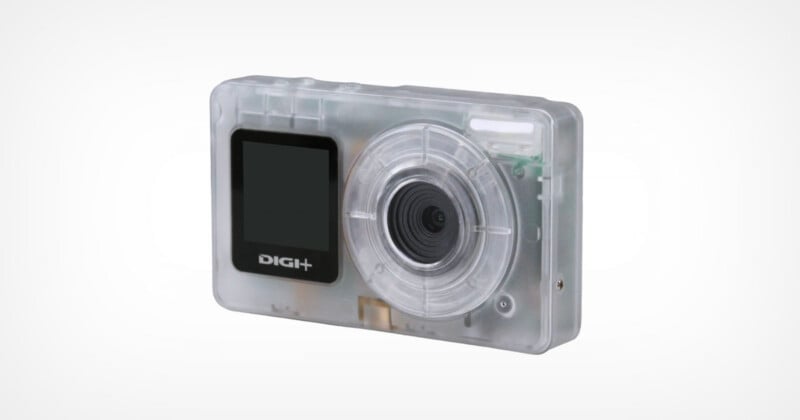
While Sourcenext has not issued a white paper on the artistic merit of the device, the marketing language surrounding the DGP-DCM01 emphasizes "compactness" and "style." The design, featuring a clear plastic casing that exposes the internal circuitry, is a direct nod to the Nintendo Game Boy Advance and the iMac G3 era.
Industry analysts suggest that the strategy here is "impulse retail." By positioning the camera at a price point where it can be purchased alongside a meal or a book, the manufacturer minimizes the barrier to entry. This is not a tool for a professional photographer; it is an entry-level fashion item for a consumer who wants to participate in the "digicam" trend without spending hundreds of dollars on a vintage Canon PowerShot or Nikon Coolpix from the secondhand market.
Implications for the Imaging Industry
The existence of the DIGI+ signals a permanent shift in how hardware is marketed to Gen Z and Alpha.
1. The Death of the "Spec Sheet" Dictatorship
For two decades, the camera industry was defined by a race for higher resolution, faster autofocus, and larger sensors. The success of cameras like the DIGI+ suggests that a segment of the market has reached "resolution fatigue." When the phone in your pocket already takes "perfect" photos, the desire for a secondary camera is no longer about image quality—it is about the experience of the act of taking a photo.
2. Design as a Differentiator
In a world of black, rectangular glass slabs, the translucent chassis of the DIGI+ stands out. It turns the device into a wearable, a conversation piece. We are seeing a return to the idea that electronics should be "fun." This design-first approach has major implications for future product development; if a brand can make a device look like a toy, it can often circumvent the intense pressure to provide professional-grade internals.
3. Sustainability and the "Disposable" Digital Age
There is, however, a shadow cast by this trend. As we see a proliferation of cheap, low-spec electronics, the industry must grapple with the e-waste implications. If these cameras are viewed as ephemeral fashion items—used for a season and then discarded—the environmental cost of this "vibe-first" movement will become a significant point of contention for regulators and environmental groups.
The Future of the "Vibe" Camera
As we look toward the remainder of 2026, it is likely that the DIGI+ will be followed by a wave of similar devices. The template is simple: take an inexpensive, small-format sensor, wrap it in a nostalgic chassis, add a feature that solves a specific modern "pain point" (like the front-facing screen for selfies), and price it below $100.
The DIGI+ isn’t trying to replace your smartphone, nor is it trying to replace your mirrorless professional camera. It is a digital Polaroid, a toy for a world that has grown tired of the clinical perfection of computational photography. Whether this trend represents a lasting change in consumer behavior or a fleeting aesthetic bubble remains to be seen. But for now, for the cost of $37 to $50, the DIGI+ offers a window into a past that, thanks to the magic of the current market, feels perfectly, intentionally imperfect.
For those looking to capture the "aesthetic of the moment" without the heavy lifting of professional gear, the DIGI+ is a compelling, if technically limited, addition to the growing ecosystem of retro-inspired digital tools. It serves as a reminder that sometimes, the best camera is not the one with the most pixels, but the one that makes the act of creation feel like play.
 Raul Delapena Setiawan
  rifanmuazin
  Ammar Sabilarrohman