
 By Muslim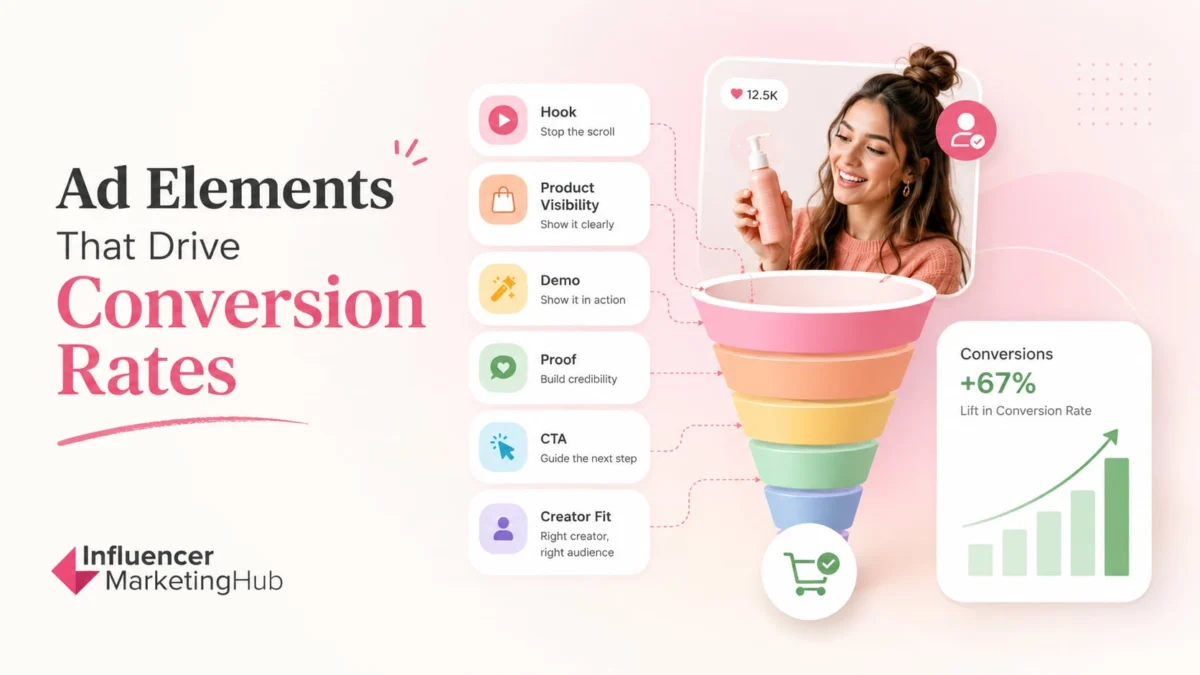
In the rapidly evolving landscape of digital advertising, the allure of "viral" influencer content is fading, replaced by a more rigorous, data-driven necessity: performance-focused influencer marketing. While influencer-led ads have long been heralded as more cost-effective and authentic than traditional branded commercials, the reality of current social media algorithms—on Meta, TikTok, Instagram, and YouTube—is far more unforgiving.
For modern marketers, the question is no longer just about reach or engagement; it is about conversion. A creator with millions of followers, a polished production style, or a history of viral posts is no longer a guaranteed ticket to revenue. To convert audiences today, brands must move beyond surface-level aesthetics and adopt a highly intentional framework that treats every second of an ad as a strategic asset.
The Anatomy of a High-Converting Influencer Ad
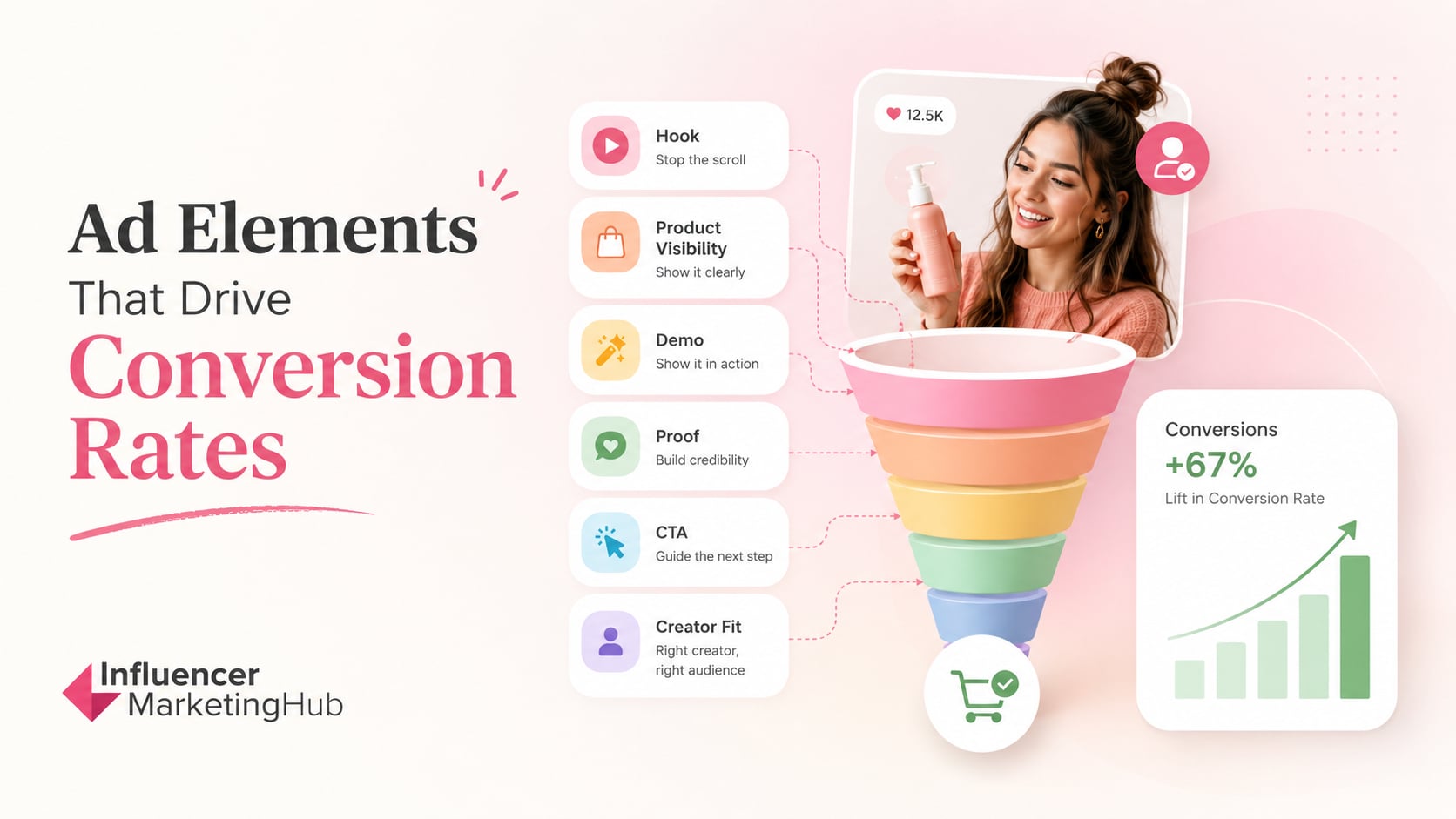
A high-conversion ad is a symphony of specific elements: a high-retention hook, a clearly articulated pain point, an intuitive product demonstration, social proof, and a friction-free call-to-action (CTA). When these elements align with the creator’s unique voice, the ad ceases to be an interruption and becomes a solution.
1. Mastering the Three-Second Hook
On platforms driven by short-form video, the first three seconds are the arbiter of success. If a viewer doesn’t feel an immediate incentive to watch, they scroll. Contrary to common misconceptions, an effective hook does not require high-budget pyrotechnics or over-the-top antics. Instead, it must create a "curiosity gap" or present a relatable problem.
The most successful hooks generally perform one of four functions:
- Introducing a persistent problem: Addressing a universal frustration.
- Creating immediate curiosity: Posing a question or a "hack" the viewer wasn’t aware of.
- Visualizing a result: Showing the "after" state before the "before."
- Challenging the status quo: Debunking a common industry myth.
For example, TikTok campaigns for productivity tools often succeed by opening with a counter-intuitive statement, such as "Stop organizing your day like this," which forces the viewer to pause and evaluate their own habits.
2. Prioritizing Product Visibility
A recurring failure in influencer marketing is "brand camouflage," where the product is either hidden, mentioned too late, or featured only as a passive prop. While organic content benefits from subtle storytelling, paid performance ads require immediate, clear visibility.
The product must be integrated into the creator’s life seamlessly. Viewers should see the product in action within the first five to six seconds. Close-ups that emphasize texture, utility, or specific features allow the viewer to bridge the gap between "this is a cool video" and "this is a product I need."
3. The Power of the Pain Point
Consumers rarely purchase a product simply because it is "better." They purchase products because they are "help." Whether it is dry skin, a cluttered digital inbox, or a lack of time for meal prep, the most successful ads lead with a specific, relatable pain point.
When Urban Skin Rx saw a 5x spike in sales following a viral TikTok video, it was not due to high production value; it was due to the creator’s raw, honest depiction of a specific skin struggle. By allowing creators to voice these problems in their own authentic language, brands can bypass the skepticism usually reserved for corporate messaging.
4. Demonstration as Social Proof
A product demonstration is the ultimate bridge between a claim and a sale. It provides visual proof of efficacy. When an influencer demonstrates a gadget, a fitness tool, or a beauty product, they are essentially acting as a third-party validator. Showing the process—how the product is used—is far more persuasive than listing its features.
5. Single Value Proposition Focus
"Paradox of choice" is a significant conversion killer. When an ad attempts to highlight ten different benefits, the viewer often remembers none. To maximize conversions, the creative should focus on a single, compelling value proposition. If the product saves time, the hook, the demo, and the CTA should all revolve around that specific benefit.
The Role of Visual and Platform-Native Strategy
The modern digital consumer is a master of the "sound-off" scroll. Consequently, visual contrast has become a critical component of ad design. By using side-by-side comparisons, quick cuts, and intentional color palettes, brands can communicate value even when the audio is muted.
Furthermore, platform-native editing is no longer optional. TikTok audiences reject content that feels like a repurposed television commercial. Ads that utilize green-screen effects, POV (point-of-view) filming, and platform-specific music trends see significantly higher completion rates. Data suggests that ads tailored to the specific "vibe" of a platform can see up to a 27% increase in completion rates compared to generic cross-platform assets.
The Human Element: Audience-Influencer Fit
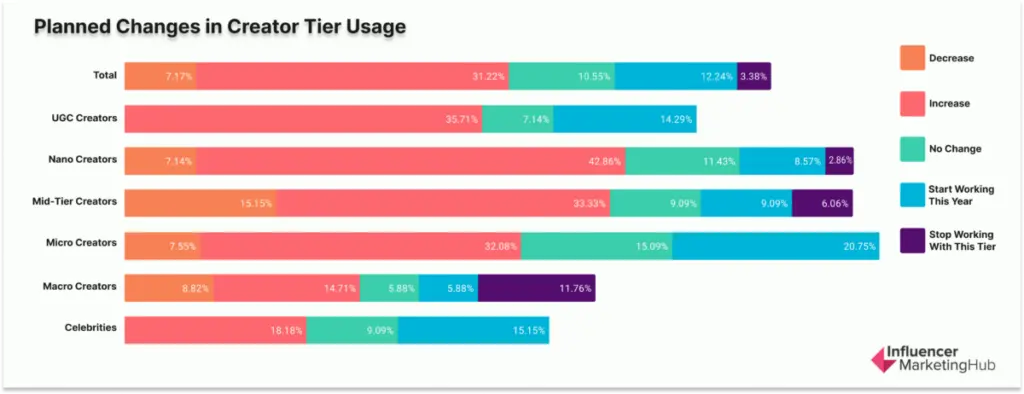
The most sophisticated ad strategy will fail if it is placed in front of the wrong audience. Relevance consistently outperforms raw reach. A micro-influencer with a highly engaged, niche audience often provides a better return on investment than a celebrity with a broad, disengaged following.
When evaluating potential partners, brands should prioritize:
- Demographic alignment: Does the creator’s audience match the brand’s target customer?
- Tone of voice: Does the creator speak in a way that resonates with the brand’s identity?
- Past performance: Does the creator have a history of driving action rather than just passive likes?
Common Pitfalls and Strategic Implications
The biggest mistake brands make is over-scripting. When a creator sounds like they are reciting a brand-provided deck, the "influencer" element—the trust factor—evaporates.
Common mistakes include:
- Burying the Call-to-Action (CTA): If the viewer has to guess what to do next, they will likely do nothing. A clear, direct, and urgent CTA must be both spoken and visually presented.
- Ignoring Accessibility: Captions are not just for the hearing impaired; they are for the busy commuter, the office worker, and the silent scroller. Captions increase view time and improve comprehension.
- Misaligning Objectives: Running an "awareness" style ad when the objective is "conversion" creates a disconnect in the creative execution.
Conclusion: The Path Forward
The future of influencer marketing is a hybrid model. It requires the trust and authenticity that only a human creator can provide, combined with the rigorous, performance-oriented structure of a high-converting ad.
For brands looking to scale, the directive is clear: stop treating influencers as billboards and start treating them as partners in a performance strategy. By focusing on strong hooks, clear demonstrations, platform-native aesthetics, and laser-focused value propositions, brands can transform their social media presence from a cost center into a reliable, scalable engine for growth. As the industry matures, the brands that succeed will be those that understand that in the world of paid social, the most effective ad is one that doesn’t feel like an ad at all.
 Iffa Jayyana
  Siti Muinah
  Asro
Asro 