
 By Nana Muazin
For many home cooks, the allure of restaurant-quality seafood pasta lies in the complexity of the sauce. Professional chefs often spend hours building deep, nuanced flavor profiles through scratch-made marinara, intricate pestos, or carefully emulsified roux-based creams. However, achieving that same level of indulgence at home often feels like a monumental task—one that requires professional technique and an abundance of time.
But what if the key to a decadent seafood pasta was hiding in your pantry all along? The latest trend in home-cooking hacks suggests that a humble can of New England-style clam chowder is the ultimate shortcut for those seeking restaurant-grade flavor without the hours of labor. By leveraging the existing complexity of this classic soup, home cooks can bypass the technical challenges of sauce-making while still serving a dish that tastes like it came straight from a coastal bistro.
The Anatomy of the Hack: Why Clam Chowder Works
To understand why this shortcut is so effective, one must look at the fundamental architecture of a New England clam chowder. Unlike clear, broth-based soups, a true New England-style chowder is built on a roux—a mixture of flour and fat that serves as the backbone for a thick, velvety texture. This is essentially the same technique used in French-influenced creamy pasta sauces.
When you use high-quality canned clam chowder as a base, you are essentially starting with a pre-assembled flavor profile. It contains the essential components of a great seafood sauce: the salinity of the clams, the richness of cream or milk, and the earthy base of aromatics like onions and celery. By using this as your foundation, you aren’t starting from scratch; you are merely building upon a structure that already possesses the necessary “oceanic” depth that characterizes fine seafood cuisine.
A Chronology of Culinary Shortcuts
The evolution of the "canned soup hack" has a long and storied history in American kitchens. Dating back to the mid-20th century, the advent of convenience cooking—popularized by brands like Campbell’s—saw home cooks using cream of mushroom or chicken soup as bases for casseroles and quick sauces.
However, the application of clam chowder specifically to pasta is a more recent development in the culinary zeitgeist. As food media and social platforms have prioritized "low-effort, high-reward" cooking, the clam chowder hack has risen to prominence. Culinary experts have observed a shift in consumer behavior: the modern cook is less interested in spending four hours simmering a velouté and more interested in using high-quality convenience items to reach the same end goal.
In recent years, brands like Bar Harbor have gained notoriety for offering "cleaner" ingredient lists in their canned chowders, free from excessive preservatives. This improvement in the quality of store-bought goods has made it possible for even the most discerning home cooks to adopt this method without sacrificing the integrity of their dish.
Supporting Data and Flavor Science
The success of this hack is grounded in the science of flavor layering.
- Emulsification: The roux in the chowder acts as a stabilizer. When tossed with hot, starchy pasta water, it clings to the noodles, creating that coveted "velvety" mouthfeel that usually requires an experienced hand at the stove.
- Concentrated Flavor: Because canned chowder is often reduced during the canning process, the clam essence is highly concentrated. When combined with fresh additions, it provides a "umami bomb" that is difficult to replicate with fresh ingredients alone unless one is highly skilled at reducing stocks.
- Versatility: Culinary testing shows that the pH levels and salt content of standard clam chowders are neutral enough to allow for significant customization. Whether you are adding heat via chili flakes or brightness via lemon juice, the base remains stable and supportive.
Professional Perspectives and Culinary Implications
While some traditionalists might scoff at the use of a canned product, professional chefs are increasingly acknowledging the validity of "smart" shortcuts. The implication here is a democratization of fine dining. When the barrier to entry—the technical skill required to make a white sauce—is removed, home cooks are more likely to experiment with high-quality seafood, such as fresh mussels, squid, or jumbo shrimp.
"It isn’t about being lazy," says one culinary consultant. "It’s about being efficient. If you can use a high-quality chowder as a base and spend the extra 20 minutes you saved searing fresh scallops to perfection, you’ve actually produced a better meal than if you had spent that time struggling with a roux that might break."
Practical Application: How to Execute the Dish
To elevate a can of chowder into a restaurant-worthy pasta sauce, follow these steps to ensure the best possible outcome.
1. The Foundation
Start by sautéing aromatics. Even if the soup already contains onions, adding fresh minced garlic and shallots to a pan with a splash of olive oil provides a "freshness" that canned products lack. Deglaze the pan with a splash of dry vermouth or white wine. This acidity is crucial to cutting through the heavy cream in the chowder.
2. The Texture Adjustment
If you find the consistency too thick, add a ladle of reserved pasta water. The starch in the water will emulsify with the chowder, creating a glossy sheen. If you prefer a more refined, smooth sauce, run the soup through a high-speed blender before adding it to your pasta. This removes the "chunky" texture of the potatoes and leaves you with a sophisticated cream sauce.
3. The Seafood Enhancement
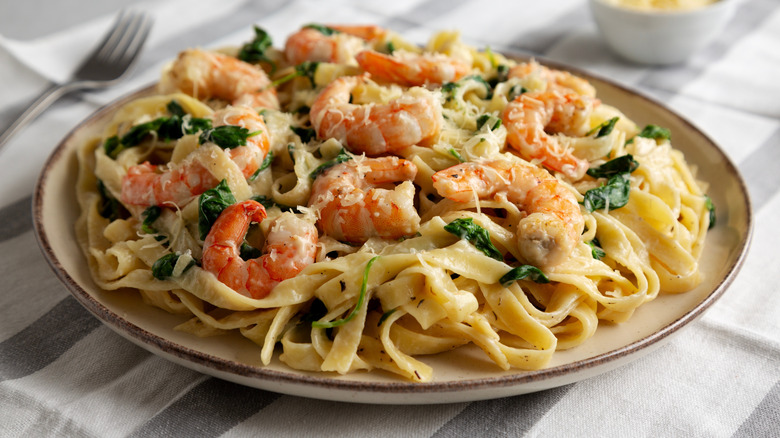
The chowder provides the base, but fresh seafood provides the presentation. Pan-sear shrimp, scallops, or mussels separately and fold them in at the very last minute. This prevents the seafood from becoming rubbery or overcooked while the chowder warms through.
4. The "Brightening" Finish
The most common mistake when using cream-based sauces is a lack of balance. Use these "finishers" to elevate the dish:
- Citrus: A squeeze of fresh lemon juice or a dusting of lemon zest acts as a palate cleanser, preventing the cream from feeling heavy.
- Herbs: Fresh, flat-leaf parsley or chives add a visual pop and a peppery bite that cuts through the salinity.
- Umami Boosters: A sprinkle of high-quality Parmesan or Pecorino Romano adds a nutty, salty depth that rounds out the flavor profile. For an even more complex dish, try a dash of fish sauce or a small amount of cream of mushroom soup to add a layer of earthy umami that complements the clams.
Conclusion: The Future of the Pantry Hack
The shift toward using high-quality convenience items like New England clam chowder is a reflection of the changing landscape of the home kitchen. As time becomes an increasingly scarce resource, the ability to utilize "base" products to facilitate gourmet results is not a compromise of quality—it is an evolution of technique.
By treating the clam chowder as a canvas rather than a finished product, the home cook is empowered to explore the nuances of seafood pasta. Whether you are hosting a dinner party or simply looking to treat yourself on a weeknight, this method proves that with a little creativity and the right pantry staples, the boundary between the home kitchen and the professional restaurant is thinner than ever before.
 Lina Irawan
  Lina Hope
  Reynand Wu