
 By Layla Zulfa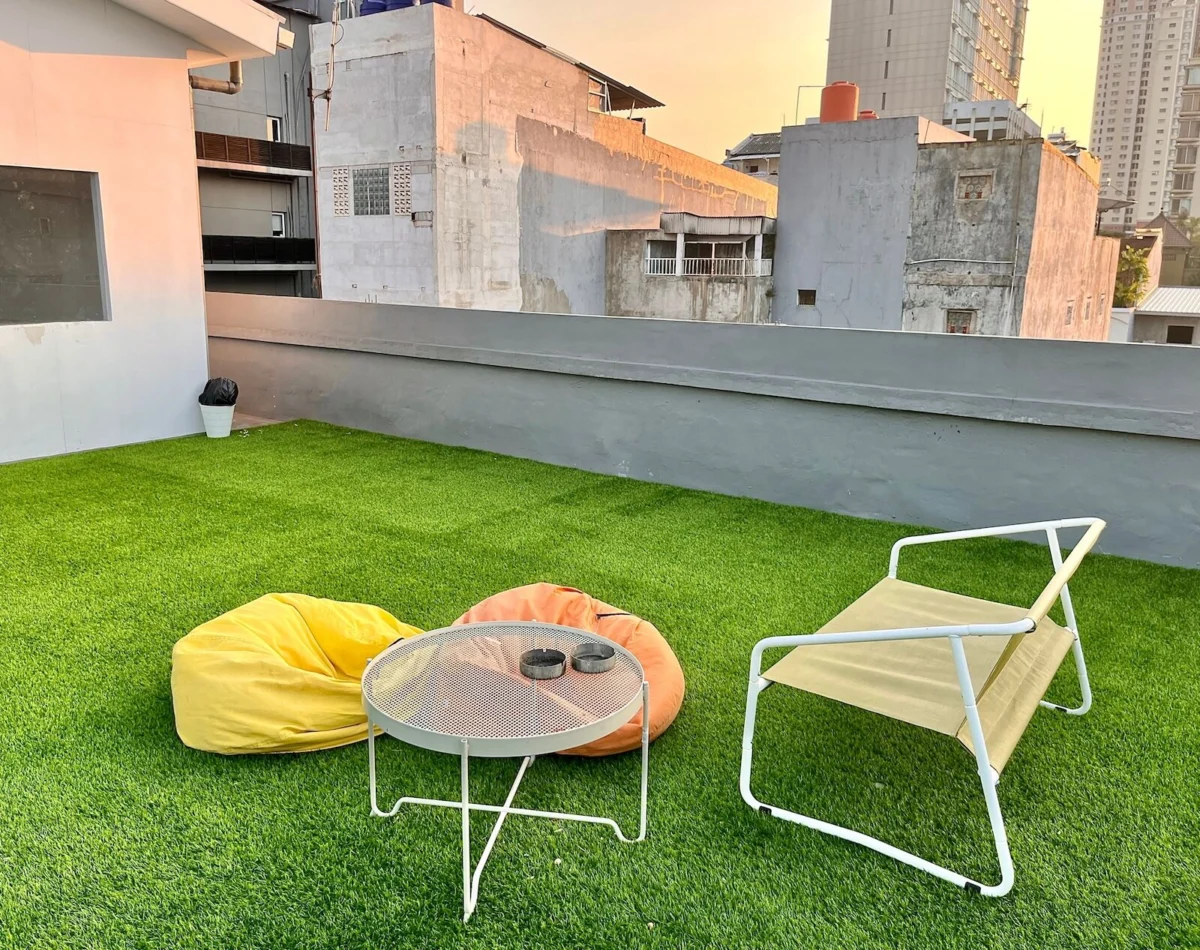
As the map of legalized cannabis continues to expand across the United States, a new niche in the travel industry has emerged: the "420-friendly" vacation rental. For many travelers, the ability to consume cannabis in a private, comfortable setting is a key component of their leisure time. However, the intersection of evolving state laws, stringent federal regulations, and the private policies of platforms like Airbnb creates a complex landscape for the modern tourist.
Understanding where you can legally partake, how to find compliant accommodations, and the risks associated with non-compliance is essential to ensuring a vacation remains stress-free and within the bounds of the law.
The Legal Landscape: Where You Can (and Can’t) Consume
Before booking a flight or packing your bags, you must verify the legal status of cannabis in your destination. As of late 2024, twenty-four states have legalized recreational cannabis for adults: Alaska, Arizona, California, Colorado, Connecticut, Delaware, Illinois, Maine, Maryland, Massachusetts, Michigan, Minnesota, Missouri, Montana, Nevada, New Jersey, New Mexico, New York, Ohio, Oregon, Rhode Island, Vermont, Virginia, and Washington. Washington, D.C., also permits adult use, though it lacks a regulated retail marketplace.
The Virginia Asterisk and Regional Nuances
Virginia serves as a cautionary tale for travelers. While adults 21 and older may legally possess cannabis, the state has yet to open recreational dispensaries, with the current timeline projecting a retail launch in July 2027. Consequently, visitors currently find themselves in a "possession-legal, purchase-impossible" limbo.
Furthermore, legal status at the state level does not equate to a free-for-all. Public consumption remains overwhelmingly prohibited across all jurisdictions. This makes the search for a private, cannabis-friendly rental not just a matter of convenience, but a legal necessity for those who wish to avoid fines or citations for public intoxication or smoking in prohibited areas.
A Chronology of Changing Policies
The current state of cannabis tourism is the result of a decade-long shift in policy and public perception.
- 2012–2014: Colorado and Washington became the first states to legalize recreational cannabis, sparking the initial wave of "cannabis tourism."
- 2018: The passage of the Farm Bill at the federal level legalized hemp-derived CBD, muddying the waters between marijuana and non-intoxicating cannabis products.
- 2021–2023: A rapid succession of states, including New York and Ohio, transitioned to legal recreational markets, significantly increasing the potential demographic for cannabis-friendly travel.
- April 2026: The federal government reclassified state-licensed medical cannabis to Schedule III. While this was a massive shift in federal recognition of medical utility, it left recreational cannabis in a state of federal illegality. This distinction is critical: what is protected in a dispensary is still considered contraband on federal land, in airports, and when crossing state lines.
The Federal Divide: Why Geography Matters
Despite the shifting attitudes, travelers must remain hyper-aware of the "Federal Boundary." Because cannabis remains federally illegal, it is strictly prohibited on federal property. This includes national parks, national forests, and federal monuments. Even if you are standing in the middle of a legalized state like Colorado, lighting up inside a national park can result in federal charges.
Similarly, airports operate under federal jurisdiction. Possessing cannabis in an airport—or attempting to transport it across state lines, even between two states where it is legal—remains a federal offense. These realities underscore why a private rental is the safest environment for consumption; it isolates the user from the unpredictable variables of public and federal oversight.
How to Source 420-Friendly Accommodations
Finding a rental that welcomes cannabis use requires more than just a quick search. Because Airbnb and other platforms do not have a universal "cannabis-friendly" filter, travelers must act as detectives.
Digital Search Strategies
- Keyword Optimization: Use terms like "420-friendly," "cannabis-friendly," or "420-OK" in your search queries. Often, hosts who are friendly to the community will explicitly state this in their listing title to attract a specific type of guest.
- Filter Refinement: Use the "Smoking allowed" filter, but exercise extreme caution. In many cases, this filter is intended for tobacco. Always read the fine print to see if the policy extends to cannabis, or if it is restricted to outdoor areas like porches or patios.
- Review Mining: The "Review" section is your most valuable asset. Use the "Search reviews" feature on the listing page to look for keywords like "cannabis," "420," "smoke," or "scent." If past guests mention their experience, you can gauge whether the host was accommodating or if there were issues with neighbors.
Engaging the Host Directly
If a listing is ambiguous, do not assume. Send a professional, direct inquiry: "I am interested in your property. I am a responsible adult traveler and was wondering if your house rules permit the consumption of cannabis on the property, specifically in the designated outdoor area?" A high-quality host will appreciate the transparency. If they are silent or non-committal, it is best to move on to a listing that explicitly states its policy.
The Consequences of Non-Compliance
The "party-hard" mentality is the quickest way to end your vacation prematurely. Hosts, even those who are cannabis-friendly, have a low tolerance for rule-breakers.
- Detection: Modern rentals are equipped with sophisticated technology. Smoke detectors can be highly sensitive, and many hosts utilize noise-monitoring devices or exterior cameras. Additionally, in multi-unit buildings or close-knit neighborhoods, a neighbor can report the smell of smoke instantly.
- Financial and Legal Fallout: Violating house rules regarding smoking typically triggers a "cleaning fee" that can reach hundreds of dollars. In severe cases, it leads to immediate eviction without a refund. Furthermore, the host will likely leave a negative review on your profile, which can result in your account being flagged or banned from the platform entirely.
- The "Quiet" Rule: Remember that cannabis consumption is a sensitive topic for some homeowners. Even in legal states, violating the "quiet enjoyment" of neighbors can lead to police involvement, which is a stressful complication no traveler wants to encounter.
Etiquette: Being a Respectful Guest
Just because a host allows cannabis consumption does not mean there are no boundaries. Professionalism is the key to maintaining access to these types of rentals.
The "Golden Rules" of Consumption
- Respect the Designated Space: If a host specifies a backyard patio, do not assume that includes the living room or the bedroom. Smoking indoors often leaves lingering odors in curtains and carpets that are difficult and expensive to remove.
- Manage the Aroma: Be mindful of wind direction and the proximity of your neighbors. If you are in a shared complex, use a smoke filter or stick to edibles and tinctures to keep the experience discreet.
- Clear the Evidence: Never leave paraphernalia, ash, or packaging in the trash or on the patio. Clean up after yourself as if you were never there.
- Be Transparent: Even if you aren’t smoking, if you plan to use edibles or balms, it is polite to inform the host. It demonstrates that you are a responsible guest who respects their property rules.
The Future of Cannabis Tourism
As more states move toward full legalization, the "cannabis-friendly" rental market is expected to formalize. We are already seeing the emergence of specialized booking platforms and "bud-and-breakfast" establishments that cater specifically to this demographic. However, until federal law catches up with state reality, the onus remains on the traveler to stay informed.
By approaching your trip with a clear understanding of the law, a respectful attitude toward your host, and a diligent approach to finding the right rental, you can enjoy the benefits of a legal market while ensuring you remain a welcome guest in your chosen destination. Always prioritize safety, respect the local community, and keep your activities confined to the private, approved spaces provided by your host.
 Lina Irawan
  Nana
Nana  rifanmuazin