
 By Iffa Jayyana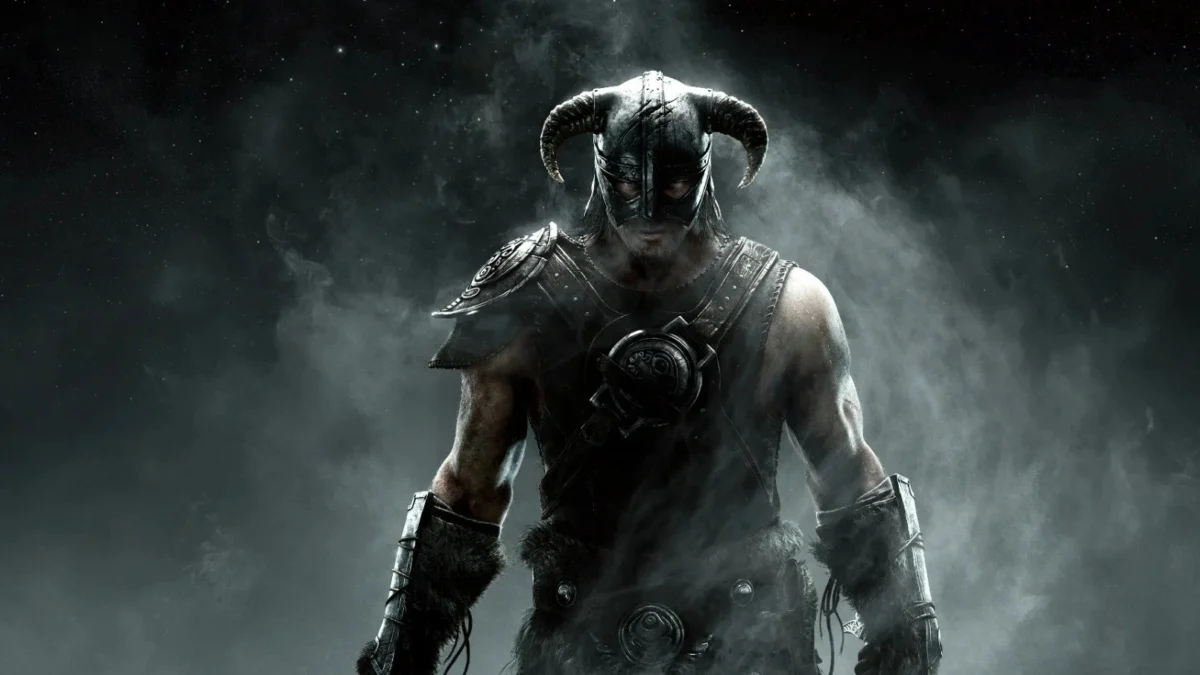
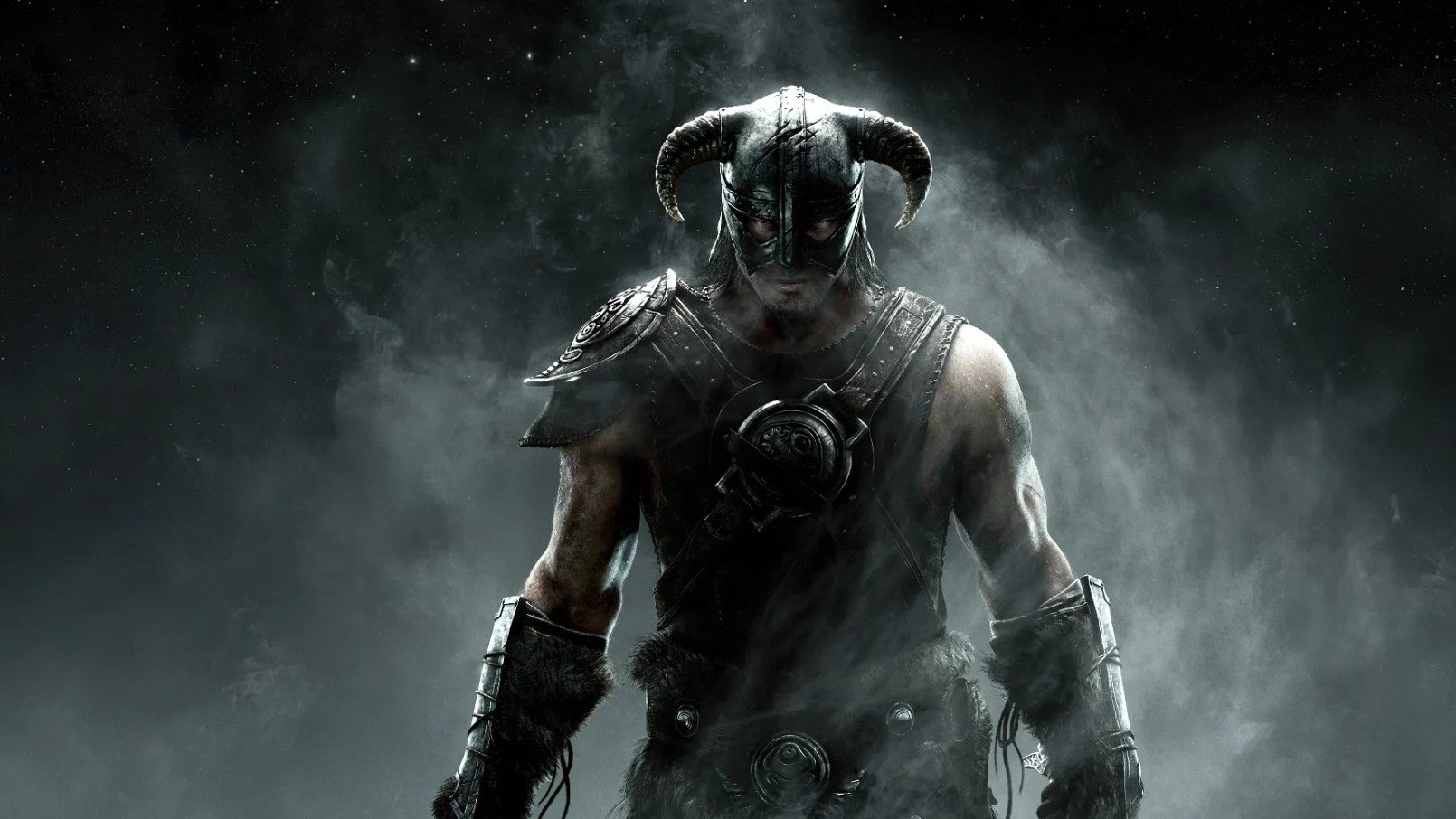
It has been nearly 15 years since the dragon-shouting majesty of The Elder Scrolls V: Skyrim first graced our screens, forever embedding itself into the cultural zeitgeist. While the community waits with bated breath for any substantial update on The Elder Scrolls VI, a persistent question remains among the fanbase: Why has Bethesda Game Studios never outsourced the franchise to another developer, as they famously did with Obsidian Entertainment for Fallout: New Vegas?
According to former Bethesda lead developer and long-time series loremaster Kurt Kuhlmann, the answer is rooted in a deep-seated protective instinct—a desire to shield the studio’s "golden goose" from the comparative scrutiny that once divided the Fallout community.
The Core Conflict: Bethesda vs. Obsidian
The history of Fallout: New Vegas is a fascinating chapter in the annals of role-playing games. When Bethesda acquired the Fallout intellectual property, they utilized it to create Fallout 3, a game that successfully modernized the series for a 3D audience. However, when they allowed Obsidian Entertainment—a studio comprised of many veterans from the original Black Isle Fallout games—to develop New Vegas, the result was a title that many purists felt captured the cynical, writing-heavy soul of the franchise better than its predecessor.
This created a schism. The "New Vegas camp" argued that Obsidian possessed a superior grasp of RPG mechanics and narrative depth, frequently asking, "Why doesn’t Bethesda just hand the reins over to Obsidian entirely?"
For Bethesda, this was not a triumphant success of collaboration; it was a PR and creative headache. According to Kuhlmann, the friction created by this debate is precisely why The Elder Scrolls has never undergone a similar treatment. Todd Howard, the face and driving force of Bethesda Game Studios, is notoriously protective of the Elder Scrolls brand. The fear, it seems, is that creating a spin-off would inevitably lead to a similar "who did it better" narrative, threatening the cohesive creative vision that Bethesda has cultivated for decades.
A Chronology of the Franchise’s Evolution
To understand the hesitancy, one must look at the timeline of Bethesda’s output.
- 1994–2002: The early years of The Elder Scrolls established the series as a niche, hardcore PC RPG experience with titles like Arena, Daggerfall, and Morrowind.
- 2006: The Elder Scrolls IV: Oblivion marks the transition into a major console mainstream powerhouse.
- 2010: Fallout: New Vegas is released. While critically acclaimed, it serves as the primary example of how a third-party developer can alter the perception of a Bethesda-owned IP.
- 2011: The Elder Scrolls V: Skyrim launches, becoming one of the best-selling games of all time and setting an impossible standard for its successors.
- 2014: The Elder Scrolls Online (ESO) launches. While initially rocky, it eventually stabilizes into a massive, ongoing success, providing a steady stream of content to a hungry player base.
- 2018–Present: Bethesda confirms The Elder Scrolls VI is in development, but the project remains in a protracted state of "marination" while the studio focuses on Starfield and Fallout 76 updates.
Supporting Data: The Impact of The Elder Scrolls Online
If there is one reason the absence of a single-player spin-off hasn’t felt like an existential crisis for the franchise, it is the existence of The Elder Scrolls Online. Kuhlmann notes that ESO effectively "took the heat off" the studio.
For a significant portion of the player base, ESO is not a supplement to the single-player games—it is their primary Elder Scrolls experience. The data supports this: the game has remained consistently profitable for over a decade, with millions of players engaged in the lore of Tamriel. By providing an "ongoing" product, Bethesda satisfied the hunger for the world of Nirn without needing to risk the integrity of the mainline, single-player entries.
This highlights a key strategic pivot: Bethesda prefers a "service-based" model for secondary content rather than delegating the core identity of their franchise to external teams. By controlling the IP through an internal MMO team (ZeniMax Online Studios), they maintain direct oversight of the lore, the art direction, and the brand’s long-term trajectory.
Official Responses and Corporate Shifts
Kuhlmann’s insights, shared on the FRVR podcast, provide a rare window into the internal culture of a studio known for its secrecy. Though Kuhlmann departed the company in 2023, his assessment of Todd Howard’s protective nature remains the most authoritative explanation to date.
However, the corporate landscape has shifted dramatically. With Microsoft’s acquisition of ZeniMax Media (Bethesda’s parent company), the studio is no longer an independent entity. This has led to massive organizational changes, including the integration of Obsidian Entertainment into the same corporate umbrella.
In recent internal communications, Bethesda president Jill Braff emphasized that despite the consolidation, studios like Obsidian will retain their "creative identity." This has led to renewed speculation: could the future of The Elder Scrolls look different under the Xbox banner? While there is no official word on a spin-off, the fact that Obsidian is currently working on a Fallout project suggests that the wall between Bethesda’s flagship IPs and its sister studios is, at the very least, becoming more porous.

Implications: The Future of Tamriel
The implications of this strategy are significant for the industry. Bethesda’s "closed-door" policy ensures a singular, consistent vision for The Elder Scrolls, which preserves the brand’s premium, event-based status. When a new Elder Scrolls game releases, it is treated as a cultural milestone, not just another entry in a serialized franchise.
However, the "long gap" between games is becoming an increasing liability. In an era where player attention is fragmented across thousands of titles, 15 years between mainline entries is an eternity.
What does this mean for the player?
- Quality Control vs. Quantity: Players can expect The Elder Scrolls VI to be a meticulously crafted, Bethesda-branded experience. There will be no "outsourced" version to tide them over, ensuring that when the game finally lands, it will be exactly what the studio intended, free from the stylistic clashes that defined the Fallout community’s division.
- The "ESO" Factor: The longevity of The Elder Scrolls Online suggests that Bethesda will continue to prioritize MMO-style, live-service engagement to keep the brand alive between major single-player releases.
- Potential for Future Collaboration: While the "New Vegas" era of outsourcing seems to be dead, the shifting corporate structure at Microsoft means we cannot definitively rule out future collaborations. If Bethesda decides they need to accelerate their output, they now have the resources to collaborate internally without sacrificing the brand’s identity to external competitors.
Final Thoughts
Bethesda’s refusal to delegate The Elder Scrolls is not merely a sign of stubbornness; it is a calculated effort to maintain a brand image that is synonymous with quality and consistency. While the wait for the next chapter of the Elder Scrolls saga continues to stretch, it is clear that the studio would rather keep fans waiting for an authentic experience than offer a spin-off that might dilute the very essence of what makes the series a titan of the RPG genre.
For now, the Vault door remains shut, and the gates of Tamriel are guarded by the watchful eyes of a studio that refuses to let anyone else hold the key. Whether that patience will pay off when The Elder Scrolls VI finally arrives remains the multi-billion dollar question of the gaming industry.
 Nila Kartika Wati
  Neng Nana
  Asep Darmawan