
 By Azzam Bilal Chamdy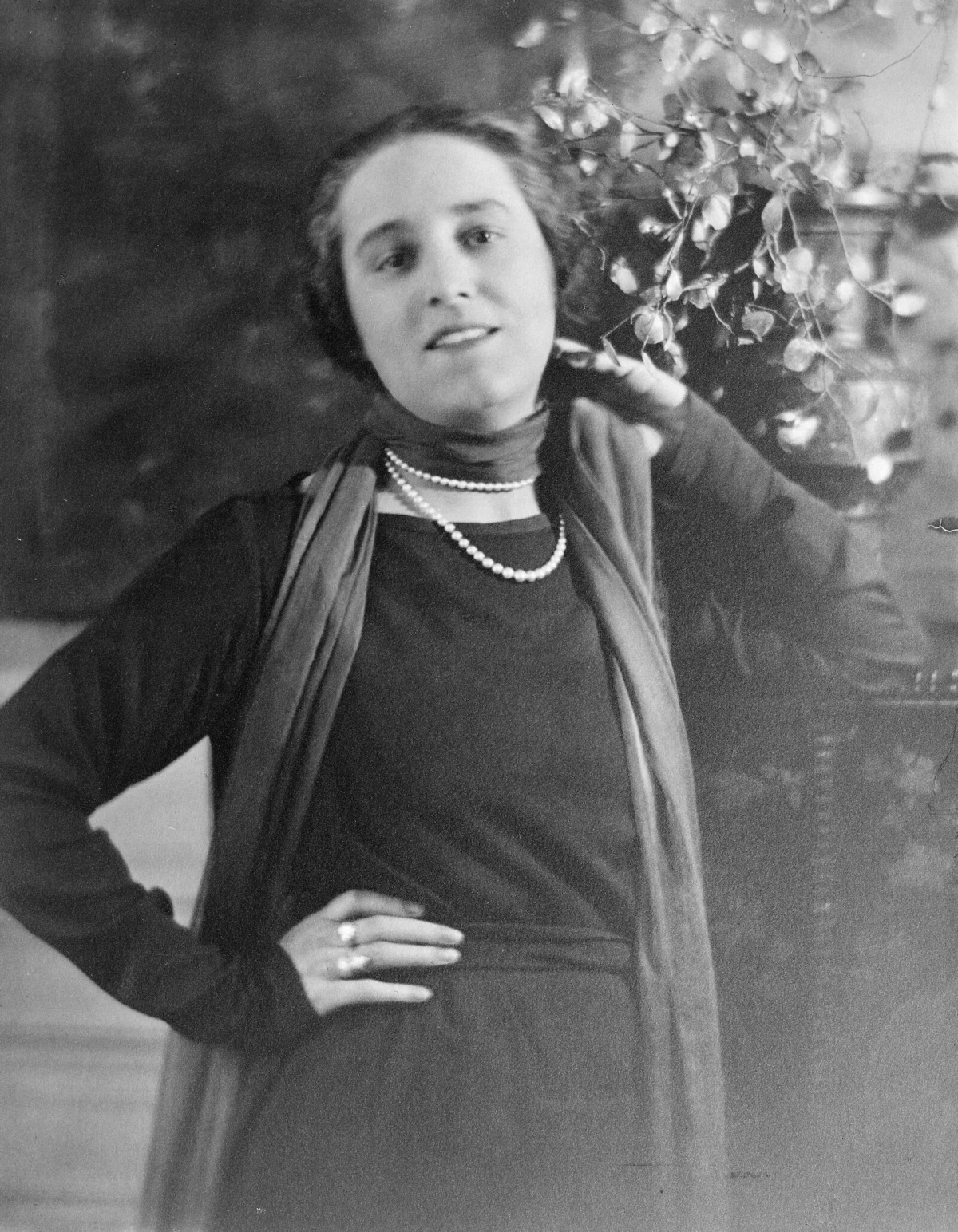
The Champs-Élysées is a thoroughfare defined by speed—the rush of traffic, the brisk pace of tourists, and the relentless turnover of high-fashion trends. Yet, standing firmly at the heart of this kinetic energy is a limestone structure that demands a slower, more deliberate appreciation. Etched into its exterior, the name "Vuitton Building" serves as a lingering reminder of a bygone era of Parisian craftsmanship. Unveiled in May 1914, this late Art Nouveau masterpiece was not the work of Louis Vuitton himself, but a grand statement by his son, Georges, who sought to cement the family brand on the world’s most prestigious avenue. Today, as a protected historic monument, this architectural anchor serves as the home of the Marriott Champs-Élysées, a hotel that manages to bridge the gap between contemporary luxury and the forgotten narrative of early 20th-century couture.
The Chronology of a Landmark
The history of this site is a tapestry of shifting fortunes and evolving Parisian identity. While the foundation was laid in 1913, the building’s identity was shaped by the dual-purpose nature of its original design. For decades, the ground floor served as a flagship sanctuary for Louis Vuitton’s iconic trunks. However, the upper floors—now the site of luxurious hotel accommodations—harbored a much more intimate secret.
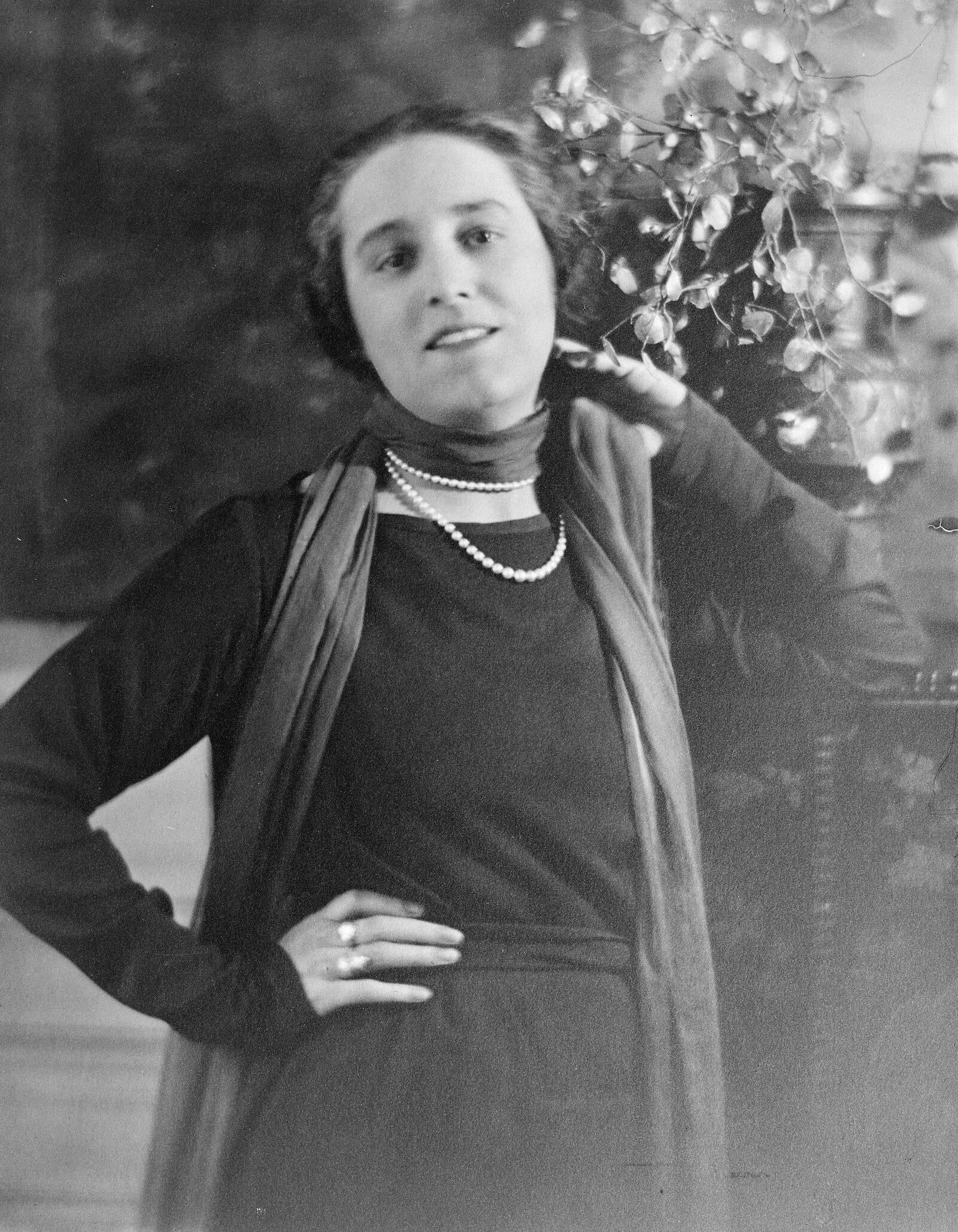
From 1914 to 1933, the building’s upper levels housed the couture house of Jenny Sacerdote. Born in 1868, Sacerdote was an academic-turned-designer who pivoted to fashion at age 39. Her rise was meteoric. By 1915, her atelier within this very building boasted 20 workrooms, a restaurant, a showroom, and a staff of nearly 1,000. Sacerdote became the architect of the "little grey suit," a garment so ubiquitous in the 1920s and 30s that fashion historians now consider it the stylistic precursor to Coco Chanel’s "little black dress."
Sacerdote’s reach was global; she dressed the silent film icons of the day and the Empress of Japan, eventually becoming the second woman to be inducted into the Légion d’honneur for her contributions to French industry. The outbreak of World War II forced the closure of her house, and as the decades passed, her name faded from the collective consciousness. Staying in the building today offers a rare, tangible link to this forgotten titan of style, whose creative spirit once filled the rooms where modern travelers now rest.
A Sanctuary of Light and Sound
Entering the lobby of the Marriott Champs-Élysées, one is immediately struck by the interplay of light and scale. A soaring glass ceiling floods the atrium with natural illumination, casting a glow over polished marble floors that mirror the building’s heritage. The staff, embodying a rare brand of Parisian warmth, operate with an efficiency that feels personalized. During my stay, a simple interaction with a porter—who took the time to write out useful French phrases to assist my travels—set the tone for an experience defined by genuine hospitality rather than rote service.
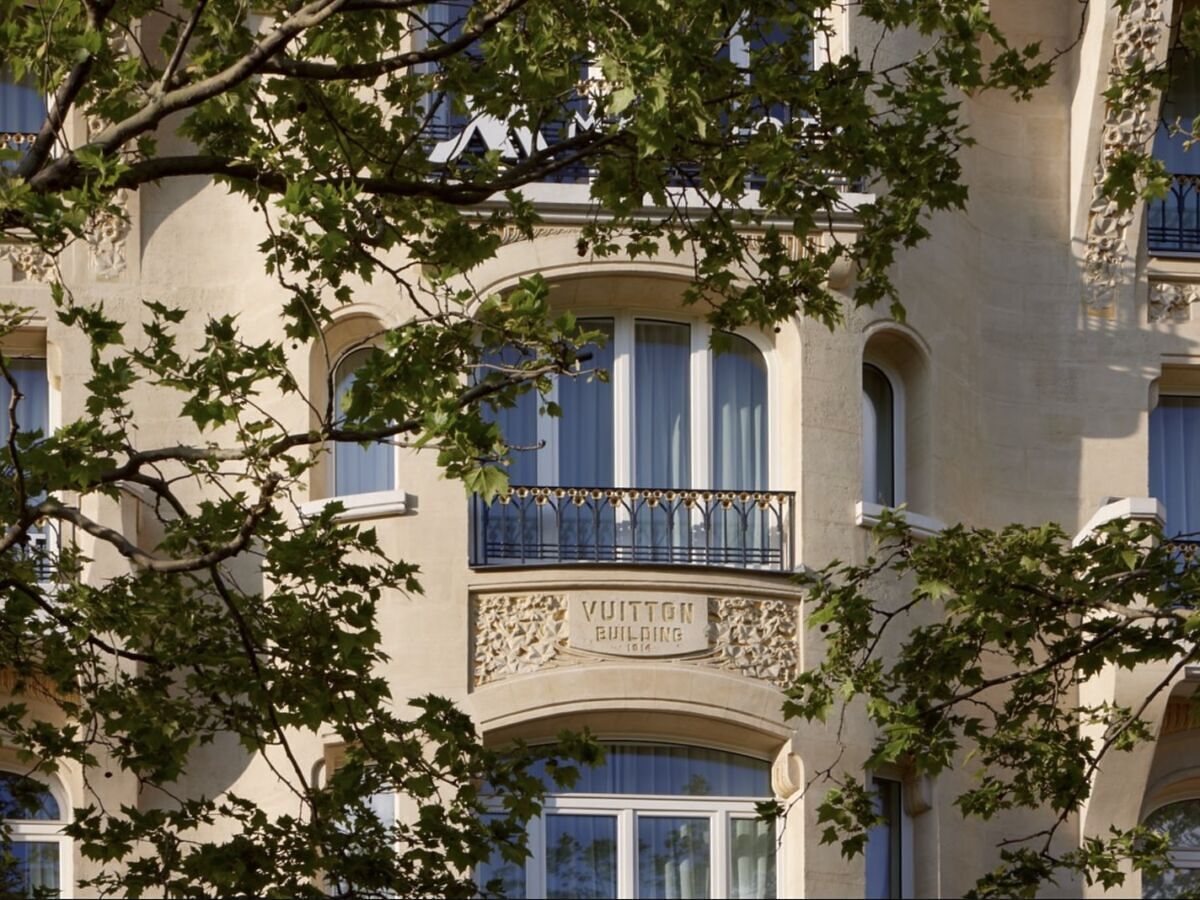
The accommodations, specifically those on the upper floors, provide an unexpected reprieve from the chaotic pulse of the Champs-Élysées. My fifth-floor room featured an ornate wrought-iron balcony overlooking the avenue, offering a framed view of the Eiffel Tower. Despite the proximity to one of the world’s busiest streets, the room was a sanctuary of silence. Advanced soundproofing technology has been seamlessly integrated into the historic architecture, allowing the bustle of Paris to feel like a distant memory once the heavy doors were closed.
The interior design balances modern comfort with classical aesthetics. Plush linens and high-end audio technology are complemented by gray marble bathrooms and illuminated mirrors that amplify the room’s airy, luminous quality. After dark, the view of the Eiffel Tower—flickering with its signature light show—transforms the room from a simple hotel space into a private viewing box for the city’s most famous landmark.
Data and Logistics: Navigating the Golden Triangle
The hotel’s position is arguably its greatest asset for the modern visitor. Situated within the "Golden Triangle," it provides immediate access to the high-fashion temples of Dior, Chanel, and, of course, the ongoing legacy of Louis Vuitton.
Strategic Access Points
- Cultural Proximity: Guests are within walking distance of the Arc de Triomphe, the Hôtel de la Marine, the Champs-Élysées Garden, and the recently expanded La Galerie Dior.
- The Golden Key Concierge: The hotel retains a Clefs d’Or (Golden Key) concierge, a certification held by only the elite of the global hospitality industry. For the fashion-conscious traveler, this team provides an "insider" advantage, capable of facilitating private shopping tours or securing invitations to Haute Couture Fashion Week events.
- Culinary Landscape: Beyond the hotel’s own offerings, the immediate neighborhood is a gastronomic hub. The rooftop of Aqua Kyoto offers modern Japanese cuisine paired with panoramic views, while the historic Chez André provides an unfussy, authentic experience for those seeking classic bouillabaisse or traditional French brasserie fare. For a budget-conscious yet elevated experience, the Michelin-recognized Zeffirino provides an Italian-influenced lunch menu that remains one of the area’s best-kept secrets.
Culinary Reflections: The New Era of Dining
The hotel has invested significantly in its on-site culinary identity, creating two distinct experiences that pay homage to the building’s dual history.
The bar-restaurant Jenny, located beneath the atrium’s glass canopy, is a direct nod to Sacerdote. Its menu focuses on seasonal French ingredients, offering a sophisticated, light-filled environment for lunch or a late-afternoon cocktail. The atmosphere is intended to mirror the "vibrant spirit of Parisian culture," making it an ideal spot for an elevated weekend tea service.
In contrast, Cira represents the property’s Mediterranean evolution. Reopened in the spring of 2026, Cira is an open-air restaurant tucked into a quiet, hidden-garden courtyard. The aesthetic—defined by warm red tones and citrus accents—creates a tranquil environment for summer evenings. The menu centers on the primal technique of cooking over charcoal and dried grapevine cuttings, imparting a distinct, smoky depth to dishes like grilled sea bass and charred vegetables. The addition of Thursday night live music and Sunday brunch service has solidified Cira as a destination for both guests and local Parisians seeking a quieter, more intimate dining experience away from the tourist crush.
Implications for the Modern Luxury Traveler
The Marriott Champs-Élysées serves as a case study in how historic preservation can coexist with the demands of the 21st-century luxury market. The implication for the modern traveler is clear: the value of a hotel lies not just in the thread count of its sheets, but in the story of the space itself.
By reclaiming the history of Jenny Sacerdote and maintaining the architectural integrity of the Vuitton building, the property has moved beyond the "standard hotel" experience. It offers guests a sense of discovery. While one could stay anywhere on the Champs-Élysées, staying here feels like being let in on a secret. It is a reminder that even on the world’s most famous street, there are still layers of history waiting to be uncovered—if only one knows where to look.
For those planning a visit, the recommendation is to lean into the expertise of the concierge team. Whether it is uncovering the history of the building’s original couturier or navigating the complexities of Paris’s contemporary fashion calendar, the staff here functions as a bridge to the city’s hidden depth. The Marriott Champs-Élysées is not merely a place to sleep; it is a living, breathing component of the Parisian story—one that invites you to participate in its legacy long after you have packed your bags.
 Laily UPN
  Muslim
  Reynand Wu