
 By Sagoh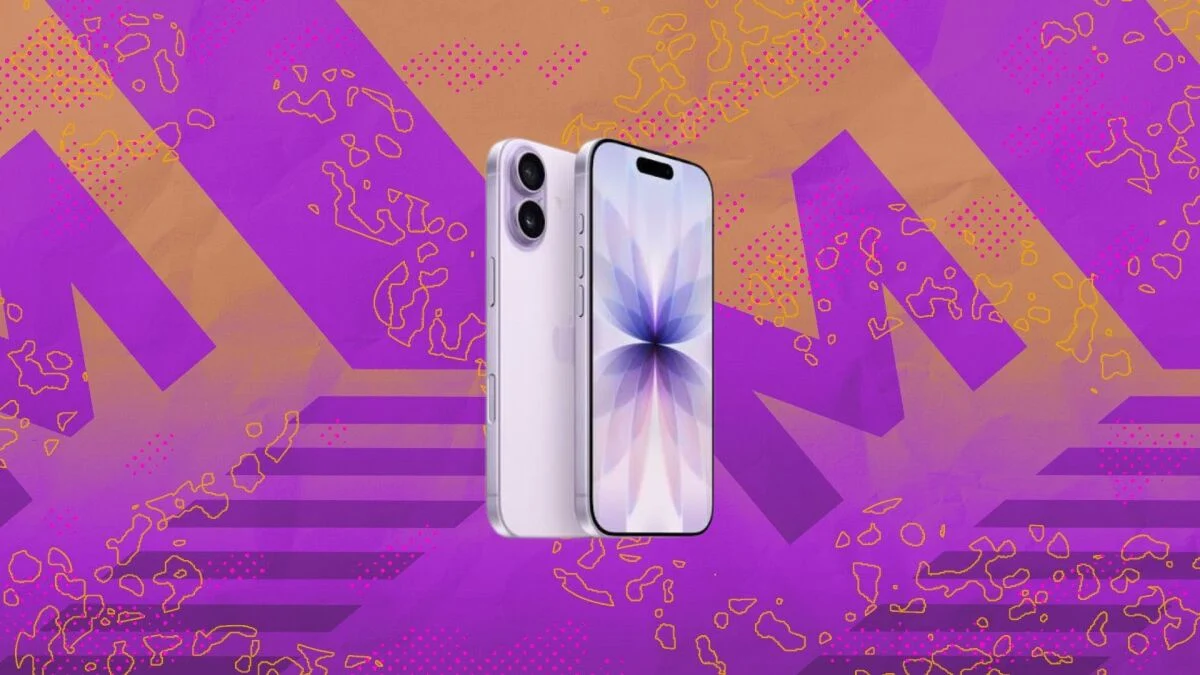
In the fast-paced world of mobile telecommunications, the battle for subscriber loyalty is fought primarily through hardware incentives. For consumers looking to upgrade their technology without the daunting sticker shock of premium flagship devices, the current landscape offers a rare opportunity. T-Mobile has recently unveiled a promotional strategy that places the highly anticipated Apple iPhone 17 within reach for under $100, marking a significant departure from standard retail pricing.
While the smartphone market has seen a trend toward higher price ceilings, this latest initiative highlights a strategic shift among major carriers to incentivize customer acquisition through long-term service commitments. This comprehensive report breaks down the mechanics of the offer, the requirements for eligibility, and the broader implications for the mobile industry.
The Core Offer: Apple’s Latest Tech for a Fraction of the Price
At the heart of the current promotional cycle is a compelling deal: the Apple iPhone 17, usually retailing at a premium price point, is being offered for under $100 for customers who switch to T-Mobile.
Unlike many industry promotions that demand a complex trade-in process—whereby a consumer must surrender a functional, high-value device to lower the cost of a new one—T-Mobile has opted for a "no-trade-in" model. This lowers the barrier to entry, allowing users with older or damaged hardware to access the latest Apple ecosystem without having to part with their previous device or navigate the often-frustrating secondary market.
To access this pricing, the deal is tied specifically to the carrier’s premium service tiers: the "Experience More" or "Experience Beyond" plans. By bundling the hardware discount with these higher-tier service plans, T-Mobile aims to secure long-term revenue through service subscriptions, offsetting the initial cost of the hardware subsidy.
Chronology: How Smartphone Pricing Has Evolved
To understand the weight of this offer, one must look at the historical trajectory of flagship smartphone pricing. Over the last decade, we have witnessed a steady climb in the baseline cost of "pro-tier" handsets.
- 2016–2018: The era of the $699 flagship. Consumers were accustomed to a predictable price point for the latest hardware.
- 2019–2022: The emergence of "Ultra" and "Max" models pushed retail prices past the $1,000 threshold, fundamentally changing how consumers perceive mobile spending.
- 2023–2025: A pivot toward aggressive carrier subsidies. As inflation impacted consumer spending power, carriers like T-Mobile began moving away from direct retail sales and toward "bill credit" models.
- Current State (October 2026): The market is now defined by extreme polarization. Consumers either pay full retail price for unlocked devices or enter into multi-year service contracts that effectively mask the cost of the phone through monthly credits.
The current iPhone 17 offer is a direct result of this evolution. By decoupling the hardware from the retail price tag and tethering it to a 36-month service agreement, the carrier has essentially transformed a luxury consumer good into a utility-style expense.
Supporting Data: Understanding the "Hidden" Costs
While the headline "Under $100" is undeniably attractive, financial literacy regarding cellular contracts is essential. The deal is not a simple discount; it is a credit-based financial instrument.
The Mechanics of Bill Credits
T-Mobile applies the savings across 36 monthly billing cycles. This creates a "golden handcuff" scenario. If a user remains with the carrier for the full three-year duration, the device is effectively paid off at the reduced rate. However, should the user decide to switch carriers, relocate, or terminate their service at month 18, the remaining balance of the phone becomes due immediately. This is not a "free" phone in the traditional sense; it is a financed debt that is forgiven only upon the completion of the service term.
Upfront Obligations
Consumers must also be prepared for several upfront costs that are not included in the "under $100" marketing figure:
- State Sales Tax: In most jurisdictions, sales tax is calculated based on the full retail value of the iPhone 17, not the discounted price. This can result in a significant out-of-pocket expense at the point of sale.
- Device Connection Fees: A standard $35 connection fee per line is applied to the first bill, a common practice in the industry to cover the administrative costs of activating new hardware.
Competitive Landscape: The iPhone 17e and Beyond
It is worth noting that T-Mobile’s strategy extends beyond the flagship iPhone 17. For consumers who are less concerned with having the absolute latest pro-level specs, the carrier is also offering the iPhone 17e for "free."
This creates a tiered incentive structure:
- The iPhone 17e: Marketed as a high-value, entry-level option, it requires no trade-in and is compatible with almost any T-Mobile plan. This is the carrier’s play to capture the budget-conscious demographic.
- The iPhone 17: Reserved for the "Experience" tier plans, this is the incentive for users who want a high-performance, top-tier device.
When compared to recent promotions from the same carrier—such as the free Google Pixel 11, the Samsung Galaxy Z Flip 8, and the Motorola Razr+—it becomes clear that T-Mobile is currently in an "aggressive growth" phase. By subsidizing a wide range of devices, the carrier is attempting to capture market share from competitors by making the switch as frictionless as possible.
Implications for the Consumer and the Industry
The Lock-in Effect
The primary implication of this offer is the 36-month commitment. In an industry where technological advancements occur every 12 to 18 months, locking a consumer into a three-year contract is a bold move. It assumes that the user will be satisfied with their current device for the duration of the cycle, potentially missing out on hardware innovations that may emerge in 2027 or 2028.
The Impact on Resale Value
Because the phone is technically financed through the carrier, it is typically locked to the network until the balance is fully satisfied. This limits the consumer’s ability to sell or trade the device on the secondary market should they choose to upgrade early.
Sustainability of the Model
From an industry perspective, the question remains: is this model sustainable? As carriers take on the burden of massive hardware subsidies, their margins on service plans become more critical. This leads to higher monthly service costs, effectively shifting the cost of the phone from the retail checkout to the monthly bill.
Official Perspective and Expert Analysis
Market analysts suggest that these promotions are a direct response to a cooling smartphone market. With consumers holding onto their devices for longer periods, carriers have lost the steady stream of upgrades that historically defined their business. By lowering the entry point to $100, T-Mobile is attempting to manufacture demand and shorten the replacement cycle.
When reached for comment, industry analysts emphasized that these deals are designed for the "sticky" customer—the user who is unlikely to switch carriers frequently and values the bundle of premium data and hardware. "For the average consumer who plans to stay with their provider for the long haul, this is objectively one of the most efficient ways to acquire a top-tier device," says one industry expert. "However, it is a poor choice for the ‘serial switcher’ who prefers to jump between carriers to chase the latest sign-up bonuses."
Conclusion: Is the Deal Right for You?
The offer to secure an Apple iPhone 17 for under $100 is a testament to the aggressive nature of today’s telecommunications market. It provides a rare opportunity to acquire high-end technology at a fraction of the cost, provided the consumer is comfortable with the terms of the agreement.
Pros:
- Significant upfront savings on flagship hardware.
- No requirement for a trade-in device.
- Access to high-tier service plans that often include additional perks.
Cons:
- Requires a 36-month contract commitment.
- Upfront taxes are based on the full retail value.
- Early termination results in a large, immediate financial penalty.
Ultimately, the decision rests on your usage habits. If you value the latest iPhone features and see yourself staying within the T-Mobile ecosystem for the next three years, the math is undeniably in your favor. If, however, you value the freedom to change carriers or upgrade hardware on an annual basis, the retail price of the device may be a small cost to pay for the flexibility you retain.
As always, consumers are encouraged to read the fine print of their service agreements and calculate the total cost of ownership over the full 36-month period before signing on the dotted line. In the world of tech deals, the best price is often the one that comes with the fewest long-term strings attached—but for many, the trade-off for a premium device at a bargain price is well worth the commitment.
 Raul Delapena Setiawan
  Nila Kartika Wati