
 By Asep Darmawan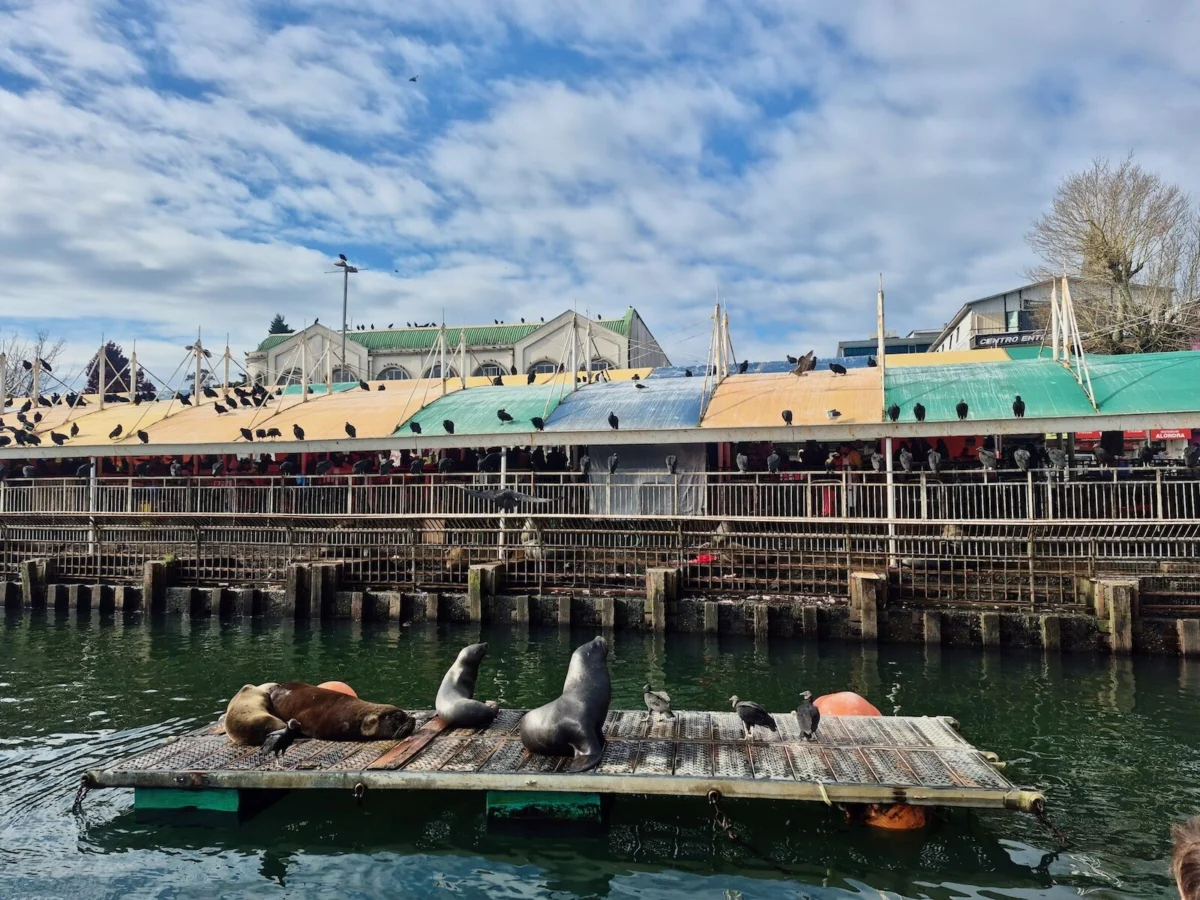
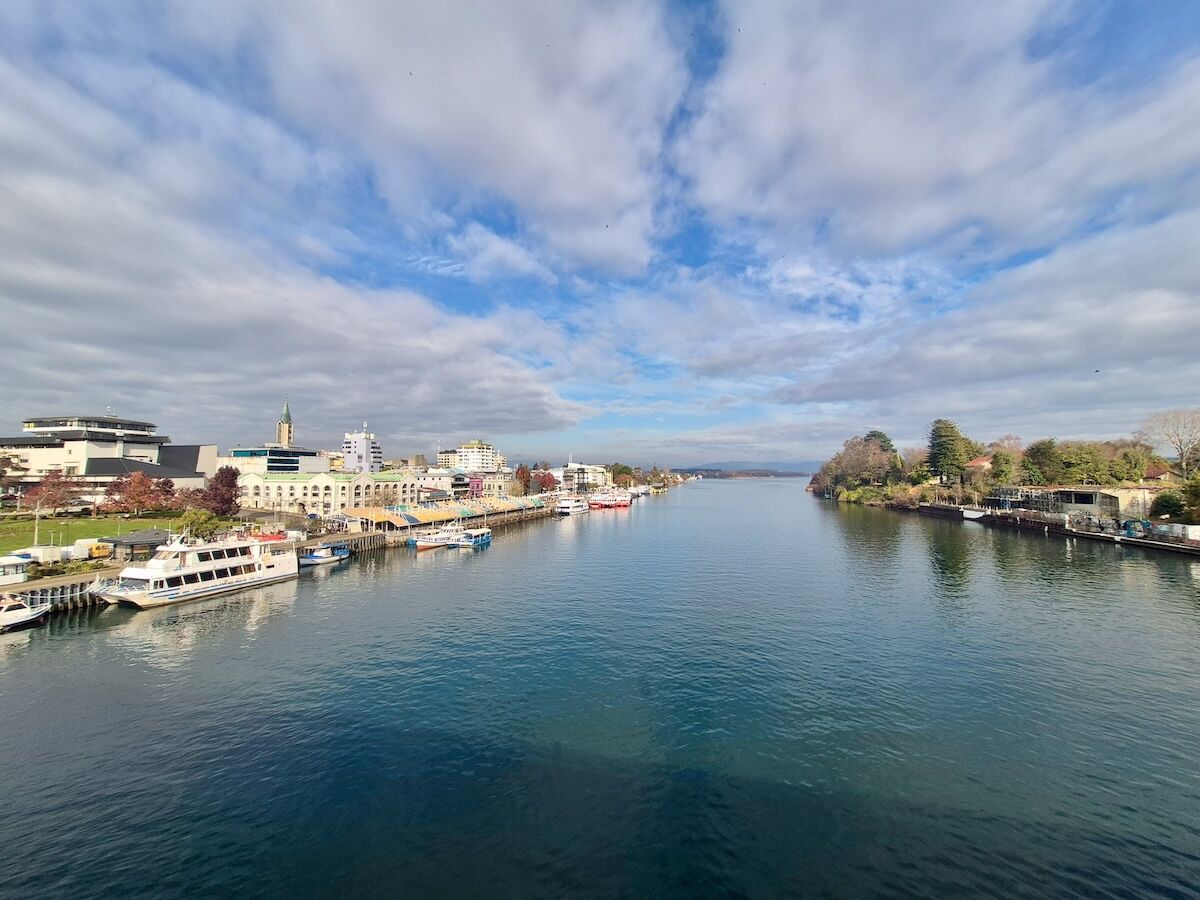
In the heart of southern Chile, where the Valdivian rainforest meets the churning Pacific, lies a city defined by its water. Valdivia, the capital of the Los Ríos region, is a place of profound geographical trauma and cultural rebirth. It is a city that has survived the most powerful earthquake in recorded history, a place where German heritage flows through the taps of world-class breweries, and where the line between urban life and wild nature is perpetually blurred by the presence of sea lions and the rise of the tides.
The Liquid Capital: A Legacy of Brewing
To understand Valdivia, one must understand its relationship with fermentation. The city’s identity as the "Capital of Beer" in Chile is not merely a marketing slogan; it is the result of a 19th-century cultural collision.
The German Migration and the Birth of an Industry
In the mid-1800s, the Chilean government initiated a colonization program to boost the nation’s economy, inviting German settlers to the southern frontier. Among these pioneers was Carlos Anwandter, who arrived in 1851 and quickly established one of the nation’s first commercial breweries.
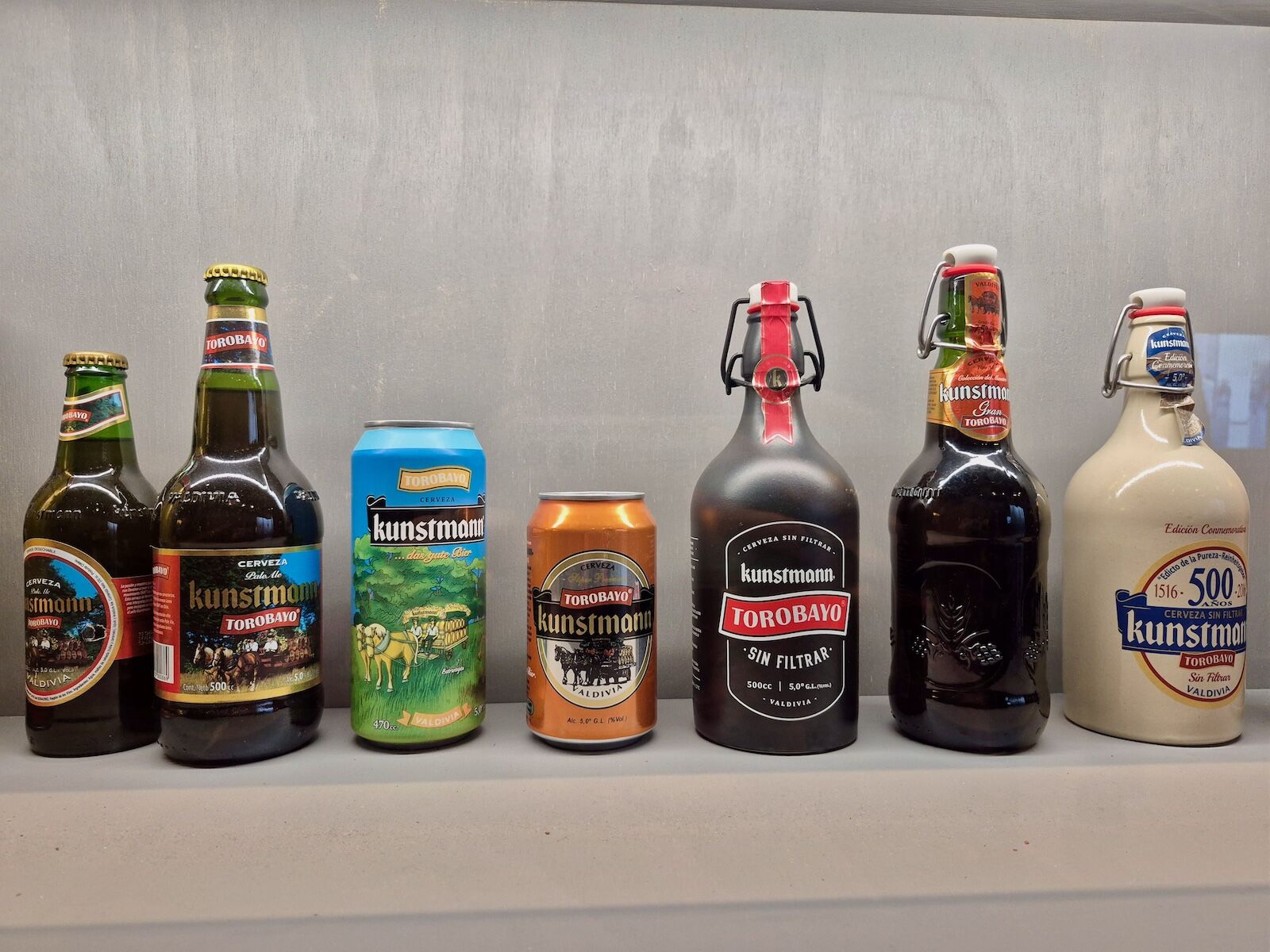
While Anwandter’s original industrial footprint was eventually erased by the seismic activity of the 20th century, the cultural seed had been planted. In the 1990s, Armin Kunstmann breathed new life into this tradition, founding the Cervecería Kunstmann. Today, the Kunstmann brand is synonymous with Chilean craft beer, serving as a pillar of the local economy and a major tourist draw.
Chronology of Brewing Development
- 1851: Carlos Anwandter establishes the first commercial brewery in the Valdivia region.
- 1960: The Great Chilean Earthquake destroys much of the city’s colonial infrastructure, halting early industrial brewing efforts.
- 1990s: Armin Kunstmann revives the German-Chilean brewing tradition, modernizing the craft for a new generation.
- 2007: The creation of the Los Ríos administrative region revitalizes local tourism and artisanal food/beverage investment.
- Present Day: The city hosts the annual Kunstmann Bierfest, a massive celebration in late January that pays homage to Munich’s Oktoberfest traditions.
Supporting Data: The Science of the Brew
The success of Valdivia’s beer scene is inextricably linked to its hydrology. Brewing experts at Cervecería Kunstmann frequently point to the region’s unique water profile—sourced from the pristine basins of the Valdivian rainforest and the Estancilla wetland—as the primary ingredient in their distinct flavor profiles.
Beyond the traditional German lagers and amber ales, the local palate has evolved. Modern brewpubs like El Growler, located on the scenic Isla Teja, showcase a shift toward international craft methodologies. Founded by Oregon transplant Joel Driver, the establishment represents the "new wave" of Valdivian brewing: mixing Belgian and American IPA styles with traditional Chilean ingredients.
Economic Implications of the Brewing Sector:
- Tourism Impact: The beer industry drives a significant portion of regional tourism, with brewery tours serving as the primary anchor for international visitors.
- Gastronomic Integration: The local specialty, crudos (a Chilean-German take on steak tartare), has become the standard pairing for local ales, creating a unique "gastronomic corridor" in the city center.
The 1960 Great Chilean Earthquake: A City Transformed
Valdivia’s geography is a direct result of the 1960 Valdivia Earthquake (also known as the Great Chilean Earthquake). Measuring 9.5 on the moment magnitude scale, it remains the most powerful earthquake ever recorded.
Implications of the Seismic Shift
The earthquake did more than collapse buildings; it fundamentally altered the map. The land in and around Valdivia sank by up to six-and-a-half feet, causing the ocean to surge into river basins and turning dry plains into permanent wetlands. This sudden transformation created the labyrinthine river system that defines the city today.
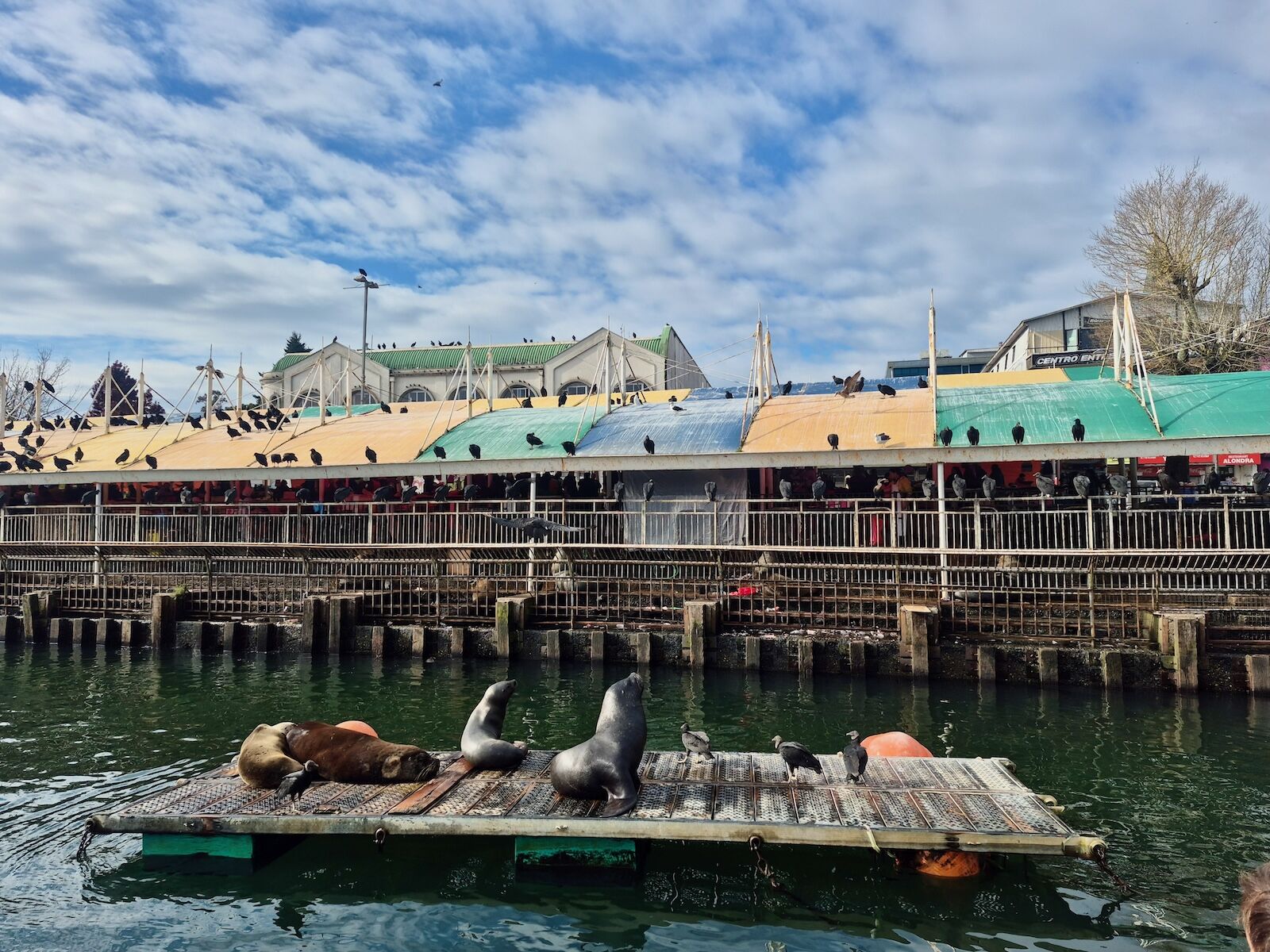
Today, this disaster is interpreted as a site of resilience. The city’s history is preserved through remnants like the ruins of the colonial-era fortifications in Niebla and the surviving colonial architecture on Isla Teja. Visitors can witness this history firsthand through boat tours that navigate the now-submerged landscapes, where the sounds of the city are punctuated by the barking of the lobos marinos (South American sea lions).
Official Perspectives: Navigating the Underwater Frontier
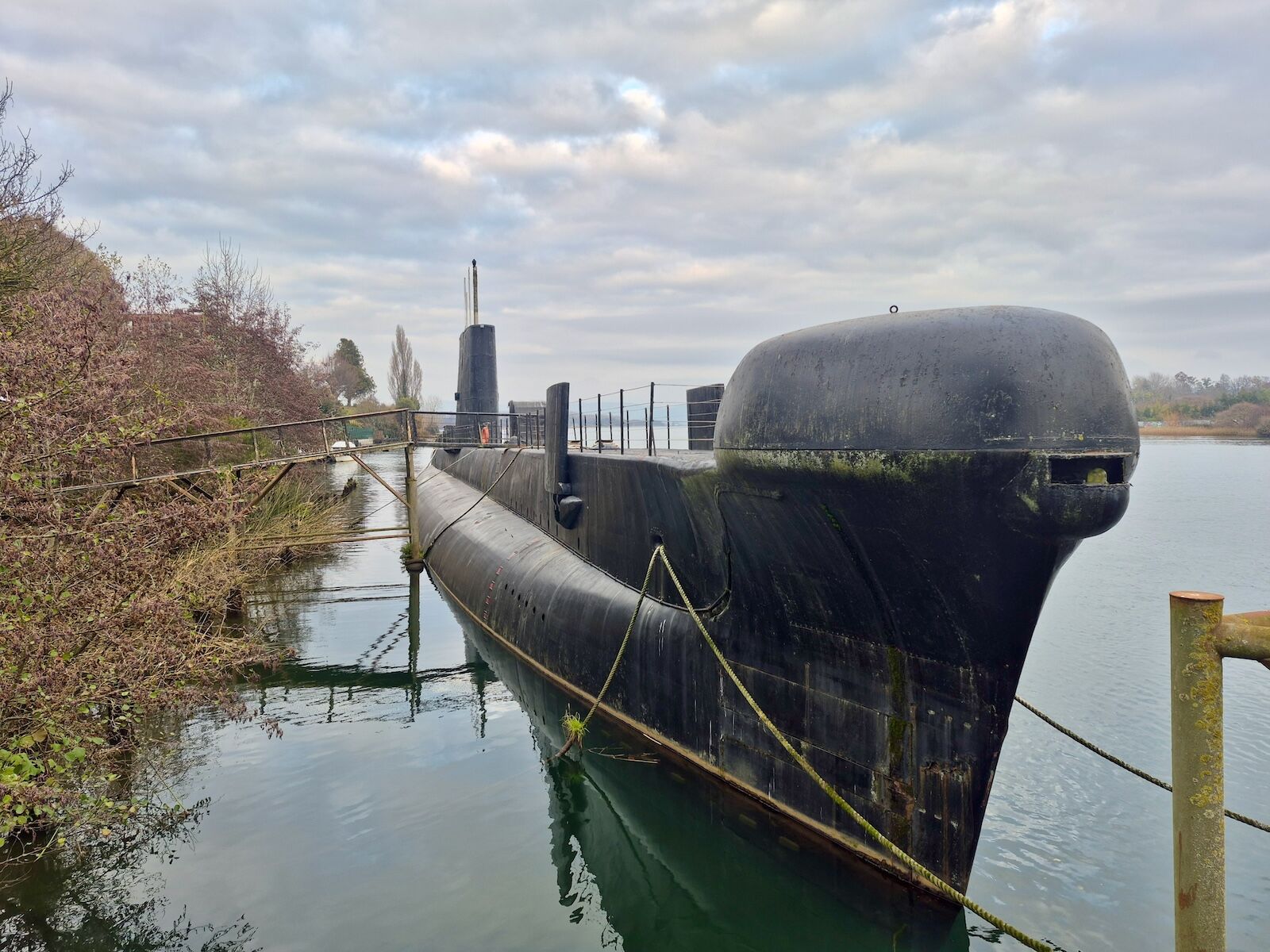
One of the most unconventional tourist attractions in the Southern Hemisphere is the O’Brien, a decommissioned Oberon-class submarine now permanently docked in Valdivia.
The Submarine Experience
The O’Brien, engineered in Scotland in 1971 and operated by the Chilean Navy, provides a stark contrast to the verdant, airy environment of the city’s parks. The vessel is a metallic, claustrophobic time capsule that offers an official look into the Cold War-era naval capabilities of Chile.
"The submarine is not just a tourist attraction; it is a mechanical archive," says a local museum curator. "It requires visitors to physically confront the tight, technical reality of naval service."
Visitor Logistics:
- Tours: Conducted in 40-minute windows.
- Accessibility: Due to the narrow hatches and bulkheads, visitors must possess a moderate level of physical mobility.
- Cost: Entry remains highly accessible (approx. 4,000 CLP), making it a focal point for educational school trips and international travelers alike.
Niebla and Corral: The Military Bastions
Traveling downstream from the city center, the Valdivia River empties into the Pacific at the coastal village of Niebla. This region served as the strategic gateway to the southern territories during the Spanish colonial period.
The Castillo de Niebla (Castle of Mist) stands as a monument to a time when cannon fire—not craft beer—was the defining characteristic of the coast. These fortifications were part of a sophisticated defensive network designed to protect the river mouth from pirates and rival colonial powers.
Today, the fort serves as a vantage point for watching the interplay between the Pacific currents and the river discharge. It is here that the boundary between the wild ocean and the urban river network is most apparent. Local officials and environmentalists have worked to integrate these historical sites into a broader "Heritage Trail," which includes not only the military ruins but also the protected ecological zones that have flourished since the 1960s earthquake.
Travel Logistics: The Gateway to the South
Valdivia is increasingly viewed as the essential stopover for travelers navigating the Carretera Austral.
Getting There
- Air: The Pichoy Airport serves as the primary gateway, with daily connections to Santiago.
- Road: Long-distance bus services, such as FlixBus and Turbus, offer overnight routes from Santiago and Valparaíso. These services are widely considered the most comfortable and budget-friendly way to reach the Los Ríos region.
- Local Transit: The "Micro" (public bus) system is the lifeblood of the city, with the #20 line providing vital connectivity between the city center, Isla Teja, and the coastal town of Niebla.
Accommodation Recommendations
For those seeking a stay that reflects the city’s relationship with water, the Hotel Puerta del Sur is the standout choice. Located on the banks of the Cruces River, the hotel offers:
- Direct River Access: Allowing for a serene immersion in the local landscape.
- Sustainable Amenities: Including bike rentals for exploring the nearby university nature reserves.
- Wellness: Barrel hot tubs that overlook the water, providing a relaxing end to a day of exploration.
Conclusion
Valdivia is a city that defies simple categorization. It is a place where German industrial tradition meets the raw, untamed power of the South American wilderness. From the depths of a retired submarine to the heights of a cliffside colonial fortress, and from the malty depths of a craft amber ale to the barks of the sea lions at the Mercado Fluvial, Valdivia demands that its visitors slow down.
As the city continues to grow, it remains anchored by its history—a history defined by the water that rises, the land that sinks, and the people who have chosen, time and again, to build something lasting upon the shifting banks of the river. Whether one arrives for the beer, the history, or the sheer, rugged beauty of the Los Ríos region, the city offers an experience that is as deep and complex as the rivers that run through its heart.
 rifanmuazin
  Basiran
  Azzam Bilal Chamdy