
 By Evan Lee Salim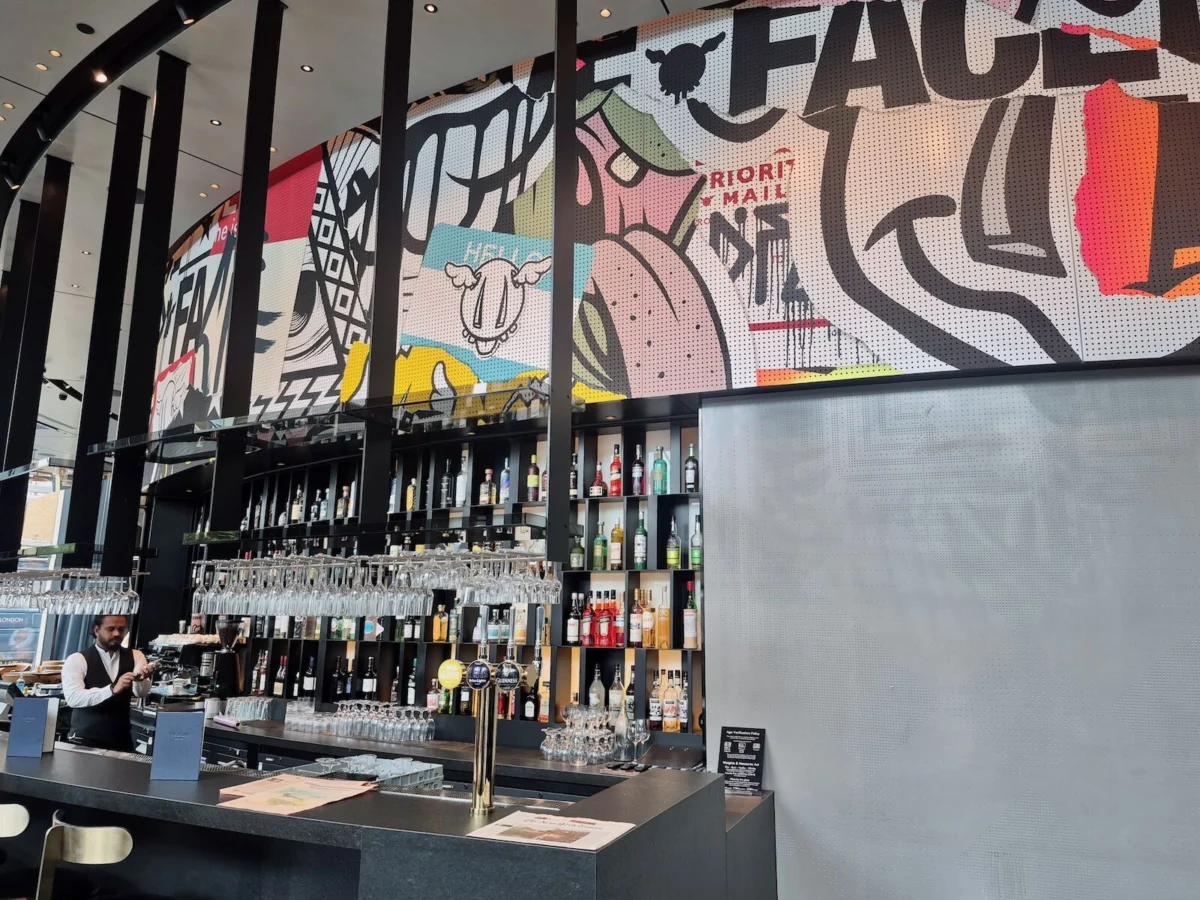
In the ever-evolving landscape of London’s hospitality sector, the definition of "luxury" is undergoing a radical metamorphosis. No longer confined to hushed lobbies and white-glove service, the modern premium stay now demands a soul—a narrative tethered to the local culture. Enter the art’otel London Hoxton, the brand’s second major London venture following the success of its Battersea Power Station flagship. Located in the beating heart of East London, this property isn’t just a place to sleep; it is a meticulously curated gallery that happens to offer five-star amenities.
Main Facts: The Intersection of Heritage and Rebellion
The art’otel London Hoxton occupies a unique space in the city’s architectural history. Upon entering, guests are greeted not by velvet ropes, but by a preservationist’s dream. The property proudly features a reinstalled, nearly 20-foot-tall mural by the elusive Banksy—a striking depiction of a knife-and-fork-wielding rat—salvaged from the original pub that once stood on the site. This juxtaposition of legendary street art with sleek, contemporary hospitality sets the tone for the entire guest experience.
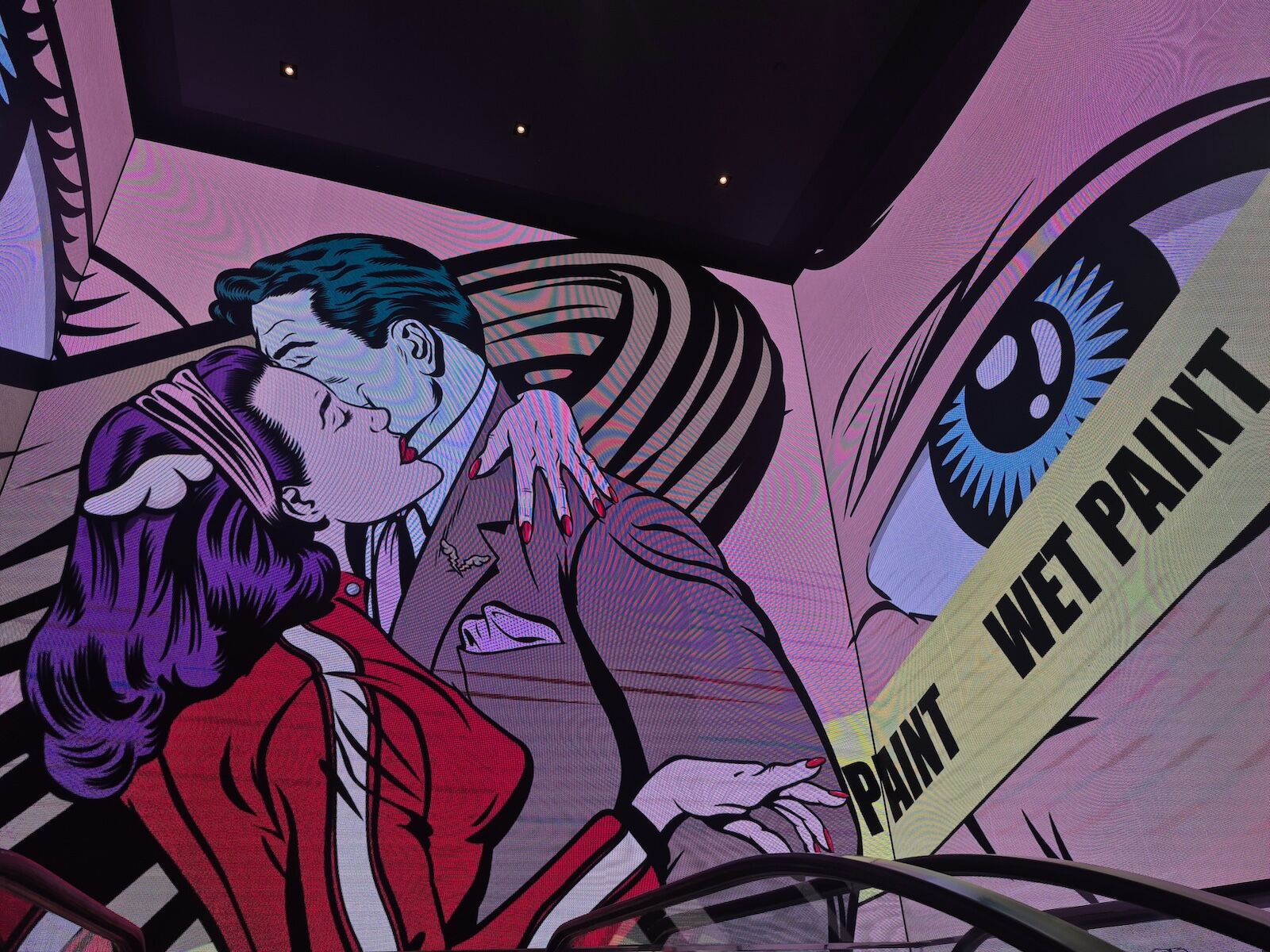
The hotel’s aesthetic identity is primarily defined by the work of *DFace (Dean Stockton)**. A titan of the contemporary urban art scene, Stockton’s influence is pervasive. From his comic-strip-inspired canvases in the lobby to the stenciled motifs adorning the guest rooms, the hotel serves as a living retrospective of a career that spans collaborations with icons like Blink-182 and David Beckham.
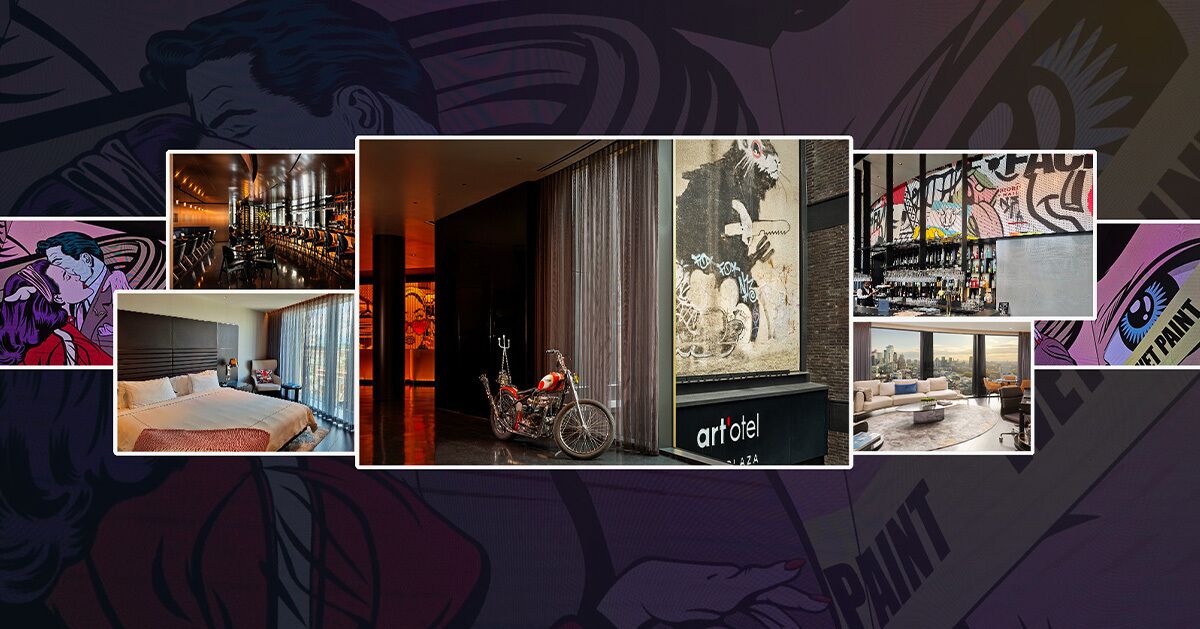
The hotel offers:
- Curated Art Spaces: A dedicated Art Gallery showcasing rotating exhibitions, including AI-driven digital works.
- Strategic Location: Situated within walking distance of Old Street and Liverpool Street, providing seamless access to the Northern Line and the City of London.
- Technological Integration: A centralized, intuitive console for environmental control, balancing high-tech convenience with user-friendly design.
- Wellness Facilities: A 26th-floor gym—the highest in East London—complemented by a heated indoor pool, sauna, and steam room.
Chronology: From Demolition to Cultural Landmark
The journey to the art’otel London Hoxton’s opening was one of careful cultural preservation. The timeline of its development reflects a broader trend in London’s urban planning: the integration of historical street culture into new, high-value developments.
- Pre-Development: The site was home to a storied local pub, a hub for Shoreditch’s gritty, authentic creative spirit. During the demolition phase, developers made the deliberate decision to preserve two specific murals, including the seminal Banksy rat, recognizing their historical and cultural significance.
- The Conceptual Phase: Collaborating with D*Face, the art’otel team aimed to create a property that didn’t just "look" like Shoreditch, but "felt" like it. This involved commissioning original pieces and integrating local artist talks into the hotel’s programming.
- The Soft Opening: Following the success of the Battersea Power Station property, the Hoxton location opened its doors to test a more "underground" creative approach to luxury, focusing on interactive workshops and paste-up sessions.
- Present Day: The hotel now functions as a cultural hub, hosting live music at Solaya, rotating AI-art installations, and weekend "Golden Hour" cocktail events that draw both international travelers and local creative professionals.
Supporting Data: The Anatomy of a Modern Stay
The guest experience at art’otel London Hoxton is engineered for the "creative professional" who values both productivity and sensory stimulation. During a recent stay in a high-floor one-bedroom suite, the efficacy of this design became apparent.
Room Architecture and Comfort
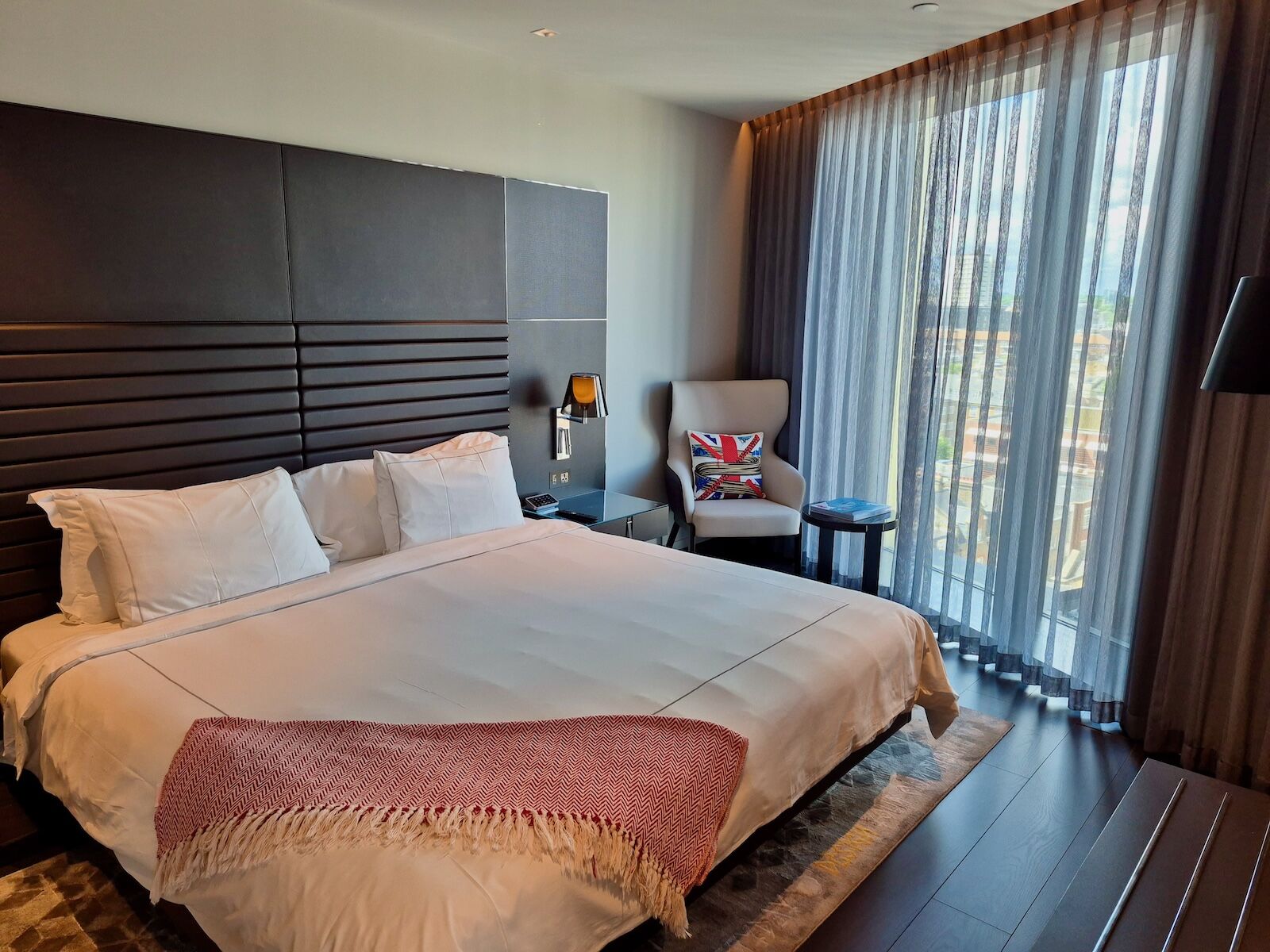
The suite’s design prioritizes light and volume. The curved corner architecture of the high-floor units offers an expansive, cinematic view of the London skyline, where the chaotic geometry of historic churches clashes with the glass-and-steel monoliths of the City. The interior design avoids the sterile minimalism of traditional luxury hotels; instead, it features leather furnishings, custom-designed D*Face sleep masks, and a high-fidelity record player—a nod to the neighborhood’s deep-rooted musical history.
The Technological Edge
One of the most frequent complaints regarding modern, tech-forward hotels is the complexity of their interfaces. The art’otel system manages to buck this trend. By consolidating blackout curtains, climate control, and lighting into a single, intuitive interface, the hotel provides a seamless transition from the high-energy streets of Shoreditch to the sanctuary of the suite. For the summer months, when the London sun begins its ascent as early as 4:00 AM, the efficacy of the blackout system proves to be a significant value-add for the international traveler.
Dining and Wellness
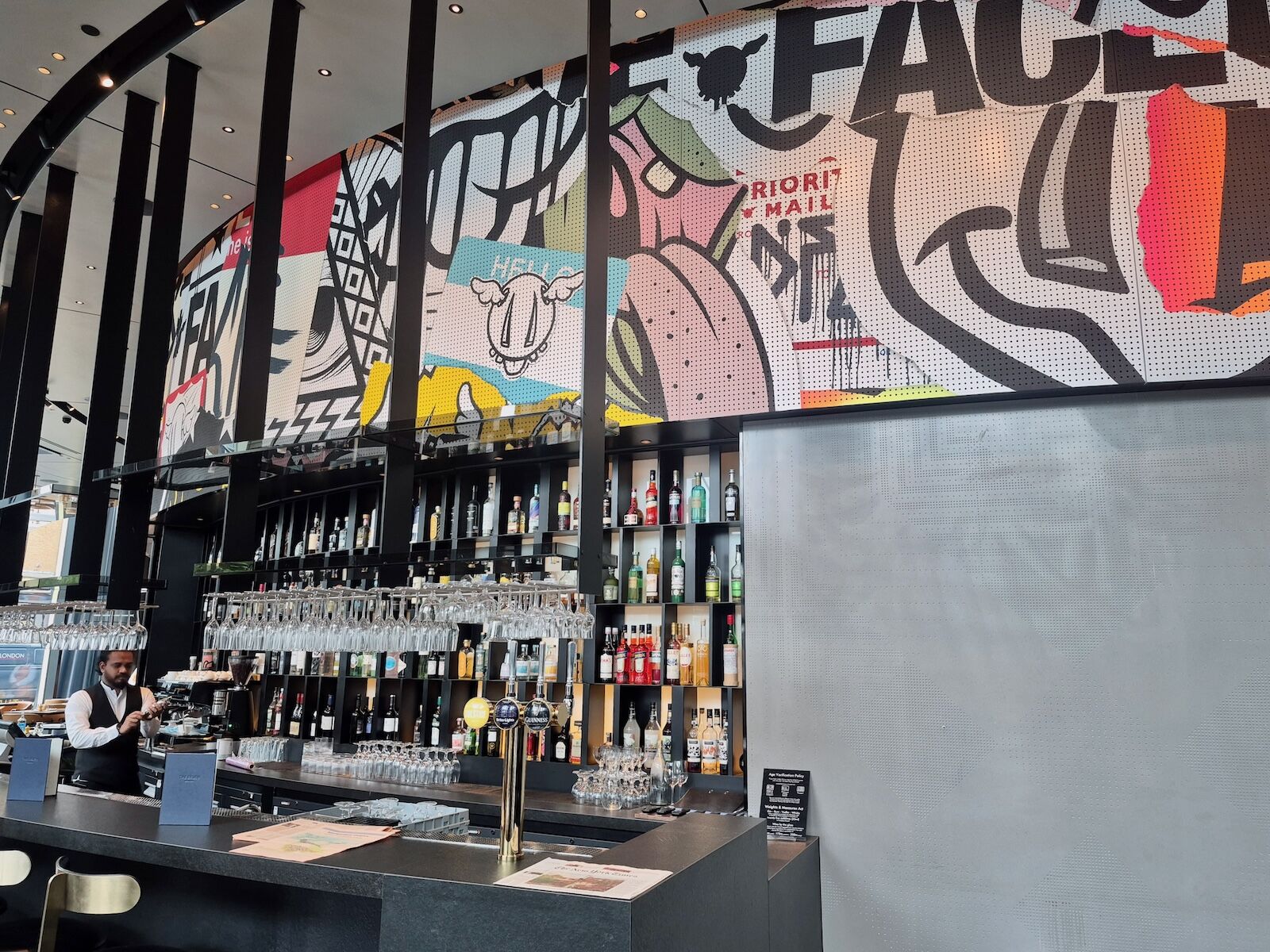
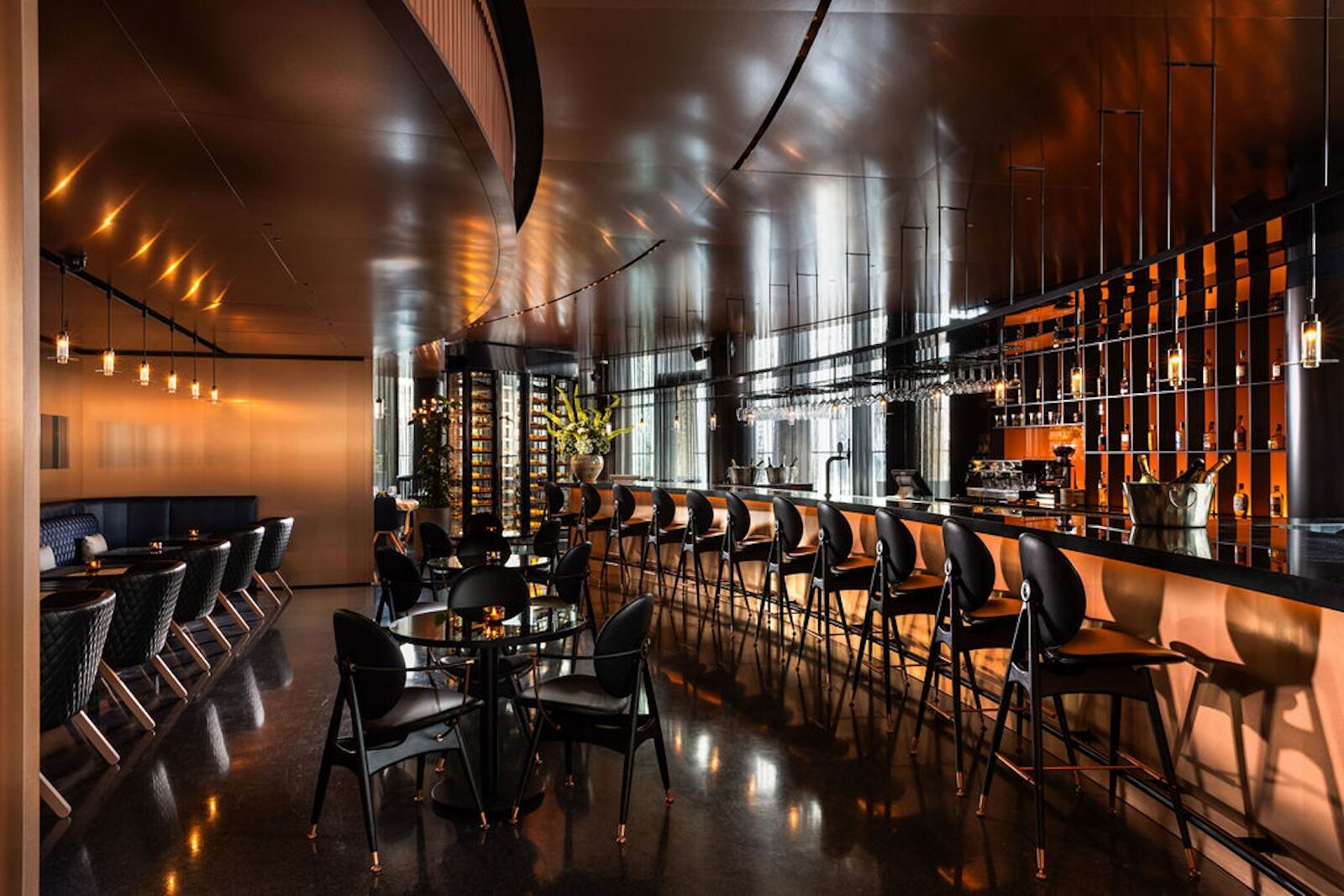
The culinary program is anchored by The Brush Grand Café, which serves as a multifunctional space. By day, it offers a refined buffet; by night, it transitions into a social dining room. Solaya, the Mediterranean-inspired bistro, provides a more intimate setting, perfect for the pre-dinner ritual.
The wellness facilities are perhaps the most impressive in the neighborhood. The 26th-floor gym offers a panoramic view that turns a standard workout into a sightseeing experience. Meanwhile, the basement spa—featuring a pool, steam room, and sauna—provides a necessary decompression zone from the urban bustle.
Official Perspectives: The Philosophy of "Art-First"
The management of art’otel describes the brand’s mission as "democratizing art through immersion." According to spokespeople for the hotel, the objective was never to create a "gallery hotel" in the static sense, but rather a dynamic space where the art evolves.
"By providing a platform for Istanbul-based collectives like Ouchhh Studio or local street artists, we are bridging the gap between the traditional art world and the hospitality sector," a representative noted. The decision to host paste-up workshops and artist-led talks is a deliberate attempt to foster a community rather than just a guest list. This "open-door" philosophy extends to the hotel’s public areas, which are intentionally designed to be "cowork-friendly," inviting local residents to share the space with hotel guests.
Implications: The Future of Shoreditch Hospitality
The success of the art’otel London Hoxton signals a major shift in the London tourism market. Visitors are increasingly seeking out "experiential luxury"—a stay that offers a window into the local underground scene without sacrificing the creature comforts of a five-star hotel.
Economic and Cultural Impact
By positioning itself as a cultural anchor, the hotel is helping to shift the focus of tourism away from the traditional West End/Covent Garden circuit. Guests are now finding themselves embedded in a part of the city that is genuinely alive with creative tension. The proximity to the Barbican Centre—a Brutalist masterpiece—and the Museum of the Home encourages a more intellectual form of tourism.
The "Offbeat" Tourism Trend
Travelers are increasingly gravitating toward the "quirky" side of London. The recommendation to visit the Trapeze Bar or partake in a darts tournament at Flight Club reflects a desire for authentic, albeit curated, local experiences. The art’otel serves as a springboard for these adventures, bridging the gap between the luxury tourist and the urban explorer.
A Sustainable Model for Growth
The adaptive reuse of the site and the preservation of the Banksy murals illustrate a sustainable approach to urban development. By retaining the "soul" of the old pub within the structure of a modern hotel, art’otel demonstrates that high-end development need not come at the expense of historical identity.
Conclusion: A New Standard for Urban Stays
art’otel London Hoxton is more than a boutique hotel; it is a manifestation of contemporary Shoreditch culture. It succeeds because it refuses to be a neutral space. It is loud, it is artistic, and it is unapologetically modern. For the traveler who finds the traditional hotel experience too restrictive or impersonal, this property offers a compelling alternative. It is a place where you can wake up to a view of the Shard, listen to classic records on a turntable, and walk downstairs to engage with the very best of London’s underground art scene. In the landscape of London hospitality, art’otel has not only set a new standard—it has created a destination unto itself.
 Layla Zulfa
  Lina Irawan
  Nana
Nana 