
 By Asep Darmawan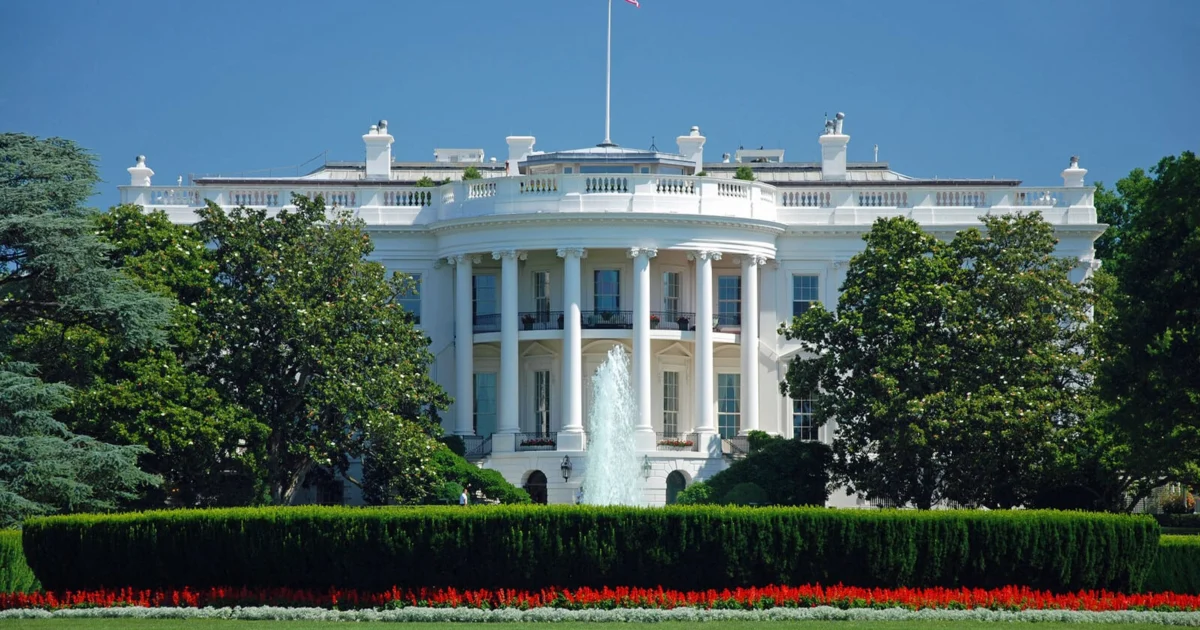
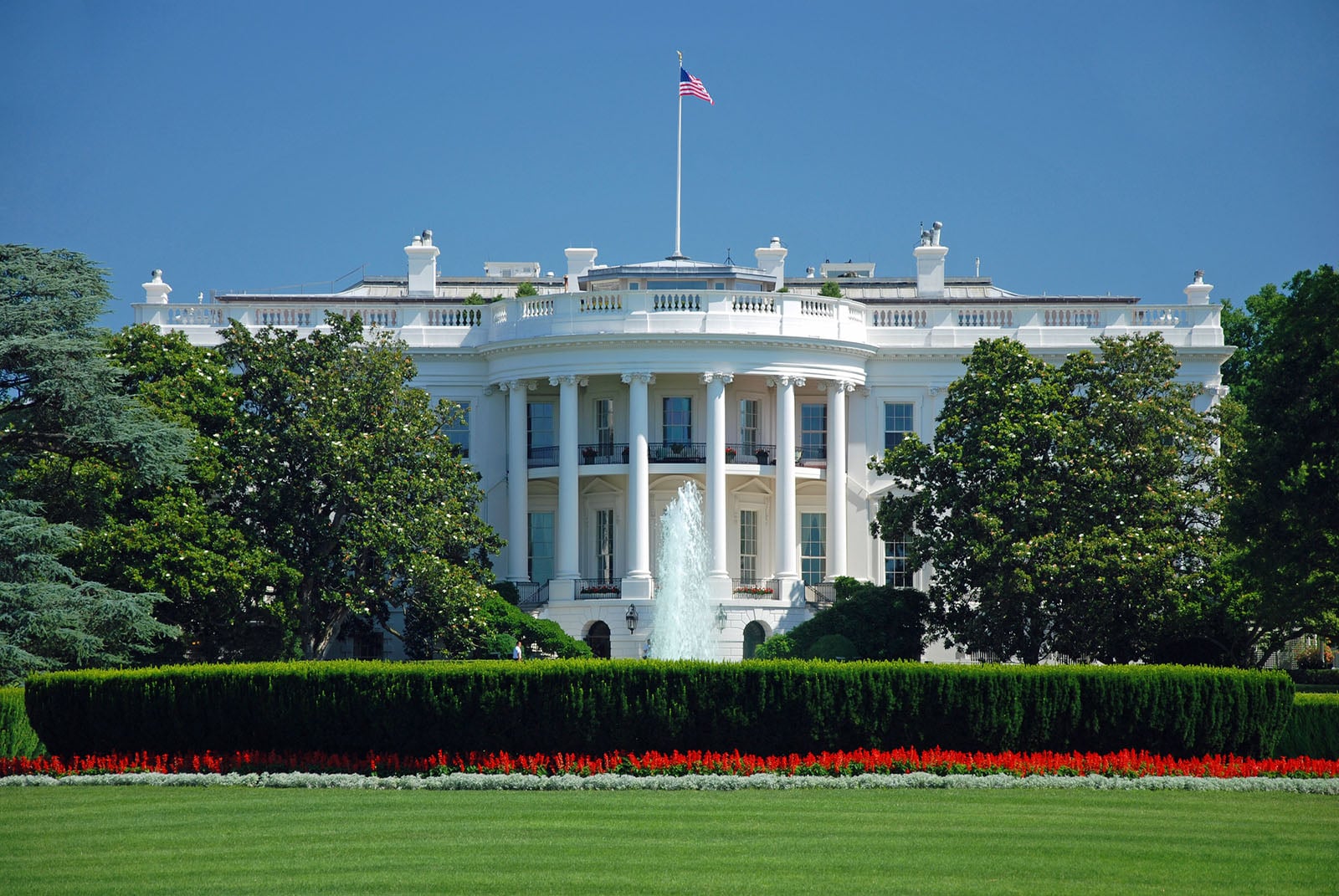
WASHINGTON — Tensions between the White House and the American news media reached a dramatic new peak over the weekend as camera operators and reporters representing several major news organizations were physically barred from entering the executive complex. Secret Service personnel confiscated press credentials at security checkpoints, enforcing a sweeping ban announced just hours earlier by President Donald Trump.
The unprecedented directive, communicated via social media, targets three prominent news outlets—CNN, MS NOW, and Politico—banning them from the White House grounds "effective immediately." The move has ignited fierce condemnation from press freedom advocacy groups, constitutional scholars, and journalism unions, who warn that the administration is weaponizing physical access to punish critical coverage and undermine the foundational tenets of the First Amendment.
Main Facts
The unfolding crisis stems from a sudden social media decree issued by President Trump on Friday. Declaring that certain media entities should no longer be permitted within the seats of government power, the president singled out CNN, MS NOW, and Politico, accusing them of continuous dishonesty.
"Media outlets shouldn’t be able to constantly write or report FICTION and LIES when they’re covering the President of the United States, the Trump Administration, or the United States of America," Trump wrote on Truth Social. He added a warning to the broader media landscape: "Other Fake News Media Outlets to follow." The president’s statement did not cite any specific reporting errors, retractions, or concrete examples to justify the sudden blacklisting.
By the weekend, the directive moved from digital rhetoric to physical enforcement. Camera operators and press personnel arriving for scheduled weekend duties at the West Wing found themselves turned away by U.S. Secret Service officers, who stripped them of their White House press badges at the outer security gates.
This latest action marks the second time during his current term that the Trump administration has levied sweeping bans against established news organizations. In February 2025, the administration blocked the Associated Press (AP) from the White House complex. While initially attributed to a dispute over the AP’s stylebook entry regarding the "Gulf of Mexico versus the Gulf of America," subsequent investigative reports have suggested darker motivations, including the administration’s frustration over the AP’s refusal to hand over rights to Evan Vucci’s Pulitzer-winning photograph of the Butler, Pennsylvania, assassination attempt.
Chronology of Events
To understand how the current standoff materialized, it is necessary to examine the rapid sequence of events that unfolded over the course of a single weekend:
- Friday Afternoon: President Trump takes to Truth Social to publish a blanket condemnation of CNN, MS NOW, and Politico, announcing that their White House access is revoked "effective immediately." He accuses them of reporting "fiction and lies" and hints that additional outlets may soon face similar bans.
- Friday Evening: Legal analysts, press associations, and media executives begin reviewing the announcement, recognizing it as a severe escalation in executive-press hostilities reminiscent of first-term controversies, yet distinctly broader in scope due to the inclusion of multiple top-tier outlets simultaneously.
- Saturday Morning: Media crews assigned to cover weekend developments at the White House arrive at security checkpoints. U.S. Secret Service agents systematically intercept journalists from CNN, MS NOW, and Politico, denying them entry and confiscating their official press credentials.
- Saturday Afternoon: The National Press Photographers Association (NPPA) releases a scathing formal statement condemning the White House’s actions, calling for the immediate and unconditional restoration of press privileges for all barred journalists.
- Sunday and Beyond: Industry-wide discussions begin regarding the collateral damage of the ban—specifically how the exclusion of CNN disrupts the time-honored television pool system, which shares vital visual coverage of the presidency with independent outlets nationwide.
Supporting Data and Historical Context
The revocation of press credentials is not an administrative whim; it strikes at the core of how the American presidency is documented and communicated to the public. Historically, White House press access is managed through a complex interplay of the White House Press Office and the White House Correspondents’ Association (WHCA), ensuring that the executive branch remains accountable to the citizenry via independent observers.
When physical access is abruptly severed, the implications ripple far beyond the targeted newsrooms:
- The Television Pool System: As noted by press advocates, CNN plays a critical role in the rotating television "pool"—a cooperative mechanism where a single network’s camera crew captures footage of the president and distributes it to all other subscribing networks and global outlets. Banning CNN disrupts this infrastructure, complicating the ability of other independent media organizations to secure standard visual documentation.
- Precedents from Term One and Term Two: During his first term, Trump frequently sparred with individual reporters, occasionally revoking the hard passes of high-profile journalists like Jim Acosta of CNN—actions that were subsequently challenged and reversed in federal court. However, his second term has seen a shift toward broader, institutional bans targeting entire news agencies. The February 2025 ban on the Associated Press set a dangerous precedent that has now been normalized and expanded to include television, digital, and print operations.
- Economic and Operational Toll: Major news organizations invest heavily in dedicated White House reporting infrastructure. Denying physical entry forces bureaus to alter their reporting strategies, relying more heavily on second-hand statements, public feeds, and remote observation, which inherently degrades the quality of eyewitness journalism.
Official Responses and Advocacy Statements
The reaction from journalistic organizations was swift and uncompromising. Leaders within the press freedom community emphasized that the government cannot legally use access to public officials as a mechanism of reward or punishment.
Alex Garcia, president of the National Press Photographers Association (NPPA), issued a definitive defense of the constitutional protections afforded to visual journalists:
"The First Amendment’s protection of a free press does not depend on whether the President likes a journalist’s questions, images, or reporting," Garcia stated. "The government cannot use access to the White House as a reward for favorable coverage or withdraw it as punishment for critical coverage. Those constitutional protections belong to photographers and video journalists as well as to reporters."
Garcia underscored the irreplaceable nature of physical presence for visual storytellers, noting that camera operators and photographers do not simply illustrate news—they record history as it happens.
"For photographers and camera operators, physical proximity is indispensable," Garcia continued. "They must be present to photograph and record events as they unfold, including unscripted moments that cannot be recreated afterward. Their images become part of the visual history of the presidency and let the public see government at work."
Thus far, the White House Press Office has not provided a detailed legal justification for the bans beyond the president’s initial social media posts, leaving legal scholars to anticipate upcoming lawsuits from media coalitions arguing violations of the First Amendment and the Due Process Clause.
Implications for the Future of American Journalism
The decision to lock out CNN, MS NOW, and Politico carries profound implications for the future of democratic governance and the relationship between the executive branch and the Fourth Estate.
As the administration signals that "other Fake News Media Outlets to follow," newsrooms across the country are bracing for a prolonged constitutional battle. The core question is whether a sitting president possesses the unchecked authority to decide which tax-paying citizens and commercial news entities are permitted to witness the inner workings of the executive branch.
Legal experts suggest that barring specific media organizations based on editorial viewpoint violates established constitutional principles prohibiting viewpoint discrimination by the government. Previous federal court rulings have established that while the White House has wide latitude to manage security and space limitations, it cannot arbitrarily expel journalists from a designated public forum simply because it dislikes their reporting.
If left unchallenged, the precedent established by the Trump administration could fundamentally alter the landscape of political journalism in the United States. It threatens to create a two-tiered system where only compliant, uncritical outlets are granted physical access to the halls of power, leaving the public with a sanitized, state-filtered view of the presidency. For now, journalists, editors, and legal teams are preparing for what promises to be a landmark legal showdown over the boundaries of executive power and the enduring strength of the First Amendment.
 Siti Muinah
  Lina Irawan
  Suro Senen