
 By Neng Nana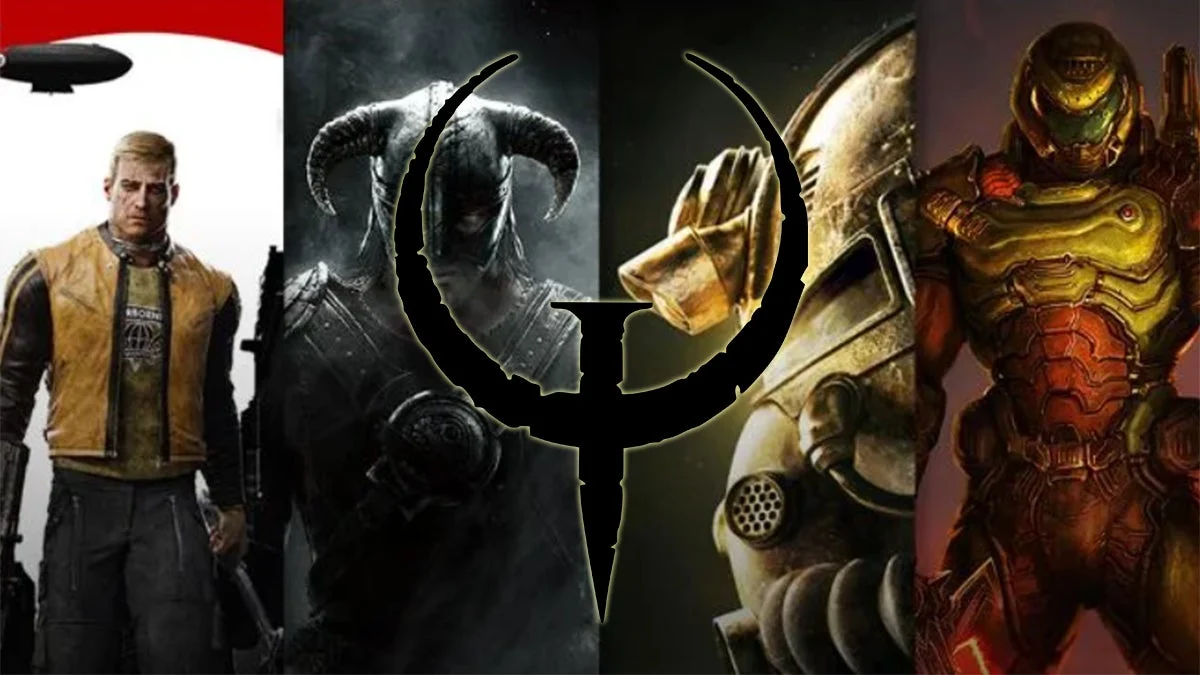
In a move that has sent shockwaves through the video game industry, Microsoft and Xbox have initiated a massive organizational restructuring. As part of a broader plan to cut approximately 3,200 jobs across the division before the end of the 2027 fiscal year, the gaming giant is moving to streamline its portfolio. While the directive involves divesting from several external studios, the internal impact on ZeniMax Media and its flagship subsidiary, Bethesda Softworks, represents a tectonic shift in how one of the industry’s most storied publishers will operate moving forward.
The Scope of the Restructuring
The announcement confirms that while no specific studios under the ZeniMax umbrella are slated for total closure, they are not immune to the austerity measures sweeping through the organization. Employees across the Bethesda ecosystem are facing significant layoffs as part of a wider effort to align corporate resources with a new, narrow strategic focus.
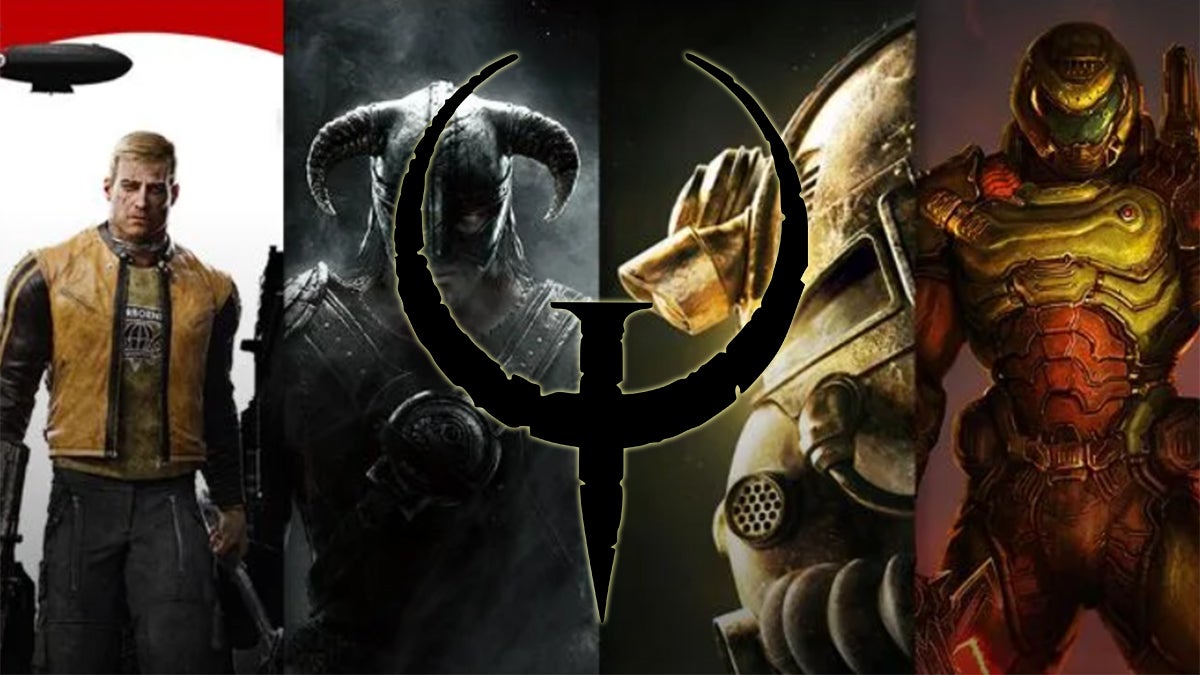
The mandate, as reported by Bloomberg’s Jason Schreier and Brody Ford, is clear: ZeniMax is shifting its entire operational weight toward its "biggest franchises." This pivot effectively signals the end of an era for experimental or mid-tier projects, favoring instead the guaranteed returns of established intellectual property: Fallout, The Elder Scrolls, Doom, Quake, and Wolfenstein.
A Chronology of the Shift
The seeds of this overhaul were sown months ago as Microsoft struggled to balance the high overhead of its sprawling studio network with the changing realities of the market.
- Early 2026: Rumors of fiscal pressure at Microsoft begin to leak, suggesting that the "Game Pass growth at any cost" model is being scrutinized.
- Mid-2026: Reports emerge of a sweeping audit across all ZeniMax-owned studios. Internally, project roadmaps are frozen as management assesses which titles align with the new, "IP-first" strategy.
- July 2026: The official announcement of 3,200 job cuts is made. Concurrently, news breaks that ZeniMax will undergo a "significant overhaul" to refocus on its core pillars.
- July 7, 2026: Doom: The Dark Ages – Revelations is released, serving as a bittersweet milestone—marking the latest output from id Software even as the studio faces its own internal downsizing.
Supporting Data: Why the Pivot to Legacy IP?
The decision to double down on legacy franchises is largely a reaction to the massive success of the Fallout television series. The show’s critical and commercial reception created a surge in demand that Bethesda’s current development pipeline was ill-equipped to meet.
Currently, the Fallout franchise is sustained primarily by Fallout 76 updates and the mobile-centric Fallout Shelter. While fans have clamored for a Fallout 3 remaster or a new mainline entry, Bethesda Game Studios (BGS) has been locked into long-term development cycles for Starfield and the long-anticipated The Elder Scrolls VI.

By focusing on these "tried-and-tested" IPs, Microsoft is attempting to capitalize on brand recognition that requires less marketing heavy-lifting. However, this creates a secondary casualty: Starfield. Once hailed as the flagship new IP for the Xbox ecosystem, its long-term viability is now in question. While developers have publicly stated that "more content is coming," the shift in corporate focus suggests that Starfield will receive fewer resources as the company pivots to ensure The Elder Scrolls VI becomes the undisputed centerpiece of the Xbox portfolio.
id Software and MachineGames: The New Frontline
The restructuring does not spare the industry’s elite developers. id Software, the legendary studio behind Doom, is facing staff reductions despite the launch of Doom: The Dark Ages – Revelations. Sources indicate that while the studio had aspirations to expand the current Doom saga, the new mandate likely pushes them toward a revival of Quake. Having seen success with Quake remasters and consistent community support for Quake Champions, Microsoft appears to view the series as a low-risk, high-reward asset for the modern era.
Similarly, MachineGames, which has been working on Indiana Jones and the Great Circle, is now expected to pivot back to its roots: Wolfenstein. With a Wolfenstein television adaptation in the works, there is clear synergy to be exploited, mirroring the successful Fallout blueprint. However, the future of the Indiana Jones project remains murky. Since the property is held by Disney and Lucasfilm, it remains to be seen if Xbox will continue to fund "mercenary work" on licensed titles when the directive is to prioritize owned, evergreen intellectual property.

Official Responses and Internal Climate
While Microsoft has kept official statements regarding the layoffs brief and corporate, the mood inside the affected studios is described as somber. The language used by leadership emphasizes "efficiency" and "alignment," but for the rank-and-file developers, the message is one of extreme vulnerability.
The most concerning element for the broader gaming community is the fate of "Tier 2" properties. Franchises like Prey, Deathloop, and Dishonored are conspicuously absent from the list of priorities. This has led to widespread speculation—and reports—that studios like Arkane are being prepared for divestment. Despite being deep into the development of Marvel’s Blade, the uncertainty surrounding Arkane’s future suggests that Microsoft is willing to sell off even high-performing teams if they do not fit into the "core franchise" strategy.
Long-Term Implications
The implications of this strategy are profound. By concentrating its resources on a handful of massive, multi-generational franchises, Xbox is essentially turning ZeniMax into a "super-publisher" for a few select brands. This is a defensive move—an attempt to insulate the company from the volatility of launching new, unproven titles.

However, the risk is significant. Gaming, as an industry, thrives on innovation. By mandating a focus on The Elder Scrolls and Doom, Microsoft risks stagnation. If the company divests itself of studios like Arkane, it loses the creative diversity that once defined the ZeniMax acquisition.
Furthermore, the pressure on the teams remaining is immense. The Elder Scrolls VI must now be a "perfect" launch to justify the years of corporate consolidation. If these legacy IPs fail to perform, or if the "remaster-and-sequel" strategy fails to capture the interest of the modern, younger demographic, Microsoft will find itself in a precarious position with no "next big thing" to fall back on.
As we look toward the remainder of the 2027 fiscal year, the industry will be watching closely. Will the focus on core pillars lead to a new golden age of Bethesda classics, or will it be remembered as the moment Xbox sacrificed its creative soul on the altar of short-term efficiency? For now, the developers at these studios are left to navigate a new, much narrower reality, waiting to see if their expertise in crafting new worlds will still have a place in a company that only seems interested in the ones they’ve already built.
Summary of Strategic Realignments
- Core Pillars: Fallout, The Elder Scrolls, Doom, Quake, Wolfenstein.
- Displaced/At-Risk: Prey, Deathloop, Dishonored, and potentially licensed projects like Indiana Jones.
- Objective: Maximize ROI on established IP to offset the high costs of the Microsoft gaming division.
- Outlook: A leaner, more conservative ZeniMax, with increased focus on cross-media synergy (TV/Film adaptations) for its core properties.
 Lina Irawan
  Asep Darmawan
  Nana Wu