
 By Azzam Bilal Chamdy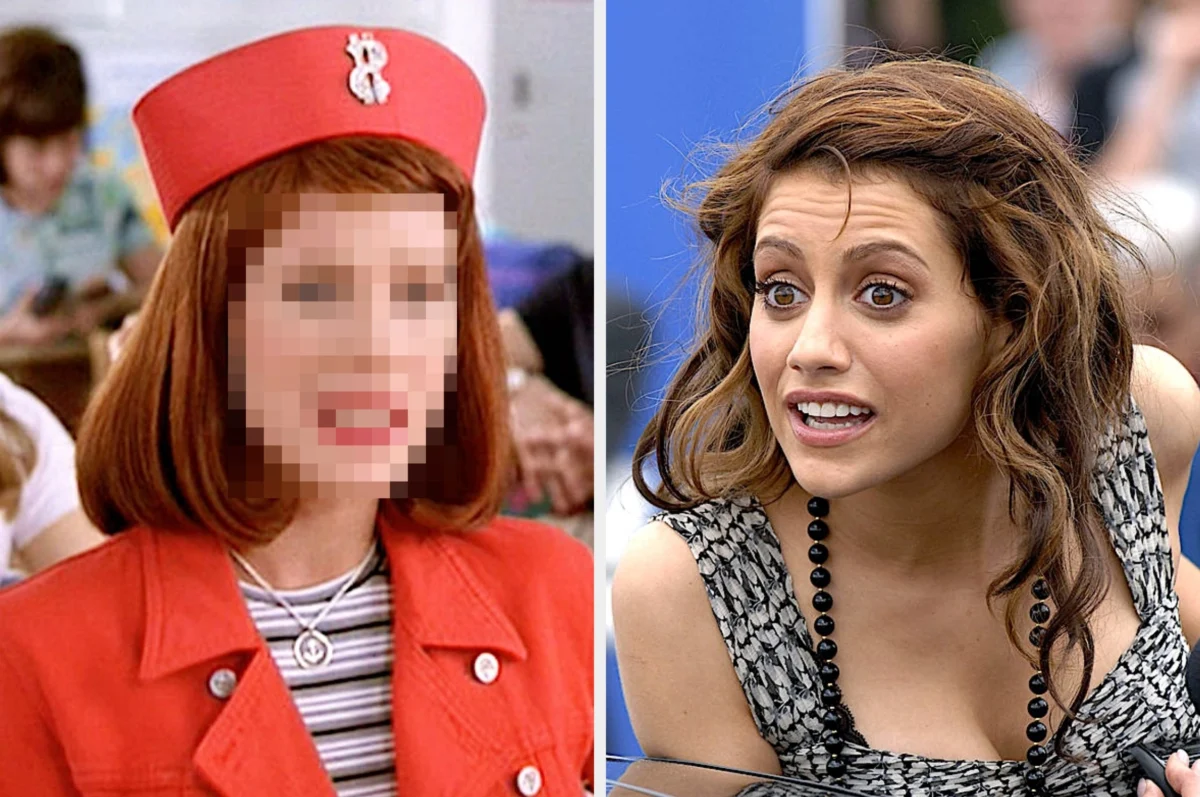
LOS ANGELES — Seventeen years after the entertainment industry was rocked by the sudden passing of beloved actor Brittany Murphy at the age of 32, the tragedy continues to evoke profound grief and lingering questions. While conspiracy theories and speculative narratives have long surrounded the circumstances of her untimely death, those who knew her professionally and personally are increasingly shedding light on a more sobering reality: visible, unchecked physical decline.
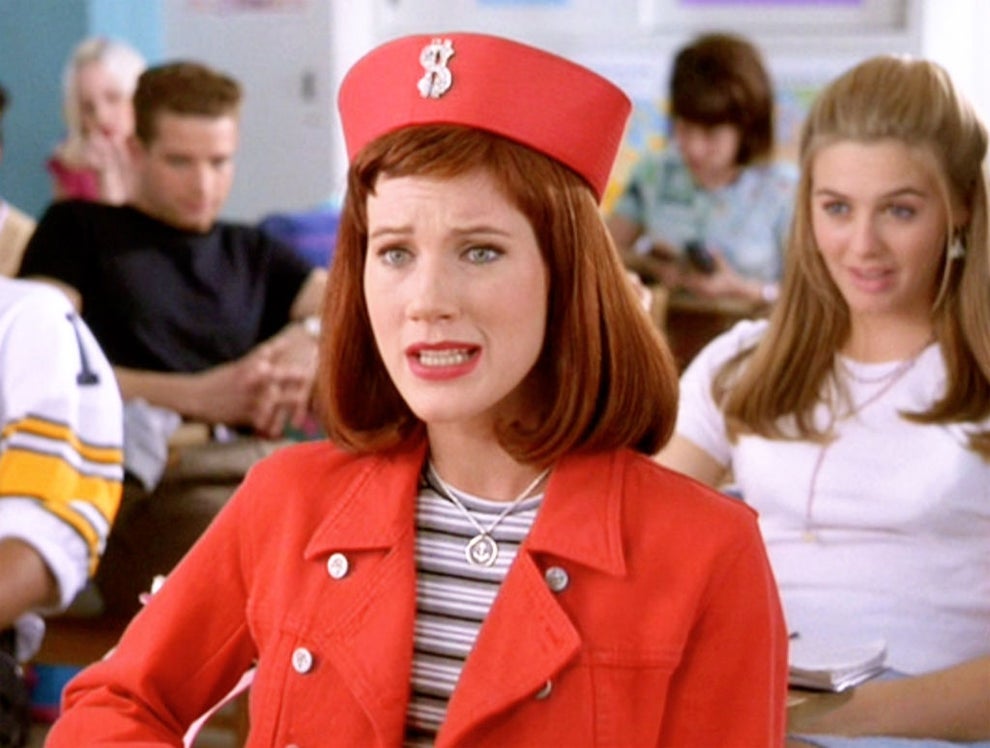
In a recent appearance on the Still Here Hollywood podcast, Murphy’s Clueless costar Elisa Donovan offered a heartbreaking perspective on the late actor’s final years. Donovan admitted that when she received the devastating news of Murphy’s death on December 20, 2009, her initial reaction was not one of shock, but of tragic inevitability.
Donovan’s revelations pull back the curtain on the vulnerabilities faced by young stars navigating the intense pressures of Hollywood, offering a stark reminder of a life cut tragically short by declining health rather than the sensationalized myths that have often dominated tabloid headlines.

Main Facts: The Tragedy of Brittany Murphy
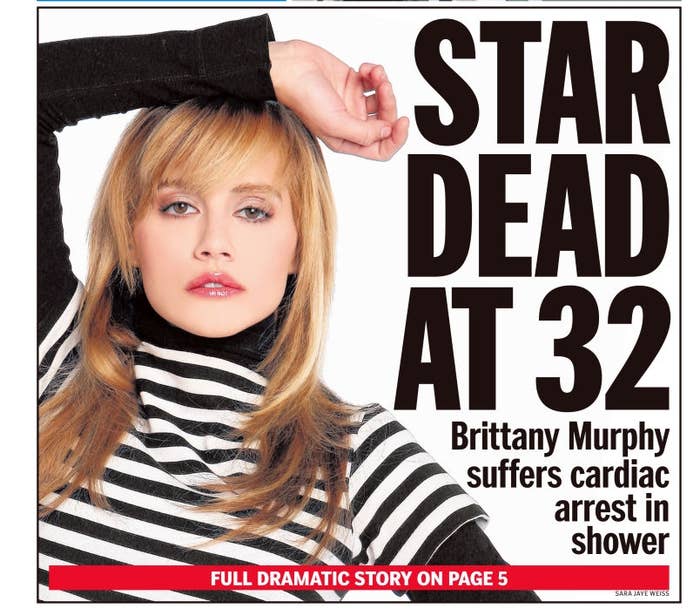
On December 20, 2009, emergency responders were called to a Los Angeles residence where Brittany Murphy was found unresponsive in a bathroom shower. Attempts to revive her were unsuccessful, and she was pronounced dead at the hospital.
The official coroner’s report ruled the death accidental. The primary cause of death was determined to be untreated pneumonia. However, the report also highlighted significant contributing factors, including severe iron-deficiency anemia and multiple drug intoxication resulting from a combination of prescription and over-the-counter medications used to treat respiratory symptoms.
Murphy was just 32 years old. Her sudden passing came as a profound shock to millions of fans worldwide who had watched her grow from a quirky teenage icon into a versatile, critically acclaimed leading lady.
Despite the coroner’s definitive findings, Murphy’s death spawned numerous conspiracy theories over the years, amplified further by the sudden death of her husband, British screenwriter Simon Monjack, under strikingly similar circumstances just five months later. However, close industry peers like Donovan argue that looking for elaborate conspiracies ignores the most painful truth of all: Murphy was visibly fading away long before her heart gave out, and the system around her failed to intervene effectively.
Chronology: From Rising Star to Tragic Decline
To understand the weight of Donovan’s recent remarks, it is essential to trace the arc of Murphy’s career and her trajectory from a vibrant Hollywood fixture to a deeply isolated figure.
The Rise to Stardom (1995–2003)
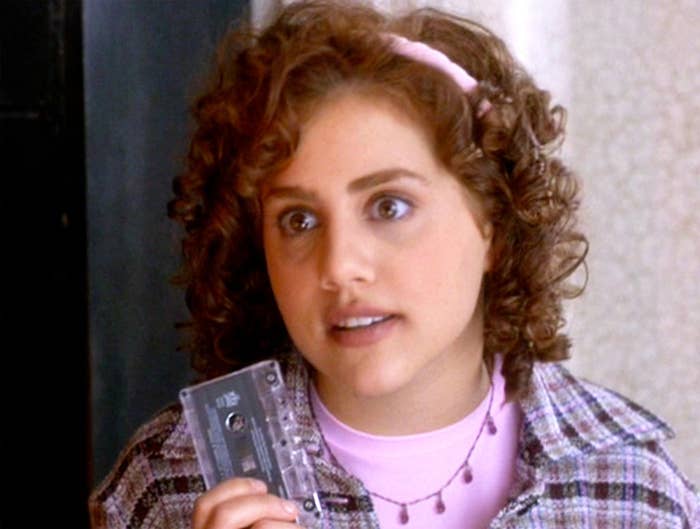
Brittany Murphy captured the public’s imagination in 1995 with her breakout performance as Tai Frasier in the teen classic Clueless, starring alongside Alicia Silverstone and Elisa Donovan. With her expressive eyes, infectious energy, and undeniable comedic timing, Murphy instantly became a defining face of 1990s cinema.
Rather than being typecast as a one-hit wonder, Murphy demonstrated remarkable range over the next decade. She transitioned seamlessly into dramatic cinema, delivering unforgettable performances in films like Girl, Interrupted (1999) alongside Winona Ryder and Angelina Jolie, and Eminem’s semi-autobiographical drama 8 Mile (2002). She also showcased her comedic and romantic appeal in Just Married (2003) alongside Ashton Kutcher and Uptown Girls (2003) opposite Dakota Fanning.
Beyond live-action film, Murphy cemented her place in pop culture history by voicing the lovable Luanne Platter on the animated television series King of the Hill for more than a decade, bringing immense heart and humor to the long-running show.
The Shift and Warning Signs (Mid-to-Late 2000s)
As the decade progressed, public sightings of Murphy became less frequent, and her film choices shifted. Observers and insiders began to notice a drastic change in her physical appearance, marked by extreme weight loss and erratic behavior during public appearances.

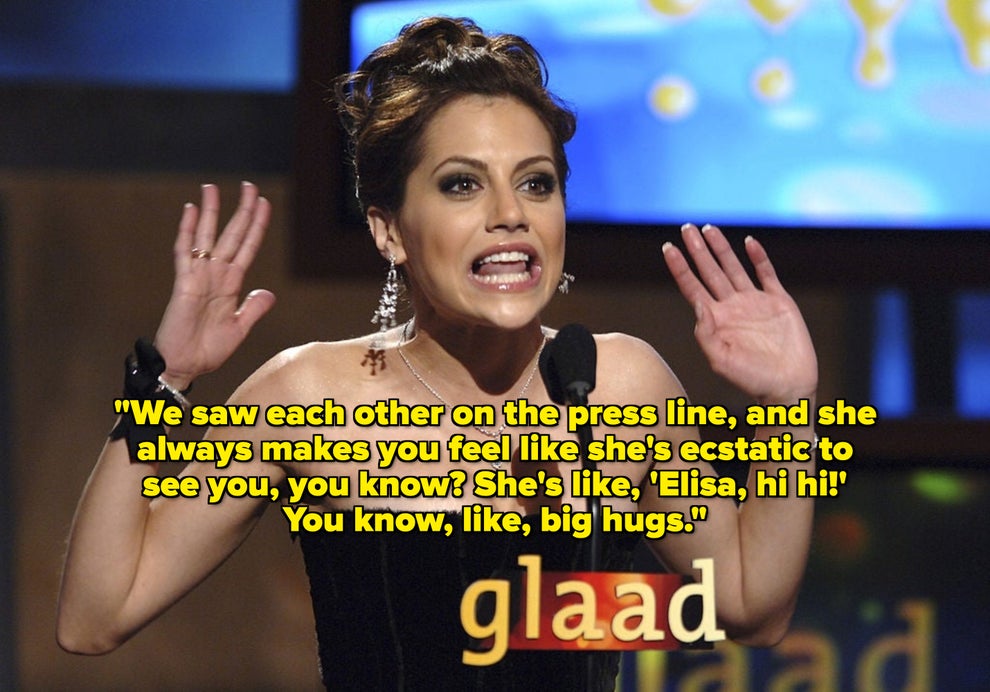
It was during this period that Elisa Donovan crossed paths with Murphy for what would be one of the final times. Appearing at the GLAAD Media Awards—where Murphy was slated to present an award to entertainment icon Liza Minnelli—Donovan witnessed alarming indicators of physical distress.
According to Donovan, Murphy was initially her usual enthusiastic self, greeting her with a warm embrace. However, the physical reality beneath the surface was distressing. Donovan recalled that Murphy’s knees were buckling and her legs were visibly shaking. When Donovan expressed concern and asked if she was okay, Murphy seemed entirely unfazed, failing to comprehend why anyone would be worried about her physical state.
Later that evening, backstage at the event, Donovan’s unease deepened. Watching her former costar struggle to maintain her balance and composure, Donovan was struck by a haunting internal monologue: “She is not healthy. She is not okay. Why is no one helping her?”
The Final Days and Aftermath (2009–Present)
Months after those warning signs went unaddressed by the broader industry, Donovan received the phone call while preparing for a trip to Mexico. At first, she struggled to register who the caller was talking about. When the devastating realization set in that it was Brittany, Donovan’s immediate thought was one of tragic resignation.
Subsequent private conversations with shared acquaintances—including a hairstylist who frequently visited Murphy at her home and expressed deep, private concern over her well-being—reinforced Donovan’s belief that Murphy’s health was in a tailspin long before her final collapse.
Supporting Data: Health, Isolation, and the Medical Findings
The medical examiner’s report on Murphy’s death paints a picture of a body severely weakened by physical neglect and untreated illness. Pneumonia, while treatable with standard medical care and antibiotics, can become fatal when combined with severe underlying issues like anemia and compromised immune function.

- Iron-Deficiency Anemia: Chronic anemia reduces the blood’s ability to carry adequate oxygen to tissues, leading to extreme fatigue, weakness, pale skin, and shortness of breath. Combined with pneumonia, an anemic body lacks the baseline resilience needed to fight off severe respiratory infections.
- Prescription and Over-the-Counter Medication: Toxicology reports indicated that Murphy had been taking various medications to manage her symptoms, including cold and flu remedies, pain relievers, and sedatives. While none of the substances were found to be illegal drugs of abuse, the cocktail of medications contributed to respiratory depression and cardiac stress in an already weakened system.
- The Post-Stardom Transition: Industry analysts note that Murphy’s career had plateaued compared to her blockbuster run in the early 2000s. In an industry notoriously harsh on women experiencing career shifts or physical changes, the lack of a stable support system and professional safety nets likely exacerbated her isolation.
Official Responses: Dispelling the Theories
In the years following Murphy’s death, her passing—and the subsequent death of her husband, Simon Monjack, under remarkably similar medical circumstances (acute pneumonia and severe anemia)—fueled wild speculation.
At various points, conspiracy theories blamed everything from toxic mold in their Hollywood Hills home to foul play orchestrated by government entities or disgruntled associates. The Los Angeles County Department of Public Health thoroughly investigated claims regarding toxic mold, publicly refuting the theory as having no basis in the autopsy findings or environmental assessments.
Elisa Donovan’s recent commentary serves as a direct rebuttal to these sensationalized narratives. By refocusing the conversation on Murphy’s visible, deteriorating health, Donovan cuts through the noise of internet sleuths.
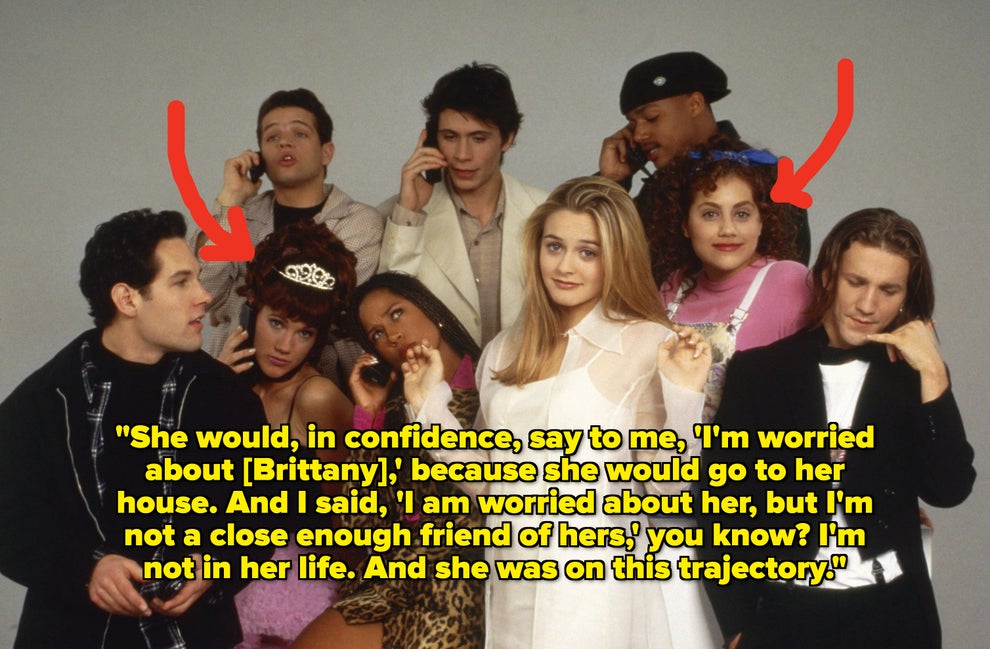
"So all these, like, conspiracy theories of all these—like, no. It’s not that. She was not healthy," Donovan stated firmly during her podcast appearance.
Law enforcement and medical examiners closed the official investigations years ago, ruling both deaths accidental and natural consequences of untreated medical conditions compounded by environmental and physical stressors.
Implications: What Brittany Murphy’s Death Teaches Hollywood Today
The reflections shared by Elisa Donovan transcend a mere celebrity retrospective; they serve as a critical commentary on systemic indifference within the entertainment industry and society at large when high-profile individuals experience visible distress.
- The Isolation of Child and Young Adult Stars: Murphy entered the spotlight as a teenager and spent her formative years navigating the hyper-critical environment of Hollywood. The transition from a bankable box-office draw to an independent artist often comes with a sudden loss of structured support systems, leaving vulnerable individuals isolated.
- The Stigma of Visible Declines: As Donovan noted, observers noticed warning signs—shaking limbs, extreme weight loss, and cognitive detachment—yet felt powerless or ill-equipped to intervene. The tendency of peers and management teams to look away, respect "privacy," or assume someone else is handling the problem creates a dangerous vacuum of accountability.
- De-escalating Sensationalism: By shifting the cultural narrative away from salacious conspiracy theories and back toward the human element of preventable health tragedies, former costars are helping to reclaim Murphy’s legacy. Instead of viewing her death through the lens of a Hollywood mystery, it is increasingly framed as a public health failure and a reminder of the urgent need for empathy and proactive intervention in the lives of those struggling behind closed doors.
Conclusion
Seventeen years after losing a singular talent who brought joy to millions through iconic roles like Tai Frasier and Luanne Platter, the entertainment community is still grappling with the loss of Brittany Murphy. Elisa Donovan’s candid recollections offer no easy comfort, but they offer a vital service: honoring Murphy’s memory not through the myths of Hollywood tragedy, but through the stark, compassionate acknowledgment of a human being who needed help that never arrived.
As conversations around mental health, physical well-being, and industry accountability continue to evolve, the memory of Brittany Murphy remains a poignant reminder of the fragility of life beneath the Hollywood glamour—and the enduring responsibility to look out for one another before it is too late.
 Lina Irawan
  Layla Zulfa
  Asep Darmawan