
 By Lina Irawan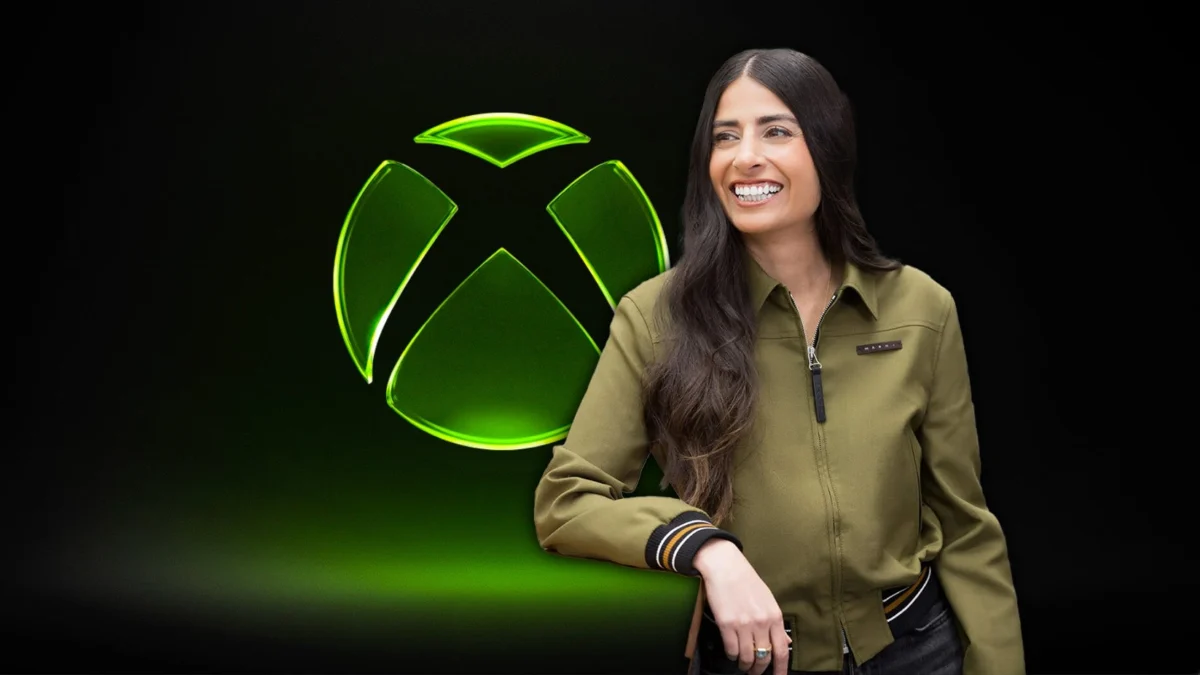
In the high-stakes theater of global gaming, few entities have faced as much scrutiny in 2026 as Xbox. Following a year defined by sweeping structural overhauls, significant workforce reductions, and a radical realignment of its internal studios, the brand finds itself at a crossroads. Amidst this turbulence, CEO Asha Sharma has moved to quash persistent industry rumors regarding a potential sale of the division. As the gaming giant navigates a path toward a "long-term" vision, the industry is left to decipher what the next chapter holds for the iconic green brand.
The State of the Union: A "Reset" in Progress
The year 2026 has been, by any measure, a transformative one for Xbox. Under the guidance of CEO Asha Sharma, the company embarked on what leadership described as a "corporate reset." This strategy, while framed as a necessary evolution for long-term sustainability, has been marked by significant upheaval.
The most jarring statistic of this reset is the planned reduction of 3,200 jobs across the organization—a process scheduled to conclude by the summer of 2027. These cuts have not been limited to administrative or support roles; they have permeated the very core of Xbox’s creative engines.
The restructure has effectively decentralized the traditional Xbox Game Studios model. Three prominent developers—Double Fine, Compulsion Games, and Undead Labs—have been transitioned into independent entities. Meanwhile, the future of other industry stalwarts, such as Hellblade developer Ninja Theory and the legendary Arkane Studios (the team behind Dishonored), remains shrouded in uncertainty as the company evaluates its core competencies and long-term viability.
Chronology: A Year of Seismic Shifts
To understand the current state of Xbox, one must look at the rapid-fire succession of events that have redefined its internal hierarchy:
- Q1 2026: The Initiation of the Reset. Xbox announces the commencement of a multi-phase corporate restructuring, citing the need for greater operational efficiency and a more focused development pipeline.
- Q2 2026: Workforce Reductions. The announcement of 3,200 job cuts sends shockwaves through the industry, sparking debates about the sustainability of massive, multi-studio conglomerates.
- Q3 2026: The "Activision Pivot." In a move that surprised analysts, Xbox transferred management of the flagship Halo franchise to Activision. This was part of a wider shuffle that saw Rare and World’s Edge placed under the Call of Duty publisher, while Obsidian Entertainment was integrated into the Bethesda portfolio.
- Q4 2026: Consolidation and New Alliances. The organization enters a phase of consolidation. With only a handful of studios remaining under the direct Xbox Game Studios umbrella—notably The Coalition, Playground Games, Mojang, and InXile—the company pivots toward securing high-profile third-party partnerships, most notably signing Kojima Productions for the action-stealth title Physint.
The "Sale" Speculation: Why the Market is Watching
The scale of this reorganization led many financial analysts and industry observers to interpret the moves as a "de-risking" strategy. The logic was straightforward: by bundling studios, simplifying the corporate structure, and offloading peripheral properties, Microsoft was theoretically making Xbox a more attractive acquisition target.
For instance, selling a studio like Rare—a storied but niche entity—is difficult in a vacuum. However, bundling it with the engine behind the juggernaut Call of Duty franchise makes the asset significantly more valuable. When rumors surfaced that Microsoft might be looking to exit the hardware manufacturing business entirely, the market began to treat the divestment of studios as a precursor to a total sale of the Xbox brand.
Official Response: Asha Sharma Sets the Record Straight
In a candid interview with The New York Times, CEO Asha Sharma directly addressed the elephant in the room. When asked about the potential for a sale, her response was categorical.
"Xbox is not for sale," Sharma stated. "We will do whatever it takes to set the company up for success, and we will look at the right partnerships, the right operating model, and everything needed to achieve that."
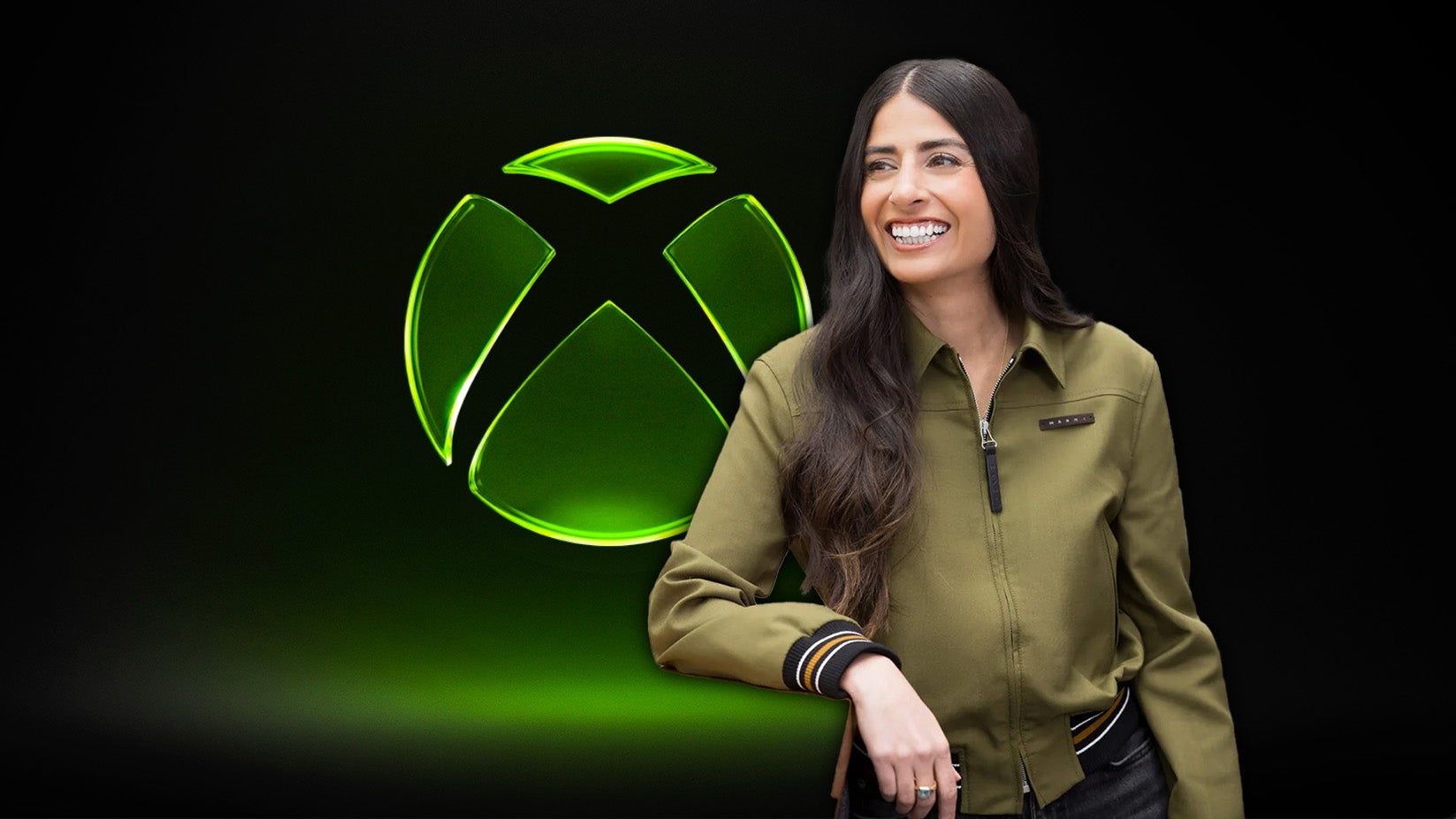
While her denial was absolute, industry experts have been quick to parse the nuance of her follow-up statements. When asked about the possibility of a spin-off—where Xbox might operate as a quasi-independent entity still tightly integrated with Microsoft’s cloud and enterprise infrastructure—Sharma did not offer a definitive rejection. Instead, she emphasized a commitment to the parent company’s long-term interests.
"We’ve got a long way to go with Microsoft," she noted. "We’re going to take the long-term view."
Supporting Data: What Remains of the Empire?
The current footprint of Xbox Game Studios looks vastly different than it did even eighteen months ago. The current "core" structure is significantly leaner, focused on a few high-output, high-reliability pillars:
- The Coalition: Continuing their work on the Gears of War franchise.
- Playground Games: Maintaining the Forza and Fable development cycles.
- Mojang: Sustaining the Minecraft ecosystem, the most consistent revenue generator in the portfolio.
- InXile Entertainment: Currently focusing on the development of Clockwork Revolution.
- Halo Studios: The slimmed-down remnants of the team responsible for the Master Chief’s future.
This concentration of resources indicates a pivot away from the "buy everything" strategy of the early 2020s. Instead, Xbox is betting on fewer, higher-quality, and more reliable development pipelines.
Implications: The Path Forward
What does this mean for the consumer and the industry at large?
The Exclusivity Paradox
Xbox is currently banking heavily on the idea that high-quality exclusives remain the best way to maintain market relevance. The impending release of Gears of War: E-Day and the anticipation surrounding Clockwork Revolution suggest that Xbox is not abandoning the console market. If these titles underperform, however, the pressure for further structural change will only intensify.
The Rise of Strategic Partnerships
The deal with Kojima Productions for Physint is perhaps the most telling indicator of Xbox’s new identity. By stepping in to fund a project that PlayStation reportedly passed on, Xbox is signaling a desire to act as a publisher of "prestige" titles. This shifts the company’s identity from a manufacturer of hardware to a curator of high-end interactive experiences.
The Long-Term Outlook
The "reset" is, ultimately, a gamble on efficiency. By trimming the fat—or, as critics would argue, dismantling its creative diversity—Xbox is attempting to move toward a more agile, responsive model. Whether this will satisfy stakeholders and gamers alike remains to be seen.
What is certain is that the era of aggressive acquisition is over. We have entered the era of the "Streamlined Xbox." Whether that translates to a return to dominance or a slow fading into a third-party publishing role is the question that will define the next decade of the gaming industry. For now, under the leadership of Asha Sharma, the message is clear: Xbox intends to stay, but it will do so on terms that look very different from the past.
 Nana Muazin
  Laily UPN
  Nila Kartika Wati