
 By Lina Irawan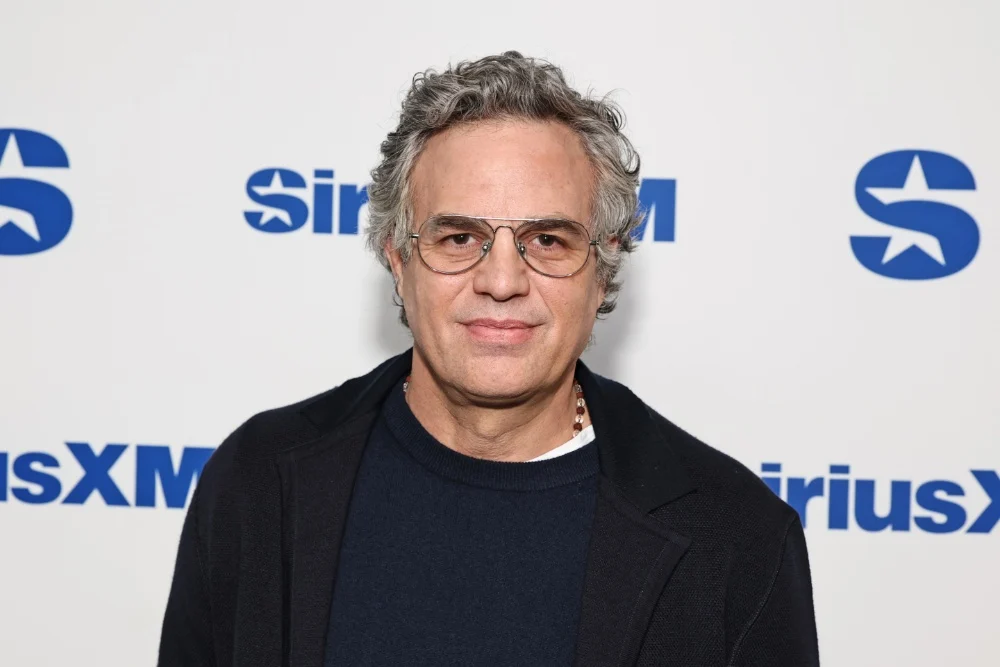
The landscape of American media is on the precipice of a seismic shift. Following a pivotal court ruling this past Wednesday, the proposed merger between Paramount Global and Warner Bros. Discovery has been granted judicial approval, with the transaction tentatively scheduled to close within the coming week. While industry analysts and Wall Street investors view the consolidation as a strategic maneuver to navigate the volatile streaming era, a vocal faction of the creative community—led by Academy Award-nominated actor and activist Mark Ruffalo—has decried the deal as a catastrophic blow to competition, labor, and the democratic integrity of the entertainment industry.
The Approval: A Legal Milestone
The path to this consolidation has been paved with intense legal scrutiny and regulatory hurdles. The judicial decision to greenlight the merger effectively brings an end to a protracted period of uncertainty that has gripped Hollywood since initial rumors of the tie-up began circulating. The settlement, which cleared the path for the deal, has been met with relief by the companies involved, who have long argued that a combined entity is necessary to compete with tech-adjacent rivals and global streaming giants.
However, the approval has reignited a firestorm of criticism from those who fear that the integration of two of Hollywood’s most storied studios will result in a monopolistic stranglehold on content production and distribution.
A Chronology of Opposition
The resistance to this merger was not an overnight phenomenon; it was the culmination of months of sustained advocacy.
- Initial Rumors (Early 2026): As reports of a potential Paramount and Warner Bros. Discovery merger surfaced, industry insiders and labor unions expressed immediate concern regarding the inevitable layoffs and studio closures that typically accompany such massive corporate consolidations.
- The Grassroots Surge: By mid-2026, a coalition of filmmakers, actors, and industry professionals began organizing, collecting tens of thousands of signatures on petitions demanding that regulatory bodies block the deal.
- The Attorney General Intervention: The movement found a strategic ally in a coalition of 12 state attorneys general, led by California’s Rob Bonta, who filed a lawsuit challenging the merger on antitrust grounds.
- The Pressure Campaign: Throughout the month, Mark Ruffalo emerged as the public face of the opposition, utilizing social media platforms like X (formerly Twitter) and Threads to mobilize the public and apply pressure on regulators.
- The Settlement and Final Approval: Despite the public outcry and the legal challenges, the recent settlement—which critics view as a capitulation—effectively removed the final barrier, leading to the court’s decision this week.
Ruffalo’s Stance: Beyond the Silver Screen
Mark Ruffalo’s involvement in this struggle is a continuation of his long-standing commitment to labor rights and environmental activism. His critique of the Paramount-Warner Bros. deal transcends simple industry politics; he frames the merger as a symptom of a broader societal ailment.
In a scathing statement posted to Threads on Wednesday, Ruffalo articulated the gravity of the situation: "This merger will stifle creativity, weaken free speech, and cost people their jobs—it is a bad deal for this country and should never have been approved."
Ruffalo’s rhetoric highlights a growing frustration among the creative class. For the actor, the merger is not merely a business transaction between two conglomerates; it is a battle for the soul of American media. "This was never about just one merger: this was about fighting back against corrupt oligarch billionaires trampling the interests of everyday people to line their own pockets," he added.
Earlier this month, Ruffalo directed his fire specifically at Attorney General Rob Bonta, urging him to stand firm against the settlement. His direct appeal on social media—"Don’t you dare, [Rob Bonta], do not cave"—underscored the intensity of the grassroots movement. By citing the 5,670 filmmakers and 75,000+ supporters who had signed petitions against the deal, Ruffalo sought to remind the AG that his mandate was to protect the public interest, not the balance sheets of media titans.
Supporting Data: The Cost of Consolidation
The economic implications of the merger are profound. Historically, media mergers of this magnitude have resulted in "synergies"—a corporate euphemism that almost invariably results in mass layoffs.
Analysts estimate that the merged entity will seek to slash billions in costs, largely by eliminating redundant departments, closing smaller boutique labels, and consolidating marketing and distribution networks. For the thousands of freelance editors, writers, production staff, and support workers who make up the backbone of Hollywood, this translates to heightened job insecurity.
Furthermore, antitrust experts have raised concerns about the "monopsony" power of a combined Paramount-Warner Bros. entity. When two major purchasers of labor and creative content merge, they gain outsized leverage to suppress wages and control the terms of engagement for creative talent. This reduction in the number of "buyers" in the market means that creators have fewer venues to pitch projects, which ultimately leads to a homogenization of content and a reduction in the diversity of voices heard on screen.
Official Responses and Corporate Strategy
The corporations involved have maintained a consistent message: the merger is a defensive necessity. In their view, the traditional Hollywood model is dying, besieged by social media, gaming, and the global dominance of platforms like Netflix and Amazon.
Spokespeople for the companies have argued that the combined entity will be better positioned to invest in cutting-edge technology, sustain massive production budgets for tentpole franchises, and maintain a competitive edge in the international streaming market. They contend that without this merger, both companies would remain vulnerable to acquisition by entities with even less interest in preserving the legacy of American cinema.
However, these arguments have failed to appease critics who point out that the "big get bigger" strategy has historically failed to produce innovation. Instead, they argue, it leads to higher prices for consumers, less pay for workers, and an industry that prioritizes intellectual property recycling over original, risky storytelling.
Implications for the Future of Media
The fallout from this merger will likely be felt for years to come. As the legal dust settles, the industry faces several critical questions:
- The Fate of Creative Autonomy: Will iconic sub-studios under the Paramount and Warner banners retain their unique identities, or will they be subsumed into a singular, risk-averse corporate machine?
- The Regulatory Precedent: The approval of this merger sends a signal to other conglomerates that the current antitrust climate is permissive. This could trigger a new wave of consolidation across the telecommunications and tech sectors.
- The Labor Landscape: With thousands of workers facing uncertainty, labor unions such as SAG-AFTRA and the WGA may find themselves in a more hostile negotiation environment as the merged entity seeks to tighten control over production costs.
Mark Ruffalo’s parting message on Threads serves as a rallying cry for the disillusioned: "This is an incredibly disappointing outcome for the hundreds of thousands of us who stood up to block it, but it’s also not the end. This grassroots movement isn’t going to fade away and neither is our resolve."
As the corporate entities begin the complex process of integration next week, the eyes of the creative community remain fixed on the bottom line. The battle over the Paramount-Warner Bros. merger may have reached its legal conclusion, but the broader cultural debate over who owns, controls, and benefits from the American entertainment industry is only just beginning. The resolve expressed by Ruffalo and his supporters suggests that the fight against corporate consolidation has become a permanent feature of the modern Hollywood landscape.
 Asep Darmawan
  Azzam Bilal Chamdy