
 By Suro Senen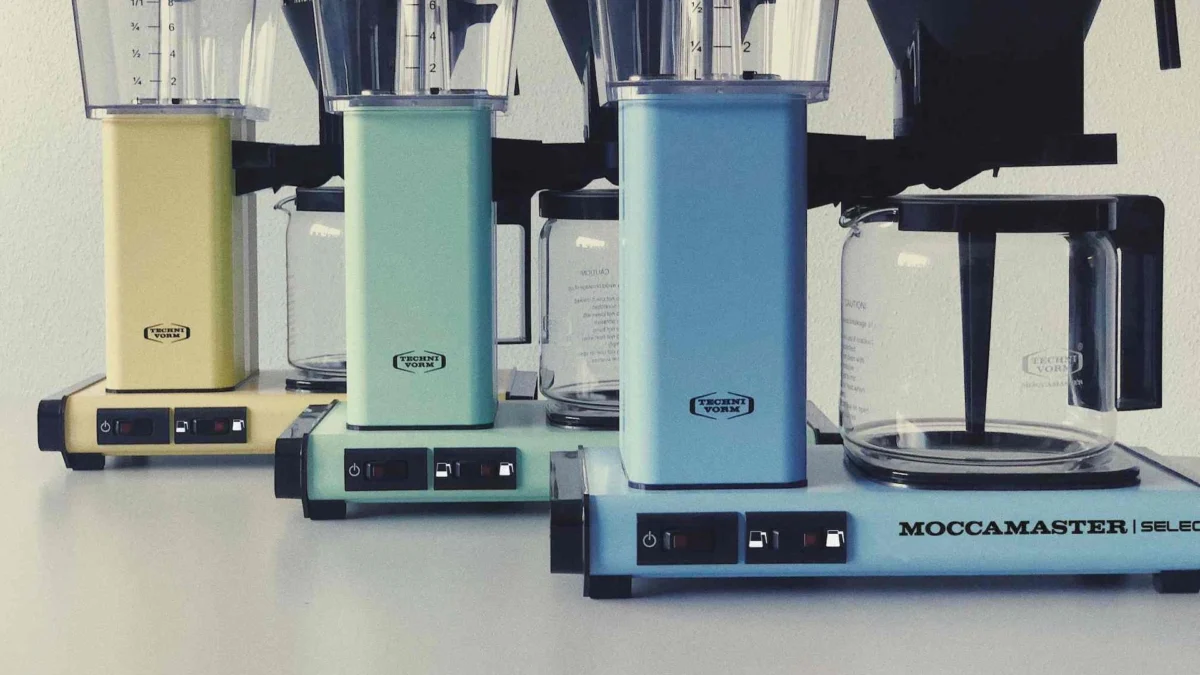
Is there anything more sacred than the first cup of the day? As the world pauses to observe International Coffee Day—a global celebration orchestrated by the International Coffee Organization (ICO) to champion the diversity, quality, and passion of the global coffee sector—it serves as a poignant reminder that the ritual of brewing is as important as the bean itself.
While the date of October 1st marks the official beginning of the "coffee year," it also offers a perfect vantage point to examine the intersection of utility and aesthetics. In an era of disposable plastic pods and increasingly complex, software-dependent espresso machines, one device has stood its ground with quiet, mechanical defiance: the Technivorm Moccamaster KBG. More than just a kitchen appliance, the Moccamaster is a design icon that has successfully navigated the last half-century without compromising its core philosophy.
The Genesis of a Classic: A Historical Perspective
To understand the cultural and functional weight of the Moccamaster, one must look back to 1968. In the industrial heart of Amerongen, Netherlands, inventor Gerard-Clement Smit set out to solve a problem that plagued the average home brewer: inconsistent temperature and uneven saturation.
Smit, an industrial designer with a penchant for high-performance engineering, founded Technivorm with the singular goal of creating the perfect filter coffee. By 1974, the KBG model was introduced, and it was a revelation. Unlike the flimsy plastic competitors that flooded the market in the post-war era, the KBG was built like a tank. It utilized a copper boiling element—a hallmark of the brand that ensures the water temperature stays within the precise "golden cup" range of 196°F to 205°F (92°C to 96°C).
The reception was immediate. The machine’s performance was so superior that the Technivorm factory was forced to pivot, dedicating its entire production capacity to the Moccamaster line to meet the surging demand from coffee enthusiasts who were tired of burnt, bitter, or tepid coffee. It wasn’t just a machine; it was a promise of consistency.
The Anatomy of Longevity
In the world of industrial design, the concept of "planned obsolescence" is the enemy of the consumer. The Moccamaster, conversely, is an exercise in "planned longevity."
Modular Engineering
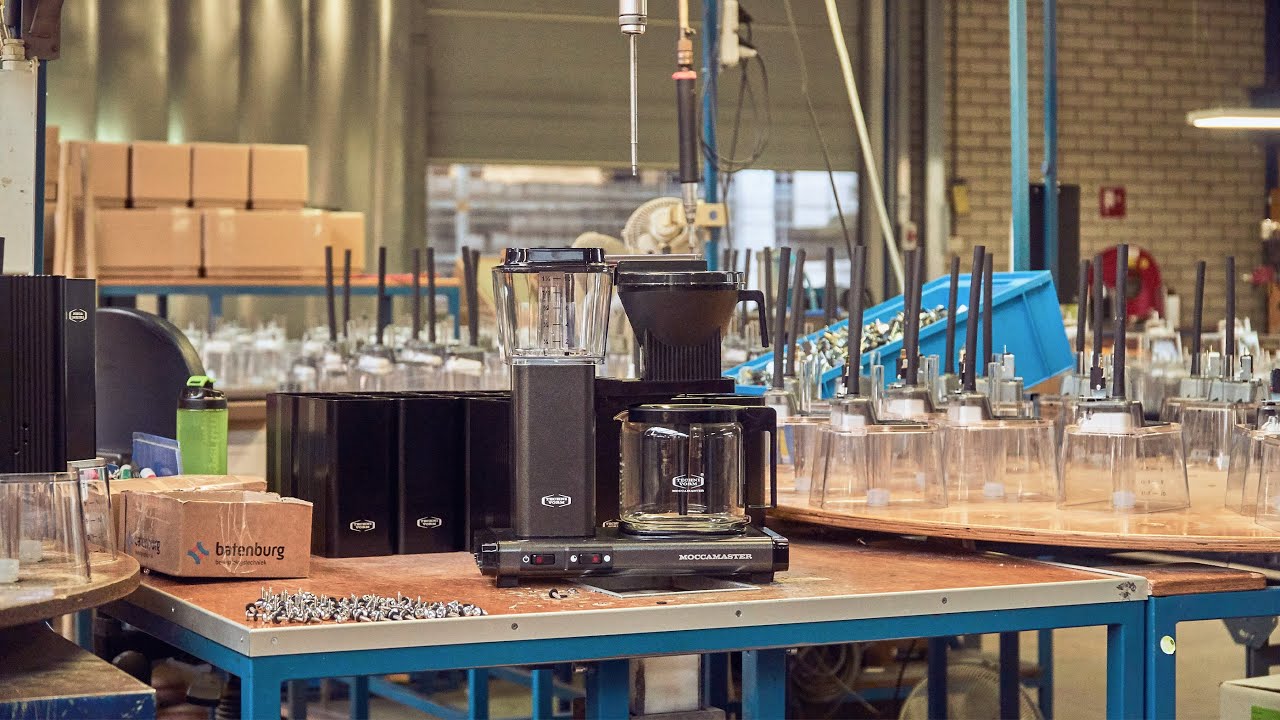
The brilliance of the KBG design lies in its modularity. Because each unit is handmade and hand-assembled in the Netherlands, Technivorm ensures that every part is replaceable. If a heating element fails after fifteen years, you don’t throw the machine in a landfill; you order a spare part and restore it. This commitment to repairability has turned the Moccamaster into a generational asset. It is not uncommon to find functioning units from the late 1970s still gracing kitchen counters today, their aesthetic—a blend of mid-century minimalism and industrial chic—remaining just as relevant in 2024 as it was in 1974.
The Thermal Precision
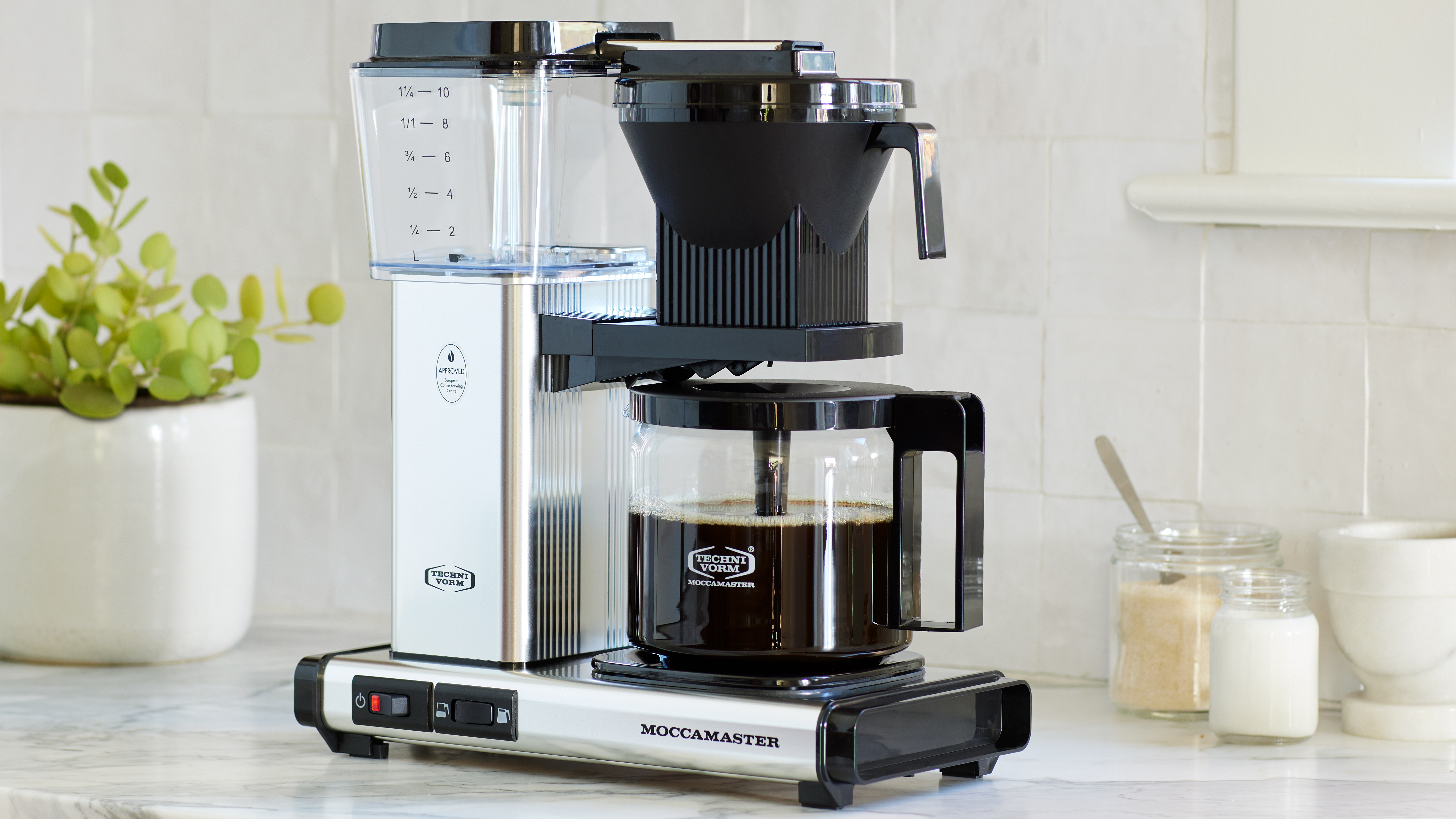
Technivorm’s engineers understood early on that temperature stability is the primary variable in extraction. By utilizing a unique copper heating element, the machine achieves its optimal brewing temperature almost instantly. This is a far cry from the thermoblock systems found in budget machines, which often fluctuate wildly, leading to uneven extraction profiles. The signature "showerhead" outlet arm, which disperses water over the coffee grounds, ensures total saturation, a technique that mimics the manual pour-over method but with the convenience of an automated system.
The Cultural Impact: From Professionals to Pop Culture
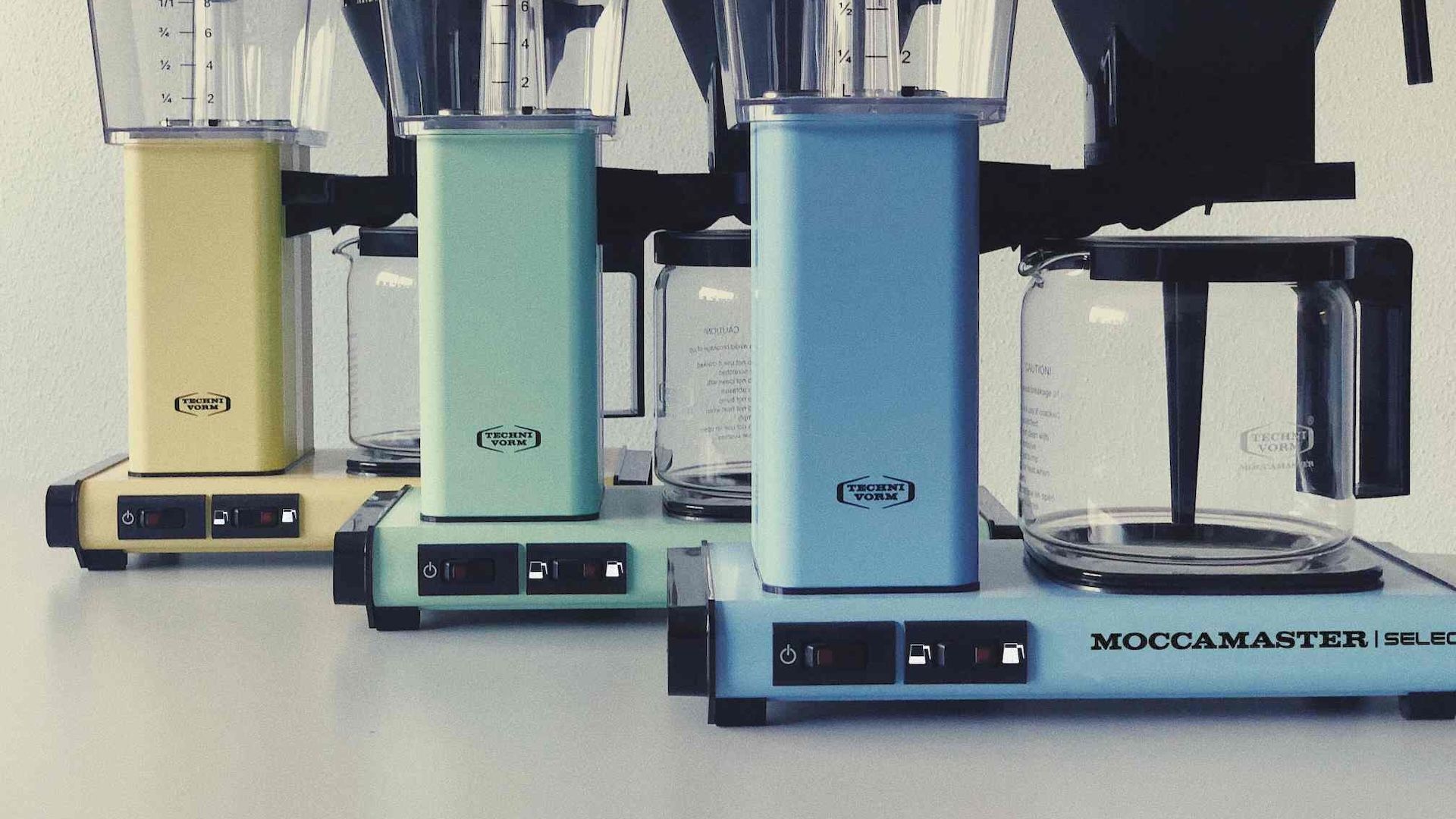
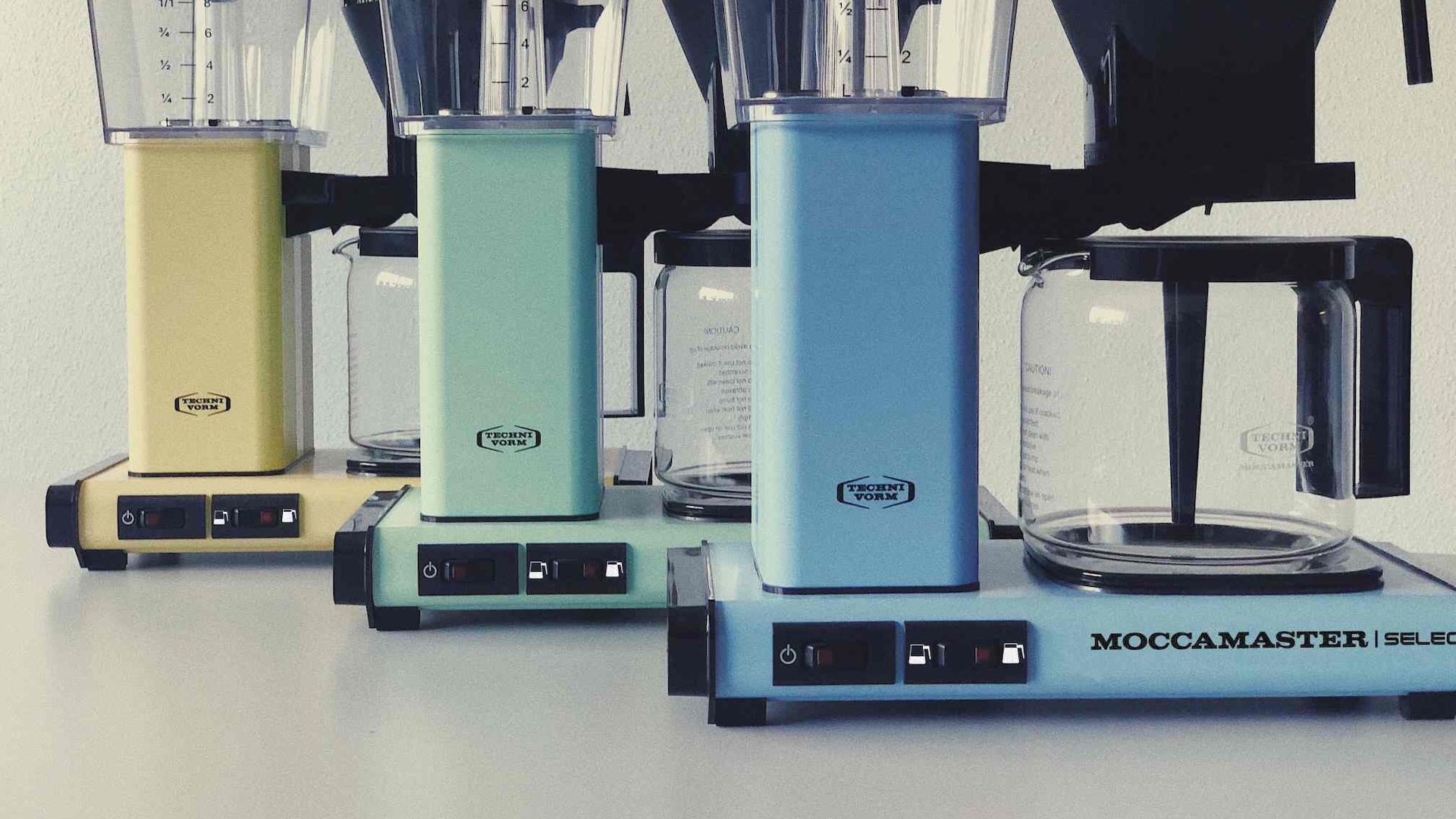
While the device is a staple in high-end specialty coffee shops, its reach has extended far beyond the barista community. The Moccamaster has become a status symbol in the world of interior design. Its array of vibrant colors—from brushed silver to sunset orange and polished copper—allows it to act as a centerpiece rather than a hidden appliance.
The machine has gained an almost cult-like following among celebrities and tastemakers. Gwyneth Paltrow, the founder of the lifestyle brand Goop, has publicly lauded the machine, cementing its status as an essential item for the design-conscious household. It is a rare piece of hardware that manages to bridge the gap between "prosumer" coffee equipment and high-end home décor.
The Data Behind the Brew: Why Standards Matter
International Coffee Day is not just about celebration; it is about education. The ICO highlights the necessity of maintaining standards throughout the supply chain—from the farm to the filter. The Moccamaster aligns with this by respecting the integrity of the bean.
According to data from the Specialty Coffee Association (SCA), coffee must be brewed within a specific temperature window to properly dissolve the oils and compounds that create the flavor profile. Machines that brew too cold result in sour, under-extracted coffee; those that brew too hot result in bitter, astringent notes. The Moccamaster is one of the few consumer-grade machines to consistently earn the SCA "Certified Home Brewer" badge, a testament to its technical adherence to these rigorous brewing standards.
The Economic and Environmental Implications
In an age of "smart" appliances that require firmware updates and cloud connectivity, the Moccamaster remains stubbornly analog. This is its greatest strength.
The Sustainability Argument
The environmental cost of single-use coffee pods is well-documented. Millions of tons of aluminum and plastic waste enter landfills annually. By choosing a drip-filter system like the Moccamaster, the user significantly reduces their carbon footprint. Furthermore, the longevity of the machine—often lasting decades with minor maintenance—stands in stark contrast to the typical 2-3 year lifespan of modern mass-market appliances. When you invest in a Moccamaster, you are effectively opting out of the cycle of consumer waste.
The Cost-Benefit Analysis
While the initial price point (approximately $369 in the US or £269 in the UK) is higher than that of a standard department-store coffee maker, the cost-per-cup over the life of the machine is remarkably low. If a Moccamaster lasts twenty years, the daily cost of the equipment is mere pennies. When compared to the rising cost of visiting a daily cafe, the machine pays for itself within the first year of ownership.
Official Perspectives: The Technivorm Ethos
In official communications, Technivorm emphasizes that their manufacturing process hasn’t changed because the physics of coffee haven’t changed. They prioritize local manufacturing in the Netherlands, maintaining a level of quality control that is impossible to replicate in high-volume, automated assembly lines.
"We do not follow trends," a spokesperson for the brand noted in a recent company retrospective. "We follow the chemistry of the bean." This philosophy is reflected in the product’s design, which has remained largely identical to the 1974 original. While they have introduced the "Select" model—which allows for a half-carafe brewing setting—it is a functional evolution rather than a stylistic one.
Looking Ahead: The Future of the Filter
As we observe International Coffee Day, the conversation is shifting toward sustainability and intentional living. Consumers are becoming increasingly discerning, moving away from the convenience-at-all-costs model that defined the early 2000s.
The Moccamaster represents a rejection of the "fast coffee" culture. It asks the user to slow down, to measure their grounds, to appreciate the bloom of the coffee as it hits the water, and to care for the equipment that provides their daily fuel.
Whether you are a design enthusiast who appreciates the clean lines and industrial heritage of the KBG, or a coffee aficionado who refuses to settle for anything less than a perfect extraction, the Moccamaster stands as a beacon of quality in an increasingly disposable world. It is a reminder that when you get the design right the first time, you don’t need to change it. You just need to keep brewing.
As you enjoy your next cup today, consider the history, the engineering, and the sheer dedication to craft that sits on your counter. Whether you are using a machine that is brand new or one that has been faithfully serving coffee since the 1980s, you are participating in a tradition of excellence that spans decades—and that, in itself, is worth celebrating.
 Ali Ikhwan
  Neng Nana
  Lina Hope