
 By Iffa Jayyana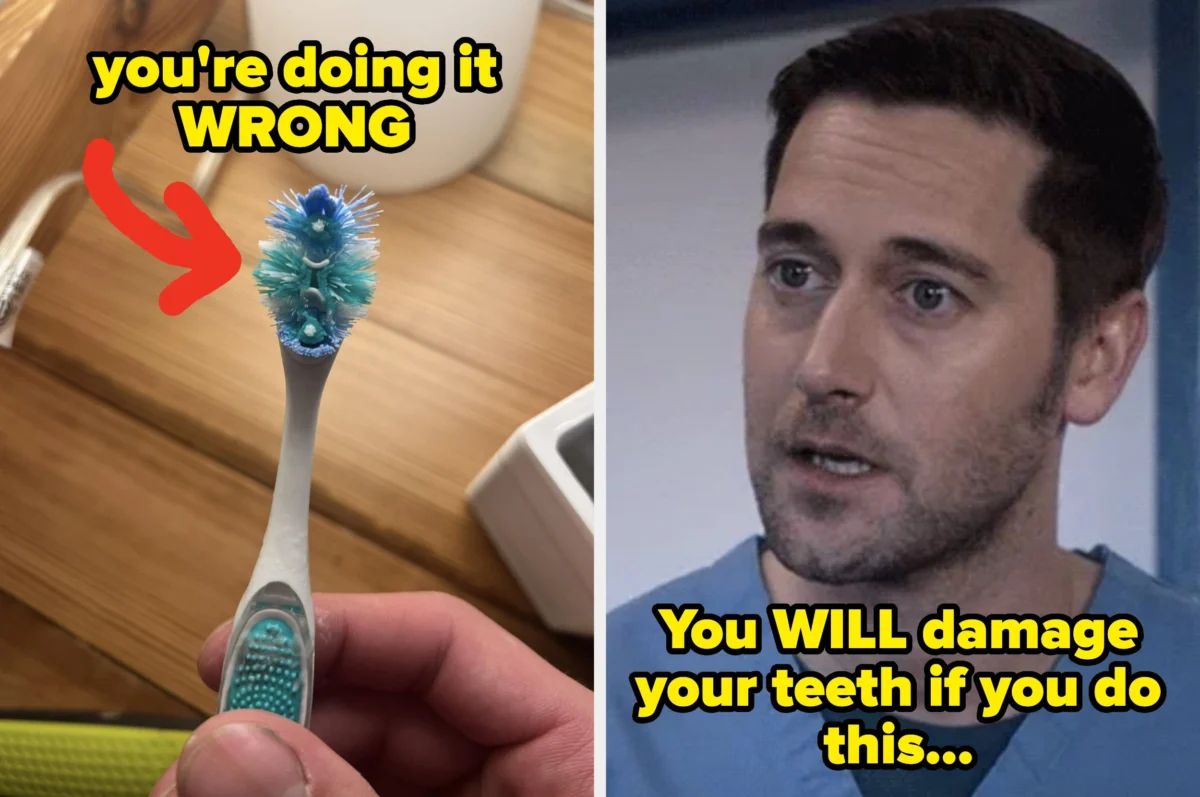
Main Facts
In the quiet, clinical echo of the dental operatory, a silent gulf persists between what everyday people believe about oral hygiene and the hard, biological realities recognized by dental professionals. For decades, clever marketing campaigns, generational folklore, and misunderstood self-care habits have shaped the way the public approaches dental health. From the misconception that mouthwash can replace brushing to the dangerous abrasiveness of charcoal toothpastes, many popular dental routines are not only ineffective—they are actively damaging.
A comprehensive collection of insights gathered from practicing dentists, dental hygienists, dental assistants, and dental students sheds light on these widespread misconceptions. The consensus from the front lines of dentistry is clear: proper technique, the science of enamel preservation, and a critical view of oral health marketing are far more important than buying expensive, trending wellness products. Enamel does not regenerate, gums are not meant to bleed, and the frequency of sugar exposure poses a far greater threat to dental integrity than the total volume consumed.
Chronology and Evolution of Modern Dental Misconceptions
The landscape of oral hygiene has evolved drastically over the last century, transitioning from rudimentary home remedies to a multi-billion-dollar global industry. However, the commercialization of dental care has also birthed a series of persistent myths.
- Mid-20th Century: The popularization of over-the-counter mouthwashes established the cultural belief that a "minty fresh" sensation equates to true dental cleanliness. As commercial advertising grew, consumers were led to believe that antimicrobial rinses could substitute for the mechanical disruption of dental plaque.
- Late 20th Century: The widespread adoption of manual toothbrushes led to an unintended consequence: aggressive scrubbing. Believing that more friction equaled cleaner teeth, generations of patients adopted horizontal sawing motions and utilized hard-bristled brushes, unwittingly accelerating enamel wear and gingival recession.
- The 2000s to Present: The digital age introduced social media-driven health trends, most notably DIY teeth-whitening fads utilizing abrasive activated charcoal and expensive, unregulated celebrity-endorsed toothpastes. Concurrently, the explosion of sports drinks, flavored waters, and constant coffee culture introduced new chemical challenges to dental enamel, leading dental professionals to shift their focus from mere sugar volume to the frequency of acid and carbohydrate exposure.
Supporting Data and Professional Insights
To better understand where personal care routines fail, dental professionals emphasize several core principles regarding daily maintenance, chemical exposure, and anatomical preservation.
1. The Mechanics of Brushing and Flossing
Many individuals believe that brushing multiple times a day shields them from decay, yet dental hygienists frequently observe heavy plaque accumulation along the gumline in these exact patients. The issue is not frequency, but execution.
- Bristle Rigidity: Hard-bristled toothbrushes are explicitly designed for cleaning removable acrylic dentures, not natural human teeth. Using them on natural dentition can scrape away vital enamel. Soft-bristled brushes or electric toothbrushes with built-in pressure sensors are universally recommended to prevent over-scrubbing.
- The Flossing Dilemma: Alternative tools—such as water picks, interdental brushes, and floss picks—cannot fully replicate the plaque-scraping friction of traditional string floss. Furthermore, improper flossing techniques, such as violently snapping floss down into tight contacts, can damage Sharpey’s fibers (the periodontal ligaments anchoring teeth to bone) and push debris deeper into the gingiva. A slow, wrapping, see-saw motion is required.
- Spit, Don’t Rinse: Following a morning brush, rinsing with water immediately washes away the active fluoride meant to remineralize the teeth. Dental professionals advise spitting out the excess toothpaste foam and leaving the residue on the teeth to maximize fluoride efficacy.
2. Chemical Exposure and the Chemistry of Decay
The common adage "sugar causes cavities" is incomplete without understanding how and when that sugar interacts with oral bacteria.
- Frequency vs. Amount: Sipping a single soda, iced coffee, or sports drink over a multi-hour period is far more destructive than consuming the same beverage in five minutes. Constant sipping maintains an acidic, low-pH environment in the mouth, preventing saliva from neutralizing the acid and continuously melting the enamel.
- The Acid Window: Following the consumption of acidic items (including citrus fruits, sodas, and coffee) or episodes of vomiting, stomach acid and dietary acids temporarily soften tooth enamel. Brushing immediately acts like sandpaper, scouring away weakened structure. Patients must wait at least 30 to 60 minutes—or rinse first with a baking soda and water solution—before brushing.
3. Procedural Realities and Surgical Myths
Fear of the dentist often stems from outdated information regarding pain management and necessary interventions.
- Anesthetics: The chemical compound "Novocaine" has not been utilized in American dentistry for approximately 15 years. Modern procedures rely on vastly superior, fast-acting local anesthetics such as 2% lidocaine and 4% articaine.
- Wisdom Teeth: According to veteran dental practitioners, up to 95% of asymptomatic, impacted wisdom teeth do not require surgical extraction. Routine preventative removal is frequently driven by institutional habit and revenue generation rather than strict medical necessity.
- Crowns and Cavities: A common misconception is that a crowned tooth is immune to decay. In reality, secondary cavities frequently form directly along the crown margin where the prosthetic meets the natural tooth structure if hygiene is neglected.
Official Responses and Industry Standards
Major dental regulatory bodies, including the American Dental Association (ADA), the Mayo Clinic, and academic dental institutions, continually update their guidelines to counteract misleading consumer products.
- Cosmetic vs. Therapeutic Classifications: Regulatory agencies note that many trending social media toothpastes list "aqua" as a primary active or structural ingredient because they are legally registered as cosmetic products rather than therapeutic drugs. This loophole allows manufacturers to bypass the rigorous clinical trials required to prove genuine cavity-prevention or enamel-repair capabilities.
- Charcoal and Abrasiveness: Clinical studies highlighted by organizations such as the National Institutes of Health (NIH) warn against activated charcoal toothpastes. The abrasive nature of these products physically strips away the outermost layer of enamel, exposing the yellower dentin underneath and creating a temporary illusion of whiteness while permanently compromising the tooth’s structural defense system.
- Pediatric Standards: The ADA recommends scheduling a child’s first dental visit as soon as their first tooth erupts, or no later than their first birthday. Pediatric dental specialists stress that baby teeth are critical placeholders and infection vectors; leaving primary teeth untreated for cavities seeds the oral microbiome with bacteria that will compromise permanent adult teeth.
Implications for Public Health and Personal Care
The disconnect between public perception and professional dental science carries profound implications for long-term health and financial well-being. Preventable dental decay remains one of the most common chronic conditions globally, yet many individuals unknowingly accelerate their own dental deterioration through aggressive cleaning habits, unregulated whitening products, and improper dietary consumption patterns.
By shifting the focus from superficial quick fixes—such as charcoal scrubs, expensive cosmetic toothpastes, and mouthwash substitutions—toward evidence-based hygiene, the public can preserve their natural dentition well into old age. The prescription from the dental community is remarkably consistent: invest in a soft-bristled or electric toothbrush, master the gentle 45-degree angling technique along the gumline, commit to proper string flossing, respect the body’s natural remineralization windows after acidic exposure, and view commercial oral care claims with healthy skepticism.
 Asep Darmawan
  Dwi Wanna
  Azzam Bilal Chamdy