
 By Asro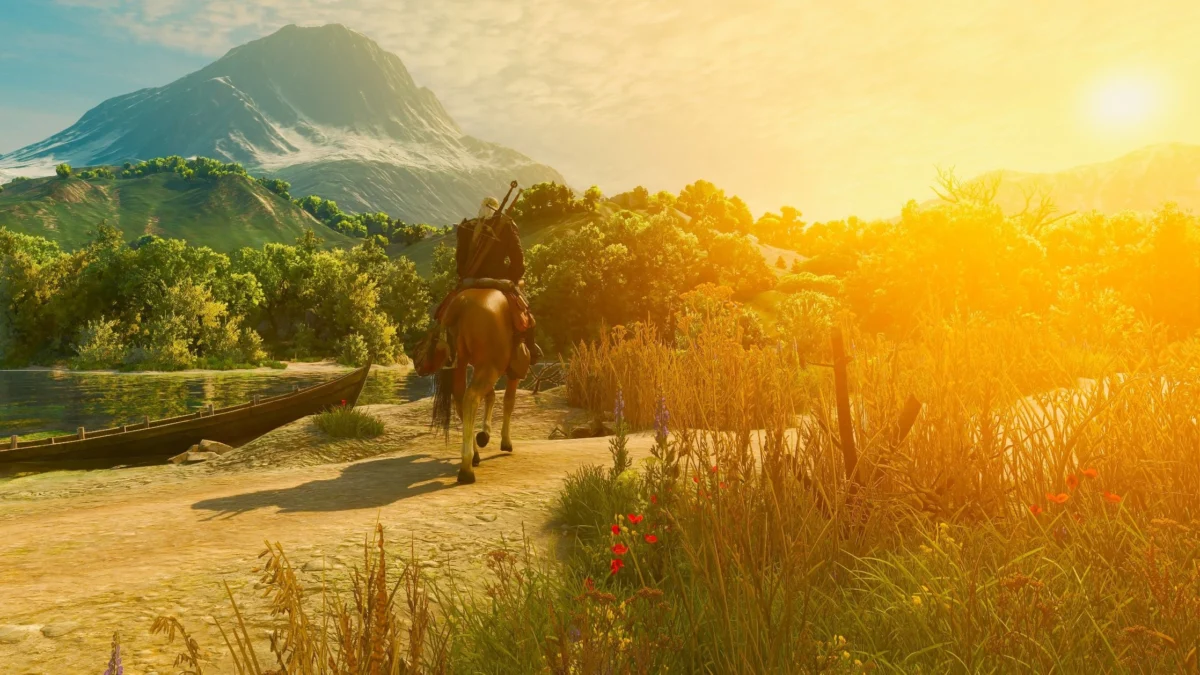
Since its highly anticipated launch earlier this week, The Witcher 3: Wild Hunt – Remastered has been at the center of a heated community debate. While the upgrade promised to bring the seminal RPG into the modern era with cutting-edge visual fidelity, many players were met with a polarizing aesthetic shift: a lighting overhaul that left large swaths of the Continent feeling washed out, overly bright, and lacking the signature grim atmosphere that defined the original 2015 release.
In a swift response to this widespread feedback, CD Projekt Red (CDPR) has deployed a new patch across PlayStation 5, Xbox Series X/S, and the Xbox Play Anywhere PC version. This update aims to address these visual concerns directly, marking the first major step in stabilizing the experience for players navigating the revamped version of Geralt of Rivia’s journey.
Main Facts: Addressing the "Washed Out" Controversy
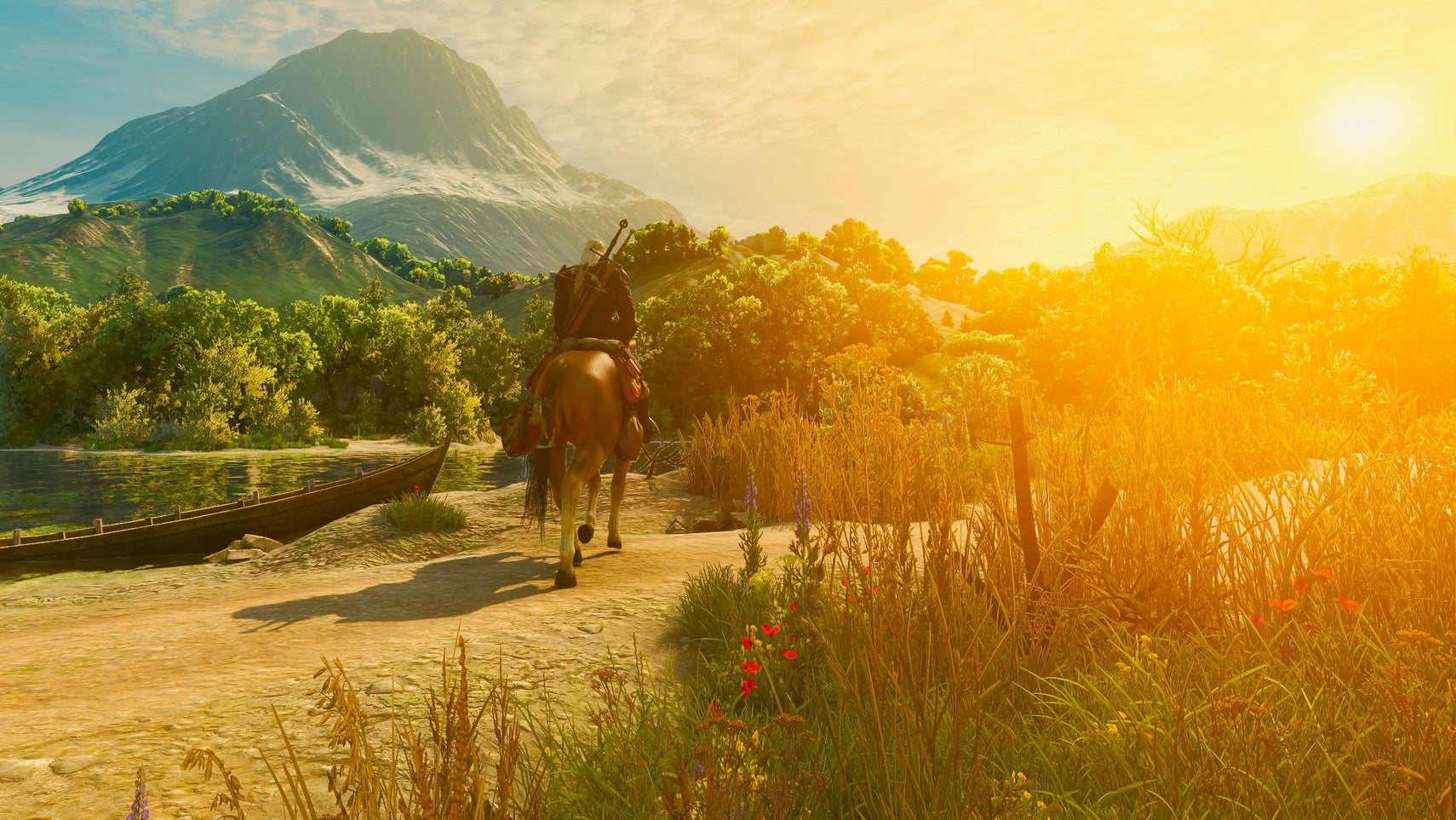
The primary grievance from the player base has been the perceived "loss of mood" in the remaster. Many users pointed out that the new lighting engine, while technically superior in its use of global illumination and ray tracing, frequently resulted in a high-contrast, milky appearance during daytime segments.
The patch notes focus on "various lighting adjustments," a broad but critical change intended to restore the depth and shadow density that fans felt were missing. The controversy was largely driven by the interplay between the game’s new Bloom settings and high-dynamic-range (HDR) implementation. On PC, players had the luxury of tweaking individual graphical variables—including disabling Bloom entirely—but console users were left without such granular control, essentially forcing them to play with a visual profile that many found aesthetically jarring.
A Chronology of the Remastered Rollout
The path to this current patch has been rapid and reactive. The journey began with the surprise announcement of the Wild Hunt "Next-Gen" upgrade, which was framed as a free, generous gift to existing owners.
- Pre-Launch Hype: CDPR promised a comprehensive overhaul, including integrated mods, improved textures, and—most notably—ray tracing and path tracing, bringing the title closer to the visual standards of the current generation of hardware.
- The Launch Window: Upon release, the game was immediately praised for its performance on high-end hardware, but the social media discourse shifted within hours. Forums such as Reddit and the CD Projekt Red official discord became inundated with side-by-side comparisons of the original 2015 lighting versus the 2024 update.
- The Community Backlash: By the second day of release, the conversation had shifted from excitement to technical critique. The term "washed out" became the defining descriptor for the update, leading to a massive influx of support tickets.
- The Patch Deployment: Recognizing the potential for long-term brand damage, CDPR moved quickly, announcing the hotfix via social media channels just days after the initial release, effectively silencing the most vocal critics while promising further investigation into lingering technical debt.
Supporting Data: Why Lighting is the Achilles’ Heel of Remasters
The technical challenge behind The Witcher 3’s lighting update lies in the complexity of its engine. The Witcher 3 was originally designed around baked-in light maps and specific color grading that accounted for the limitations of 2015-era GPUs. By attempting to inject modern, real-time lighting systems like path tracing into this legacy architecture, developers often run into "clipping" or "exposure" issues.
In technical terms, the "washed out" look is often caused by an incorrect implementation of tone mapping—the process that translates the wide range of HDR light values into a range that a monitor can actually display. If the tone mapping curve is too aggressive, blacks become grey and colors lose their saturation.
Additionally, the Bloom effect—a post-processing technique that simulates the bleeding of light around bright objects—was amplified in the update. When combined with the game’s new, more reflective surfaces and water shaders, the screen effectively "overflowed" with light. For players who enjoy the grim, dark-fantasy aesthetic of the Witcher world, this was a departure from the artistic intent of the original directors.
Official Responses and CD Projekt Red’s Stance
CD Projekt Red has been characteristically transparent regarding the situation. In their official statement on social media, the studio acknowledged the community’s frustration, thanking them for their "patience and detailed feedback."
Beyond the lighting patch, the company is managing a multi-pronged technical strategy:
- Direct Communication: The studio has pointed users toward their dedicated Technical Support portal, urging players to submit specific screen captures and hardware configurations. This data is vital for developers attempting to isolate why the lighting behaves differently on specific monitor setups or consoles.
- The PC Hotfix: While the console patch is focused on universal settings, the PC platform is receiving a separate hotfix to address a persistent save-game corruption bug that has plagued players since the update’s inception. This suggests that the studio is working in parallel on both visual aesthetics and fundamental game stability.
- Long-term Commitment: CDPR emphasized that this is not a "one and done" scenario. The company continues to monitor user reports, signaling that further adjustments to graphical presets may be in the works if this initial patch does not fully resolve the player concerns.
Implications for the Future: Songs of the Past
This update carries weight far beyond the current controversy. The Witcher 3 is not merely being maintained; it is being "future-proofed" for a brand-new expansion titled Songs of the Past, scheduled for release next year.
The implication here is that CDPR is viewing this Remaster as the definitive platform for all future Witcher content on this engine. If the lighting and graphical foundation are not perfected now, the upcoming expansion risks being received with the same skepticism currently directed at the base game.
Furthermore, the "generosity" of the upgrade—being provided for free to all existing owners—is a double-edged sword. It generates immense goodwill, but it also creates a situation where any technical flaw is magnified by the massive, pre-existing player base. When a developer provides a free update, the community is often more forgiving of minor bugs, but they are also more vocal when those bugs fundamentally alter the "feel" of a beloved classic.
The success of The Witcher 3: Wild Hunt – Remastered remains a testament to the game’s longevity. Even with the lighting controversies, the core gameplay—the narrative depth, the character-driven quests, and the meticulously crafted open world—remains unparalleled. However, as the industry moves toward more ambitious visual fidelity, the case of The Witcher 3 serves as a cautionary tale for developers: technical innovation must never come at the expense of artistic integrity.
As CD Projekt Red continues to refine the experience, players are encouraged to update their software immediately to benefit from the lighting corrections. The journey to the Northern Kingdoms may be brighter than before, but thanks to this rapid intervention, the path ahead looks significantly clearer. Whether the studio can fully satisfy the purists who prefer the 2015 aesthetic remains to be seen, but the commitment to improvement is a clear sign that the developers are listening to their most ardent fans.
 Lina Irawan
  Nana Muazin
  Laily UPN