
 By Lina Hope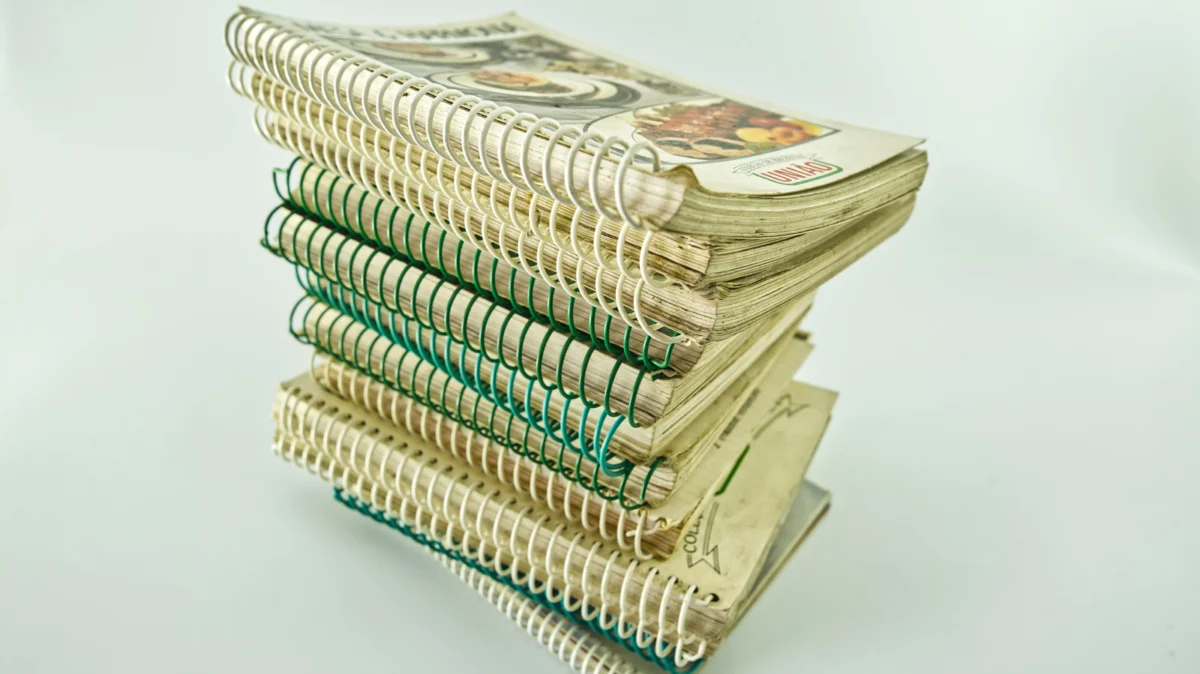
Main Facts: The Enduring Appeal of Mid-Century Culinary Guides
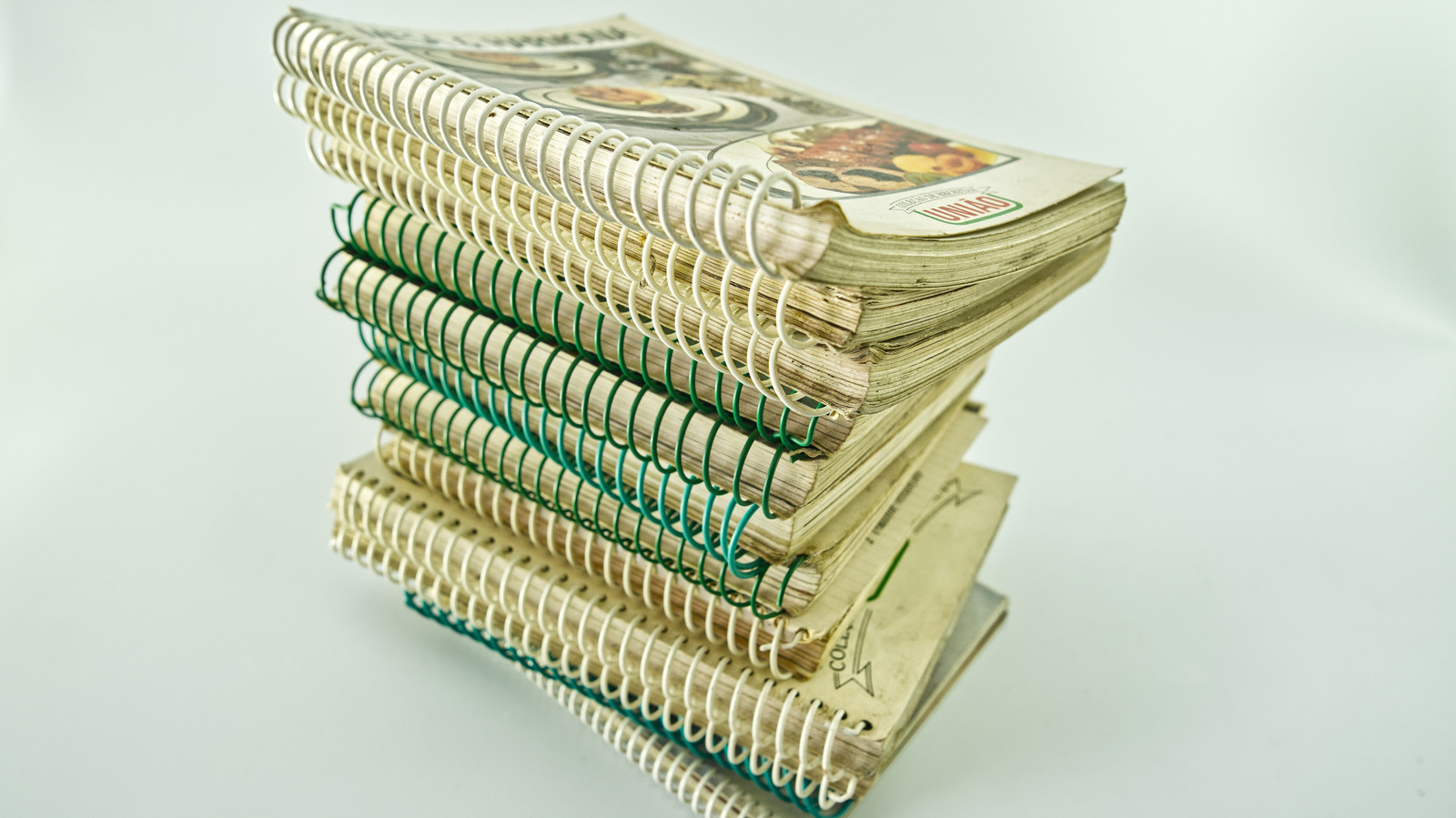
Sleek, minimalist modern cookbooks have their place in contemporary kitchens, offering hyper-refined photography, precise nutritional breakdowns, and complex molecular techniques. Yet, they often lack a certain unquantifiable magic found in their mid-century predecessors. Vintage cookbooks—often discovered as treasured heirlooms passed down through generations, or scavenged from the dusty, aromatic shelves of thrift stores and second-market sites—serve as literal time capsules. Stained with long-ago drops of butter, vanilla extract, and bacon grease, these volumes tell the story of how generations past lived, ate, and gathered.
During the 1960s, American domestic life underwent a massive cultural evolution. Cookbooks from this decade reflected a distinct preoccupation with effortless entertaining, international experimentation, and the promise of modern culinary convenience. Home cooks were constantly encouraged to transform ordinary weeknight meals into theatrical centerpieces. Publishing houses and corporate food giants alike flooded the market with guides covering wildly ambitious party themes—complete with comprehensive home-decor suggestions, elaborate table-setting guides, and eccentric etiquette rules.
While certain mid-century dishes, such as gelatin-encased salads and elaborate aspic centerpieces, have largely vanished from the mainstream American diet, revisiting these pages offers immense value. Today’s professionals and home bakers can learn foundational techniques, timeless flavor pairings, and a fearless approach to hosting from the culinary authorities who came before them.
Chronology: A Decade of Definitive Publishing (1960–1968)
The 1960s was a transformative era for the culinary arts, marked by the release of several seminal texts that would forever alter home cooking.
- 1960: The decade opened with a wave of pragmatism and playful celebration. Peg Bracken published The I Hate to Cook Book, offering a comforting oasis for those exhausted by domestic expectations. Simultaneously, Betty Crocker’s Party Book hit shelves, establishing a high-water mark for mid-century entertaining and themed household celebrations.
- 1961: A monumental year for American gastronomy. Craig Claiborne released the authoritative The New York Times Cook Book, compiling the decade’s finest newspaper recipes. More famously, Julia Child, alongside Simone Beck and Louisette Bertholle, published Volume 1 of Mastering the Art of French Cooking, permanently bridging the gap between sophisticated European techniques and American kitchens.
- 1962: Confectionery giant Nestlé leaned into the era’s sweet tooth by releasing Nestlé’s Perfect Endings: Chocolate Dessert & Beverage Cook Book, cementing chocolate as a versatile home-baking staple.
- 1963: Corporate kitchen innovation reached its peak. Pillsbury released its massive Family Cookbook, packed with over 2,000 recipes. Concurrently, Betty Crocker returned with her definitive Cooky Book, and Good Housekeeping debuted its comprehensive household encyclopedia-cookbook.
- 1964: General Mills expanded on the convenience craze by publishing The Bisquick Cookbook, turning a single boxed baking mix into a global passport for everything from breakfast biscuits to international casseroles.
- 1965: Culinary icon James Beard raised the bar for sophisticated home hosting with his definitive tome, James Beard’s Menus for Entertaining.
- 1966: Bread enthusiast and author Dolores Casella published A World of Breads, offering an astonishingly deep dive into international yeast-baking traditions.
- 1968: Better Homes and Gardens updated its cultural footprint with the release of its New Cook Book, which would go on to earn tens of thousands of five-star reviews from generations of home cooks.
Supporting Data: A Closer Look at the 12 Essential ’60s Cookbooks
1. The Pillsbury Family Cookbook (1963)
Weighing in as a formidable 576-page guide, the first edition of The Pillsbury Family Cookbook was designed to be the ultimate kitchen companion for baking, cooking, and hosting. It boasts over 2,000 recipes and illustrations spanning appetizers, yeast breads, cakes, and cookies (including recipes for legendary treats like angel puffs and cherry winks). Beyond the food, it offered practical meal-planning strategies and tablesetting tricks. Online communities, such as Reddit’s dedicated retro-recipe boards, regularly highlight this text, with users noting how its comprehensive tutorials taught them the fundamentals of home economics.
2. Betty Crocker’s Party Book (1960)
Featuring vibrant, whimsical cover art, Betty Crocker’s Party Book packed more than 500 recipes alongside creative menu ideas for every conceivable festive occasion. The volume famously opened with a personal letter to the hostess from the fictitious corporate icon herself. Whether a home cook wanted to throw an avant-garde "space-age adventure party," construct a Snoopy-shaped cake, serve tropical punch out of hollowed-out coconut halves, or roast an entire suckling pig for New Year’s Eve, Betty provided a step-by-step roadmap. Copies can frequently be found on secondary markets like eBay for around $10.
3. James Beard’s Menus for Entertaining (1965)
For those seeking to master the art of high-end hospitality, food icon James Beard delivered a masterclass. This 600-page opus encompasses more than 100 meticulously crafted menus tailored for sophisticated gatherings. Highlights include sophisticated luncheon spreads featuring orange marmalade soufflé and hot potato salad, alongside grand cocktail parties designed for 25 guests complete with gourmet foie gras sandwiches. While pristine collector’s copies on Amazon can command upwards of $120, patient buyers can routinely source copies on eBay for a fraction of the cost.
4. Mastering the Art of French Cooking (1961)
Perhaps the most culturally significant cookbook of the 20th century, Julia Child’s masterpiece brought classical French cuisine into suburban American homes. Having studied cooking in Paris throughout the 1950s, Child established herself as an unrivaled culinary diplomat. Spanning two detailed volumes filled with over 700 recipes and hand-drawn illustrations, the book demystified everything from foundational mother sauces to complex chicken fricassees. Today, it remains an essential text for anyone serious about mastering the craft of cooking.
5. Better Homes and Gardens New Cook Book (1968)
A titan of lifestyle publishing, this 1968 edition from Better Homes and Gardens remains an absolute powerhouse, boasting over 60,000 five-star ratings on Goodreads. It features more than 1,500 reliable recipes, extensive guidance on utilizing fresh herbs and spices, and foundational cooking tips. Classic mid-century dishes like strawberry chiffon pie, sole amandine, and five-spice beef ribs anchor the text, with modern anniversary editions widely available for purchase online.
6. The I Hate to Cook Book by Peg Bracken (1960)
"Some women, it is said, like to cook. This book is not for them." With this instantly iconic declaration, author Peg Bracken launched a culinary movement for the chronically time-pressed and unenthusiastic cook. Written as a humorous tribute to those who would "rather fold our big dishwasher hands around a dry martini instead of a wet flounder," the 1960 volume paired quick, stress-free recipes with witty commentary and clever household hacks. Its enduring popularity led to celebratory milestone editions that continue to delight cynical cooks today.
7. The New York Times Cook Book (1961)
Edited by legendary food critic and journalist Craig Claiborne, this 743-page compendium drew from the finest recipes published by the newspaper between 1950 and 1960. Spanning everything from appetizers and meats to salads and beverages, the book codified iconic mid-century dishes like traditional Spanish paella, rich New York cheesecake, and the undeniably eccentric blender salmon mousse. Having sold more than 3 million copies, it remains a gold standard of culinary journalism.
8. Betty Crocker’s Cooky Book (1963)
For bakers looking to perfect their sweet craft, this 159-page classic remains an unmatched authority. Covering pressed, rolled, and drop cookies, the volume also features extensive holiday baking guides—including instructions for festive Christmas Jewels and delicate Shamrock cookies. A dedicated family-favorites section highlights heritage recipes alongside Betty Crocker staples like cinnamon jumbles and salted peanut crisps. Recreated facsimile editions allow modern bakers to experience the book in its original aesthetic glory.
9. A World of Breads by Dolores Casella (1966)
Published during an era when mass-produced, sliced white bread dominated grocery store shelves, Casella’s 1966 guide was a triumphant return to traditional baking crafts. Featuring over 600 distinct bread recipes, the book offered deep dives into yeast-raised coffee cakes, sweet breakfast rolls, traditional hearth loaves, and regional specialties from across the globe, proving that domestic baking could be both adventurous and deeply rewarding.
10. Good Housekeeping Cookbook (1963)
The Good Housekeeping brand has guided American households since the late 19th century, but its 1963 cookbook stands out as a high-water mark for mid-century home economics. Packing hundreds of recipes for dips, fresh seafood, salad dressings, pies, and breads, the book also functioned as an encyclopedic guide to food preservation—offering detailed instructions on freezing, canning, and jelly-making alongside strategies for feeding large crowds.
11. The Bisquick Cookbook (1964)
Capitalizing on the convenience revolution, General Mills released this dedicated cookbook under the trusted Betty Crocker banner in 1964. Containing 275 recipes and 17 themed menus, the book responded directly to consumer demands for creative ways to utilize the popular baking mix. Alongside nine foundational Bisquick staples, the book offered recipes for elegant coffee parties, weekend brunches, and international dishes inspired by "Faraway Places" such as France, Sweden, Poland, and Italy.
12. Nestlé’s Perfect Endings: Chocolate Dessert & Beverage Cook Book (1962)
Rounding out the decade’s finest confectionery guides, Nestlé published this specialized dessert volume in 1962. Spanning over 180 pages, it featured seven comprehensive chapters dedicated entirely to pies, cakes, cookies, confections, frozen treats, and hot or cold beverages. Home cooks could learn the mechanics behind orange chocolate mousse, novelty donut dessert logs, and coffee milkshakes, alongside technical guides on how to properly bake with Nestlé’s semi-sweet chocolate morsels.
Official Responses and Industry Reception
Food historians, culinary institutes, and rare-book curators have increasingly championed the preservation of mid-century literature. While early culinary critics occasionally dismissed 1960s convenience cooking as overly reliant on processed ingredients, contemporary chefs view these texts through a lens of historical appreciation and technical ingenuity.
Archivists note that the sheer volume of sales achieved by titles like The New York Times Cook Book and Julia Child’s Mastering the Art of French Cooking fundamentally democratized American gastronomy. Furthermore, major publishers have responded to sustained consumer demand by reissuing facsimile editions of texts like Betty Crocker’s Cooky Book, ensuring that these tactile pieces of culinary heritage remain accessible to contemporary kitchens without requiring collectors to pay exorbitant secondary-market prices.
Implications: What Mid-Century Cookbooks Teach Modern Kitchens
The enduring popularity of 1960s cookbooks carries significant implications for today’s food culture. In an era dominated by algorithmic recipe sites and video-clip tutorials, physical retro cookbooks offer a tangible, analog counter-experience. They remind contemporary cooks that the kitchen should be a space for experimentation, socialization, and joy rather than clinical perfection.
Moreover, examining these older texts encourages sustainable cooking habits. The resourcefulness embedded in mid-century guides—such as stretching ingredients for large gatherings, utilizing pantry staples creatively, and mastering basic techniques without specialized electronic gadgets—offers valuable lessons for modern home cooks facing economic inflation and food waste concerns. Ultimately, whether one is seeking the foundational precision of Julia Child or the humorous pragmatism of Peg Bracken, these butter-stained time capsules prove that good cooking advice never truly goes out of style.
 Iffa Jayyana
  Sagoh
Sagoh  Layla Zulfa