
 By Iffa Jayyana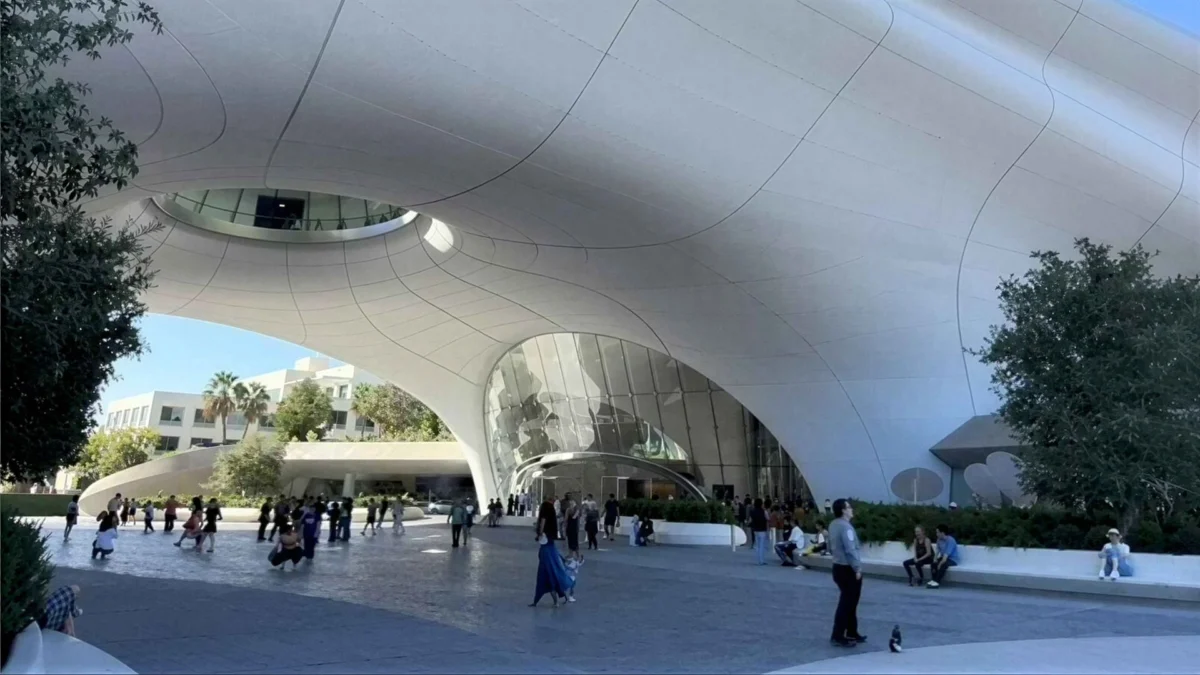
After years of anticipation, multiple site shifts, and significant construction delays dating back to 2021, the Lucas Museum of Narrative Art has finally opened its doors in Los Angeles. Situated in the city’s historic Exposition Park, the museum stands as a monumental physical manifestation of the vision held by its founders, legendary filmmaker George Lucas and his wife, businesswoman and philanthropist Mellody Hobson.
The institution is far more than a monument to the Star Wars creator’s cinematic legacy; it is a sprawling, ambitious attempt to recontextualize the history of human storytelling. By placing classical oil paintings alongside concept art for blockbuster films, comic book panels, and modern digital illustrations, the museum challenges the long-standing academic hierarchy that has historically relegated "popular" media to the sidelines of the fine art world.
The Genesis of a New Cultural Landmark: A Chronology
The journey to the museum’s opening was anything but straightforward. The project was first announced over a decade ago, with initial plans to build in San Francisco and later Chicago. Both proposals faced significant local opposition and logistical hurdles.
In 2017, the museum officially set its sights on Los Angeles. The site in Exposition Park—nestled near the Natural History Museum and the California Science Center—was selected for its accessibility and proximity to a diverse urban population. Construction began in earnest, but the global landscape of the early 2020s brought unprecedented challenges. Supply chain disruptions, labor shortages, and evolving architectural safety requirements pushed the completion date well past the initial 2021 estimates.
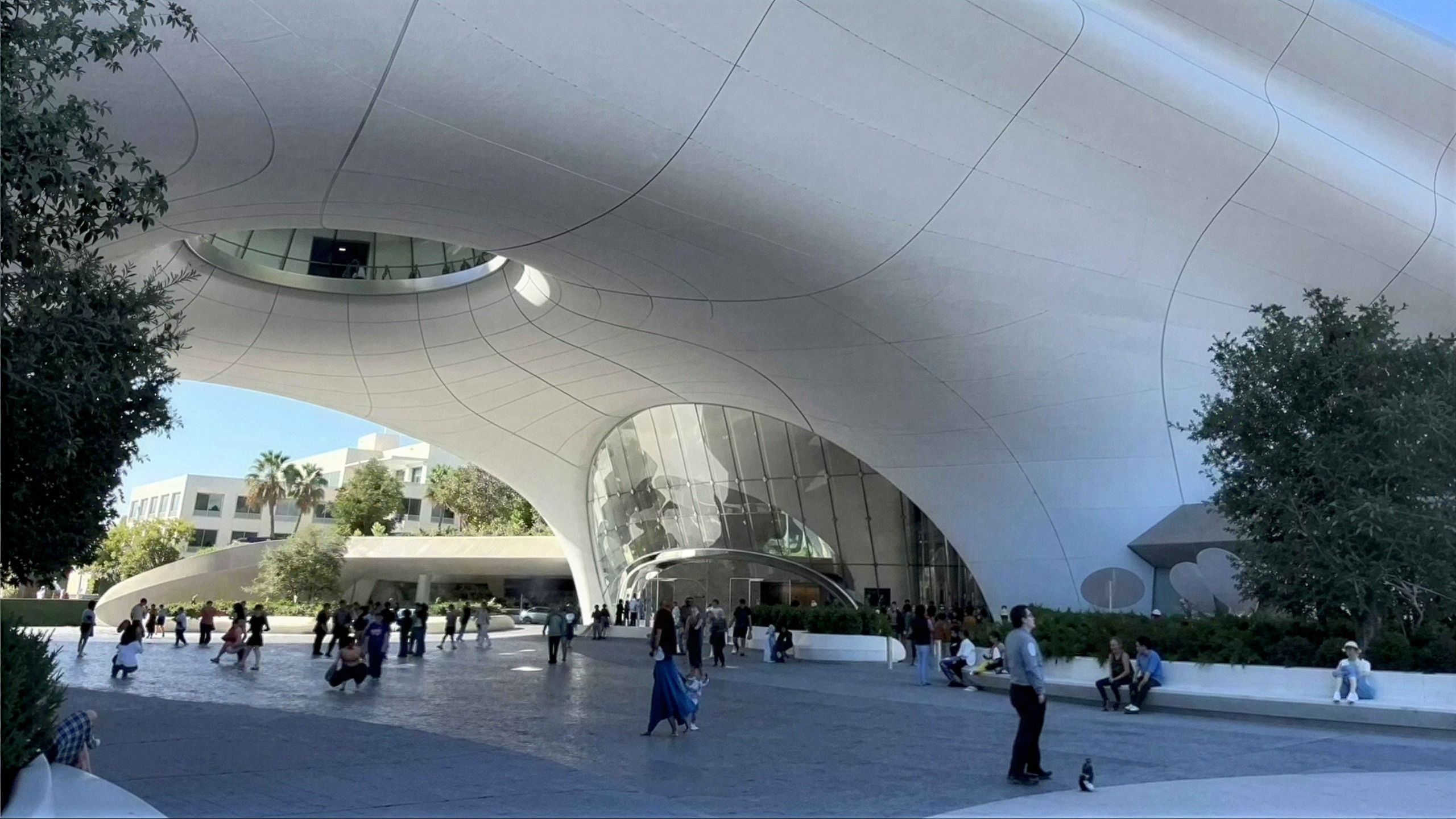
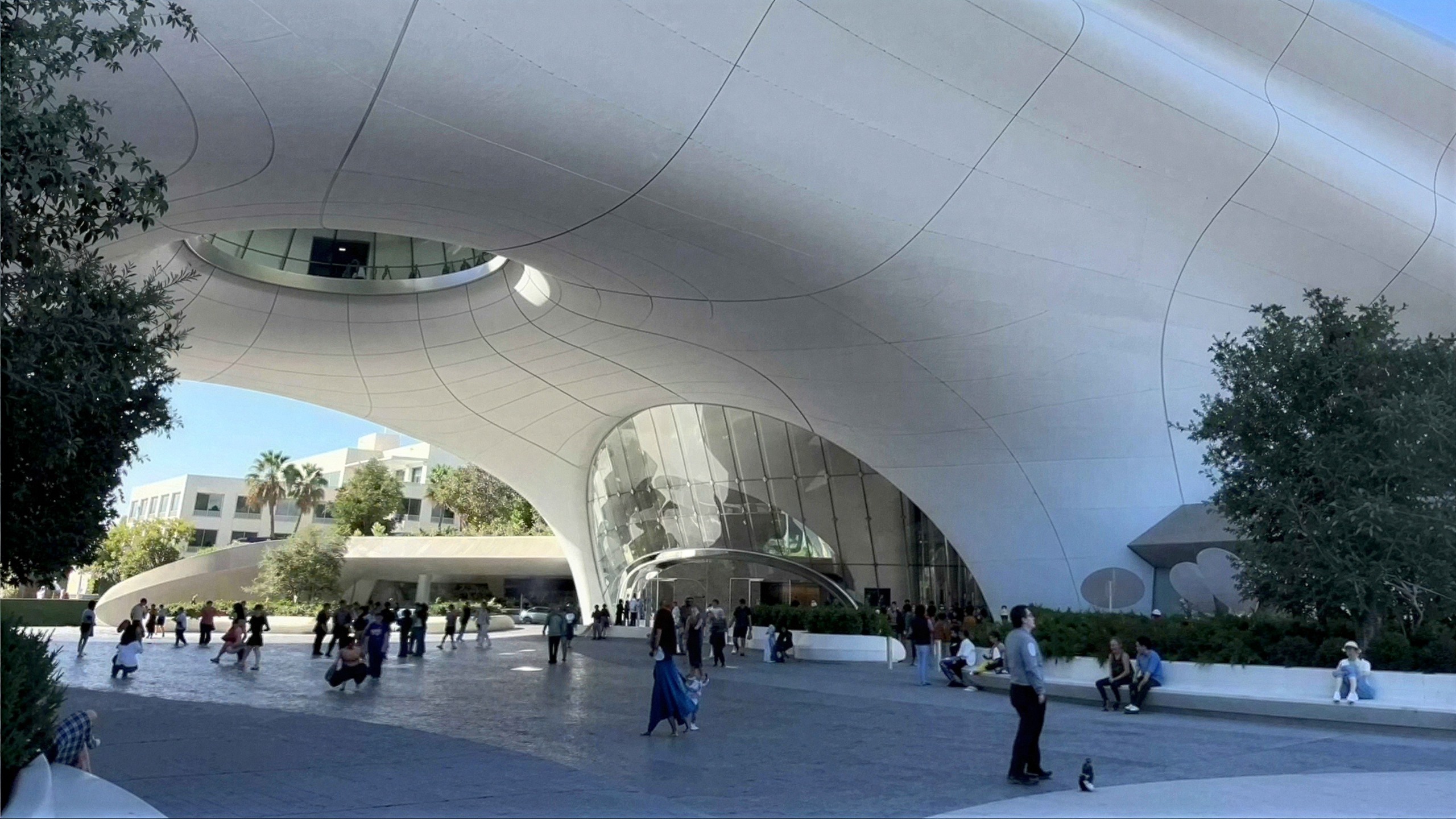
Despite these setbacks, the finished structure is an architectural marvel. The campus is divided into two distinct, interconnected buildings: an educational center and a primary gallery structure. The result is a space that feels both futuristic—fitting for a creator known for his work in science fiction—and deeply rooted in the traditions of historical curation.
Redefining "Fine Art": The Core Philosophy
One of the most persistent biases in the art world is the elevation of classical oil painting above other forms of visual narrative. For decades, institutions have operated under the assumption that "high art" must be abstract, historical, or traditional in its medium. This has frequently left illustrators, comic book artists, and digital concept designers in a cultural limbo, where their work is consumed by millions but rarely analyzed with the same rigor as a Rembrandt or a Velázquez.
The Lucas Museum of Narrative Art seeks to dismantle this barrier. The institution treats the cover of a Golden Age comic book with the same level of curation and respect as a 19th-century canvas. This is a critical pivot in the evolution of museum culture; it acknowledges that in the 20th and 21st centuries, the most influential storytelling has often migrated from the cathedral walls to the pages of graphic novels and the screens of cinema.
By showcasing works from diverse genres—fantasy, the Wild West, science fiction, and classic illustration—the museum forces visitors to confront their own biases. It asks: If a painting tells a compelling story, does its medium truly dictate its worth?
Inside the Vault: A Curatorial Breakdown
The museum experience is bifurcated, offering visitors two distinct modes of engagement: academic research and visual immersion.
The Research Library: A Scholar’s Haven
Upon entering the educational wing, visitors are greeted by a three-story Research Library. This space is a testament to the rigorous research that underpins great storytelling. The ground floor acts as a repository for the volumes that have informed the art displayed throughout the galleries.
Among the collection are seminal works such as Rick Smolan and David Elliot Cohen’s A Day in the Life of America, and Alice A. Carter’s The Red Rose Girls: An Uncommon Story of Art and Love. These books, while often categorized as "coffee table" volumes, are presented here as essential educational tools.
Perhaps most intriguing are the upper levels. The second floor houses the "Skywalker Ranch Library," a collection of materials personally consulted by Lucas and his creative teams for worldbuilding and design research. The third floor holds a massive donation of 3,000 art books from actor and collector Steve Martin and his wife. These restricted areas underscore the museum’s commitment to the "narrative" in its title—highlighting that art is a product of deep, sustained research and cultural synthesis.
The Galleries: From Mythology to Modernity
The primary galleries serve as the museum’s beating heart. The first floor, titled "The History of Narrative Art: Heroes, Myths, the Sacred," provides a foundational experience. Here, the museum plays it safe, displaying classic fine art, including reproductions of masterpieces like Rembrandt’s The Night Watch. While this section may feel traditional to the seasoned museum-goer, it serves as a necessary baseline, establishing that the narrative techniques used by modern digital artists are direct descendants of the Old Masters.
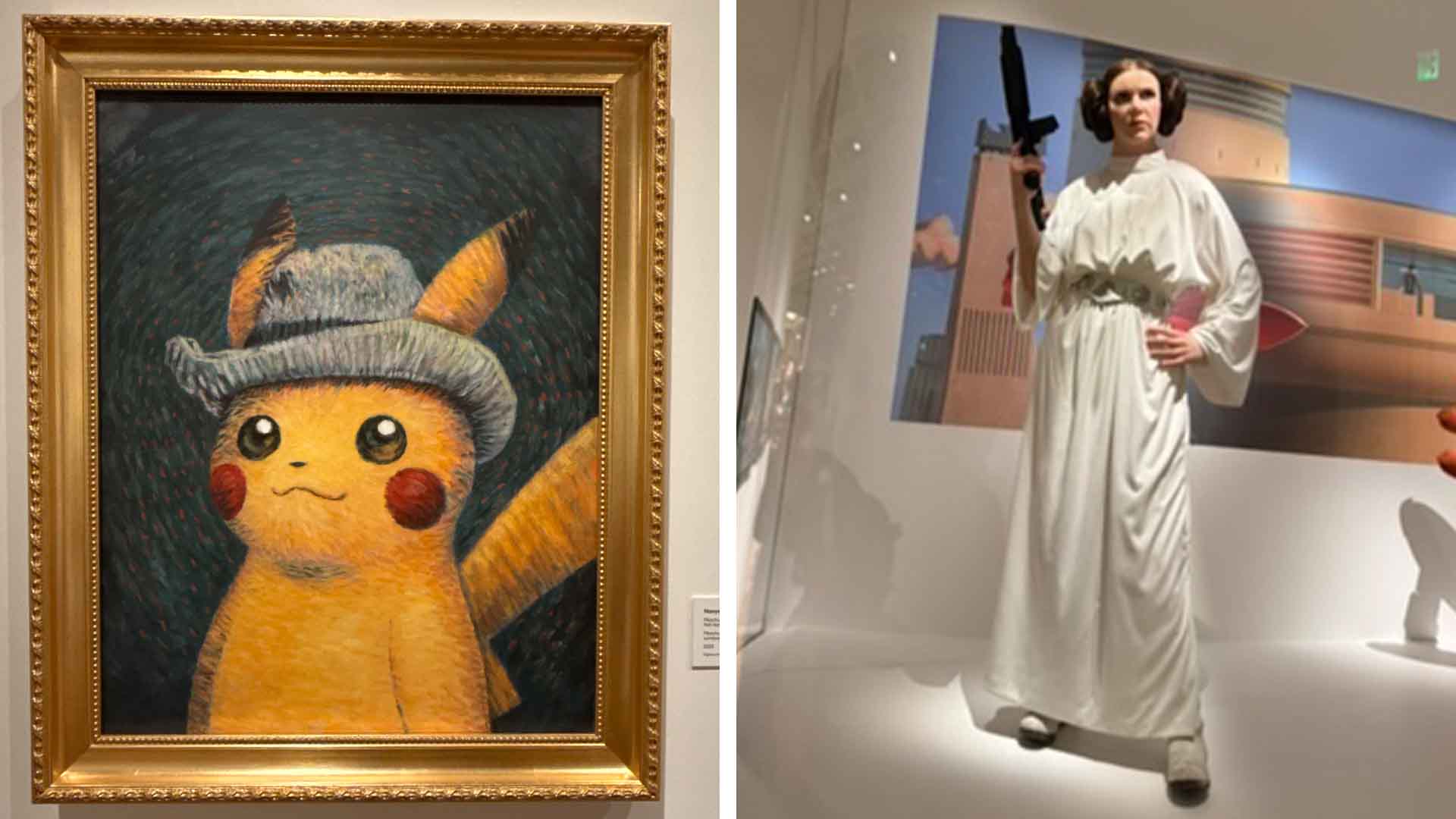
The second floor is where the museum truly hits its stride. Organized by genre, the galleries offer a visually diverse tour of human imagination. Fans of animation and graphic narrative will find a dedicated Manga gallery, featuring early, seminal works like Astro Boy and Akira. The inclusion of Naoyo Kimura’s Pikachu self-portrait—a relic from the viral 2023 Pokémon x Van Gogh collaboration—serves as a bridge between high-art mimicry and pop-culture phenomenon.
The Star Wars Experience
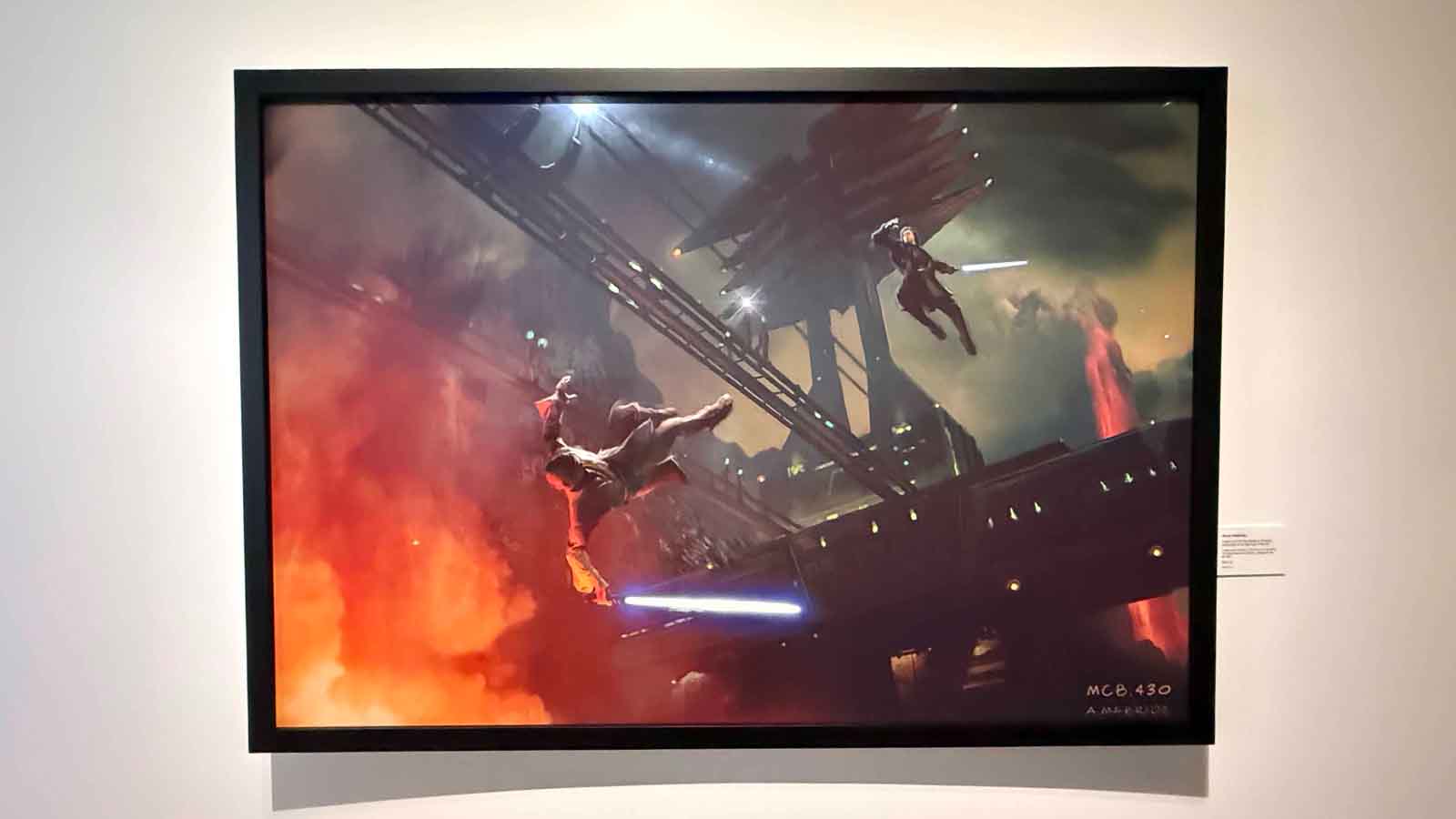
Unsurprisingly, the Star Wars gallery acts as the museum’s main draw. It is a masterclass in production design and concept art. Rather than focusing on finished film frames, the exhibition emphasizes the process of creation. Original concept art by Ralph McQuarrie, which defined the aesthetic language of the original trilogy, sits alongside production art for the prequels, such as Aaron McBride’s rendering of the Mustafar duel from Revenge of the Sith.
The inclusion of 3D costume sculptures—such as Trisha Biggar’s Darth Vader suit and Doug Chiang’s design for the Darth Maul Sith Speeder—provides a tactile element that highlights the craftsmanship inherent in film production. It is a rare opportunity for visitors to see the "art" behind the blockbuster, proving that the sweat and labor of a concept designer are just as vital as the brushstrokes of a fine artist.
Implications for the Future of Museums
The successful launch of the Lucas Museum of Narrative Art carries significant implications for the museum industry.
- Accessibility and Inclusivity: By choosing a location that is transit-friendly in a city famously reliant on cars, the founders have signaled that this is meant to be a public institution, not an elitist enclave. The digital-first ticket booking system, while currently stressed by high demand, is a necessary response to modern attendance patterns.
- Expanding the Definition of "Art": The museum’s success will likely put pressure on other institutions to diversify their collections. If a museum can successfully sell tickets and generate critical acclaim by displaying comic books and video game concept art, it becomes harder for traditional galleries to argue that these mediums lack "artistic merit."
- The Intersection of Education and Entertainment: By pairing a research-heavy library with high-energy galleries, the museum creates a "sticky" experience. It encourages visitors to linger, learn, and engage with the material rather than simply walking past paintings.
Final Reflections
The Lucas Museum of Narrative Art is a triumph of vision over convention. It is an eclectic, sprawling, and deeply personal institution that refuses to be categorized. For George Lucas and Mellody Hobson, the goal was never to create a "Star Wars museum," but rather to build a cathedral for the stories that have shaped modern consciousness.
Whether one is a scholar of the Renaissance or a fan of Japanese manga, the museum offers a unique perspective on the human condition. It suggests that while the tools of the storyteller may change—from oil on canvas to pixels on a screen—the core desire to document, explore, and create remains the same. The museum stands as a beacon for the next generation of creators, reminding them that their work, no matter the medium, is part of a grand, centuries-old lineage of narrative art.
 Asep Darmawan
  Reynand Wu
  Asro
Asro 