
 By Asro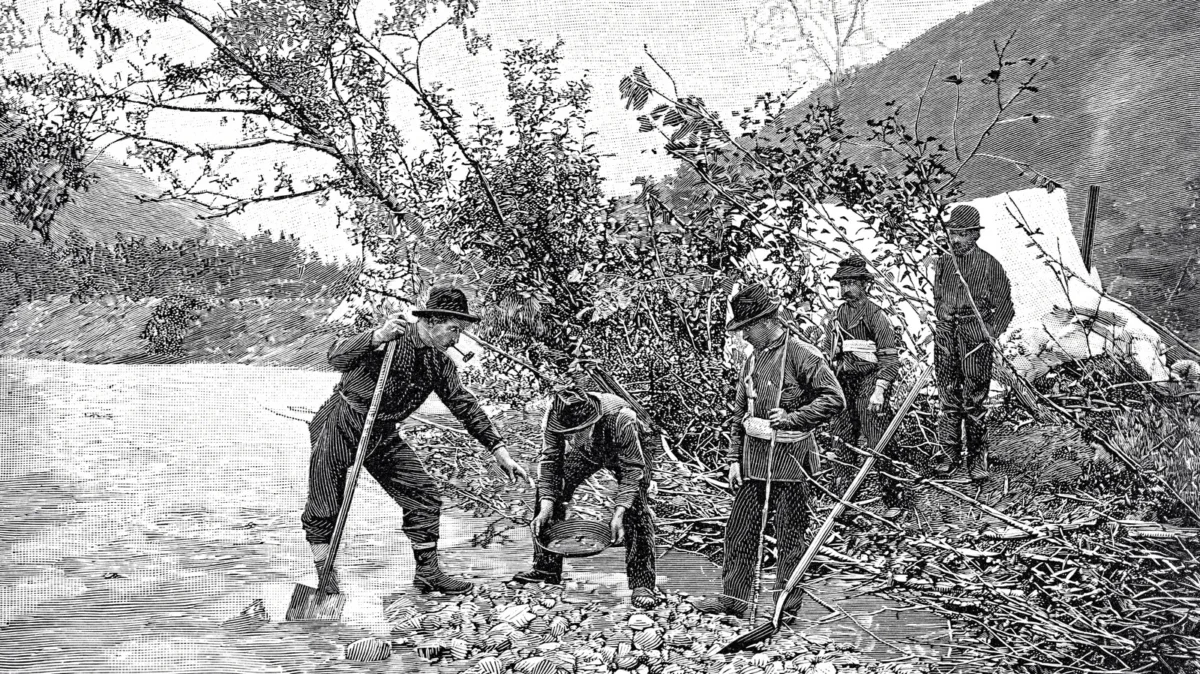
By Staff Food History Correspondent
Published: October 2023
Main Facts: The Harsh Realities and Gastronomic Legacy of 1849
The California Gold Rush of 1849 remains one of the most romanticized epochs in American history. It is a narrative deeply embedded in the national consciousness—a tale of adventurous souls abandoning comfortable, familiar lives to hurtle themselves into the rugged, untamed unknown in pursuit of sudden fame and fortune.
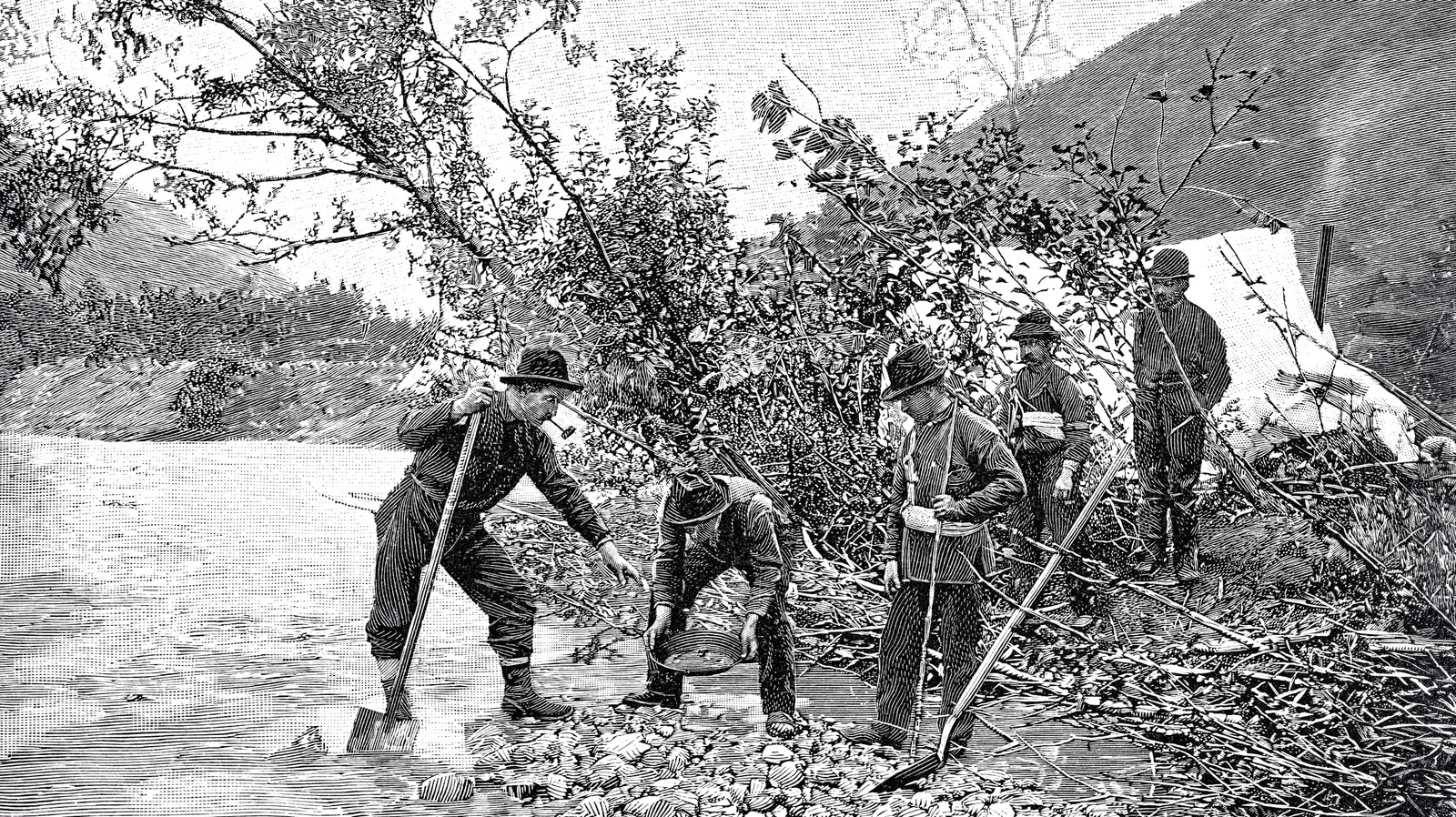
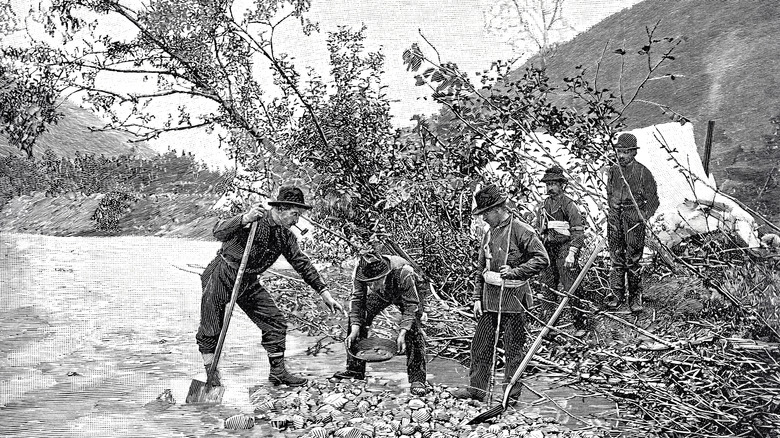
Yet, for the overwhelming majority of the estimated 300,000 "forty-niners" who flooded the region, the reality bore little resemblance to the myth. Beneath the shimmering allure of gold dust lay grinding physical labor, squalid living conditions, and constant exposure to the elements. Miners toiled knee-deep in icy, rushing rivers or labored in suffocating, unstable tunnels, facing dangers that ranged from cave-ins to violent disputes.
Among the most insidious and pervasive threats in the mining camps was not physical injury, but malnutrition. Food was frequently scarce, astronomically expensive, and Logistics made the supply chain notoriously unreliable. Fresh produce, dairy, and tender meats were virtually non-existent in the remote camps, leaving miners dependent on monotonous, highly processed, and nutritionally deficient rations.
Despite these punishing conditions, the Gold Rush inadvertently laid the foundation for California’s modern reputation as a global culinary mecca. Driven by necessity, ingenuity, and a convergence of diverse cultural traditions, the makeshift communities of the Sierra Nevada foothills sparked a culinary evolution. Hopeful prospectors, alongside immigrant communities barred from direct mining, brought recipes, ingredients, and techniques from around the globe. Guided by historical insights from writer and culinary historian Alan J. Wiener, this exploration dives deep into the kitchen pots and campfires of 1849 to examine the seven classic foods that sustained the gold seekers—and how those adaptations still resonate today.
Chronology: The Evolution of Camp Cooking from Rations to Richness
To understand what gold miners ate, one must trace the chronological arc of camp survival, which shifted from basic starvation-prevention to the rapid commercialization of California’s frontier foodways.
Phase 1: The Overland Trail and Basic Rations (1848–1849)
In the earliest days of the rush, travelers moving westward across the continent or arriving via sea routes relied entirely on shelf-stable non-perishables. Wagons were packed with staples designed to withstand months of travel without refrigeration: heavy sacks of dried beans, salt pork, bacon, hardtack crackers, and roasted coffee beans. During this initial phase, food was purely functional—a mechanism to generate enough caloric energy to swing a pickaxe.
Phase 2: The Establishment of Semi-Permanent Camps (1850–1852)
As surface gold became harder to find, individual prospectors coalesced into more organized, semi-permanent mining camps. Cooks and entrepreneurs established camp kitchens and rudimentary restaurants. This era saw the popularization of wild-foraged foods, the widespread adoption of sourdough starters brought over by European bakers, and the introduction of Chinese immigrant food networks supplying dried goods, rice, and fresh vegetables to bustling outposts.
Phase 3: The Rise of Frontier Epicureanism (1853 and Beyond)
By the mid-1850s, successful miners and prosperous merchants sought comfort and status symbols in booming settlements like San Francisco and Placerville (formerly known as Hangtown). It was during this phase that wealthy prospectors, eager to display their newfound riches, birthed extravagant novelty dishes like the Hangtown Fry, marrying the humble ingredients of the early camps with expensive luxury imports like eastern oysters and fresh eggs.
Supporting Data: The Staples of the Mining Camp
The dietary landscape of the California Gold Rush was dictated by logistics, geography, and preservation techniques. Below is a detailed look at the core components of the miner’s diet, backed by historical accounts and expert commentary.
1. Whiskey: Currency, Medicine, and Comfort
While the image of a grizzled miner clutching a whiskey flask is a staple of Western cinema, historical records confirm its absolute centrality to camp life. Beyond offering a potent, numbing release at the end of a punishing day standing in freezing mountain waters, whiskey served multiple critical functions in the isolated camps.
According to Alan J. Wiener, whiskey operated as an all-purpose apothecary. It was used as a topical antiseptic for wounds, a painkiller for agonizing toothaches, and a sedative for exhaustion. Crucially, in a frontier economy chronically starved of minted U.S. currency, whiskey functioned as a reliable monetary standard.

"Merchants and traders accepted gold dust in exchange for goods, using whiskey as a baseline metric for pricing," Wiener explains.
A well-stocked supply of whiskey could thus secure a miner a replacement shovel, heavy canvas trousers, or vital provisions when paper money was useless.
2. Dried Beans: The Reliable Protein Foundation
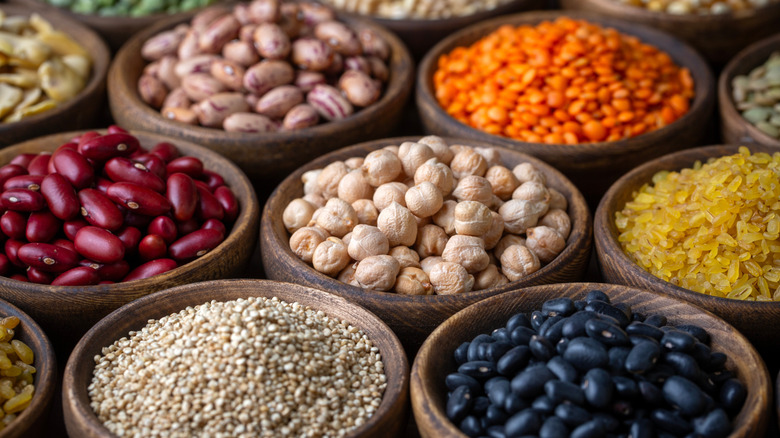
Sharing a striking dietary overlap with contemporary cattle drives and cowboy chuckwagons, mining camps relied heavily on dried beans as a primary source of dietary protein. Because fresh meat spoiled instantly in the California heat, beans offered a durable, affordable, and nutrient-dense alternative.
However, preparing beans in a mining camp required forethought and resources. Dried beans demanded hours of simmering over a wood fire. Camp cooks typically soaked the legumes overnight or during the day while miners were out working the claims. To elevate the bland flavor profile, cooks added whatever savory elements were available—most commonly chunks of cured, salted pork or bacon, and occasionally dried red chiles procured from Mexican traders. This rendered the tough, salty meats tender while infusing the beans with fat and richness.
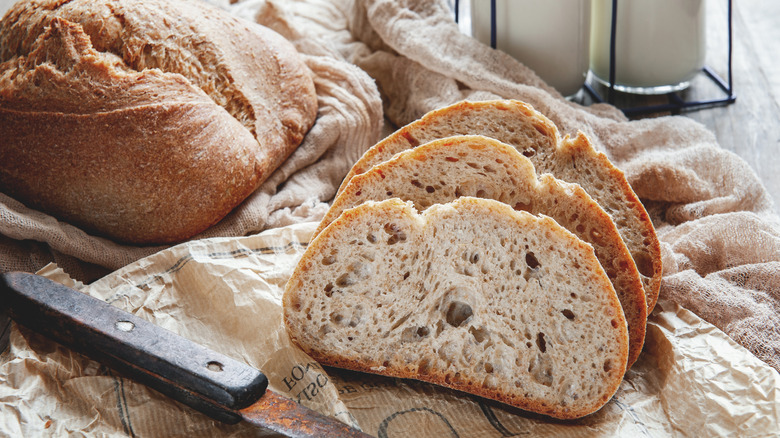
3. Sourdough Bread: The Lifeline of Wild Yeast
Fresh bread was a deeply desired comfort in the camps, but commercial baking powder and active dry yeast were not yet commercially available or practical for transport. While some desperate miners subsisted on hardtack—a dense, rock-hard, unleavened flour-and-water cracker designed to survive months of neglect—others sought a more palatable solution.
Enter sourdough. Miners cultivated wild yeasts captured from the air, mixing them with flour and water to create living starters. These starters were so vital to survival that miners carried them in durable canvas bags or wooden boxes rather than fragile glass jars.
"Miners zealously guarded their starters because they were literally a lifeline," Wiener notes.
Baked daily in heavy iron skillets, sourdough bread provided both essential carbohydrates and a distinctive tangy flavor profile that remains a hallmark of California culinary identity today.
4. Small Game: Foraged Protein in Times of Scarcity
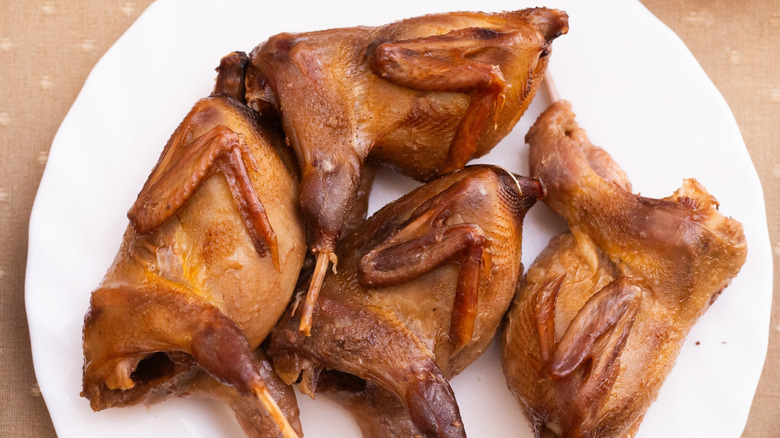
When rations ran dangerously low and store prices spiked beyond affordability, miners turned to the surrounding wilderness. While large game like deer or elk occasionally appeared on camp menus—sometimes acquired via trade with local Native Americans—the logistics of dressing, processing, and preserving large animals made them impractical for small prospecting parties.
Instead, hunters targeted small game: rabbits, squirrels, game birds, and river fish. Yet, successful hunting required physical stamina that exhausted miners frequently lacked. In his diaries, prospector Joseph Bruff lamented his profound weakness: "I am too weak to attempt travelling… Maybe I can shoot a bird." After multiple failures, he managed to bag a meager bluebird the size of a sparrow—tough and unappetizing, but a necessary deterrent against starvation.
5. Chinese Cuisine: Health, Hygiene, and Innovation
The Gold Rush was a truly global migration. Among the arrivals were thousands of Chinese immigrants who faced systemic discrimination, heavy taxation, and violent exclusion from prime mining claims. Despite being marginalized, Chinese entrepreneurs played an instrumental role in shaping California’s infrastructure, building mines and laying the railroad tracks that followed.
Crucially, they also established the state’s earliest restaurant networks.
"Ironically, the Chinese ate healthier meals than their American counterparts," Wiener points out. "They boiled water for drinking and tea and ate fresh or preserved foods."
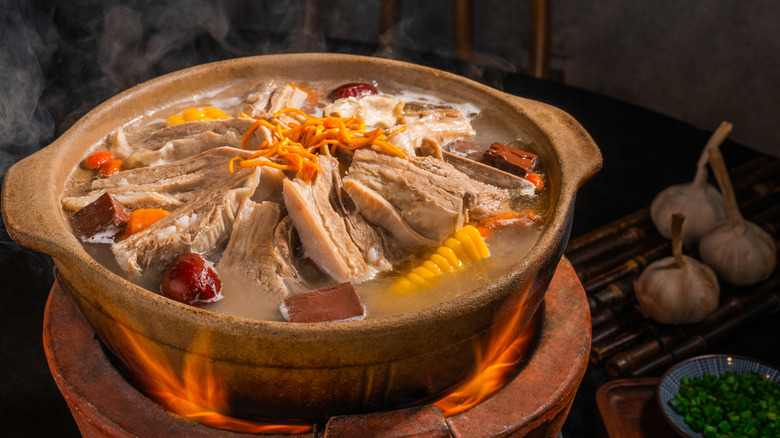
Chinese establishments offered affordable, all-you-can-eat combinations of pork, rice, and vegetables. To miners weary of greasy salt pork and hardtack, these eateries were revelations: cleaner, faster, and cheaper than American cookhouses. They also introduced transformative new ingredients to the frontier pantry, including bamboo shoots, soy-based sauces, pickled vegetables, and dried seafoods.
6. The Hangtown Fry: Decadence Born of Extravagance
Few dishes encapsulate the wild socioeconomic swings of the Gold Rush quite like the Hangtown Fry. Consisting of a heavy scramble of eggs, crispy bacon, and briny fried oysters, the dish remains a rich brunch staple in historic California regions.
Legend attributes the dish’s creation to a newly wealthy miner passing through Placerville (then called Hangtown). Eager to flaunt his freshly panned riches, he strode into a local hotel and demanded the kitchen staff prepare the most expensive meal imaginable. Because fresh eggs and oysters were staggering luxuries in the mountains—eggs commanded up to a gold dollar apiece in 1849—the chef combined them into a single, decadent skillet. An alternate, darker legend suggests it was the requested final meal of a condemned prisoner who deliberately ordered oysters, knowing they would take days to transport from the coast, thereby buying his accomplices precious time to plan a jailbreak.
7. Miner’s Lettuce: Nature’s Defense Against Scurvy
The standard miner’s diet was severely deficient in vitamin C, leading to widespread outbreaks of scurvy—a brutal, painful disease characterized by bleeding gums, blackening legs, and profound lethargy.
Fortunately, local Native Americans imparted vital botanical knowledge to newcomers, pointing out a wild succulent growing abundantly across western North America: winter purslane, commonly known as miner’s lettuce. Featuring fleshy, disc-shaped leaves, the plant is packed with vitamins A and C. Miners gathered the tender greens to eat raw as salads or boiled like spinach. Today, botanists and foragers still harvest miner’s lettuce across the Pacific Northwest, where it continues to thrive in damp, shaded soils.
Official Responses and Historical Preservation
Modern historians, anthropologists, and culinary institutions have increasingly turned their attention to the kitchen floors of the Gold Rush era to better understand the multicultural roots of American foodways.
State parks departments and historical societies in California have launched educational initiatives preserving sites such as Coloma (where gold was first discovered at Sutter’s Mill) to showcase authentic camp cooking methods. Archaeologists analyzing refuse pits in historic mining camps have uncovered vast arrays of imported Chinese ceramics, animal bones, and medicinal bottles, officially refuting the archaic stereotype that frontier diets consisted exclusively of whiskey and hardtack.

Furthermore, culinary preservationists are working to catalog heirloom seeds, wild plants like miner’s lettuce, and traditional sourdough strains that trace their lineage directly back to the mid-19th century camps.
Implications: The Enduring Culinary Legacy of 1849
The culinary trials faced by the forty-niners did more than just fill empty stomachs; they permanently altered the trajectory of American gastronomy.
- Multicultural Integration: The convergence of European baking methods, Indigenous foraging knowledge, Mexican spice traditions, and Chinese culinary efficiency created America’s first truly fusion-based food culture. This early cross-pollination laid the groundwork for modern California cuisine, which remains celebrated globally for its openness to diverse global influences.
- Resilience and Adaptation: The ingenuity required to preserve food without electricity, leaven bread without commercial yeast, and forage for medicine in the wild established a tradition of self-reliance that defines the modern American craft food movement—from the revival of artisanal sourdough bakeries to the farm-to-table foraging renaissance.
- Economic Symbolism: As demonstrated by the Hangtown Fry and the bartering power of whiskey, food in the mining camps transcended biological necessity to become a symbol of status, community, and economic exchange.
Ultimately, while the mountains of California failed to make fortune-seekers out of the vast majority who traveled West, the culinary legacy born from their campfire ashes proved to be a gold mine of far greater and more enduring value.
 Nila Kartika Wati
  Ali Ikhwan
  Layla Zulfa