
 By Layla Zulfa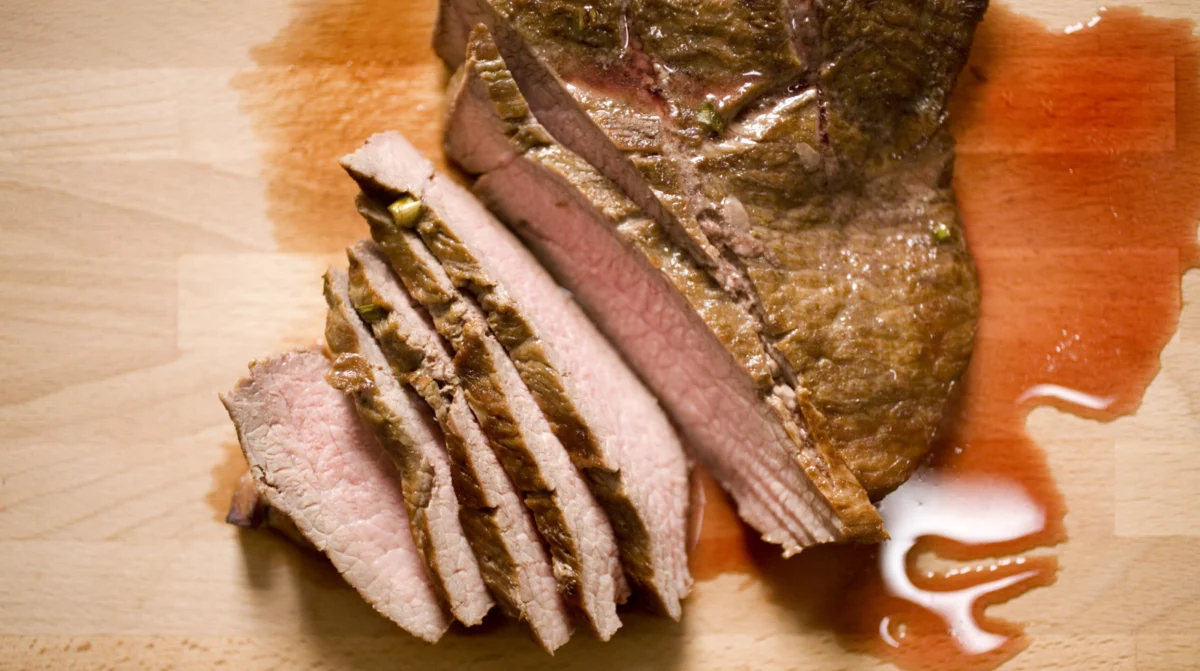
Main Facts
While the sizzling sear and rich, savory aroma of a good steak possess a timeless, cross-generational appeal, the culinary techniques used to prepare beef have evolved dramatically over the decades. Trendy dishes come and go, but items that once reigned supreme as household staples can easily fade into culinary obscurity. Such is the fascinating trajectory of the London broil.
Despite its transatlantic-sounding name, the London broil is not British in origin. Rather, it is a uniquely American invention born out of necessity and ingenuity. Furthermore, contrary to popular modern belief, "London broil" is not a specific cut of beef. Instead, it is an elaborate, deliberate style of preparation.
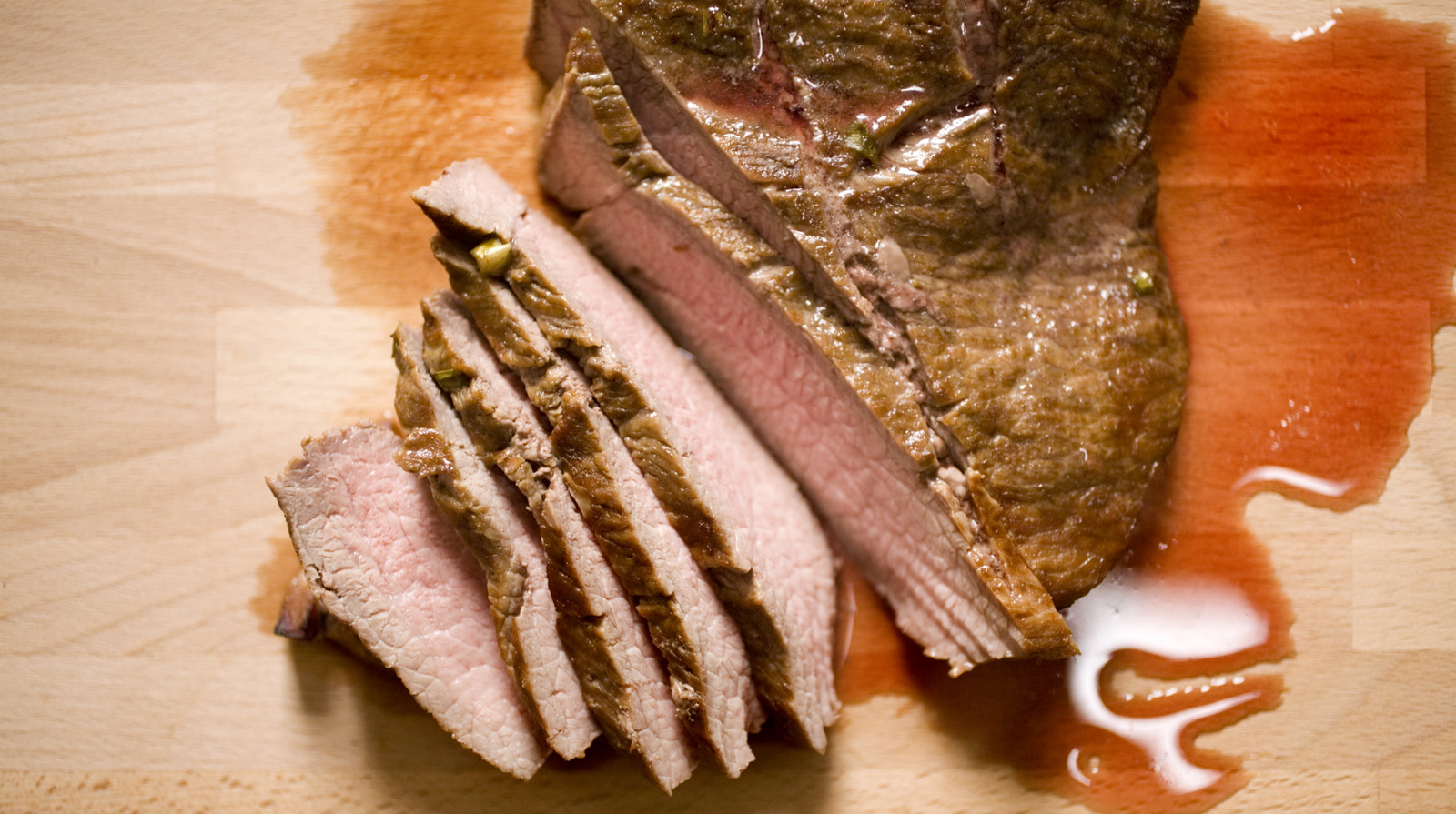
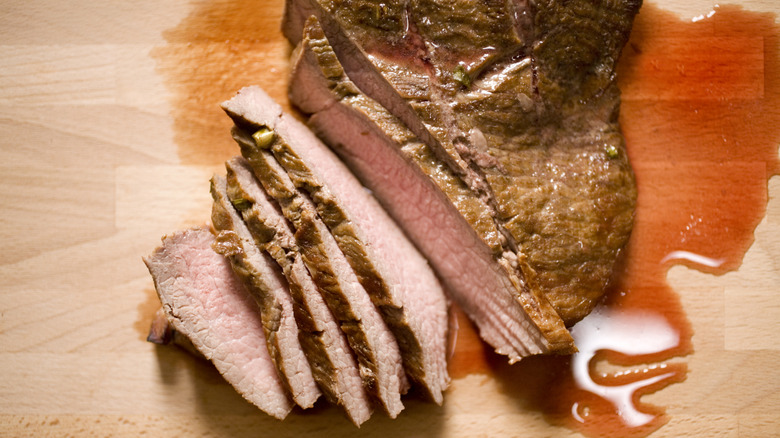
The traditional recipe calls for a tough, economical cut of meat—historically flank steak—to undergo a significant marinade bath. This acidic or enzymatic liquid breaks down the tough, fibrous muscle tissue before the meat is subjected to high-heat grilling or broiling. The objective is to char the exterior while leaving the interior delightfully rare. When sliced paper-thin against the grain and served alongside a rich au jus, this method transforms an otherwise chewy, inexpensive piece of beef into a tender, luxurious dining experience.
During its mid-to-late 20th-century heyday, particularly throughout the 1980s and 1990s, the London broil was a quintessential middle-class status symbol. It allowed budget-conscious families to serve what felt like a high-end steakhouse dinner without breaking the bank. Today, however, the dish exists in a strange culinary limbo: largely absent from modern restaurant menus, occasionally remembered with nostalgia by older generations, and surprisingly prevalent in American delicatessens as pre-sliced cold cuts.
Chronology: The Timeline of London Broil
To understand how a dish with "London" in its title became an American middle-class icon, one must trace its journey through the decades, from its shadowy origins to its current status as a retro artifact.
Pre-1930s: The Genesis in the American Northeast
While the exact creator of the London broil remains lost to culinary history, food historians generally agree that the concept emerged in the United States, with Philadelphia frequently cited as its birthplace. Early working-class butchers and home cooks needed a way to make cheaper, tougher cuts of beef—such as flank steak or round steak—palatable. By combining a heavy acidic marinade with a rapid, high-heat cooking method, they unlocked a method to tenderize inexpensive protein.
1931: Entering the Print Record
The term "London broil" officially entered the American lexicon when it appeared in print for the first time in 1931. By this point, the preparation style had begun spreading through cookbooks and newspaper food sections across the Northeast, prized for its ability to stretch a modest food budget.
Post-World War II to the 1970s: Suburban Expansion
As post-war prosperity swept the United States and suburban barbecue culture took root, home cooks embraced grilling. The London broil transitioned from an urban working-class hack to a staple of suburban backyard cookouts. The sophisticated-sounding "London" moniker added an air of continental elegance, helping families elevate everyday weeknight dinners into special occasions.
The 1980s and 1990s: The Golden Age of the Middle-Class Table
During the 1980s and ’90s, the London broil reached the zenith of its cultural relevance. It became a staple of middle-class dinner parties and family gatherings. Cookbooks of the era frequently featured elaborate marinade recipes incorporating soy sauce, Worcestershire sauce, garlic, and vinegar. It was viewed as the ultimate expression of sophisticated home cooking that remained accessible to the average household budget.
The 2000s to Present: Modern Evolution and Deli Shelves
As the 21st century unfolded, the American food landscape shifted dramatically. Artisanal butcher shops, grass-fed beef, and specialized steak cuts (such as flat iron and skirt steak) gained prominence. Flank steak—once a throwaway, budget-friendly cut—surged in popularity and price due to its inherent beefy flavor, disrupting the traditional economics of the London broil. Today, while home cooks occasionally attempt retro revivals, consumers are far more likely to encounter London broil as a pre-packaged deli meat produced by brands like Boar’s Head.
Supporting Data: Cuts, Costs, and Culinary Chemistry
To fully appreciate the evolution of the London broil, one must examine the culinary mechanics and economic shifts that governed its existence.
The Chemistry of Tenderization
The core brilliance of the London broil lies in its reliance on food science long before molecular gastronomy became a buzzword. Flank steak and top round cuts come from heavily exercised muscle groups containing high amounts of connective tissue and collagen. If cooked directly over high heat without intervention, these cuts yield a tough, rubbery, and virtually unchewable piece of meat.
The traditional London broil marinade relies on acids (such as vinegar, citrus juice, or wine) or enzymes (like those found in papaya or pineapple, though less common in traditional recipes) to break down these tough muscle fibers. Furthermore, letting the meat marinate for anywhere from two to twenty-four hours allows these flavor profiles to penetrate deep into the dense tissue.
Economic Realities: Then vs. Now
For decades, the defining characteristic of the London broil was its frugality. It was a masterclass in turning less-than-desirable beef into a star attraction. However, the modern meat market has upended this dynamic:
- The Flank Steak Inflation: Because modern food culture taught consumers how to properly cook and slice flank steak (always against the grain to shorten muscle fibers), demand skyrocketed. Consequently, flank steak is no longer a cheap budget cut; it frequently commands prices comparable to higher-end steaks like strip loin or ribeye.
- Cut Diversification: Because traditional flank steak has become too expensive to use as the base for an economical "broil," modern interpretations and commercial producers have pivoted. Contemporary recipes and deli manufacturers now frequently utilize lean cuts from the cow’s round or sirloin sections—such as top round roasts—to achieve a similar profile.
Commercial Adaptation: The Deli Counter Phenomenon
In an interesting twist of food manufacturing, the London broil successfully outgrew its domestic kitchen roots to find a permanent home in the refrigerated deli case. Major brands, most notably Boar’s Head, produce a widely available refrigerated beef product labeled as "London Broil."
Rather than using a thin flank steak, commercial producers typically roast massive top round cuts to mimic the flavor profile and texture of the traditional dish. While professional food reviews and taste tests occasionally rank these deli variations in the middle tiers of cold-cut portfolios—often due to stiff competition from premium roast beefs and pastramis—they remain popular for their robust, savory aroma and heavy seasoning of garlic and onion.
Official Responses and Culinary Expert Perspectives
Culinary historians, food scientists, and professional chefs have long debated the cultural significance and proper execution of the London broil. While the dish has largely fallen out of favor in high-end gastropubs and modern steakcentric restaurants, culinary professionals frequently look back at the technique with professional respect.
The Food Historian’s View
Food historians emphasize that the moniker "London broil" is a textbook example of culinary aspirational naming. During the early and mid-20th century, American consumers harbored a cultural fascination with European sophistication. Attaching the name of a major European capital to a local, working-class piece of beef was a clever marketing tactic—whether invented by an ambitious butcher in Philadelphia or a clever restaurant owner in New York.
Historians note that the dish represents a broader era of American domestic ingenuity, where convenience foods, bottled marinades, and resourceful cooking techniques allowed post-war households to mimic fine dining on a blue-collar budget.
The Modern Chef’s Perspective
Contemporary chefs often view the traditional London broil with mixed emotions. On one hand, many lament the way the dish was overcooked in suburban kitchens during the late 20th century. Because the traditional recipe relies on a rare or medium-rare interior, overzealous home cooks frequently cooked flank steak all the way to well-done, rendering it dry and tough—a common childhood culinary trauma for many Generation X and Millennial diners.
On the other hand, modern chefs praise the underlying philosophy of the dish: nose-to-tail resourcefulness and the art of proper meat slicing. Chef training programs continue to emphasize the importance of cutting against the grain—a vital mechanical step born directly from the traditions of the London broil. Furthermore, the resurgence of interest in secondary cuts (such as hanger steak, bavette, and Denver steaks) owes a quiet debt of gratitude to the path paved by the humble London broil decades prior.
Implications: The Retro Revival and the Future of Budget Beef
As culinary trends cycle through waves of nostalgia, the London broil occupies a unique space, raising questions about sustainability, economy, and comfort food culture in the modern era.
The Nostalgia Factor
For millions of Americans who grew up in the 1980s and 1990s, the smell of soy sauce, garlic, and charred beef sizzling under a kitchen broiler evokes intense feelings of home, family dinners, and weekend celebrations. As comfort food retro revivals continue to dominate social media platforms and food blogs, older recipes are experiencing a micro-renaissance. Food creators are rediscovering the vintage appeal of the London broil, adapting retro cookbooks for modern air fryers, cast-iron skillets, and precision immersion circulators.
Economic Pressures and Resourceful Cooking
In an economic climate marked by rising grocery prices and inflation, the core principle behind the London broil—transforming cheap, tough cuts of meat into a delectable centerpiece—is more relevant than ever. Modern consumers looking to save money on grocery bills are increasingly turning away from expensive ribeyes and tenderloins in favor of versatile, flavorful secondary cuts. The enduring lesson of the London broil is that culinary skill, patience, and a well-crafted marinade can often outweigh raw financial investment in the kitchen.
Conclusion: A Legacy Carved in Slices
While the London broil may no longer command prime real estate on upscale restaurant menus, its cultural footprint is indelible. It stands as a monument to American culinary resourcefulness—a dish that took a humble, unpretentious piece of beef, draped it in an exotic name, and taught generations of home cooks how to turn simplicity into a feast. Whether remembered fondly from family dinners of the 1980s, discovered anew through a retro food blog, or grabbed sliced-to-order at the local deli counter, the London broil remains a fascinating chapter in the story of American cuisine.
 Nila Kartika Wati
  Ali Ikhwan
  Asro
Asro 