
 By Sagoh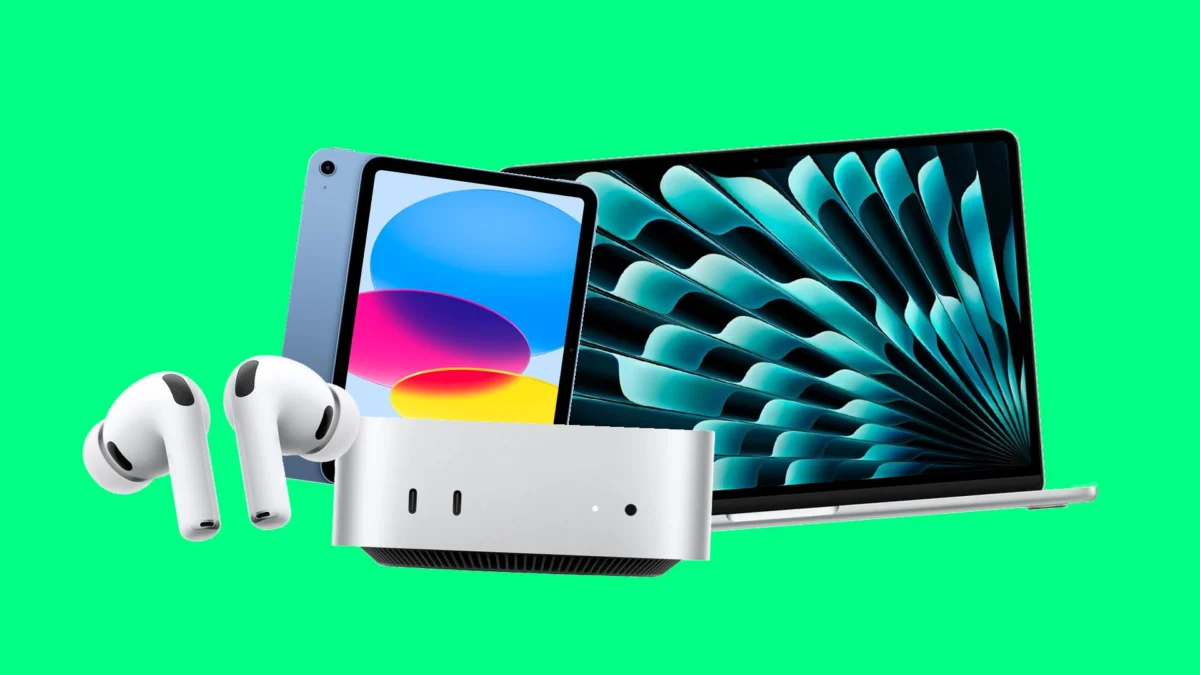
For years, the tech industry operated under a predictable rhythm of incremental price adjustments and steady supply chains. However, 2026 has proven to be an outlier. As the global demand for high-performance computing power skyrockets, driven by the unprecedented expansion of AI data centers, the cost of raw components—most notably Random Access Memory (RAM)—has surged. This macro-economic shift has forced hardware giants like Apple to adjust their pricing structures, leaving professional creatives and tech enthusiasts facing a "new normal" of higher MSRPs.
In this climate, the return of Amazon’s Prime Big Deal Days (kicking off Tuesday, October 6) arrives not just as a seasonal sale, but as a crucial financial relief valve. While the shadow of recent price hikes looms large, the early deals surfacing on the platform suggest that consumers can finally bypass the June 2026 price increases, bringing the latest Apple ecosystem hardware back to more palatable, pre-inflationary levels.
The Context: Why Your Tech Gear Suddenly Costs More
To understand the importance of these Prime Day deals, one must first look at the semiconductor landscape. The AI boom has effectively created a "compute gold rush." Data centers operated by major cloud providers are consuming the vast majority of high-end memory chips. Because these components are foundational to both enterprise servers and consumer-grade laptops, the scarcity has driven up the cost of production for manufacturers.
Apple, known for its vertically integrated supply chain, was not immune to these pressures. In June 2026, the company implemented a series of price adjustments across its product lines to maintain its margins amidst rising component costs. For the freelance designer, the video editor, and the digital artist, this meant that essential upgrades—the kind that define their workflow—suddenly became significantly more expensive.
Chronology of the 2026 Market Shift
- Q1 2026: Early warning signs appear as global demand for HBM (High Bandwidth Memory) outstrips supply, driven by the rollout of next-generation AI models.
- May 2026: Industry analysts begin forecasting a 15–20% increase in the cost of consumer-grade RAM and SSD storage.
- June 2026: Apple announces updated pricing for its hardware lineup, reflecting the increased cost of goods sold. The market reacts with frustration as entry-level and mid-range professional machines see significant price jumps.
- Late Summer 2026: Retailers grapple with reduced consumer sentiment as the cost of living and tech inflation converge.
- October 6, 2026: Amazon launches Prime Big Deal Days. Early indicators suggest a aggressive strategy to move volume by discounting Apple products back to—or below—pre-June MSRP levels.
Supporting Data: Where the Savings Lie
The current crop of Prime Day deals is significant because it effectively resets the clock on tech depreciation. While the "list price" remains high, the effective purchase price has been normalized.
The MacBook Air M5: Reclaiming Value
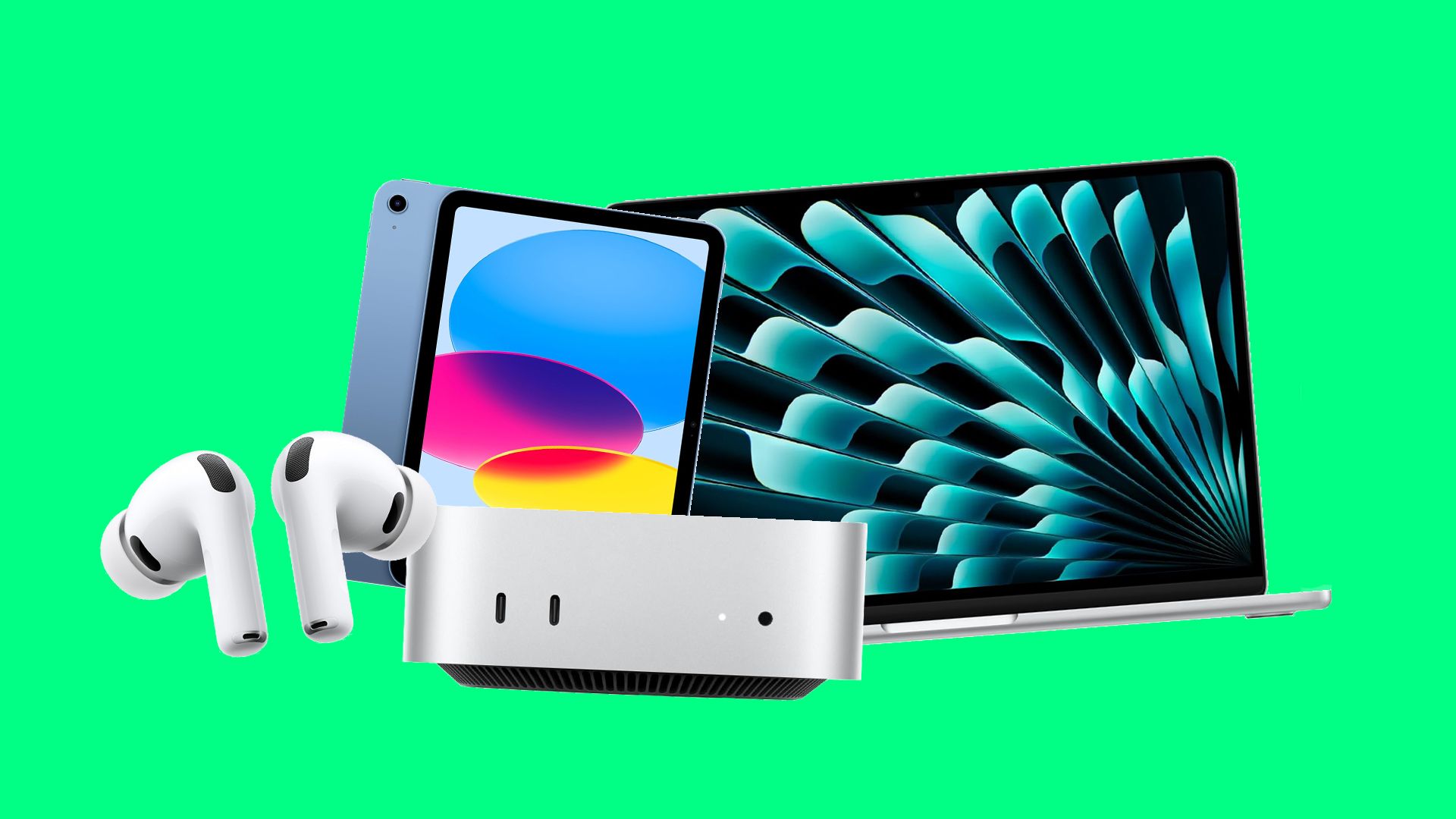
The standout deal of the season involves the M5 MacBook Air. Previously sitting at a hiked MSRP of $1,299, the device has been spotted at $1,099. For the creative professional, this $200 saving represents more than just a discount; it is a restoration of value. The M5 architecture, which boasts improved thermal efficiency and faster neural engine processing for AI-assisted creative tasks, is now priced as if the June inflation event never occurred.
AirPods Pro 3: The Audio Essential
Audio hardware has also seen its share of price volatility. The AirPods Pro 3, which had drifted toward a $249 price point, is currently listed at $179. In an era where remote collaboration and high-fidelity monitoring are standard, this discount offers a tangible way to maintain professional audio standards without overextending a budget.
Official Responses and Industry Outlook
While Apple rarely comments on specific retailer promotions, their recent financial disclosures have emphasized a focus on "value-based pricing" despite the inflationary environment. During the last earnings call, leadership highlighted the necessity of maintaining supply chain integrity, noting that while costs have risen, the performance gains in the M5 chip architecture provide a compelling reason for users to upgrade regardless of the price point.
Retail analysts, however, paint a different picture. "What we are seeing with these Prime Day deals is a calculated effort to clear inventory before the end-of-year cycle," says Dr. Elena Vance, a retail analyst at TechMarket Insights. "Amazon is subsidizing these discounts to ensure they maintain their status as the primary destination for high-end consumer electronics. For the consumer, it is a rare moment of alignment where the retailer’s need for volume meets the user’s need for affordability."
Implications for the Creative Sector
The implications of these price fluctuations go beyond simple economics; they dictate the speed of creative innovation. When hardware prices are prohibitively high, independent creators often defer upgrades, sticking to aging machines that struggle with modern software demands—such as real-time 3D rendering, complex video codecs, or large-scale generative AI workflows.
By bringing prices back to pre-June levels, Amazon is effectively accelerating the hardware cycle for the creative class. When a professional can afford the latest MacBook Air or the most efficient accessories, they can optimize their rendering times, improve their color accuracy, and ultimately deliver better work for their clients.
Accessibility and the "Prime Advantage"
It is worth noting that many of these deals are accessible to non-Prime members, or at least to those willing to engage with the ecosystem. The 30-day free trial of Prime remains a strategic entry point for those who only care about the one-off purchase. This accessibility is crucial; it ensures that the "tech tax" imposed by inflation doesn’t become a permanent barrier to entry for students or emerging artists.
Strategic Buying: How to Maximize the Sale
For those looking to refresh their setups during this period, a few strategic considerations are advised:
- Prioritize Long-Term Utility: Don’t just buy because it is on sale. Focus on machines with unified memory that will handle the next three to five years of software updates.
- Look for Bundle Potential: While the MacBook Air and AirPods are the headline items, keep an eye on peripherals. Often, these sales extend to docks, monitors, and storage solutions that provide the necessary infrastructure for a professional studio.
- Check the "Renewed" Options: If the new prices are still slightly above your threshold, Amazon’s "Renewed" category often features even steeper discounts on the same M5-series hardware, backed by their performance guarantee.
- Timing is Everything: Prime Big Deal Days are notorious for fluctuating stock. If you see a price point that aligns with your budget, waiting for a further drop is often a gamble that results in an "Out of Stock" notification.
Conclusion
The 2026 tech market is defined by a tension between cutting-edge capability and the harsh realities of global component shortages. The price hikes experienced in June were a sobering reminder that our digital tools are inextricably linked to physical supply chains. However, the current Prime Big Deal Days represent a vital correction.
By leveraging these discounts, creatives can navigate around the inflationary spikes that have defined the year. Whether you are an editor seeking the efficiency of the M5 chip or a producer needing the precision of the latest audio gear, these deals provide a window of opportunity to upgrade your tools without compromising your fiscal health. As the creative sector continues to push the boundaries of what is possible with AI and high-definition media, having the right hardware at the right price isn’t just a luxury—it’s a professional necessity.
 Asep Darmawan
  Iffa Jayyana
  Reynand Wu