
 By rifanmuazin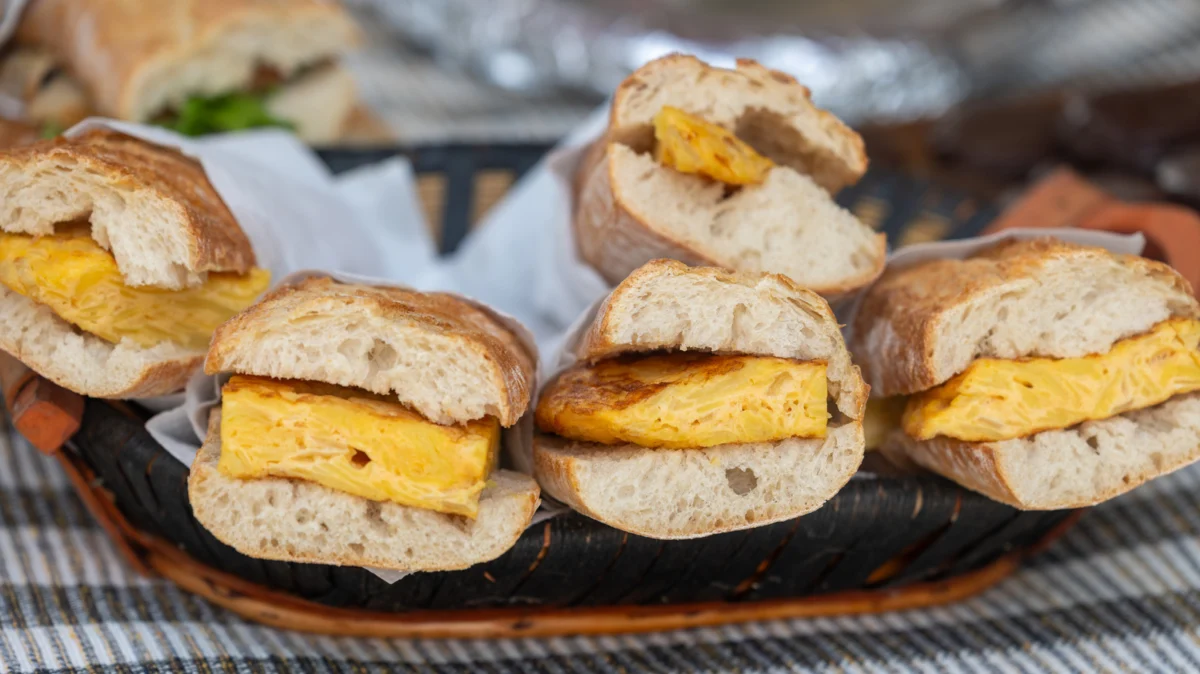
Main Facts: The Ultimate Mediterranean Morning Staple
For generations, the global conversation surrounding the morning meal has been dominated by American-style diner platters, English full breakfasts, or French pastries. However, food enthusiasts looking beyond standard culinary borders inevitably discover one of Spain’s greatest daytime treasures: the bocadillo de tortilla.
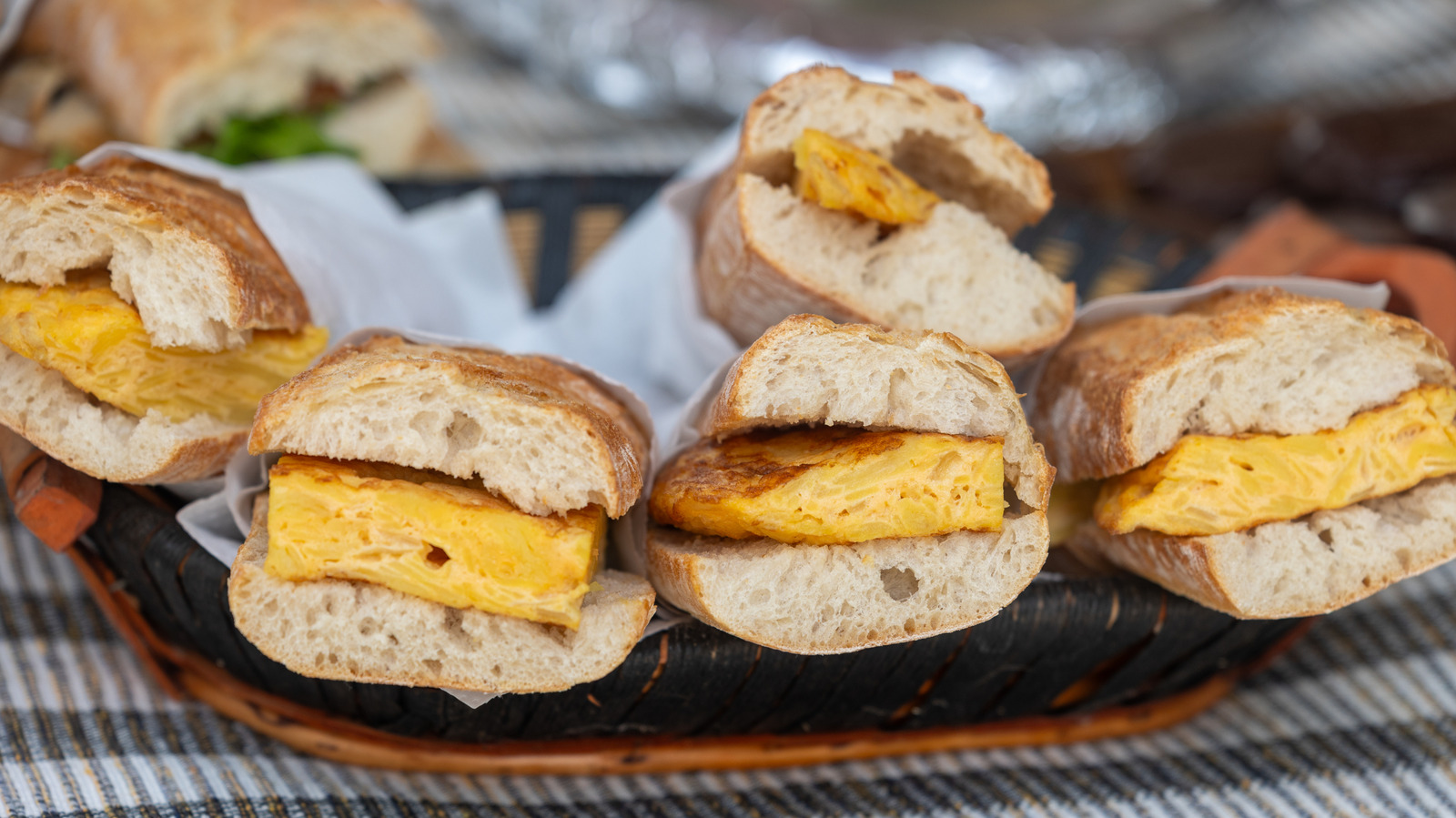
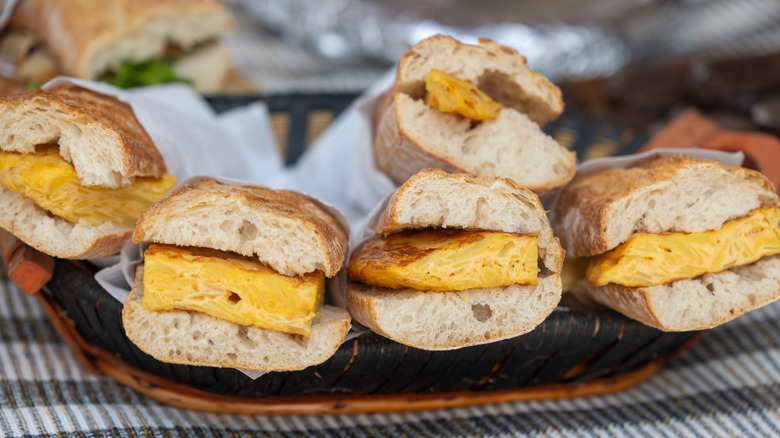
At its core, the bocadillo de tortilla—or more specifically, the bocadillo de tortilla de patatas—is a masterclass in culinary minimalism. It features a crisp, crusty baguette-style loaf of bread sliced cleanly down the middle, cradling a thick, hearty wedge of traditional Spanish potato omelet. While travelers most frequently encounter this savory handheld meal during a mid-morning almuerzo or a bustling lunch hour at local tapas bars and neighborhood cafés, it functions brilliantly as a substantial, comforting breakfast.
Unlike the fluffy, scrambled-egg breakfast sandwiches popular in North America, the Spanish version centers on the tortilla de patatas, a dense yet tender creation made primarily of slow-cooked potatoes, eggs, and olive oil. The sandwich requires no elaborate cooking equipment or rare ingredients. Yet, it yields a rich, deeply satisfying flavor profile that bridges the gap between rustic comfort food and brilliant gastronomic engineering. Whether eaten warm, at room temperature, or straight out of the refrigerator, this staple offers a delicious window into authentic Spanish food culture—one that home cooks can easily replicate in their own kitchens.
Chronology: The Evolution of Spain’s Iconic Sandwich Culture
To truly appreciate the bocadillo de tortilla, one must understand the rich timeline of how Spanish bread and egg dishes converged into the cultural phenomenon observed today.
Pre-20th Century: The Rise of the Bocadillo
The history of the bocadillo is deeply rooted in the working-class traditions of Spain. Long before modern fast food or packaged snacks existed, laborers, farmers, and travelers needed portable, calorie-dense meals that could withstand long hours away from home. The solution was the bocadillo—a simple division of crusty bread (barra de pan) stuffed with whatever local provisions were available. Early fillings were humble, often consisting of cured ham (jamón), cheese, or chorizo.
The Birth of the Spanish Omelet
Meanwhile, the tortilla de patatas has its own storied past. Historical food historians trace the emergence of the potato omelet in Spain back to the early 19th century, particularly around the Extremadura region and Navarre. As potatoes became an agricultural staple across Europe following the Columbian Exchange, resourceful Spanish cooks combined affordable tubers, eggs, and olive oil into a filling, single-pan dish. It quickly evolved from a peasant survival food into a national culinary symbol.
The Great Convergence: From Tapas Counter to Breakfast Table
As Spain’s urban centers grew throughout the 20th century, the tortilla de patatas became the quintessential tapa—sliced into bite-sized squares or wedge-shaped portions served on toothpicks. Naturally, clever cooks realized that sliding a thick wedge of this potato omelet between two halves of fresh bread created the ultimate transportable meal.
Over the decades, the bocadillo de tortilla transitioned from a working-class lunchbox essential to a ubiquitous morning ritual. Today, across Madrid, Barcelona, Seville, and countless rural villages, stepping into a corner café at 10:00 AM reveals a common sight: locals standing at the counter, sipping café con leche while biting into a warm, foil-wrapped bocadillo de tortilla.
Supporting Data: Anatomy of the Bocadillo de Tortilla
Understanding the components of this iconic breakfast sandwich reveals why it works so well from a nutritional and textural standpoint.
The Bread (El Pan)
In Spain, the foundation of any good bocadillo is the bread. Unlike soft sandwich loaves or sweet brioche buns, a traditional Spanish barra or pistola features a deeply golden, shatteringly crisp crust with an airy, chewy interior crumb. This structural integrity is vital: it must hold up to the moisture and richness of the egg and potato filling without becoming soggy, yet offer a satisfying crunch with every bite.
The Filling (La Tortilla de Patatas)
The star of the show is the Spanish omelet. Scientifically, it is an emulsion of gently cooked eggs and starch-rich potatoes bound together by quality extra virgin olive oil.
- Potatoes: Typically sliced thin or cut into small irregular chunks, gently fried or confited in oil until tender (not browned or crispy like French fries).
- Eggs: Fresh, high-quality eggs that bind the potatoes. In authentic Spanish households, the center of the tortilla is often left slightly soft or "runny" (jugosa), though preference varies.
- Onions (La Cebolla): The inclusion of onions in a tortilla is the subject of intense, nationwide culinary debate. Con cebolla (with onion) advocates argue that caramelized onions add essential sweetness and moisture, while sin cebolla (without onion) purists insist onions distract from the pure harmony of potato and egg.
Optional Enhancements
While purists often enjoy the sandwich in its simplest form—just bread and tortilla—many variations exist across Spanish regions:
- Tomato Rub (Pan con Tomate): Rubbing the interior of the bread with ripe tomatoes, garlic, and a drizzle of olive oil.
- Cured Meats: Adding a layer of jamón serrano, jamón ibérico, or lomo (cured pork loin) to introduce a salty, savory contrast.
- Spreads: A light smear of homemade garlic aioli or mayonnaise.
Official Recipes and Techniques: How to Craft Your Own
For those without a trip to Spain on the immediate horizon, bringing this European classic to your home kitchen is remarkably straightforward.
Step 1: Making the Tortilla de Patatas
If you want the most authentic experience, make your own tortilla from scratch.
- Prep the Veggies: Peel and thinly slice roughly 3 to 4 medium-sized Yukon Gold or Russet potatoes. If you choose to use onion, finely dice one medium yellow onion.
- Slow Cook: In a deep skillet, submerge the potatoes and onions in a generous amount of extra virgin olive oil. Cook on medium-low heat until the potatoes are completely tender and can be easily mashed with a fork (about 15-20 minutes). Drain the excess oil, reserving a small amount.
- Mix with Eggs: Crack 5 to 6 large eggs into a large bowl, whisk thoroughly, and season with salt. Add the cooked potato and onion mixture into the eggs. Let it sit for 5 to 10 minutes so the potatoes absorb the egg.
- Fry the Omelet: Heat a non-stick skillet with a tablespoon of the reserved oil. Pour in the mixture. Cook on medium heat until the edges set. Using a large plate placed over the skillet, skillfully flip the tortilla, then slide it back into the pan to cook the other side. The interior should remain slightly creamy.
Step 2: Assembling the Bocadillo
- Select and Toast: Take a fresh, high-quality crusty baguette or artisan sub roll. Slice it horizontally, ensuring the hinge remains intact if possible. For extra crispness, lightly toast the interior face of the bread in a dry skillet or toaster oven.
- Optional Condiments: If desired, rub the cut sides of the bread with a halved clove of raw garlic, followed by a swipe of ripe tomato pulp or a thin skim of quality mayonnaise or aioli.
- The Insertion: Cut a generous, thick wedge of your prepared tortilla (either warm, at room temperature, or chilled) and slide it squarely into the bread.
- Final Touches: If you prefer a protein boost, lay down a few thin ribbons of jamón serrano directly against the bread before adding the tortilla. Press down gently, cut in half, and serve immediately alongside a strong cup of coffee or freshly squeezed orange juice.
Implications: Why the Spanish Breakfast Sandwich is the Trend of Tomorrow
As global culinary habits shift toward intentional eating, convenience, and a rejection of overly processed morning foods, the bocadillo de tortilla is uniquely positioned to capture the imagination of home cooks and brunch enthusiasts worldwide.
Nutrient-Dense and Sustaining
Unlike sugary breakfast cereals or refined-carb pastries that cause rapid blood sugar spikes and subsequent crashes, a Spanish tortilla sandwich offers a balanced macronutrient profile. Packed with high-quality protein from eggs, complex carbohydrates from potatoes, and healthy monounsaturated fats from olive oil, it provides sustained energy that keeps hunger at bay well into the afternoon. This makes it an ideal meal for remote workers, athletes, and busy professionals seeking functional nutrition without sacrificing flavor.
The Rise of Regional European Breakfasts
North American and Northern European breakfast cultures have long been dominated by heavy, greasy platters or cold breakfast bars. The growing popularity of the bocadillo points to a broader culinary trend: consumers looking for lighter, more artisanal, and culturally rich alternatives. By embracing simple, high-quality ingredients—good bread, fresh eggs, and golden olive oil—home cooks can elevate their standard morning routine into a Mediterranean escape.
Ultimately, mastering the bocadillo de tortilla is more than just learning a new recipe; it is an adoption of a lifestyle. It reminds us that luxury in the kitchen does not require dozens of exotic ingredients or hours of meticulous labor. Often, true culinary brilliance is found in the simple intersection of crusty bread, perfectly cooked eggs, and a little bit of Spanish history.
 Lina Hope
  Neng Nana
  Asep Darmawan