
 By Ammar Sabilarrohman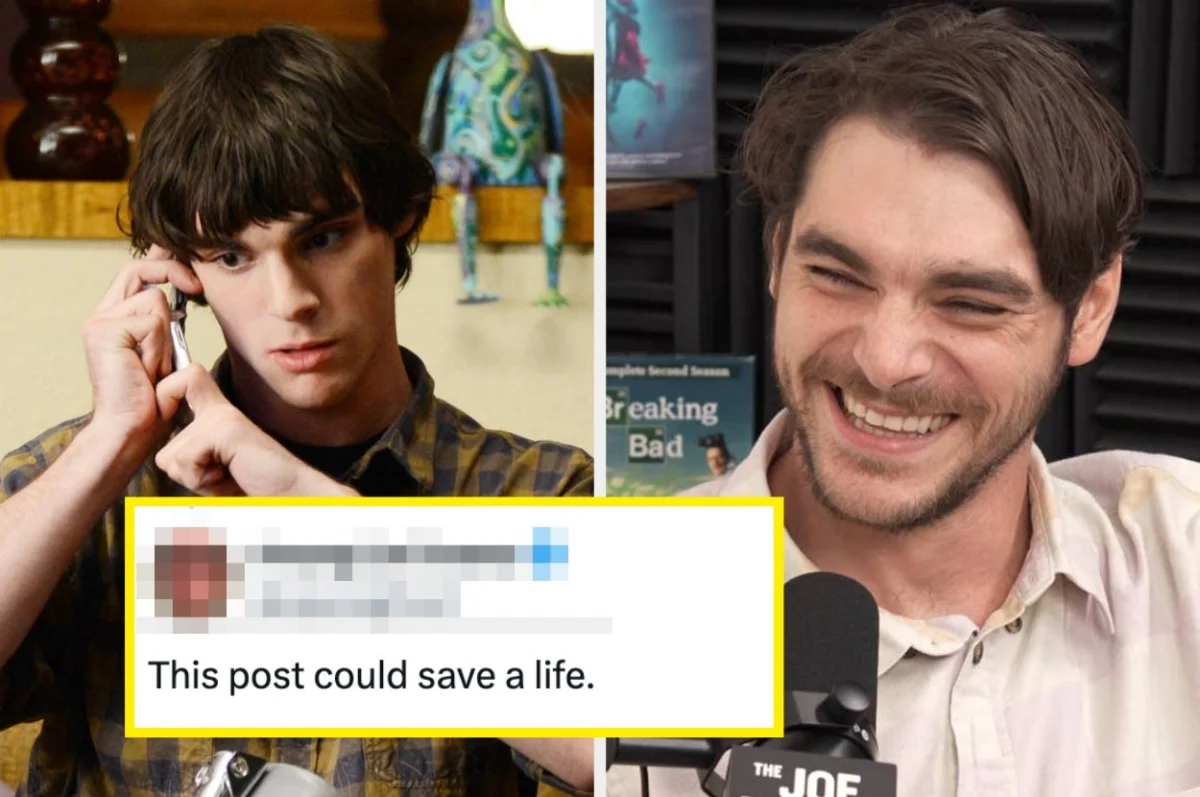
Remembering RJ Mitte: Breaking Bad Star’s Tragic Passing Sparks Crucial Conversations on Hidden Suicide Warning Signs
October 14, 2026 — The entertainment industry and millions of fans worldwide are in a state of profound mourning following the untimely death of actor, philanthropist, and disability rights advocate RJ Mitte. Best known for his breakout role as Walter "Flynn" White Jr. in the critically acclaimed, Emmy-winning AMC series Breaking Bad, Mitte passed away by suicide at the age of 34.
While tributes pour in from former co-stars, friends, and admirers remembering his resilience, infectious enthusiasm, and unwavering dedication to representation, his passing has also catalyzed a vital public health conversation. Experts, survivors, and advocates are using this moment to illuminate a dangerous and frequently misunderstood phenomenon: the sudden, deceptive improvement in mood that can precede a crisis.
Main Facts: The Tragic Loss of an Icon
RJ Mitte’s representative confirmed the devastating news, sharing a statement that read: "It is with profound sadness that we share the tragic passing of beloved actor, philanthropist, and passionate disability rights advocate RJ Mitte."
Diagnosed with cerebral palsy at the age of three, Mitte never allowed physical challenges to dictate the boundaries of his ambition. When he was cast in Breaking Bad at just 14 years old, he stepped onto a grueling, high-pressure television set alongside seasoned veterans like Bryan Cranston and Aaron Paul. For five seasons, from 2008 to 2013, Mitte portrayed Walter White Jr., a character dealing with cerebral palsy whose strength, moral clarity, and youthful earnestness provided a vital emotional anchor for a show otherwise steeped in darkness and corruption.
Beyond his acting credits, Mitte leveraged his platform to champion disability rights, shifting cultural paradigms regarding how disabled actors are represented in mainstream media. His sudden death at 34 has left a profound void in Hollywood and advocacy communities alike.
Chronology: From Final Appearances to Sudden Tragedy
In the weeks and days leading up to his death, those who interacted with Mitte observed no outward indicators of impending despair—a tragic hallmark of many mental health crises.
Just two weeks prior to the tragic announcement, Mitte appeared as a guest on The Joe Vulpis Podcast. During the episode, which was released earlier in the month, Mitte appeared upbeat, engaging, and "so positive," according to host Joe Vulpis. Vulpis, like many others who crossed paths with Mitte during this period, expressed profound shock upon learning of the actor’s death, noting the stark contrast between his outward demeanor and the internal reality he was facing.
Similarly, Cranston revealed that he and Mitte had been casually texting just weeks before, discussing potential plans to meet for lunch. The casual nature of their dialogue—focused on future connection—underscores just how skillfully individuals experiencing acute psychological distress can mask their pain, sometimes right up until their final days.
Official Responses and Tributes
The entertainment community responded to Mitte’s passing with an outpouring of grief, led by his longtime television father, Bryan Cranston. Taking to Instagram, Cranston penned an emotional tribute that captured both the warmth of their personal relationship and the staggering weight of the loss.
"I’m in deep despair as I write this tonight. RJ Mitte, my sweet son on Breaking Bad has died," Cranston’s post began. "I met him when he was only 14 years old when he was cast as Walter White Jr., a part he played with such joy and enthusiasm. Born with Cerebral Palsy, he never — ever — allowed that challenge to be an excuse for anything. He met the demanding shooting schedule head-on with great determination."
Cranston reflected on the unrealized potential of his young co-star, writing: "All that promise and potential now is such a loss. It is especially devastating to hear that he took his own life. Why? We were texting each other just a few weeks ago — figuring out when we could meet for lunch. I don’t know if that lunch would have changed his future… But I do know that I loved him, and thoroughly enjoyed being with him throughout the series, and after the spotlight on Breaking Bad dimmed…"
Cranston concluded his message with a poignant farewell—"I’ll miss you, son"—before pivoting to an urgent public appeal: "I can’t stop there without imploring anyone who is contemplating suicide to please call for the support you need at 988 Suicide & Crisis Lifeline. There is hope."
Supporting Data and Medical Insights: The Danger of the "Sudden Lift"
In the wake of reports regarding Mitte’s positive demeanor shortly before his death, mental health advocates and suicide prevention experts seized the opportunity to educate the public on a lesser-known, counterintuitive warning sign of suicidal intent: a sudden, dramatic improvement in mood after a prolonged period of severe depression.
When news of Mitte’s passing circulated, a quote-tweet on X (formerly Twitter) discussing TMZ’s coverage went massively viral, accumulating over 100,000 likes and sparking thousands of shared experiences.
The original post read: "When i made the decision to commit suicide my mood improved immensely because it meant everything would be over soon. every bad thing that was happening didnt matter because i wouldnt have to deal with the pain much longer. depression and suicide arent a straight line down."
This sentiment was echoed by numerous survivors and mental health advocates who pointed out how easily this warning sign is misread by loved ones. One user shared: "A week leading up to it, i dedicated so much time to my family. i brought my mother out to breakfast, talked to my siblings more. when i was in hospital, my mother lamented how she did notice how happier/active i was. i wish more people knew that sudden mood change is a warning sign."
Medical professionals and suicide prevention researchers validate these anecdotal accounts. Dr. Doreen Marshall, Vice President of Mission Engagement at the American Foundation for Suicide Prevention, noted in previous mental health literature regarding suicidal ideation: "Thoughts of ending their pain can be met with relief, much like the relief we feel when physical pain is alleviated."
Psychologically, when an individual grappling with profound, paralyzing depression finally makes the definitive decision to end their life, the exhausting internal struggle—the chronic debate over whether to live or die, and the burden of enduring daily suffering—temporarily lifts. This internal resolution can manifest outwardly as a sudden surge of calm, happiness, or a burst of frantic energy. Loved ones often mistake this transformation for genuine recovery or effective healing, unaware that the sudden lightness may actually signal that the individual has found a sense of finality regarding their plan.
Implications: Changing How We Recognize Mental Health Crises
The tragic loss of RJ Mitte serves as a somber reminder that depression does not always look like perpetual sadness or isolation. It can wear the face of a successful career, a warm text message, a positive podcast appearance, or a sudden, unexplained burst of familial warmth.
Public health advocates stress that recognizing the nuances of mental health distress—including the danger of sudden mood elevation following deep despair—is critical for intervention. Real, sustainable healing requires time, professional support, and steady stabilization. A sudden, drastic pivot in mood should be treated not as a definitive sign that a crisis has passed, but as a potential red flag requiring open, compassionate check-ins.
By turning the tragedy of RJ Mitte’s death into an educational moment, advocates hope to dismantle dangerous misconceptions about suicide, encourage vigilance among families and friends, and ensure that individuals struggling in silence feel empowered to reach out for the help they deserve.
Immediate Resources and Support Lines
If you or someone you know is going through a difficult time, please remember that you do not have to carry the weight alone. Confidential, free support is available 24/7/365:
- United States and Canada: Call or text 988 to reach the Suicide & Crisis Lifeline, or chat online at 988lifeline.org.
- The Trevor Project: Dedicated support for LGBTQ youth is available at 1-866-488-7386 or via thetrevorproject.org.
- International Support: If you are outside the United States, you can find local, confidential support services through befrienders.org.
 Evan Lee Salim
  Layla Zulfa
  Dwi Wanna