
 By Nila Kartika Wati
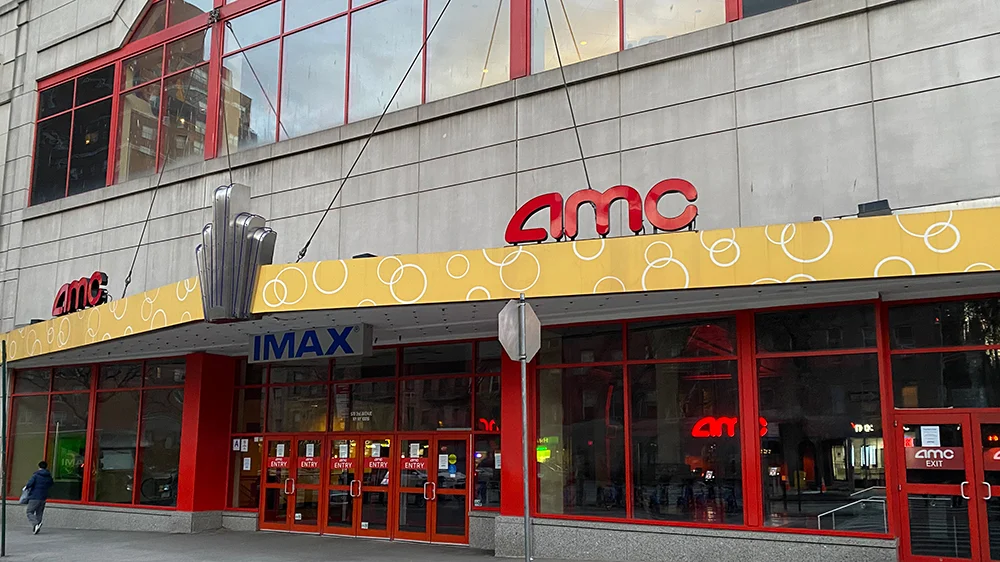
For over a quarter of a century, the AMC Kips Bay 15 has stood as more than just a cinema; it has been a cornerstone of Manhattan’s cultural landscape. However, the theater’s long-running tenure is drawing to a premature close. AMC Theatres CEO Adam Aron has officially confirmed that the beloved Second Avenue multiplex is set to shutter its doors on January 3, 2026, marking the end of a 27-year era for the neighborhood fixture.
The closure, which follows a period of significant tension between the exhibition giant and the neighboring NYU Langone Health, has sparked a wave of community protest and high-level local advocacy. As the clock ticks down toward the January deadline, the situation serves as a stark case study in the escalating battle for urban real estate in New York City, pitting the preservation of community-centric leisure spaces against the expansion requirements of major medical institutions.
The Chronology of a Neighborhood Staple
The Kips Bay 15 location has been a mainstay of the Manhattan entertainment scene since it opened its doors on May 14, 1999. In 2006, AMC took over the site, quickly integrating it into its portfolio and elevating it to become the chain’s second-largest multiplex in New York City, trailing only the massive Empire 25 in Times Square.
For years, the location thrived, surviving the industry-wide upheaval caused by the streaming boom and the pandemic. However, the dynamics of the property shifted as NYU Langone Health—which occupies a massive footprint in the area—began exploring options for facility expansion.
The first public signs of trouble emerged in late summer 2026. On August 24, Variety reported that the theater was slated for closure at the end of the year. The news ignited immediate backlash from residents, culminating in a series of organized protests in September. Despite the public outcry and the intervention of local politicians, including Manhattan Borough President Brad Hoylman-Sigal and New York State Assembly Member Keith Powers, the landlord has proceeded with the termination of AMC’s lease, citing the planned transition of the property to NYU Langone ownership.
Supporting Data: A Theater at the Peak of Its Power
The most frustrating element for both AMC and local patrons is that the Kips Bay 15 is not a struggling business. Contrary to the narrative often associated with closing retail locations, the Kips Bay site has been performing at an elite level.
According to data provided by Adam Aron, the theater’s recent performance has been nothing short of extraordinary. "Every day, thousands of guests watch a movie at AMC Kips Bay 15," Aron noted in his recent open letter to the community. He further highlighted that throughout the summer of 2026—a record-breaking season for the domestic box office, which saw massive hits like Spider-Man: Brand New Day, The Odyssey, and Toy Story 5 rake in a collective $4.67 billion—the Kips Bay location frequently ranked among the top 10 most-attended AMC theaters in the entire United States.
Given that AMC operates more than 500 locations nationwide, placing a single theater in the top 10 is a rare feat, underscoring the site’s immense popularity and its essential role in the local economy. The theater remains a primary destination for upcoming tentpole releases, including the highly anticipated Avengers: Doomsday and Dune: Part III, ensuring that the final months of operation will likely be marked by high foot traffic and bittersweet sentimentality from a loyal customer base.
The Standoff: Official Responses and Failed Negotiations
The core of the conflict lies in a fundamental disagreement over urban planning and property usage. While NYU Langone requires additional space to meet its mission of providing world-class medical care, AMC argues that the current development plans lack the creativity required to balance public health needs with cultural preservation.
In his letter, Adam Aron was explicit regarding the nature of the negotiations—or the lack thereof. "We have engaged with NYU Langone, suggesting any number of alternatives—including that it enlarge the current low-rise building to satisfy its desires for a growth of its medical facility but also leaving a theatre in place for you," Aron wrote.
AMC also proposed a "downsizing" model, where the theater could operate on a smaller footprint within the redeveloped site, allowing for both the hospital expansion and the continuation of cinema services. According to the CEO, these proposals were met with "closed minds."
The hospital’s position remains focused on its strategic growth plan. As the potential new owner of the building, which also houses a Fairway supermarket and a bank—both of which are expected to vacate—NYU Langone is operating within its rights as a prospective property owner. However, this has not silenced critics who believe that a large institution has a social responsibility to consider the impact of its expansion on the community’s social infrastructure.
Implications: The Vanishing Third Space
The impending loss of the Kips Bay 15 highlights a broader, troubling trend in New York City: the gradual erosion of "third spaces." These are the environments where community members congregate outside of their homes and workplaces. Movie theaters, in particular, provide a shared, public experience that has become increasingly rare in an era dominated by private, digital consumption.
The Economic and Cultural Impact
The loss of such a high-volume theater impacts more than just the box office. The surrounding businesses—restaurants, bars, and retail shops on Second Avenue—have long benefited from the "spillover" effect of moviegoers who dine or shop before or after their screenings. The closure creates a vacuum in the local ecosystem that the medical facility, by its nature, cannot replicate.
Political Advocacy and Public Will
The involvement of Borough President Brad Hoylman-Sigal and Assembly Member Keith Powers signals that the city government is increasingly concerned with the loss of neighborhood-defining institutions. Their advocacy reflects a growing sentiment that large-scale development projects should be subjected to more rigorous community-benefit requirements.
Aron’s appeal to "out of the box" thinking, referencing the 1640 proverb "where there is a will, there is a way," serves as a final, desperate plea to the hospital leadership. It is a direct challenge to the idea that the city’s future must be a zero-sum game.
A Final Sunset
As January 3 approaches, the Kips Bay 15 finds itself in a state of suspended animation. Staff continue to operate the projectors and serve popcorn, even as the walls of the building are effectively closing in on them. For the residents of Kips Bay, the theater serves as a reminder of a time when the neighborhood was defined by its amenities as much as its institutions.
Whether or not a last-minute intervention occurs remains to be seen, but as of today, the lights are scheduled to dim for the final time. The situation stands as a stark reminder of the volatility of urban real estate and the fragility of even the most popular local institutions. For the thousands of New Yorkers who rely on the Kips Bay 15 for their entertainment, the coming months will be a time to say goodbye to a piece of their history, leaving behind a neighborhood that will be, in many ways, fundamentally diminished.
As Adam Aron concluded in his address to the community, the hope for a compromise remains, however slim. "Whatever happens, I want you to know how much AMC appreciates your support, your efforts and your voice. We are proud to have been part of the Kips Bay community since 1999, and I sincerely hope that we can continue to be part of it for years to come."
For now, the final act of this story rests in the hands of the developers and the stakeholders who hold the keys to the future of 570 Second Avenue.
 Siti Muinah
 Ammar Sabilarrohman
 Layla Zulfa
