
 By Asep Darmawan
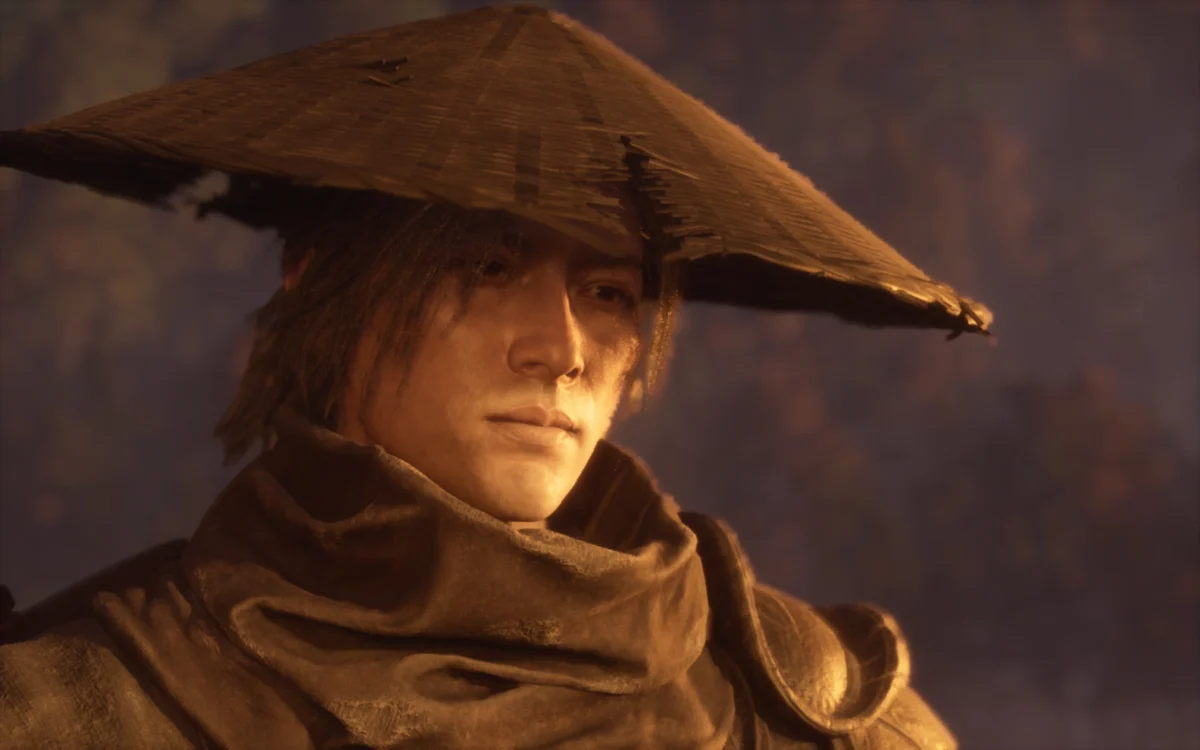
Phantom Blade Zero arrives as a bold, visually arresting entry into the "Soulslite" subgenre, promising to marry the high-octane, gravity-defying choreography of classic Hong Kong martial arts cinema with the punishing, methodical systems pioneered by FromSoftware. Developed by S-Game, the title aims to carve out a unique identity in an increasingly crowded market. Yet, as the dust settles on the Wulin—the game’s sprawling, mystical martial underworld—the final verdict is as complex as the game’s own intricate combo strings.
The Essence of the Blade: High-Octane Combat Mechanics
At its zenith, Phantom Blade Zero is an unparalleled masterclass in cinematic action. The combat system eschews the traditional, sluggish stamina management found in most Soulslikes in favor of "sha-chi," a dynamic resource that rewards aggressive play and constant movement.
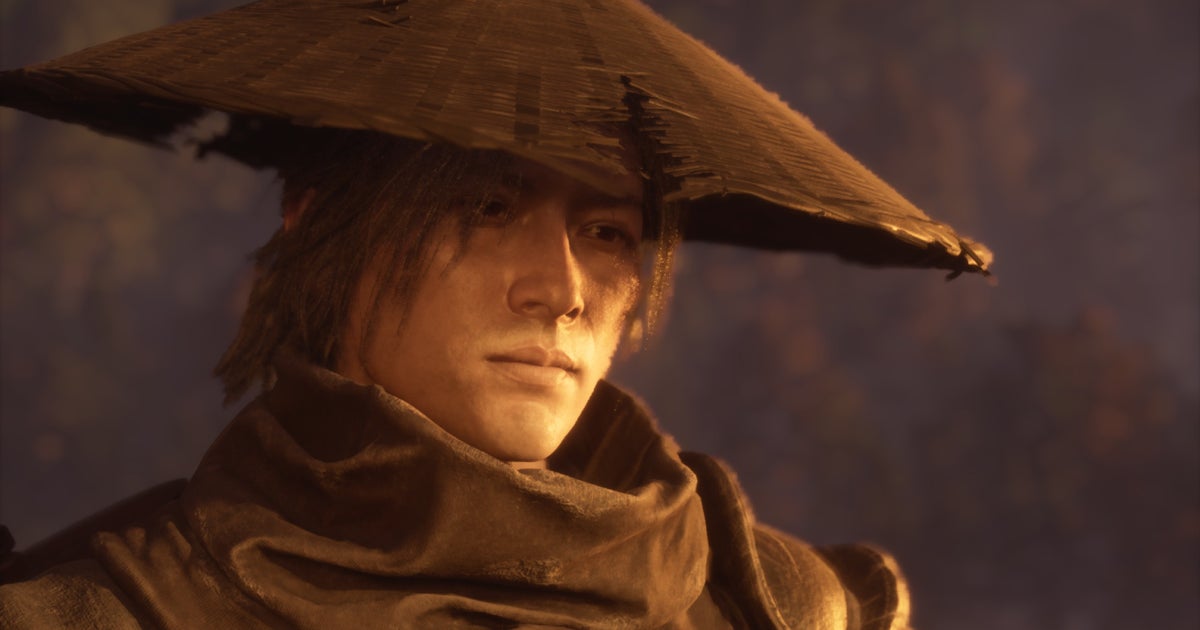
The flow state achievable during street-level encounters is, quite simply, breathtaking. Players are encouraged to switch between two primary weapons seamlessly, a mechanic that not only manages resource cooldowns but also allows for an almost infinite variety of choreography. Whether it is a perfectly timed parry leading into a bone-crunching counter-somersault or using a fallen enemy’s steed to trample their allies, the game captures the "golden age" of wuxia cinema with remarkable fidelity. The animation team deserves significant praise; the ingenuity and sheer volume of finishing moves ensure that even after dozens of hours, the visceral thrill of an execution rarely feels repetitive.
The Narrative Labyrinth: Lore and Storytelling
The game casts players as Soul, an outcast member of a shadowy organization known as The Order. Tasked with navigating a world of betrayal, terminal illness, and otherworldly entities, the narrative setup follows the classic tropes of the wuxia fantasy epic.

However, the delivery of this story is arguably the title’s weakest link. Players are frequently inundated with a dizzying deluge of bloodlines, feuding sects, and obscure character names. The primary method of world-building involves reading through dense, text-heavy scrolls scattered across the map. These documents often lack the emotional hook necessary to connect with the player, frequently devolving into abstract platitudes and hollow declarations of value. While there are moments of genuine visual storytelling—some utilizing traditional Chinese art forms—the barrier to entry for the lore is unnecessarily high, often leaving players feeling alienated from the stakes of Soul’s journey.
Chronology of Development and Performance
The journey of Phantom Blade Zero has been marked by ambition and, more recently, a frantic race against the clock to ensure stability. Two days before the official review embargo, developer S-Game pushed a massive 67GB patch aimed at addressing performance bottlenecks, bug fixes, and critical balance tuning.

- Early Development: Focus on high-fidelity animations and the fluid "kung fu" aesthetic.
- Beta/Testing Phase: Feedback suggested that boss battles, particularly in the early game, suffered from "sponginess"—a lack of responsiveness that made encounters feel artificially inflated in difficulty.
- The Day-Zero Patch: A substantial 67GB update aimed to smooth out the difficulty curve and optimize frame rates.
Despite these efforts, testing suggests that the "sponginess" remains a persistent issue in early-game encounters, casting a shadow over the pacing of the first 15 to 20 hours.
Supporting Data: Balancing and Boss Design
The disparity between the game’s "Pathfinder" (normal) and "Wayfarer" (easy) difficulty settings highlights a broader issue with the game’s scaling. While regular enemies fall satisfyingly to creative combos, bosses often demand a rigid adherence to a "dodge-and-parry" loop that feels at odds with the game’s otherwise free-flowing combat.

Weapon Efficacy and Interaction
The game offers a robust selection of armaments, from the "drunken sword" that allows for long-range, unconventional attacks to pole-swords and flower-summoning blades. The ability to "soul temper" these weapons is a highlight, allowing players to transform seemingly underpowered tools into viable late-game threats. However, the game struggles to communicate its own mechanics. In several instances, specialized tools intended to counter specific enemy types—such as fire-based defenses—fail to trigger the expected feedback, leading to frustration and backtracking rather than tactical experimentation.
Official Responses and Developer Intent
S-Game has been vocal about their desire to create a "smoother" experience. In a statement regarding the massive pre-launch update, the developers noted: "These changes aim to make the difficulty curve feel smoother, both in boss fights and as you progress through each area."

While the patch did yield improvements in frame rate stability—a welcome relief for a game that demands precise inputs—the systemic issues regarding boss health pools and quest guidance persist. The developers have successfully addressed some of the more egregious "invisible wall" exploits, where bosses would attack from outside the arena, but the structural "death by a thousand cuts" remains a hurdle for the player experience.
Implications for the Soulslite Genre
Phantom Blade Zero functions as a fascinating case study for the evolution of the Soulslike genre. By moving away from stamina-gated combat and toward a system that favors speed, weapon-switching, and generous parry windows, S-Game has created a blueprint for a more accessible, action-oriented experience.

However, the game also serves as a warning about the dangers of "bloat." The world map, while beautiful in its ink-wash aesthetic, often hides critical paths behind vague environmental cues that can lead to aimless wandering. The "Metroidvania" backtracking elements are also hampered by the fact that enemies do not respawn, leaving the world feeling eerily hollow once a region has been cleared.
Key Takeaways for Potential Players
- Combat Style: This is not a defensive game. If you enjoy Sekiro-style parrying and aggressive, fast-paced offense, you will find much to love.
- Exploration: Patience is a virtue. Take your time to thoroughly sweep an area; the world map is beautiful but unhelpful for navigation.
- Expectation Management: Be prepared for a slow burn. The game’s best moments are hidden behind a sometimes tedious early-game grind and a narrative that requires significant player patience to parse.
Conclusion: A Diamond in the Rough
Phantom Blade Zero is a title of extraordinary, if inconsistent, brilliance. Its combat animations are among the best in the industry, and when the game clicks, it delivers a visceral, cinematic rush that few titles can replicate. When you are dancing through a group of enemies, pulling off fluid finishers and swapping weapons to maintain your momentum, the game feels like a masterpiece.

However, these moments of exhilaration are too frequently punctuated by frustration: bosses that feel like bullet sponges, side quests that loop players into dead ends, and a narrative that struggles to find its footing. S-Game has built a world that is visually breathtaking and mechanically innovative, but it lacks the necessary polish to be a truly transformative experience.
For the dedicated fan of wuxia and high-speed action, Phantom Blade Zero is a journey worth taking, provided they are willing to weather the inconsistencies. For the casual observer, it may be worth waiting for a few more patches to see if S-Game can finally sharpen their blade to its full, lethal potential. The foundation of a legendary game is here; it just needs the time to reach its final form.
 Azzam Bilal Chamdy
 Sagoh
