
 By Sagoh
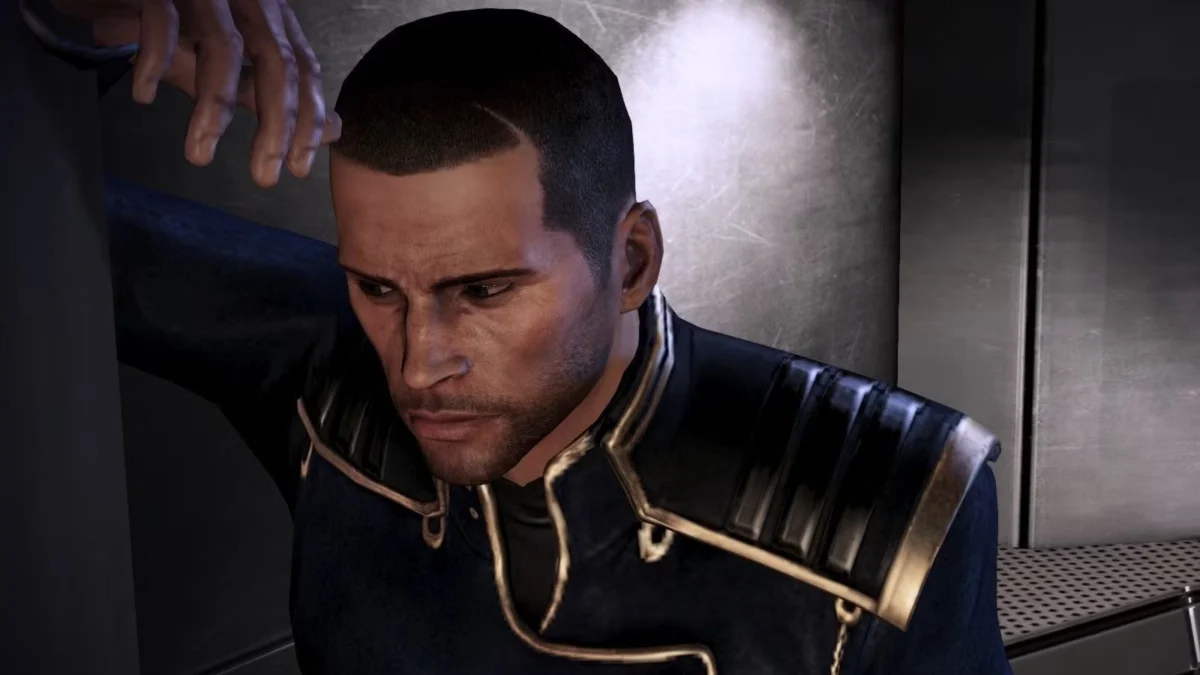
In the wake of BioWare’s shuttering—a move that sent shockwaves through the gaming industry—the true extent of what has been lost is only now beginning to surface. Among the casualties of the studio’s closure and the subsequent restructuring under EA is a project that many fans believed would be the franchise’s triumphant return: Mass Effect Universe.
New details emerging from a former member of the BioWare community council suggest that the cancelled title was not merely a sequel, but a radical reinvention of the series’ core identity. As the industry grapples with the aftermath of BioWare’s dissolution, these revelations provide a bittersweet glimpse into a project that promised to bridge the gap between the original trilogy’s legacy and a new, Cold War-era future.
The Genesis of a Galactic Cold War
According to Dantics, a content creator and former member of the "Mass Effect Council"—a body of community members tasked with providing feedback during development—Mass Effect Universe was designed to move away from the existential threat model of the Reaper War. Instead, the game was set over 600 years post-trilogy, plunging the galaxy into a fragile state of political tension.
Rather than a singular "big bad" invading the Milky Way, the narrative was reportedly built around a "galactic Cold War." This geopolitical instability would have seen humanity, the Krogan, and the Batarians forming a precarious alliance, while the Council races consolidated their own power. Perhaps most intriguing was the role of the Geth, who were poised to emerge as a distinct third superpower, further complicating the power dynamics of the sector.
The world-building, according to reports, was intended to be grander than anything seen before, with mentions of massive Geth-built megastructures and explicit narrative links connecting the Milky Way to the Andromeda galaxy. This hinted at a cohesive, unified universe that would have finally paid off the long-standing questions fans had about the fate of the Pathfinder initiative.
A Protagonist Reimagined: The N7 Agent
One of the most distinct departures from the Commander Shepard era was the player character. Dantics described the protagonist not as the "walking gun rack" archetype often associated with standard military shooters, but as a sophisticated, specialized N7 agent.
"It was a cross between John Wick and James Bond," Dantics noted in his detailed post-mortem. This shift in character philosophy extended to gameplay mechanics. Players would have been equipped with experimental technology allowing for environmental manipulation, including hacking, wall-penetration vision, and the ability to trigger remote hazards to eliminate enemies.
The combat loop was purportedly designed with "Hitman-style" freedom. While the missions were intended to be handcrafted experiences—retaining the linear, cinematic flair of the original trilogy—the agency given to the player in how to approach these objectives would have represented a significant evolution for the series. This included, reportedly, the introduction of brutal, high-impact close-range executions, emphasizing the gritty, clandestine nature of this new era of Mass Effect.
Preserving the Legacy: A Narrative Bridge
Perhaps the most contentious aspect of any Mass Effect sequel has always been how to handle the drastically different endings of Mass Effect 3. Dantics claims the developers had devised a clever method to respect the player’s original choices while moving the story forward. Regardless of the ending chosen by the player in the original trilogy, the "legacy" of Shepard was to be preserved and acknowledged in a way that felt organic to the new, distant future.
Furthermore, the character dynamics—a hallmark of the franchise—were set to be uncompromising. The game promised to feature squadmates who would clash ideologically, as well as romantic storylines that were described as "not sanitised," suggesting a more mature, complex approach to companion relationships than previous entries. Even fan-favorite Liara T’Soni was slated to return, appearing not as the shadow broker or the researcher, but as a formidable Asari Matriarch, reflecting the massive passage of time since the Reaper conflict.
A Timeline of Decline
The cancellation of Mass Effect Universe cannot be viewed in isolation; it is the final chapter in a long, downward trajectory for both BioWare and the broader EA development ecosystem.
- Pre-2024: Development of Mass Effect Universe is active, with internal testing and community council feedback sessions underway.
- Early 2024: Reports surface of massive layoffs across EA’s studios, including Respawn, Motive, and Full Circle, following a $55 billion leveraged buyout of the company.
- Mid-2024: Internal leaks, including a brief glimpse of an early trailer for Mass Effect Universe, confirm that the project was far more advanced than initially assumed.
- Late 2024: EA officially announces the closure of BioWare, effectively terminating all ongoing projects, including the next chapter in the Mass Effect franchise.
The timing of these events has led many industry analysts to point toward the financial strain caused by EA’s acquisition and the resulting pressure to trim "non-essential" creative risks. For many, the closure of BioWare feels like the end of an era, marking the loss of the studio that defined the modern Western RPG.
The Silence from the Top
To date, neither BioWare nor Electronic Arts has issued a formal statement regarding the specific narrative beats or gameplay features described in the recent leaks. This silence is typical of a studio that has been dismantled, but it leaves a void of information that fans are struggling to fill.
The lack of official commentary is further complicated by the fact that Dantics’ role on the community council, while documented in his own accounts, has not been independently verified by a third-party audit. However, the emergence of the internal trailer—which has since been verified as legitimate footage from the cancelled project—adds a layer of credibility to his claims. The trailer served as a final, haunting look at a vision of the galaxy that will now likely never come to fruition.
Implications for the Industry
The cancellation of Mass Effect Universe is more than just the loss of a single game; it is a symptom of a systemic issue within the AAA gaming industry. As production costs skyrocket, the room for ambitious, mid-to-large-scale narrative projects is shrinking.
The industry is currently trending toward "safe" bets—live-service games, remakes, and established multiplayer titles. The loss of a project like Mass Effect Universe, which aimed to blend narrative complexity with systemic gameplay innovations, suggests that the "prestige" single-player experience is under immense pressure.
Moreover, the human cost of these decisions has been profound. The closure of BioWare saw the displacement of hundreds of talented developers, writers, and artists, many of whom had spent years pouring their creative energy into the Mass Effect lore. The public response—a mixture of sympathy for the staff and visceral anger toward the corporate restructuring—highlights a growing divide between the player base and the publishers who own the intellectual property.
"From what I saw, BioWare was making Mass Effect for us, the fans, not for people who don’t exist," Dantics wrote in his concluding thoughts. "It looked incredible. And now we may never get to play it."
As the dust settles, the gaming community is left with only the artifacts of a lost project: a leaked trailer, a few snippets of gameplay descriptions, and the crushing realization that the future of the Mass Effect franchise is, for the moment, nowhere to be found. Whether or not EA eventually attempts to resurrect the IP under a new banner remains to be seen, but for now, the galaxy remains silent, and the Reaper War stays as the final chapter in a story that was meant to have so much more to say.
 Lina Irawan
 Asep Darmawan
 Nana Wu
