
 By Reynand Wu
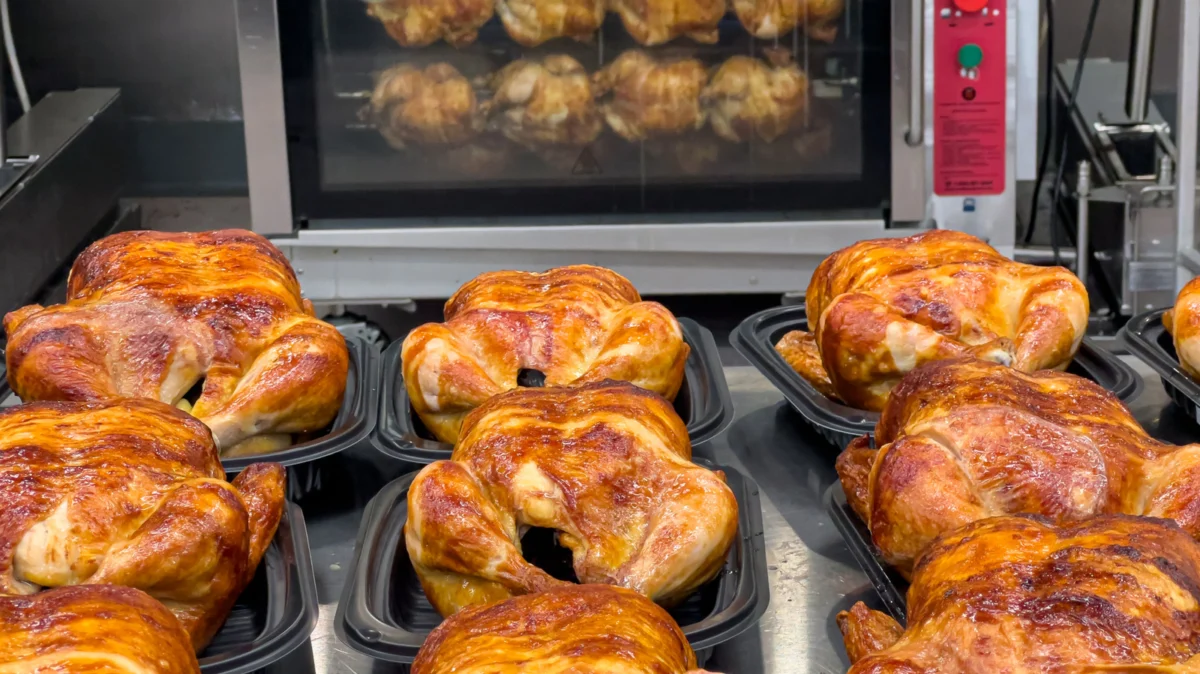
Few culinary mainstays offer the convenience, versatility, and sheer value of the supermarket rotisserie chicken. Whether picked up during a hurried weeknight grocery run at warehouse giants like Costco and Sam’s Club or grabbed from a local neighborhood market, these ready-to-eat birds are a cornerstone of modern American meal planning. They can be shredded for tacos, simmered into comforting soups, tossed into salads, or simply carved up for a classic Sunday-style dinner with minimal effort.
However, despite their standardized packaging and uniform golden appearance under the warm glow of the deli case, not all rotisserie chickens are created equal. Walk up to any grocery store warming station an hour before closing, and you will likely find a row of birds that vary wildly in texture, moisture, and flavor.
Fortunately, seasoned home cooks and culinary insiders know that choosing the absolute best chicken on the shelf isn’t a matter of luck. By paying close attention to a few visual and physical cues—most notably the condition of the skin, the presence of pooled liquids, and the weight of the package—shoppers can guarantee they bring home a succulent, flavor-packed bird every single time.
Main Facts: What Makes a Great Rotisserie Chicken?
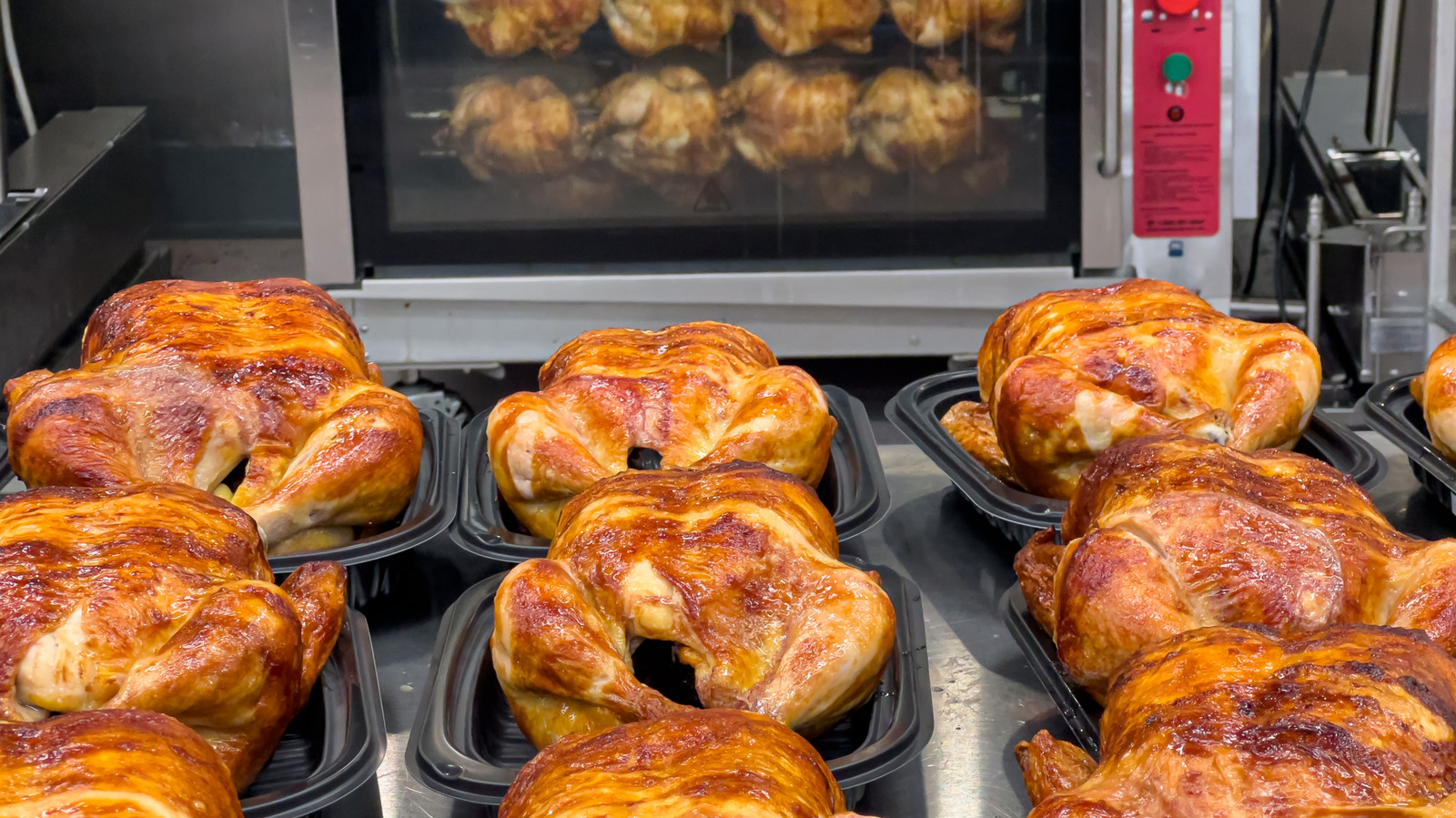
To understand how to spot the best rotisserie chicken, it helps to understand the mechanics of how they are cooked. Large-scale retailers rely on heavy-duty commercial rotisseries where multiple chickens are loaded onto spits and rotated continuously on a carousel.
- The Basting Effect: As the carousel turns, the chickens essentially baste one another. Their natural fats liquefy and cascade down over the surrounding birds, keeping the meat moist while rendering the skin golden, crispy, and deeply savory.
- The Warmth Factor: Once removed from the spit, the birds are transferred into specialized containers or bags and placed under heat lamps to maintain serving temperature until a customer purchases them.
- The Telltale Signs of Freshness: The ultimate marker of a freshly spun bird is taut, tight skin that adheres closely to the meat, rich golden coloration, visible seasoning specks, and a notable heft when lifted.
Conversely, a bird that has lingered too long under the warming lights undergoes a steady degradation in quality. The moisture inside the chicken evaporates, causing the skin to shrivel, wrinkle, and eventually become soft and soggy due to trapped steam inside the packaging.
Chronology: The Lifecycle of a Store-Bought Rotisserie Chicken
Understanding the journey a rotisserie chicken takes from the processing plant to your shopping cart provides vital context for knowing when—and how—to make your selection.
Phase 1: Preparation and Seasoning
Before ever touching a heating element, commercial rotisserie chickens are typically injected with a brine or seasoning solution. This industry-standard practice ensures that the lean breast meat retains moisture throughout the cooking process. Packers dust the exterior with spice blends—often featuring paprika, garlic powder, onion powder, and salt—which contribute to the signature mahogany color and savory crust.
Phase 2: The Spin Cycle
Loaded onto vertical or horizontal spits, the birds spend roughly one to two hours rotating in high-heat ovens. During this phase, internal fats render, and the exterior skin crisps up. Retailers stagger their cooking batches throughout the day to match customer traffic flows, ensuring that peak hours feature a steady stream of newly finished birds.
Phase 3: The Warming Station
Once cooked to a safe internal temperature (typically exceeding 165°F), the chickens are bagged or boxed and moved to the deli warming display. This is where the clock starts ticking on quality. While food safety regulations ensure the chicken remains safe to eat for hours, its culinary integrity begins to decline almost immediately. Steam trapped inside sealed plastic containers begins to soften the once-crisp skin, while radiant heat from the lamps continues to draw moisture out of the white meat.
Phase 4: Peak Consumption and Leftover Evolution
The golden window for consumption is within the first 30 to 60 minutes after the bird leaves the spit. Birds consumed within this window boast a contrast of crispy skin, unctuous dark meat, and juicy breast meat. Birds purchased late in the lifecycle may require culinary intervention—such as being shredded into sauces or soups—to mask dryness in the breast tissue.
Supporting Data: Visual Cues and Quality Red Flags
When scanning a wall of rotisserie chickens behind glass, shoppers should look for specific physical indicators to separate the fresh arrivals from the dried-out leftovers.
1. Skin Tightness vs. Wrinkling
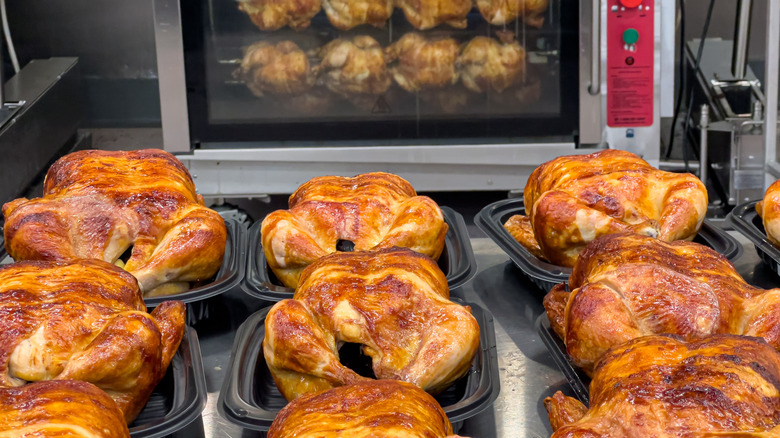
The primary indicator of a bird’s freshness is the tautness of its skin. A fresh chicken features skin that is pulled tight across the breast and thighs, looking plump and smooth. If the skin appears shriveled, wrinkled, or loose, it is a definitive sign that the bird has lost significant internal moisture and has been sitting under the heat lamps for far too long.
2. Cracked or Split Skin
Another major red flag is cracked or split skin, particularly along the joints where the drumsticks meet the body. Fissures and gaps in the skin expose the underlying meat to direct heat, accelerating moisture loss and resulting in tough, dry protein. Furthermore, large areas of torn skin that are pulling away from the meat can indicate rough handling during packaging and should be avoided.
3. The Liquid Pool Test
Take a close look at the bottom of the container or bag. While a small amount of gelatinous juice is natural (and delicious when used for pan sauces), a large pool of watery liquid at the bottom of the packaging is a warning sign. Excessive liquid indicates that the chicken has leaked its internal moisture over time due to prolonged heat exposure.
4. The Heft Test
Weight matters. When comparing two similarly sized containers on the shelf, pick them up and test their weight. The heavier bird contains more moisture and fat; the lighter bird has dried out and lost water weight during its stay in the warmer.
Official Responses and Industry Standards
While major retailers like Costco, Sam’s Club, and Kroger rarely issue formal press releases about the nuanced texture of their rotisserie chicken skin, corporate food safety and quality assurance spokespersons routinely emphasize adherence to strict temperature and holding-time guidelines.
- Food Safety Mandates: Major supermarket chains enforce a strict maximum holding time for hot deli items—usually capped at four hours under heat lamps. Once this window passes, leftover birds are typically pulled from the shelf and repurposed into chilled deli items, such as pre-made chicken salad, or discarded to maintain food safety compliance.
- The Costco Phenomenon: Costco, which famously sells over 100 million rotisserie chickens annually while keeping its price anchored at $4.99, operates specialized kitchens designed for high-volume output. Insiders note that production is tied directly to predictive analytics based on customer foot traffic, ensuring that fresh batches hit the warming units constantly throughout the day. Employees at many locations even ring a bell when a fresh batch is pulled from the ovens—signaling to savvy shoppers that the absolute peak window for selection has arrived.
Implications: How to Maximize Value and Culinary Success
Selecting the right rotisserie chicken goes beyond simply enjoying a better-tasting dinner; it impacts how you utilize the bird across multiple meals, minimizing food waste and maximizing your grocery budget.
Culinary Adaptability
- For Direct Consumption: A fresh, taut-skinned, heavy bird with minimal bottom liquid is ideal for direct carving. The breast meat will remain moist enough to eat without heavy sauces, and the skin will retain enough texture to provide a satisfying crunch.
- For Meal Prep and Recipes: If you inadvertently purchase a slightly drier bird—or if you are using leftovers from the back of the fridge—do not despair. Dry breast meat is easily revived by chopping or shredding it and folding it into moist applications such as chicken salad mixed with mayonnaise, enchiladas smothered in salsa, or a simmering pot of chicken noodle soup.
Smart Shopping Strategies
- Time Your Visit: Aim to shop during peak hours (late morning or late afternoon) when turnover is highest, or listen for in-store cues like bells or fresh packing activity that signal a new batch has just emerged from the rotisseries.
- Inspect Before You Buy: Do not simply grab the first package in arm’s reach. Take five seconds to inspect the skin tension, check the volume of liquid at the bottom of the bag, and compare the weight of different containers.
- Handle with Care: Keep the chicken level during your trip home. Tilting the package excessively can pool juices awkwardly and prematurely saturate the crispest parts of the skin.
By applying these straightforward, observation-based techniques, shoppers can consistently bypass the dry, over-cooked birds and secure a premium rotisserie chicken that elevates everything from a quick weeknight dinner to an elaborate weekend meal.
 Nana Muazin
 Nana
 Basiran
