
 By Jia Lissa
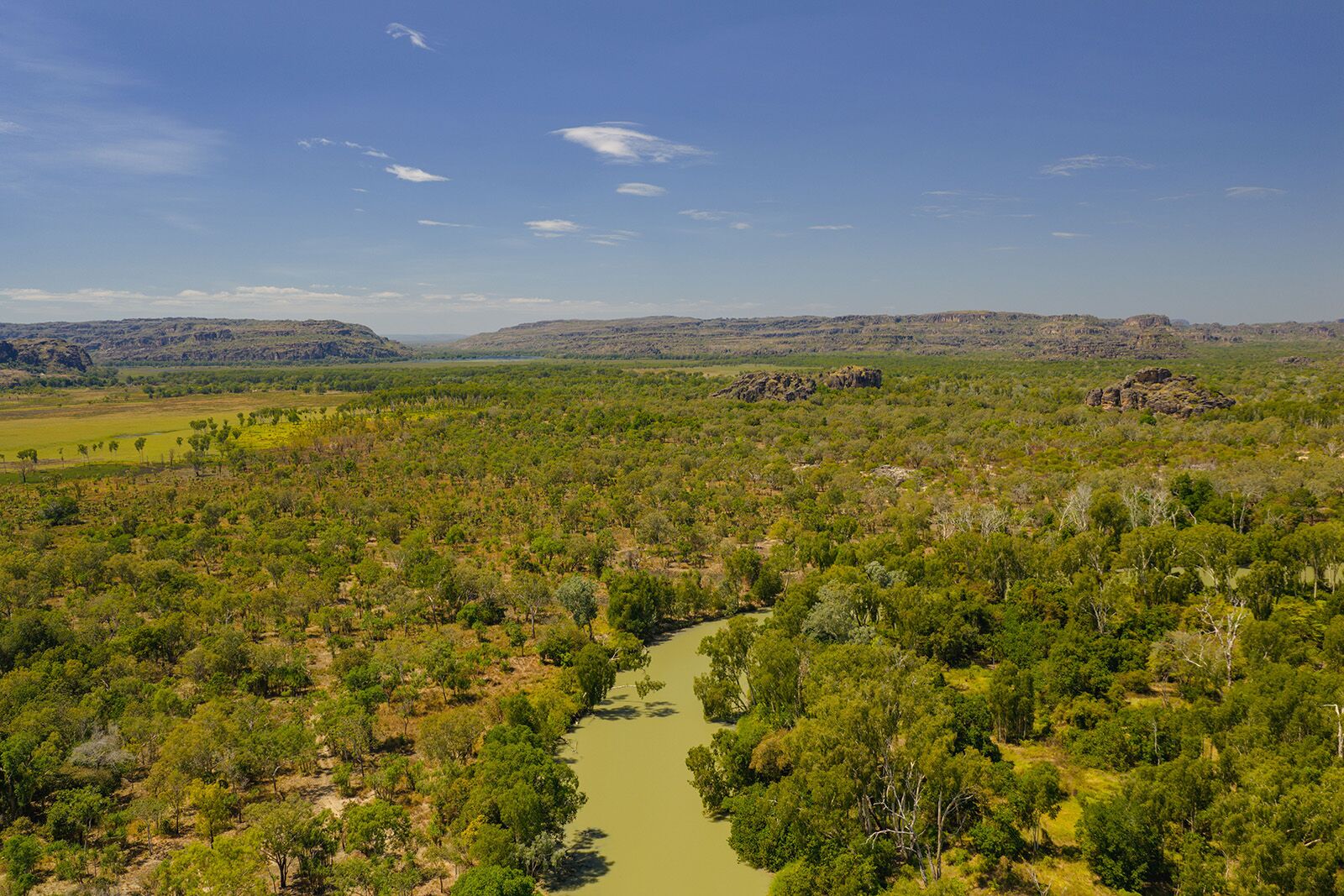
Forty years after the global release of Crocodile Dundee, the film remains etched in the cultural consciousness as the ultimate postcard of the Australian Outback. Yet, for those who travel to the Northern Territory to retrace the steps of Mick Dundee, the reality of the landscape offers something far more profound than celluloid nostalgia. Kakadu National Park, a sprawling UNESCO World Heritage site, is not merely a collection of iconic filming locations—it is a 65,000-year-old living testament to the Bininj and Mungguy people.
To explore this region today is to engage in a dialogue between the modern tourist’s curiosity and the ancient, enduring wisdom of the Traditional Owners. As I traversed the sandstone escarpments and freshwater billabongs that defined the film’s aesthetic, I found that the true narrative of Kakadu lies not in its cinematic fame, but in the stewardship of those who have called this "Country" home since time immemorial.
The Cinematic Anchor: A Legacy in the Northern Territory
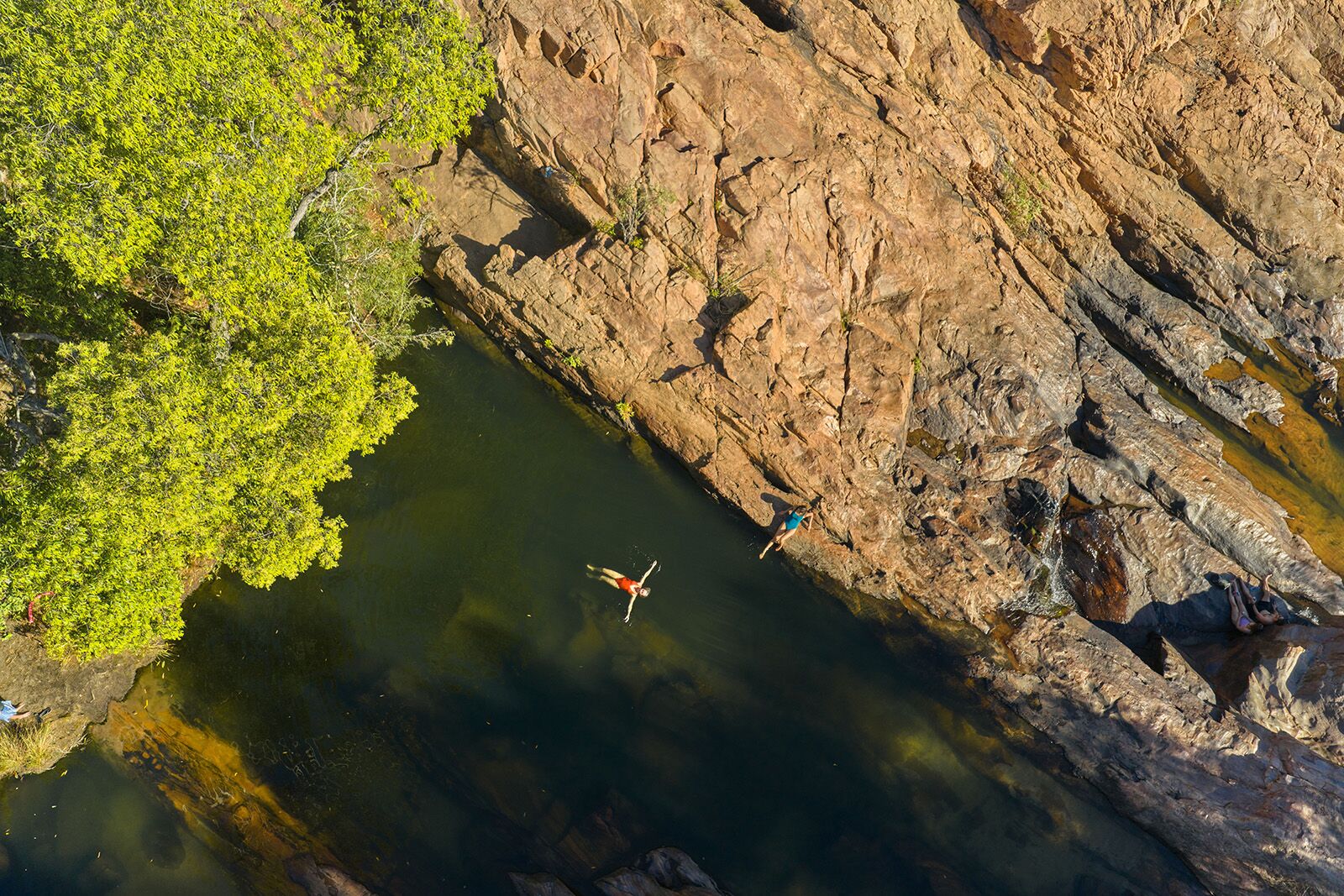
Released in 1986, Crocodile Dundee stands as the highest-grossing Australian film in history. For international audiences, it was an introduction to a rugged, exotic, and dangerous frontier. Iconic sites such as Ubirr, Burrungkuy (Nourlangie), and the crystal-clear plunge pools of Gunlom Falls were immortalized on screen.
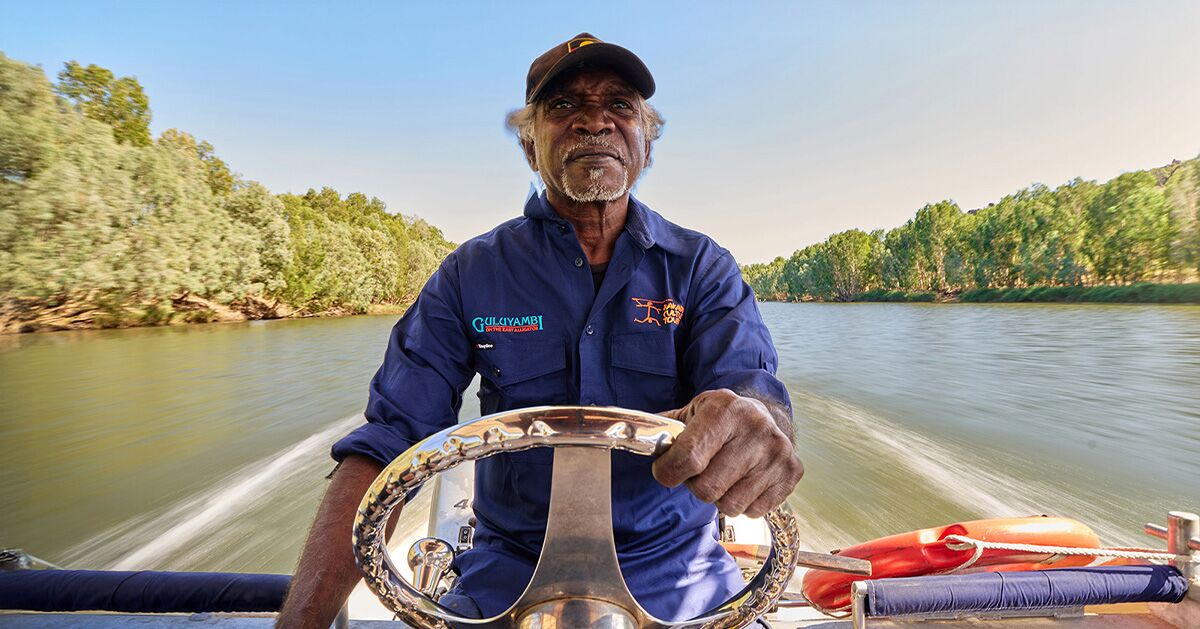
However, the production of these films was far more than a logistical feat. The late John Cornell, producer and co-creator, understood that filming in such a remote wilderness required a partnership with the land’s traditional custodians. During my journey, I spoke with Delvene Delaney, Cornell’s widow, who recalled the sheer scale of the operation. “We were filming in places so remote that the crew had to essentially build roads just to reach them,” she shared. “The goal was always to show audiences a part of Australia they knew very little about.”
The production did more than build roads; it built relationships. Delaney recounted memories of her daughter being mentored by actor Ernie Dingo between takes. “He would carry her on his shoulders through the bush, showing her where the crocodiles slept and where to look for snakes. It opened us up to being a part of Australia—a reminder not to be afraid of the bush, because we are all its inhabitants.”
Chronology of Connection: From Scouting to Stewardship
The involvement of Aboriginal families was instrumental from the very beginning. Bill Neidjie, a respected Traditional Owner who grew up in the Jabiru and Cannon Hill region, served as a crucial bridge between the film production and the local community. His role involved scouting locations and advocating for the fair representation and involvement of Aboriginal families.
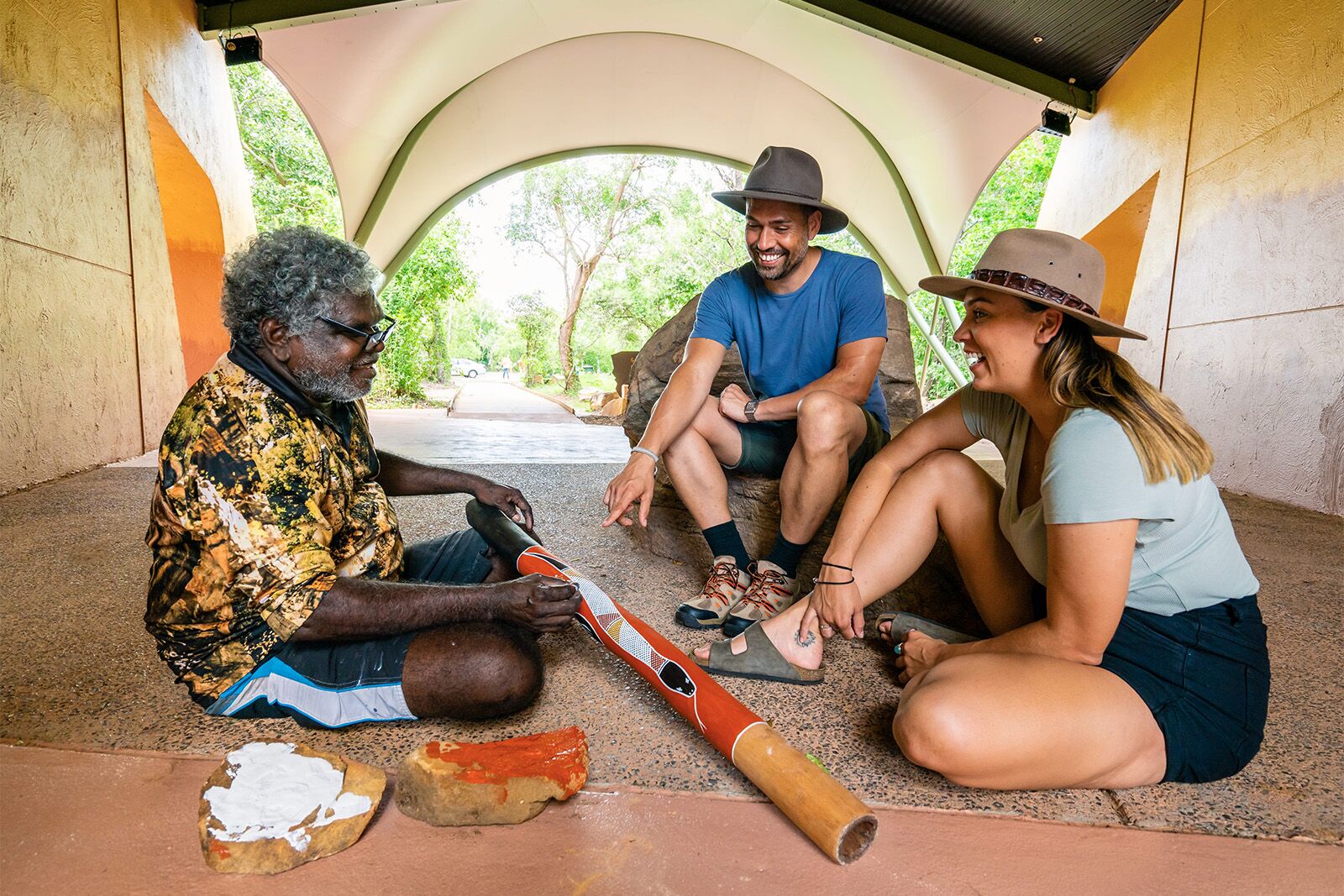
This history of cooperation has evolved into the sophisticated cultural tourism model seen today. My own journey was guided by Mandy Muir, whose uncle was among the original consultants for the film. With 38 years of experience in park management—ranging from rock art conservation to guiding—Muir represents the continuity of knowledge.
"The most important thing in the Aboriginal way of life is culture," Muir once noted, a sentiment echoed in the exhibits at the Warradjan Aboriginal Cultural Centre. "When I look at a lot of other Aboriginal people who don’t have culture, I feel sad for them because without culture, you don’t really feel that you have a place of belonging. We have our culture. Our land is our life."
Protecting the Ancient Galleries: The Art of Conservation
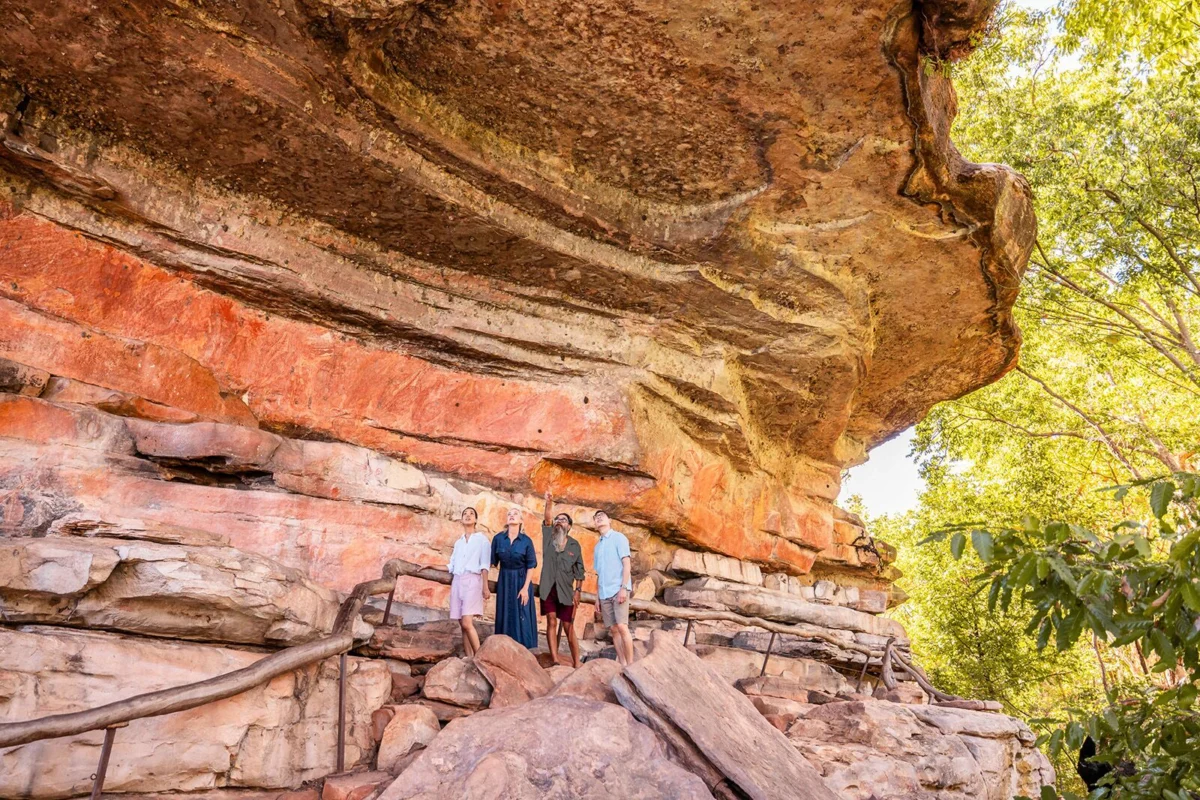
The rock art at Ubirr and Burrungkuy is arguably the most significant cultural asset in the park. These sites contain depictions of fish, kangaroos, and the legendary Mimih spirits—slender, elusive beings said to live in the cracks of the rocks.
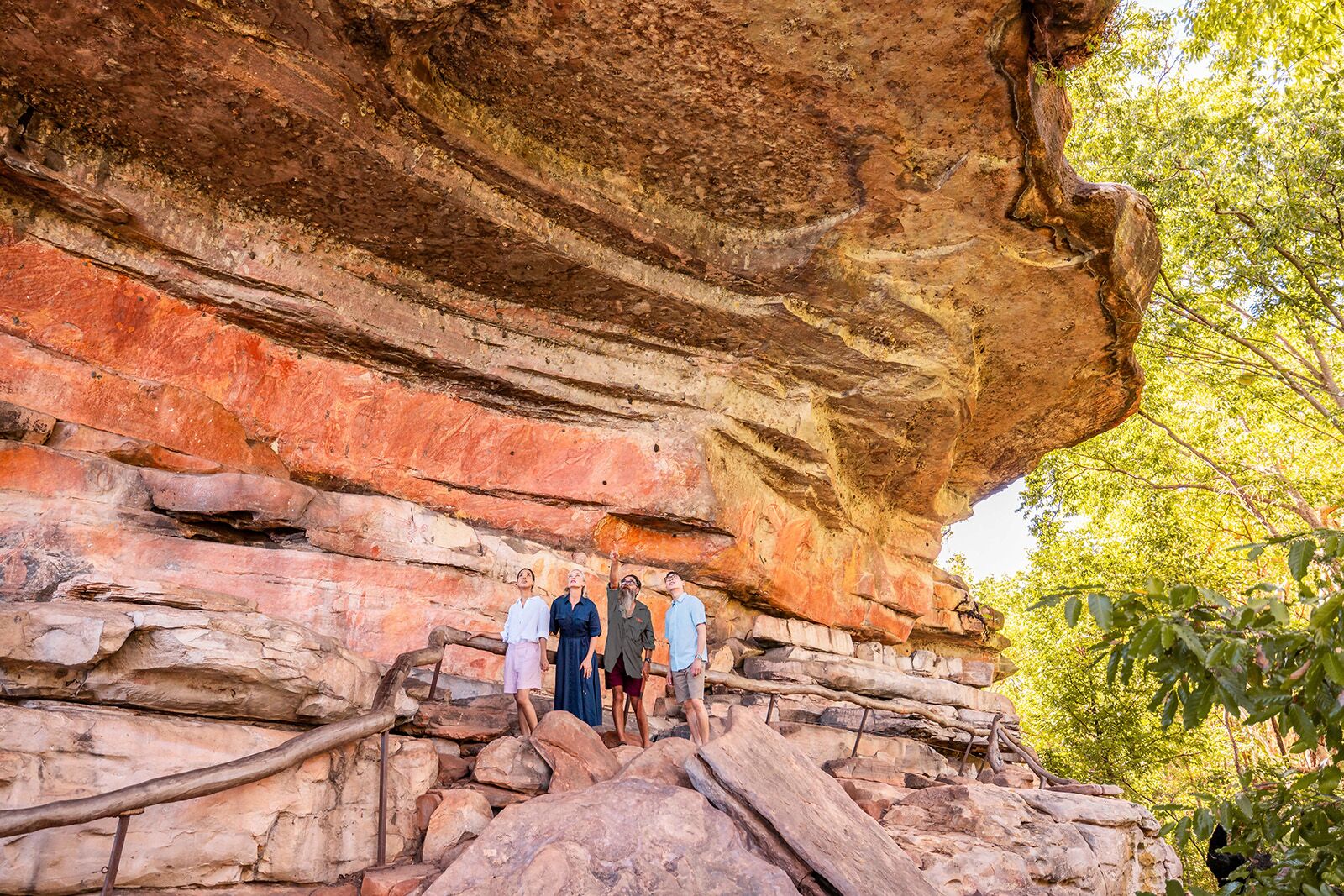
Natasha Nadji, a Traditional Owner, led our group through these galleries with a grace that turned the act of sightseeing into a lesson in history. She shared the story of the Rainbow Serpent, a powerful spirit that swallowed a clan after being disturbed by a crying child. For Nadji, this is not a myth; it is a lineage. She identifies as a descendant of that clan, and her upbringing was defined by a deep, cautious respect for the spirit’s presence on Country.
This is where the distinction between a "visitor" and a "custodian" becomes clear. Protecting these paintings is a labor-intensive, scientific, and spiritual endeavor. Mandy Muir explained the delicate nature of the work: diverting monsoon rainwater with silicone drip lines and monitoring the impact of rising temperatures on the rock faces. The art is not static; it is a vulnerable record that requires constant, vigilant care.
Supporting Data: The Modern Infrastructure of Kakadu
To experience Kakadu properly, one must navigate the logistical challenges of the Northern Territory. The park is vast, requiring careful planning. Splitting a stay between Jabiru and Cooinda is the standard recommendation for minimizing travel time.
- Jabiru: The Kakadu Crocodile Hotel is a structural marvel—designed in the shape of a giant crocodile. It serves as an ideal base for northern sites like Ubirr and Bardedjilidji. Its dining, which features bush-tucker-inspired cuisine like kangaroo and barramundi, provides a culinary connection to the landscape.
- Cooinda: For those seeking an immersive experience, Cooinda Lodge offers "Outback Retreats"—safari-style tents that blend comfort with the raw atmosphere of the park. This location is the hub for Yellow Water Cruises and the starting point for excursions to Gunlom Falls.
- Darwin: A necessary prologue or epilogue. The city has undergone a cultural renaissance, with the newly opened Larrakia Cultural Centre providing a vital look at the history of Darwin’s Traditional Owners. The vibrant street art scene and markets, such as the Rapid Creek and Nightcliff markets, offer a modern look at Aboriginal-owned enterprises, including the KingKing label, which translates the colors of the desert into contemporary fashion.
Official Perspectives: The Value of "Country"
The term "Country" in an Aboriginal context encompasses far more than the Western definition of land. It includes water, animals, cultural knowledge, and the intricate web of responsibilities that connect a person to their environment.
The management of Kakadu by Parks Australia, in partnership with the Bininj and Mungguy people, is an ongoing negotiation. The official access reports for areas like Gunlom Falls reflect the priority given to cultural sensitivity and environmental protection. For instance, the prohibition of swimming in certain lower plunge pools or the requirement for four-wheel-drive vehicles on specific tracks are not just safety measures—they are protocols to ensure the landscape is not degraded by mass tourism.
Implications for the Future of Travel
As we look toward the future of tourism in Australia, the lessons from Kakadu are clear: the value of a destination is proportional to the depth of the local engagement. While the Crocodile Dundee legacy provides the hook that draws international travelers to the Northern Territory, it is the guidance of people like Mandy Muir and Natasha Nadji that ensures they leave with something of substance.
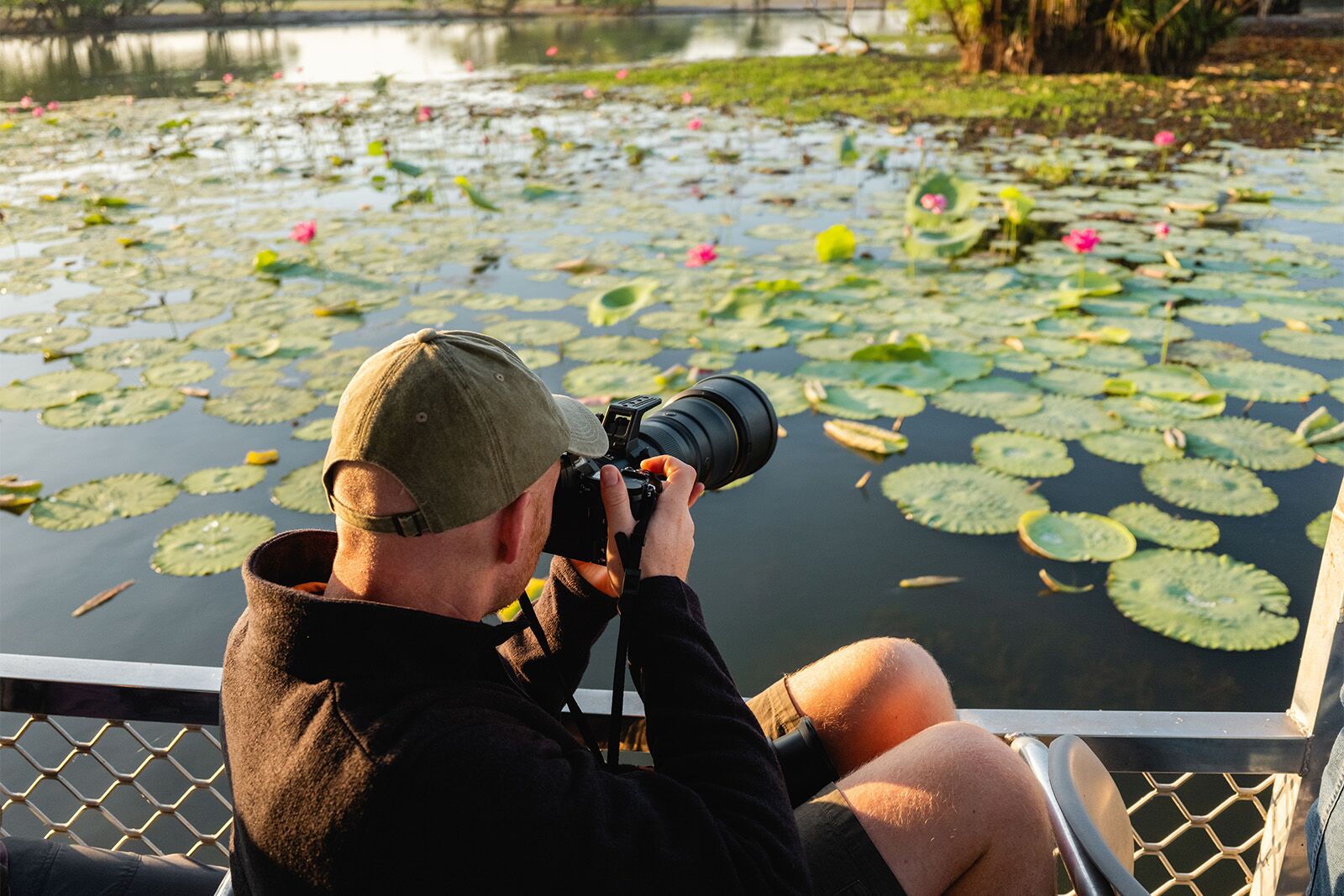
The challenge for the next 40 years will be balancing the increasing desire for "authentic" experiences with the necessity of protecting fragile, ancient sites. The shift toward indigenous-led tourism ensures that the stories told are accurate, respectful, and controlled by those to whom the stories belong.
When I first arrived in Kakadu, I was looking for a specific tree from a movie set. I left, however, with a profound appreciation for the Bininj and Mungguy perspective on the world. I learned that the rock art is not merely an exhibit; it is a testament to survival. I learned that the "itching trees" are more than a curiosity; they are a tool for teaching discipline.
Ultimately, the enduring appeal of Kakadu is not found on the silver screen. It is found in the silence of the escarpment, the patience required to observe the rock art, and the willingness of the visitor to listen to the people who have been, and always will be, the guardians of this land. As Nadji reminded us while standing before the ancient galleries: "You can appreciate the way the Eiffel Tower was built. But it’s not as old as this art."
In an era of fleeting trends and instant content, Kakadu remains a powerful, grounding reminder of the deep time that connects us all to the earth. It is, as Nadji put it, "a love story for Country."
 Iffa Jayyana
 Basiran
 Suro Senen
