
 By Lina Hope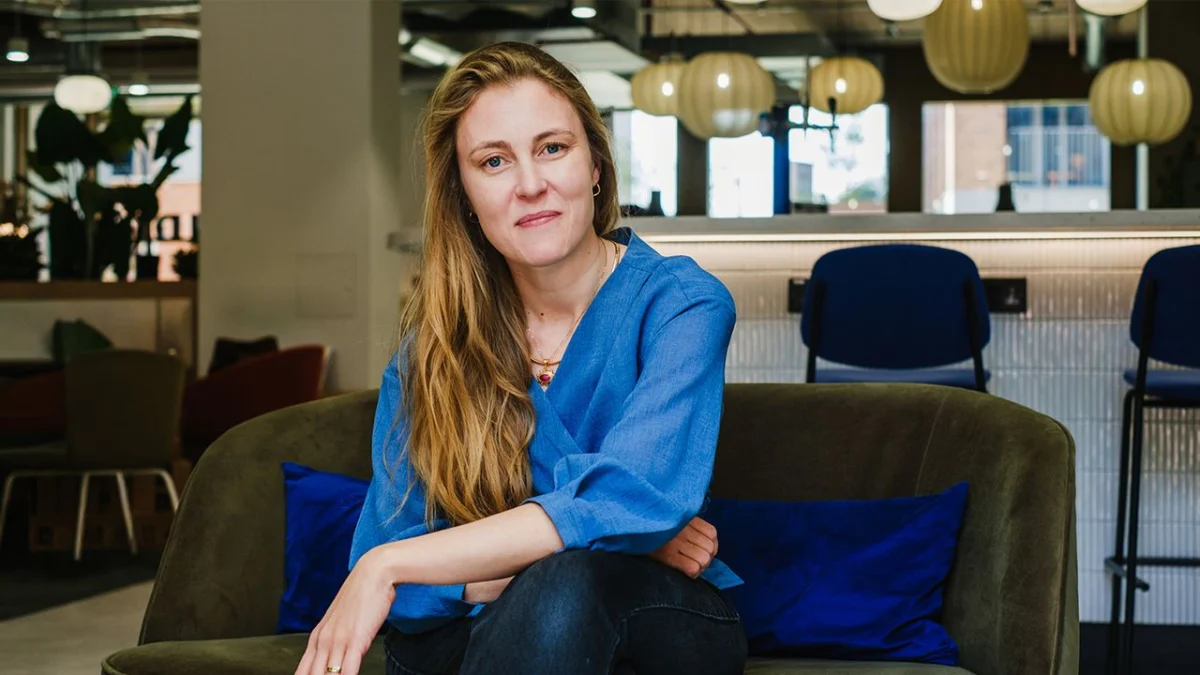
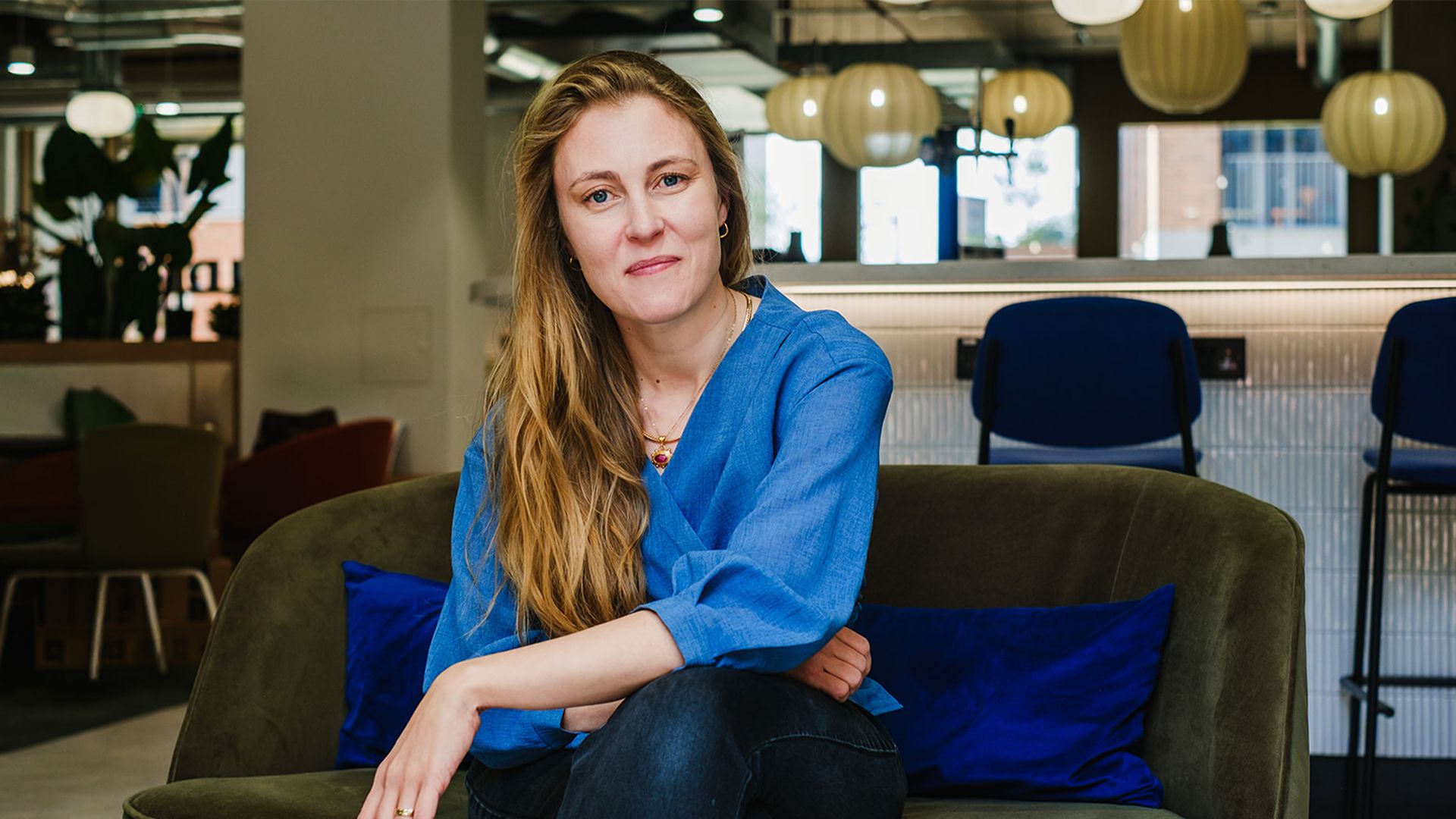
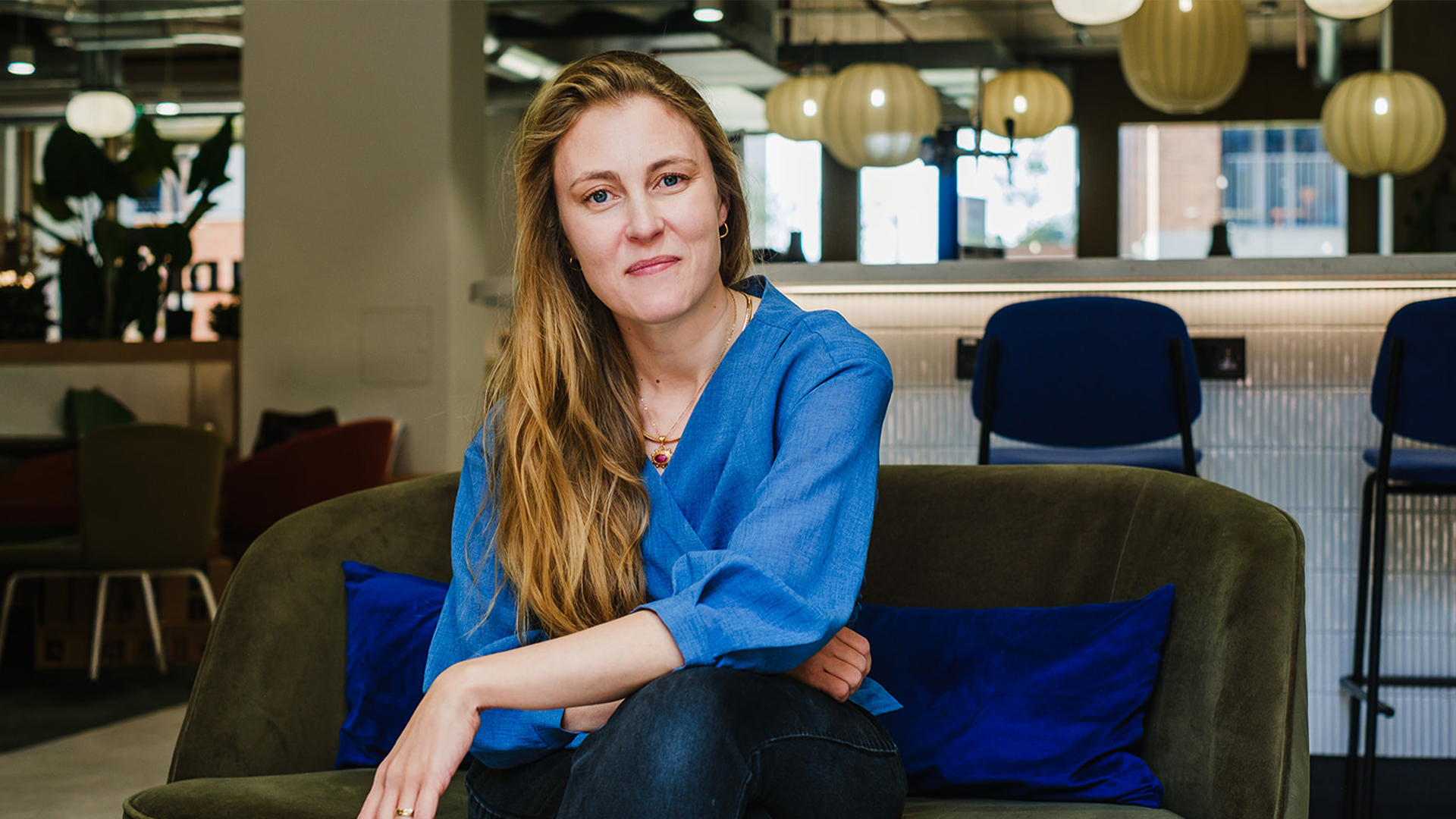
In the rapidly evolving landscape of modern advertising, the intersection of commercial ambition and genuine societal impact has become a critical battleground. Leading this charge is Anna Öhrling, the co-founder and CEO of the impact-driven agency Onward. With a career spanning high-profile strategy roles at global powerhouses like Mars, L’Oréal, and Danone, Öhrling has spent the last decade questioning the traditional boundaries of brand communication.
As part of our 5 Questions series, we sat down with Öhrling to explore her trajectory, her advocacy for junior talent, and why, in an era defined by AI and economic volatility, the most radical act a creative can perform is to change their mind.
The Genesis of Onward: A New Paradigm
Founded in 2025, Onward represents the culmination of Öhrling’s professional journey. Before establishing her own agency, she served as a key figure at Revolt, where she sharpened her expertise in sustainability strategy. Her transition from traditional advertising to a purpose-led agency model was not a sudden pivot, but a calculated evolution.
Öhrling’s approach is rooted in the belief that creativity is not merely a tool for persuasion, but a mechanism for cultural relevance and emotional resonance. Her work seeks to bridge the gap between "corporate responsibility" and "genuine impact"—moving brands away from performative greenwashing toward tangible, community-focused contributions.
Chronology of a Career Built on Adaptability
Anna Öhrling’s career path is a masterclass in professional fluidity. Her trajectory challenges the conventional wisdom that suggests career stability is the ultimate marker of success.
- Early Career (Post-2008): Entering the advertising industry in the shadow of the Great Recession, Öhrling was steered by mentors who emphasized the importance of climbing the corporate ladder within established, "safe" agencies.
- The Pivot to Sustainability: Recognizing that the traditional advertising model was insufficient to address modern societal challenges, Öhrling sought deeper knowledge, returning to academia to earn an MSc in Sustainability and Social Innovation.
- The Agency Years: Her tenure at Revolt allowed her to work with global FMCG (Fast-Moving Consumer Goods) giants, providing her with a unique perspective on how large-scale corporations can influence consumer behavior for the better.
- The Founding of Onward: In 2025, moving past the limitations of single-consultant models, Öhrling co-founded Onward to foster a collaborative environment capable of tackling systemic issues through storytelling and design.
- International Transition: A move to Amsterdam, driven by a desire for a new cultural and political environment, further cemented her commitment to change as a fundamental element of her personal brand.
The "Subject to Change" Philosophy
When asked about the title of her hypothetical autobiography, Öhrling offers a simple but profound answer: Subject to Change.
This mantra defines her outlook on both life and business. She argues that we are often socialized to fear changing our minds, viewing it as a sign of indecisiveness or failure. Öhrling flips this narrative, framing the ability to pivot as a necessary "strength." Whether it is leaving the UK post-Brexit or transitioning from an employee to a founder, her career is a testament to the idea that growth requires the willingness to abandon what no longer serves a purpose.
Supporting Data: Why Juniors Are the Industry’s Lifeblood
One of the most contentious topics in current advertising circles is the role of entry-level talent in the age of generative AI. Öhrling is unequivocal in her stance: the industry’s survival depends on the inclusion of junior creatives.
The AI Efficiency Trap
While AI tools provide unprecedented speed and cost-efficiency, Öhrling warns against using them as a replacement for human curiosity. "We’re losing something we can’t get back," she notes. "The person who hasn’t yet learned what’s ‘not done.’"
The Value of the "Obvious Question"
The strength of a junior creative lies in their willingness to ask questions that seasoned professionals have long since stopped posing. This lack of institutional conditioning is precisely where "freshness" originates. By bypassing junior roles, agencies aren’t just saving on salary costs; they are effectively lobotomizing their own creative pipeline, leading to a homogenous output that fails to challenge the status quo.
Official Perspective: Making Brands Matter
How do brands earn the right to be a part of a consumer’s life? According to Öhrling, the answer is "radical utility."
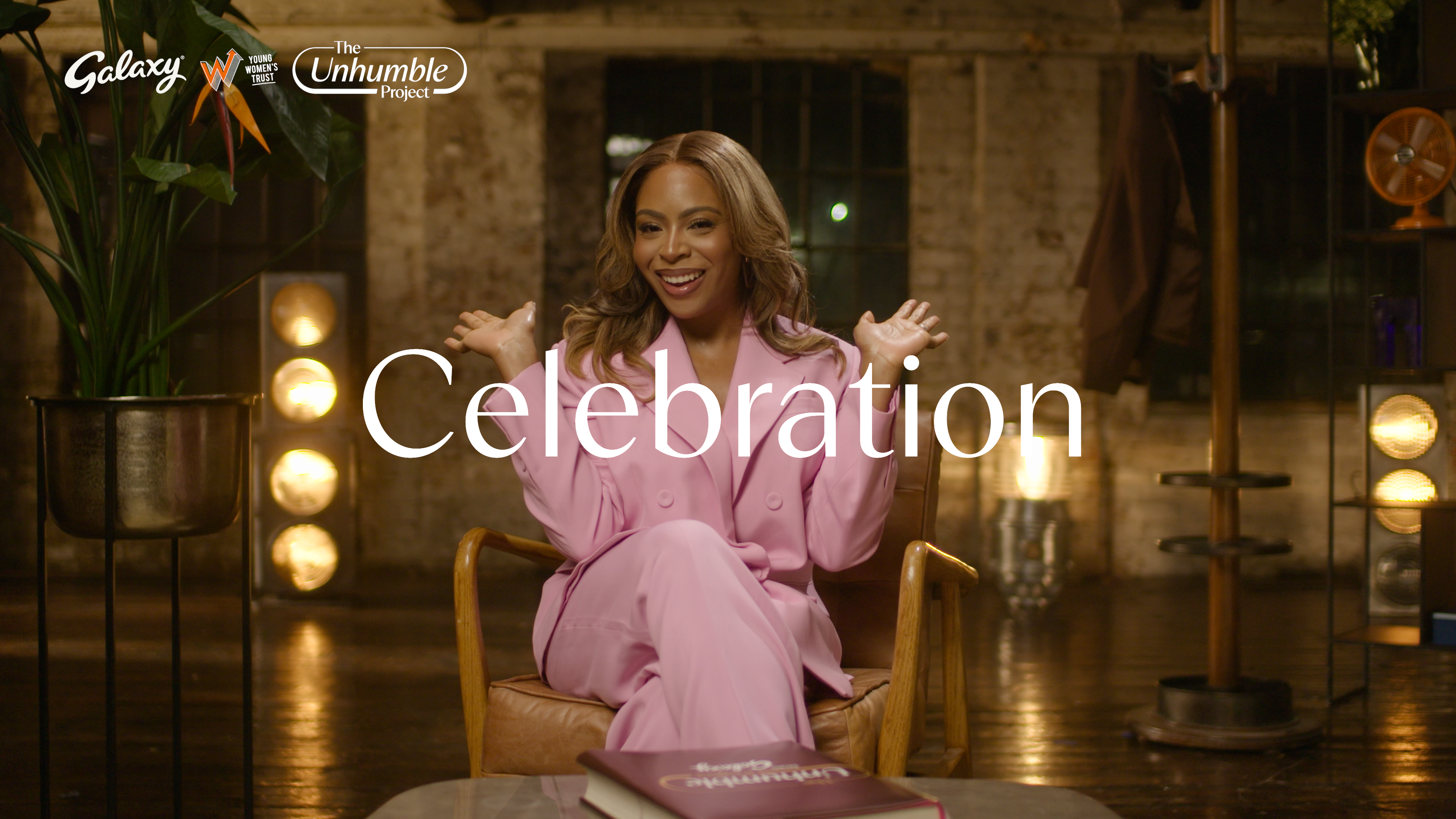
Brands must provide something that extends beyond the product itself. She points to initiatives like Galaxy’s The Unhumble Project, which provides women with actionable training in self-promotion. This is the gold standard for modern branding: creating value that makes the consumer’s day better, whether through education, policy advocacy, or practical life advice.
"Show people you care about them if you want them to care about you," she summarizes. This ethos of reciprocal value is at the core of every project Onward undertakes.
Implications: The Missing Skill Set in Creativity
Perhaps the most striking takeaway from our conversation is Öhrling’s observation on the "hidden" requirements of a creative career. She notes that the creative industry often fails to teach its practitioners the "business of running a business."
The Empowerment of Financial Literacy
Creatives are often treated as distinct from the operational side of an agency. Öhrling argues that this is a disservice to the talent. When creatives understand the mechanics of contracts, margins, cash flow, and client relationships, they become more than just makers—they become strategic partners.
She believes that demystifying the business side of the agency world creates a more empowered workforce. If the industry wants to evolve, it must move away from the siloed model where "the creatives" create and "the suits" manage, favoring a more integrated approach where everyone has a stake in the business’s health.
Looking Forward
As Onward continues to build its portfolio, Öhrling’s focus remains clear: challenge the "stable" path, defend the importance of new voices, and ensure that every piece of creative work serves a purpose beyond the balance sheet.
In a world that is increasingly complex, her message is a refreshing reminder that the most successful businesses are not necessarily the ones that stay the course, but the ones that possess the courage to change it when the destination no longer aligns with their values.
For those looking to learn more about the agency’s evolving mission, visit weareonward.co.
Natalie Fear is a staff writer at Creative Bloq, covering the intersection of art, design, and culture. She also leads the ‘5 Questions’ series, highlighting the thinkers and creators shaping the future of the creative industries.
 Basiran
  Sagoh
Sagoh  Laily UPN