
 By Nila Kartika Wati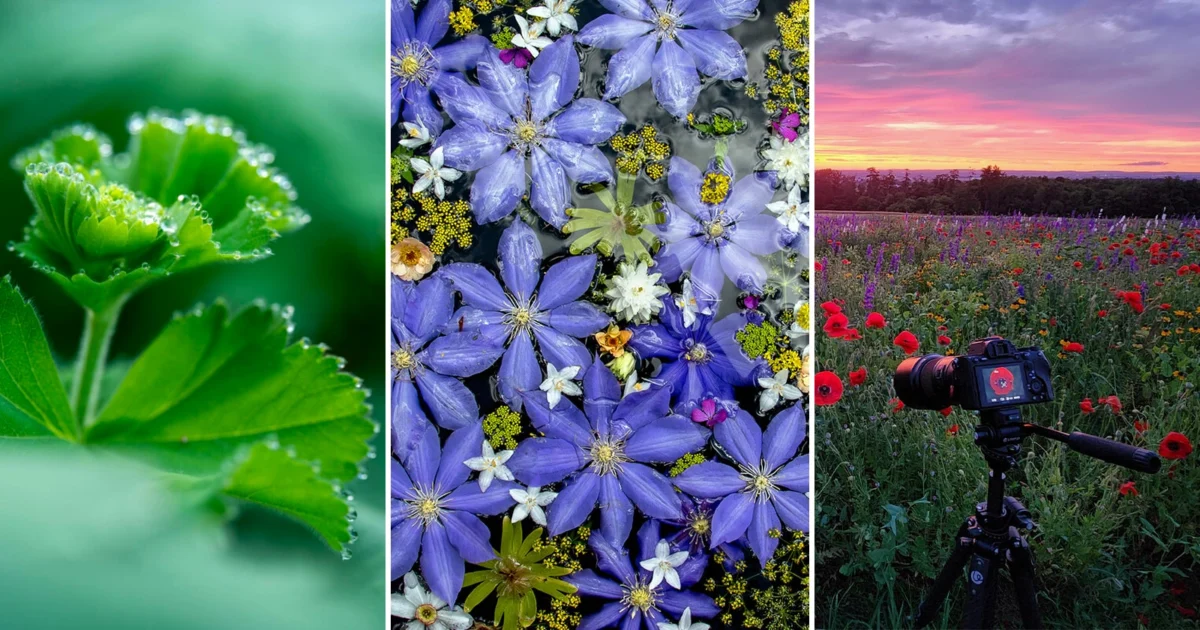
Macro photography is frequently misunderstood as a purely technical pursuit—a clinical exercise in magnifying the minute to reveal what the human eye cannot see. For many, it begins and ends with the obsession for razor-sharp insect eyes or the crystalline structure of pollen. However, for the modern practitioner, macro photography has evolved into a sophisticated discipline that shares more DNA with landscape cinematography and studio portraiture than with traditional specimen documentation. By moving beyond the quest for pure magnification, photographers are now crafting immersive, intentional worlds that transform the smallest fragments of nature into compelling, fine-art compositions.
The Evolution of the Micro-Perspective
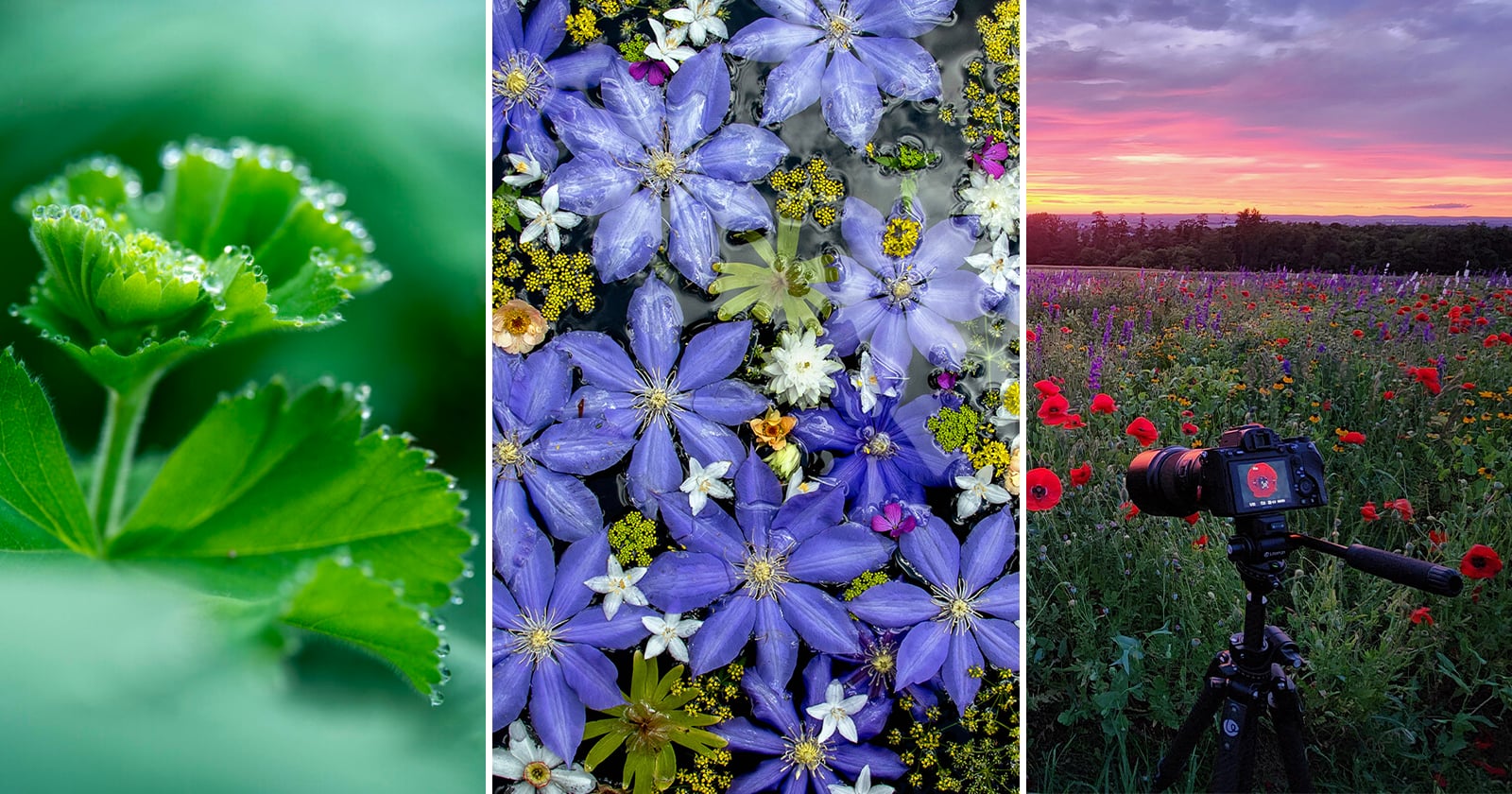
The transition from "documentary macro" to "fine art macro" is marked by a shift in intent. Early-stage macro work often prioritizes the subject’s identity—answering the question of what is being photographed. Advanced macro, conversely, prioritizes the experience of the image. It is about how the light falls, how the focal plane directs the viewer’s journey through the frame, and how the surrounding environment provides context rather than distraction.
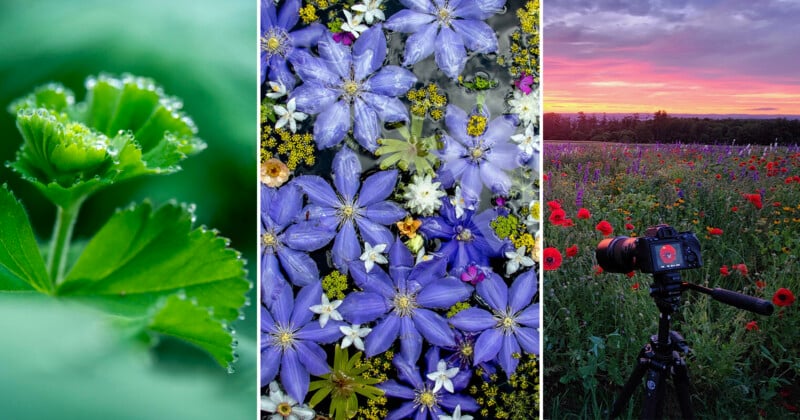
This shift mirrors the broader trends in digital photography, where post-processing tools like focus stacking have removed the physical limitations of optics, allowing creators to sculpt depth and detail with a level of precision that was historically reserved for scientific laboratories.
Chronology of the Macro Craft
The history of macro photography has been defined by the struggle against the laws of physics. In the early days, photographers were limited by the extremely shallow depth of field (DoF) inherent in high-magnification optics. A single image could only render a sliver of a subject in focus; the rest dissolved into a blurry bokeh.
- The Era of Compromise: For decades, macro photographers had to choose between extreme magnification (with minimal DoF) or smaller apertures (which introduced diffraction and reduced image quality).
- The Digital Revolution: The introduction of high-resolution digital sensors allowed for more forgiving cropping and better handling of noise.
- The Computational Age: The rise of focus stacking software (e.g., Helicon Focus, Zerene Stacker) and automated in-camera bracketing changed the landscape entirely. Photographers could now capture "infinite" depth by merging dozens, sometimes hundreds, of exposures. This technical milestone allowed artists to move away from "getting the shot" to "constructing the scene."
Mastering Depth: The Art of Focus Stacking
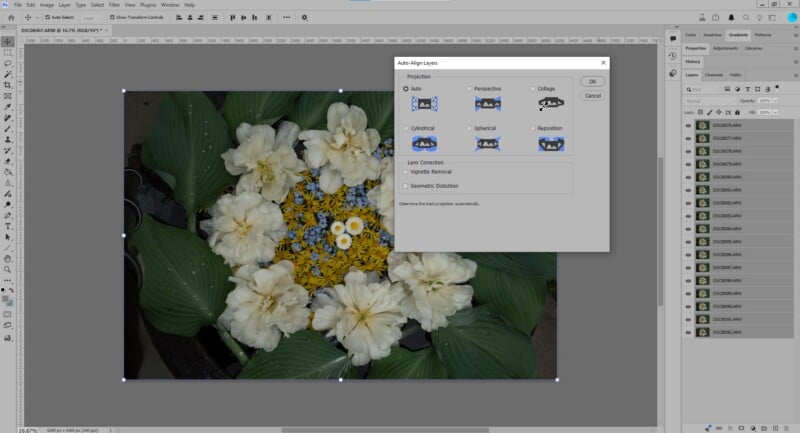
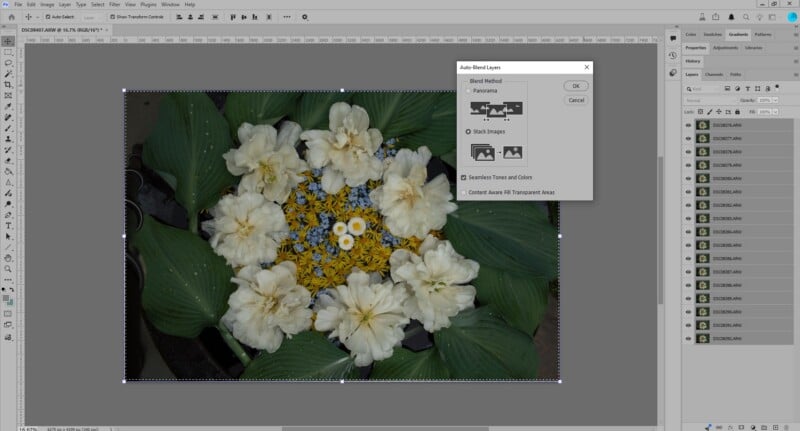
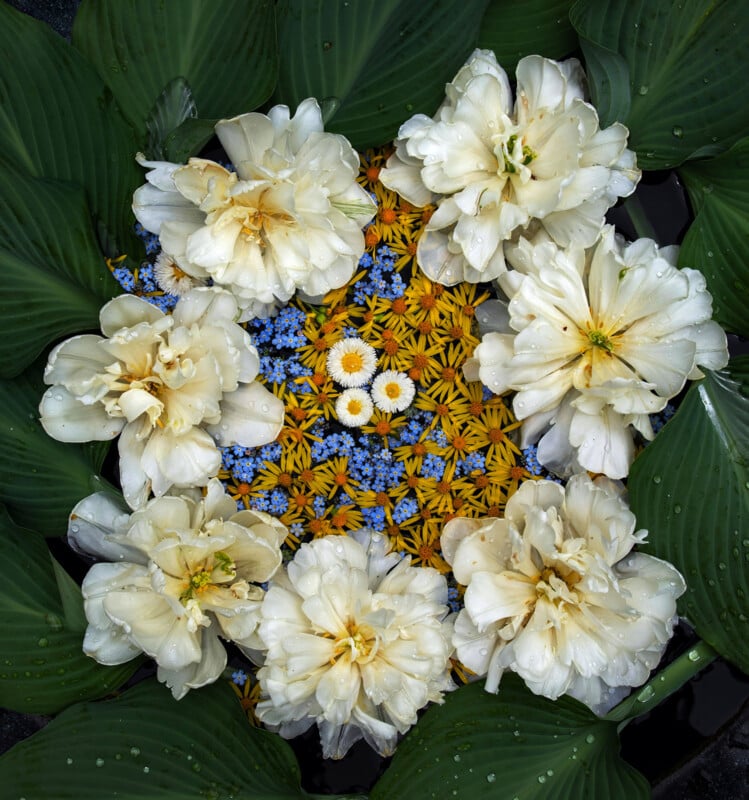
Focus stacking is not merely a tool for clarity; it is a compositional device. By taking a series of exposures—each focused at a slightly different distance—and blending them in software like Adobe Photoshop, photographers can achieve a depth of field that is physically impossible in a single frame.
The Technical Workflow
- Preparation: Stability is the foundation. A high-quality tripod and a remote shutter release are non-negotiable. Even a slight tremor from the mirror slap or wind can ruin a stack.
- Incremental Capture: The photographer must manually (or automatically) advance the focus ring, ensuring an overlap between each frame. At 1:1 magnification, a standard flower might require 15–30 frames, whereas extreme macro work can demand upwards of 200.
- Post-Processing: Using the "Auto-Align" and "Auto-Blend" features in Photoshop is the standard starting point. However, the true artistry occurs in the manual retouching phase, where the photographer corrects "halos" or artifacts created by wind-induced movement between frames.
The ultimate goal of stacking is invisibility. The best focus-stacked images are those where the viewer is unaware of the process, feeling only the immersive depth and clarity of the subject.
The Focal Plane as a Narrative Tool
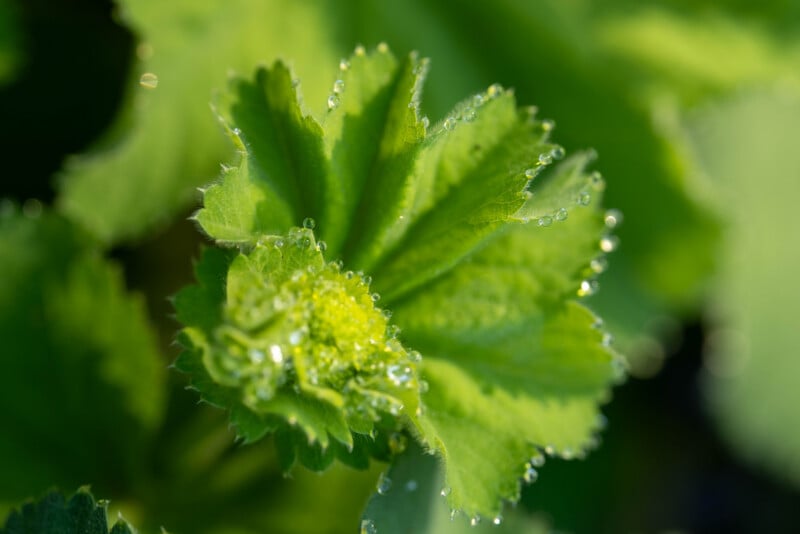
While stacking allows for total sharpness, many photographers are returning to the deliberate use of shallow DoF. The focal plane is a three-dimensional slice of space. Rather than forcing everything into focus, advanced photographers treat this plane as a paintbrush.

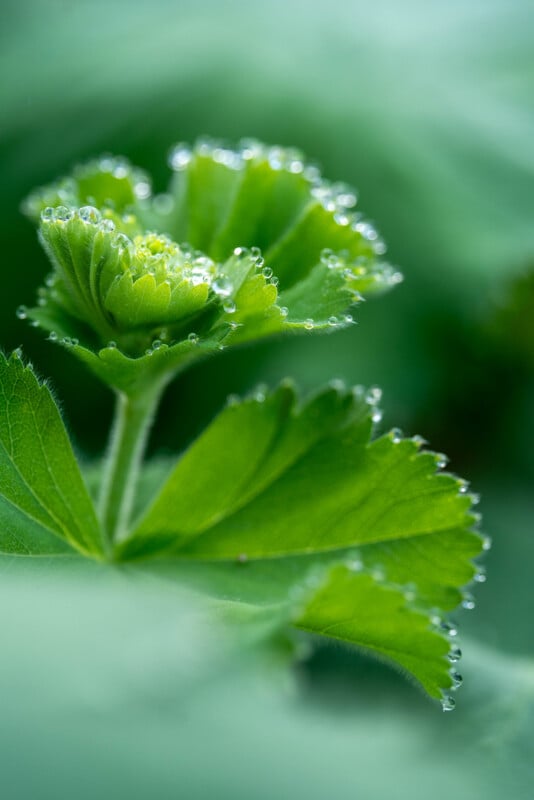
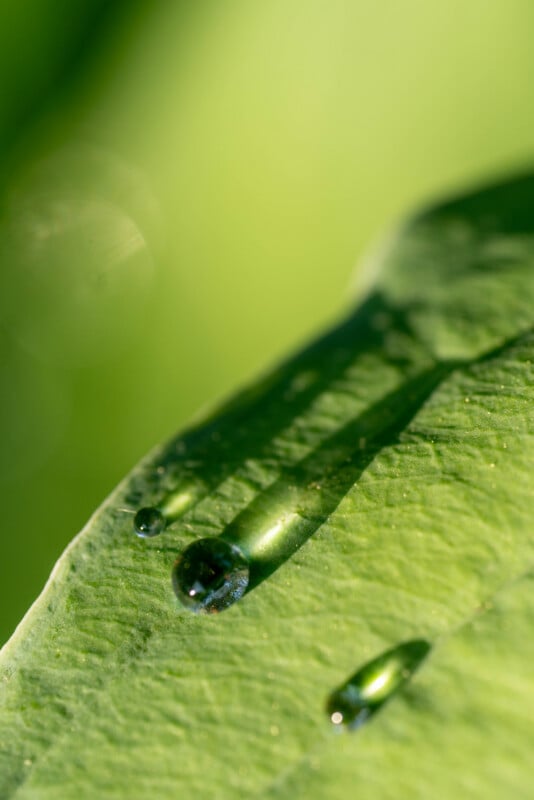
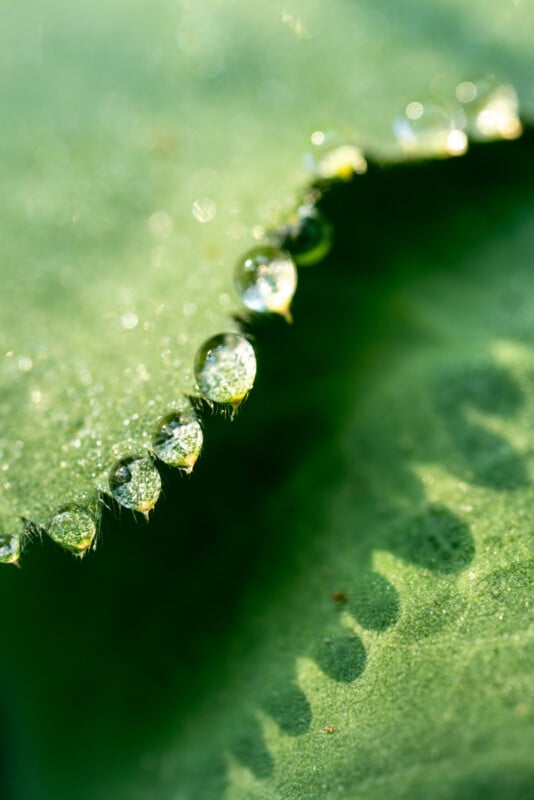
By angling the camera to cut the focal plane diagonally across a subject—such as a dew-covered leaf or a curved flower petal—the artist can guide the viewer’s eye through the frame. This creates a rhythmic, cinematic flow that feels more organic than a fully sharp image. It forces the viewer to engage with the photograph as a journey rather than a static object.

Lighting: Sculpting the Miniature
In the macro world, light is the primary material for construction. Because the subject is so small, the quality of light is magnified in its effect. A harsh, direct flash can turn a delicate mushroom into a cold, clinical specimen. Conversely, the same subject under diffused, directional light can take on a monumental, sculptural presence.

Many photographers now employ "mini-studio" techniques in the field. This includes using small reflectors, colored cardstock, or custom-built diffusion rigs. By placing a piece of cardstock behind a flower, the photographer can isolate the subject from a cluttered background, essentially "building" a backdrop in the middle of a forest. This manipulation allows for the intentional control of color, contrast, and negative space, turning a random patch of moss into a deliberate stage.
Environmental Macro: The World as Context
A significant trend in modern macro photography is the move toward "environmental macro." Instead of isolating a subject against a flat, neutral background, the photographer includes the habitat.

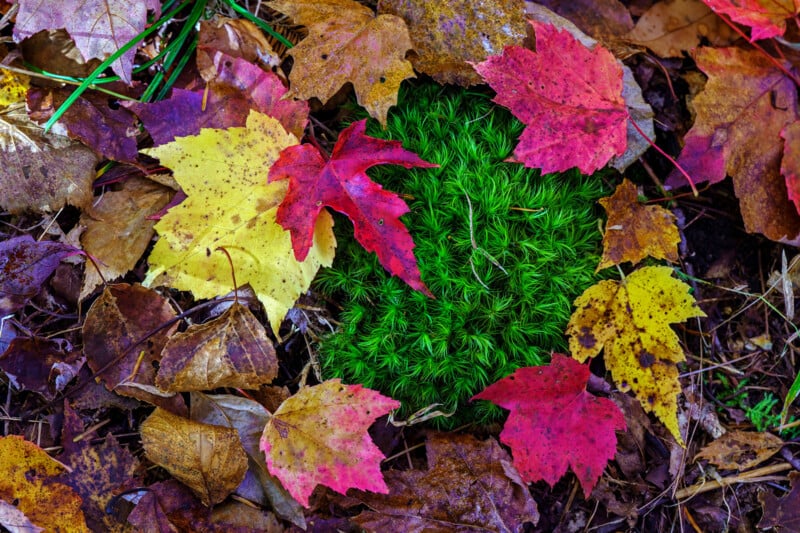
By incorporating the forest floor—the texture of the bark, the decay of the leaves, or the pattern of the surrounding moss—the macro subject becomes a "hero" within its own world. This approach communicates a narrative: the mushroom isn’t just an object; it is a survivor emerging from the detritus of an ancient forest. This context is what separates a photo from a specimen image; it provides the viewer with a sense of place, scale, and atmosphere.
The Abstract Turn: Seeing Beyond Identification
At the highest levels of the craft, subject recognition becomes secondary. When magnified to an extreme, a fern frond ceases to be a plant and becomes a geometric pattern of fractals. Water droplets become prisms of refracted light.
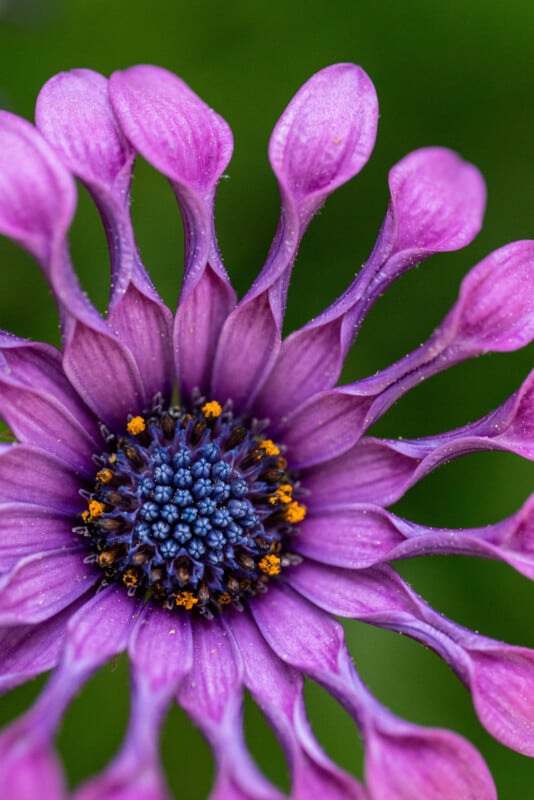
This requires a mental shift in the photographer: the "drone-view" approach. By zooming out mentally, the photographer views the textures, lines, and tonal gradients as if they were a wide-angle landscape. When the subject loses its identity, the composition is free to breathe. This abstract interpretation invites the viewer to pause and explore the image without the immediate comfort of naming the object, which creates a deeper, more meditative connection between the viewer and the art.
The Crucial Role of Observation
Despite the advanced technology available today, the most essential tool remains the photographer’s patience. The difference between an amateur and a master often lies in the time spent before the shutter is pressed.
- Behavioral Understanding: Knowing when an insect is likely to move, feed, or rest allows for anticipation rather than reaction.
- Environmental Awareness: Understanding the seasonal cycles of light and moisture is paramount. The "golden hour" for a mushroom in a deep, shaded forest might last only a few minutes when the sun hits a specific gap in the canopy.
- The Waiting Game: Successful macro photographers are masters of the "stillness." They watch how the wind interacts with the foliage and wait for the brief, calm windows that allow for high-fidelity stacking.
Implications for the Future of Photography
As camera technology continues to advance—with features like AI-driven focus bracketing and higher dynamic range sensors—the barrier to entry for technical macro photography is lowering. However, this paradoxically makes the artistic aspect of the craft more important than ever.
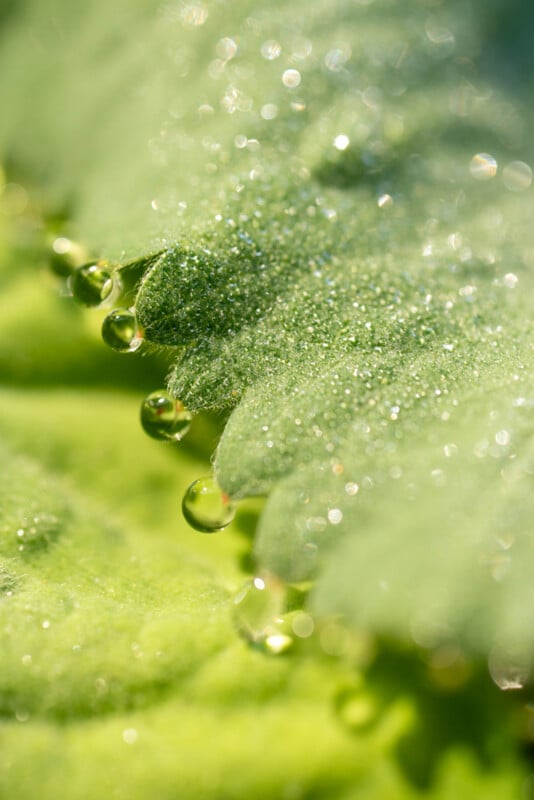
The future of macro photography lies in the synthesis of these techniques. It is the photographer who knows how to blend the scientific precision of focus stacking with the emotional intuition of landscape photography who will define the next era of the genre. The goal is no longer just to show the viewer what a bug looks like; it is to invite them into a hidden world, to make them feel the scale of the small, and to transform the overlooked into the unforgettable.
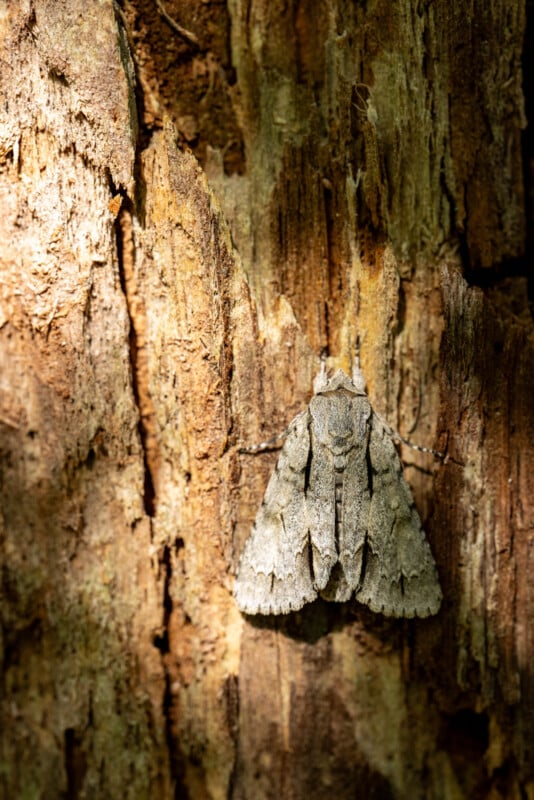
In conclusion, macro photography has matured. It is no longer just about the gear or the magnification ratio. It is about the intent of the artist. Whether through the surgical precision of a 200-frame stack or the quiet observation of a single, dew-kissed leaf, the true power of macro photography lies in its ability to turn the invisible into the profound.
 Lina Irawan
  Reynand Wu
  Basiran