
 By Nana Wu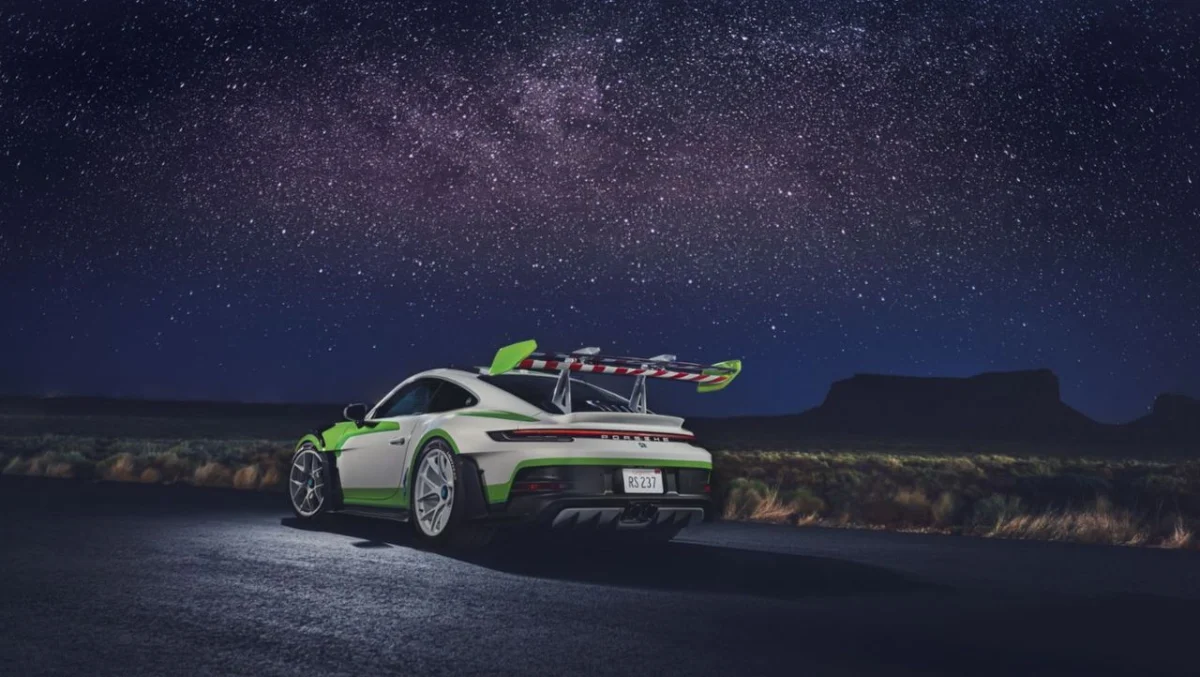
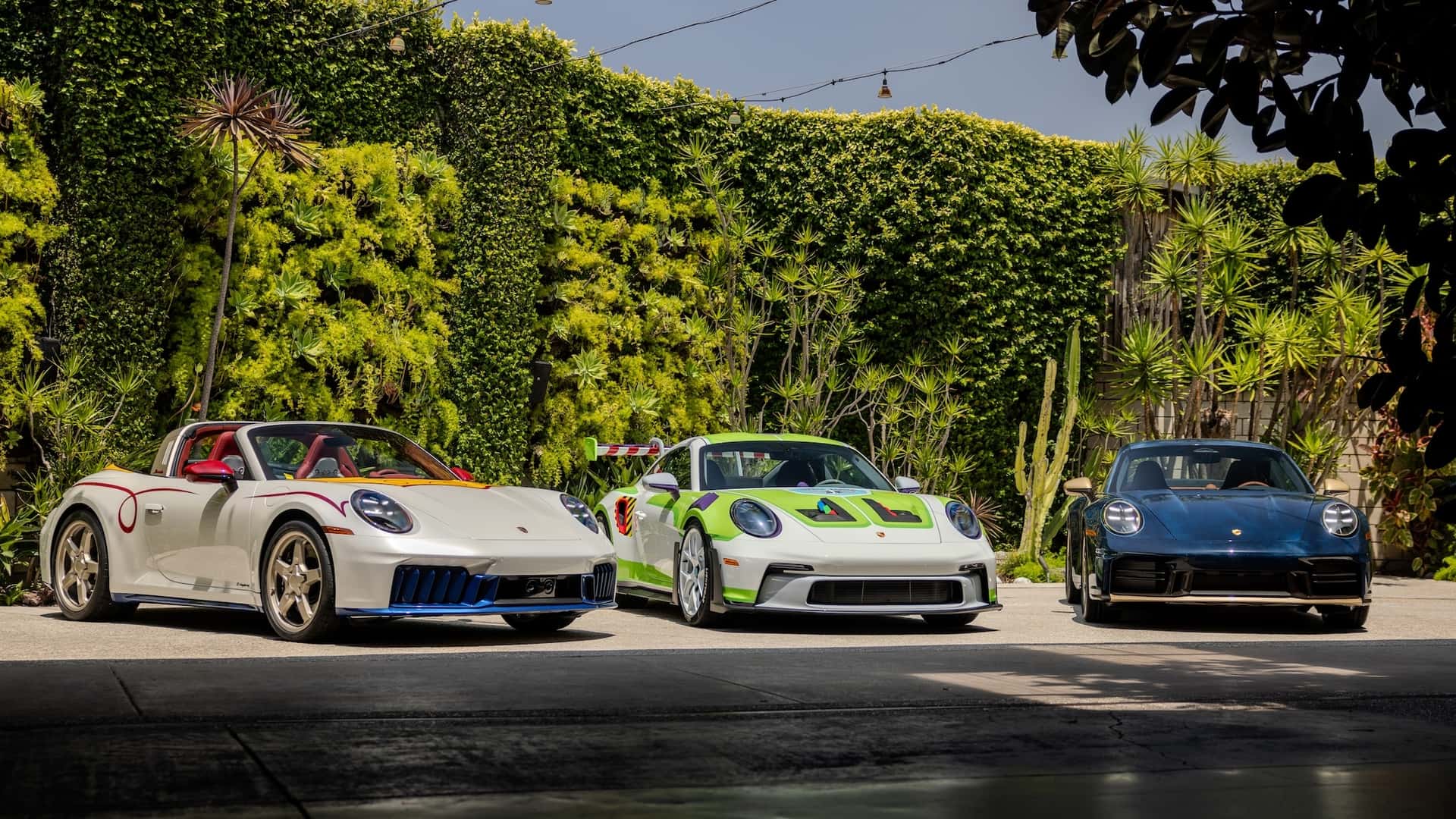
In an era where brand collaborations often feel like cynical, surface-level marketing ploys, Porsche and Pixar have delivered a masterclass in creative synergy. At the recent premiere of the highly anticipated Toy Story 5, the German automotive giant unveiled a trio of bespoke, one-of-a-kind Porsche 911 models inspired by the film’s most iconic protagonists: Sheriff Woody, Jessie the Yodeling Cowgirl, and the intrepid Space Ranger, Buzz Lightyear.
This isn’t merely a paint-job exercise. These vehicles, born from Porsche’s exclusive Sonderwunsch (special wish) program, represent a meticulous fusion of high-performance engineering and cinematic storytelling. By transforming the silhouette of the 911 into an homage to childhood nostalgia, the two companies have set a new benchmark for cross-industry collaborations, proving that luxury automotive design can embrace playfulness without sacrificing its premium status.
The Genesis of a Cinematic Partnership: A Chronology
The project, kept under strict wraps until the Toy Story 5 premiere, serves as a cornerstone of the film’s promotional campaign. While the automotive industry is no stranger to film tie-ins, the sheer depth of this project distinguishes it from the usual fare of logo-slapped dashboards or limited-edition decals.
- Phase One: Conceptualization: Working closely with Pixar’s creative team, Porsche’s Sonderwunsch department—the division responsible for the brand’s most extreme custom builds—sought to capture the "spirit" of the characters rather than just their colors.
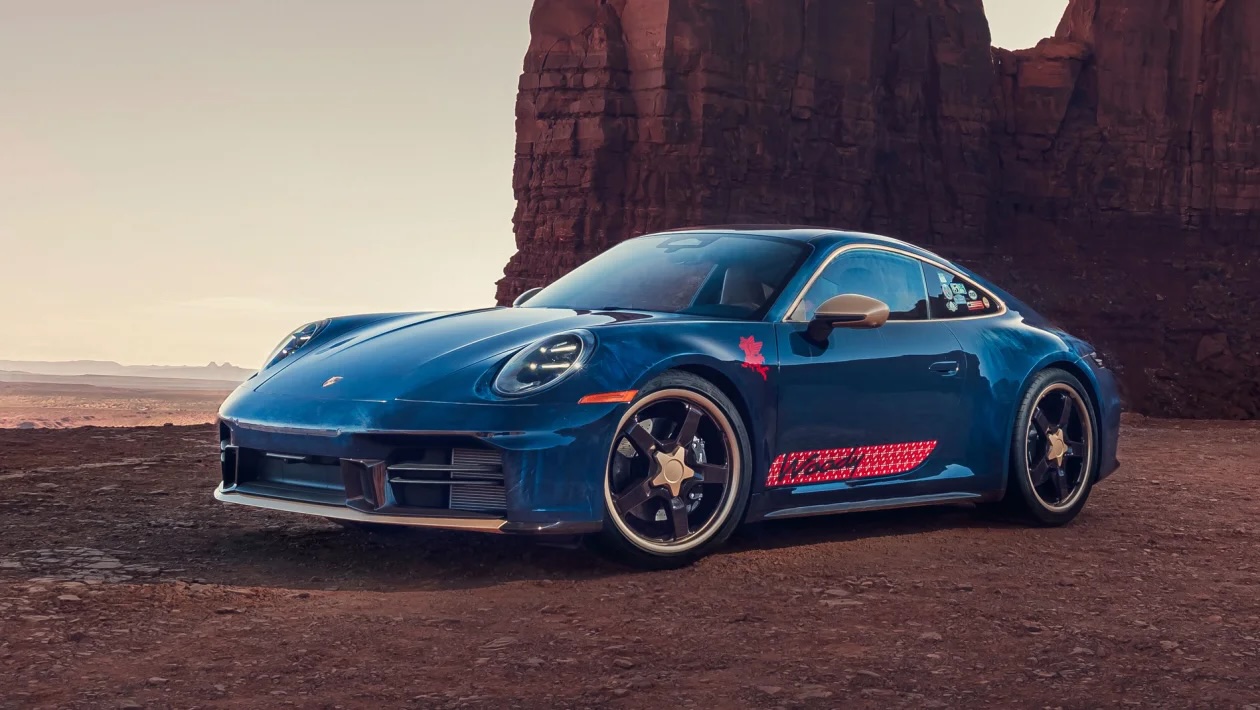
- Phase Two: Material Selection: The team experimented with unconventional automotive materials to mimic the texture of fabric and toys. Notable among these was the "distressed denim" finish on the Woody-inspired model, achieved by pressing genuine denim into the wet paintwork.
- Phase Three: The Reveal: The cars made their public debut during the Toy Story 5 red carpet event, where they served as the centerpiece of the film’s promotional activation, instantly drawing comparisons to more conventional and arguably less inspired tech-brand crossovers, such as the Ferrari x HP or Aston Martin x Chillblast partnerships.
Detailed Design Analysis: Crafting the Characters
The success of these vehicles lies in their restraint. Instead of turning the cars into literal, cartoonish depictions, Porsche designers utilized a sophisticated visual language to represent the characters.
Woody’s 911 Carrera: The Western Icon
The Woody-inspired 911 Carrera is a masterclass in texture. Beyond the innovative distressed denim exterior, the cabin is a shrine to the Sheriff’s aesthetic. The interior features rich, brown saddle leather, evocative of the Wild West. Perhaps the most subtle yet delightful detail is the gear stick, which bears the iconic sheriff’s star, grounding the driver in the character’s identity every time they shift gears. The wheels are a bespoke gold-and-black alloy, echoing the classic color palette of the character’s western attire.
Jessie’s 911 Targa 4 GTS: A High-Speed Salute
The Jessie build utilizes the 911 Targa 4 GTS platform, known for its open-top versatility. The exterior is finished in a bespoke "Jessie White" paint, contrasted by bold red piping that runs along the vehicle’s curves, mimicking the red trim on Jessie’s signature shirt. The most charming feature, however, is auditory: when the doors are opened, the car emits a "Yee-haw!"—a whimsical touch that bridges the gap between a high-performance sports car and the personality of the character. Cowprint patterns are subtly integrated into the door panels, creating a cohesive design narrative.
Buzz Lightyear’s 911 GT3 RS: The Pinnacle of Performance
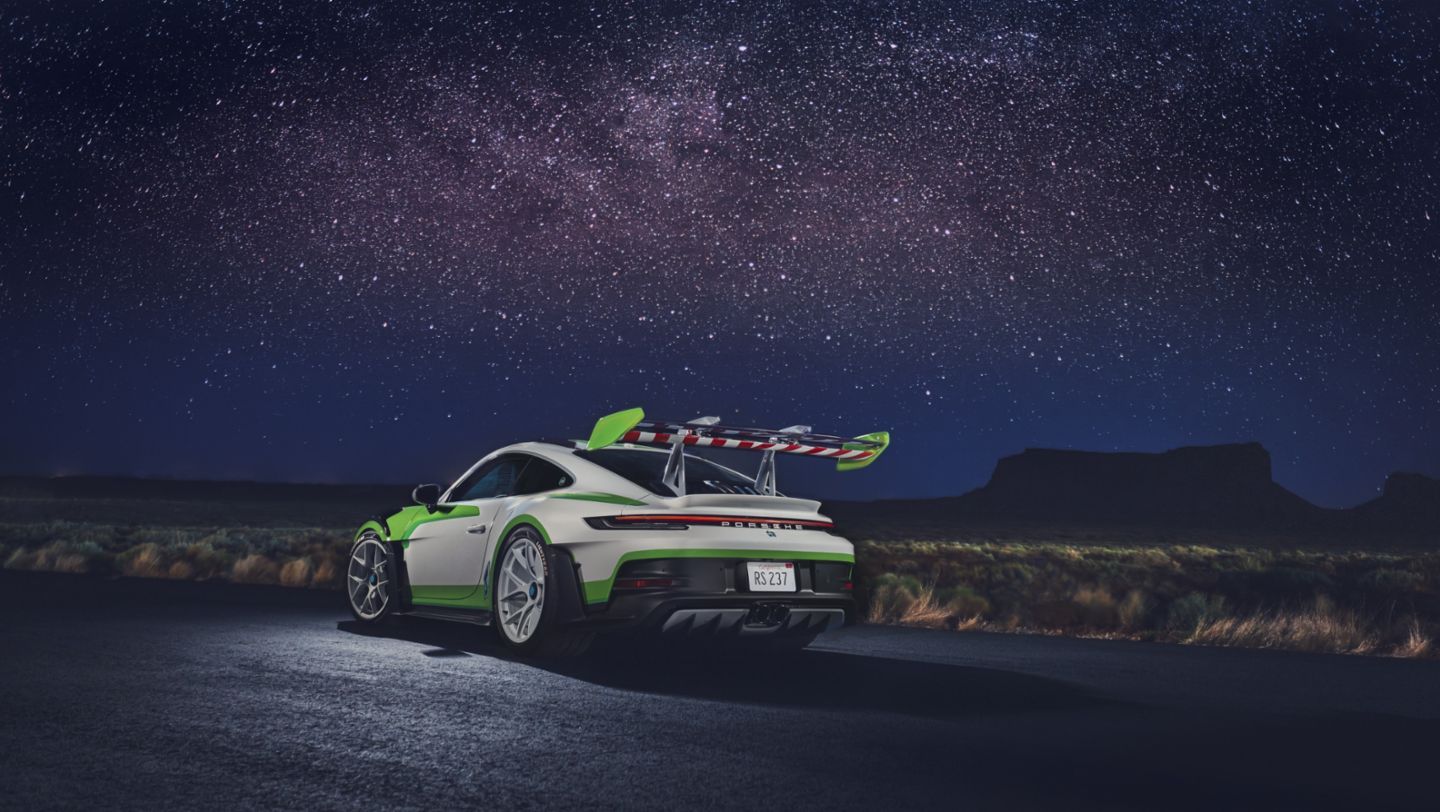
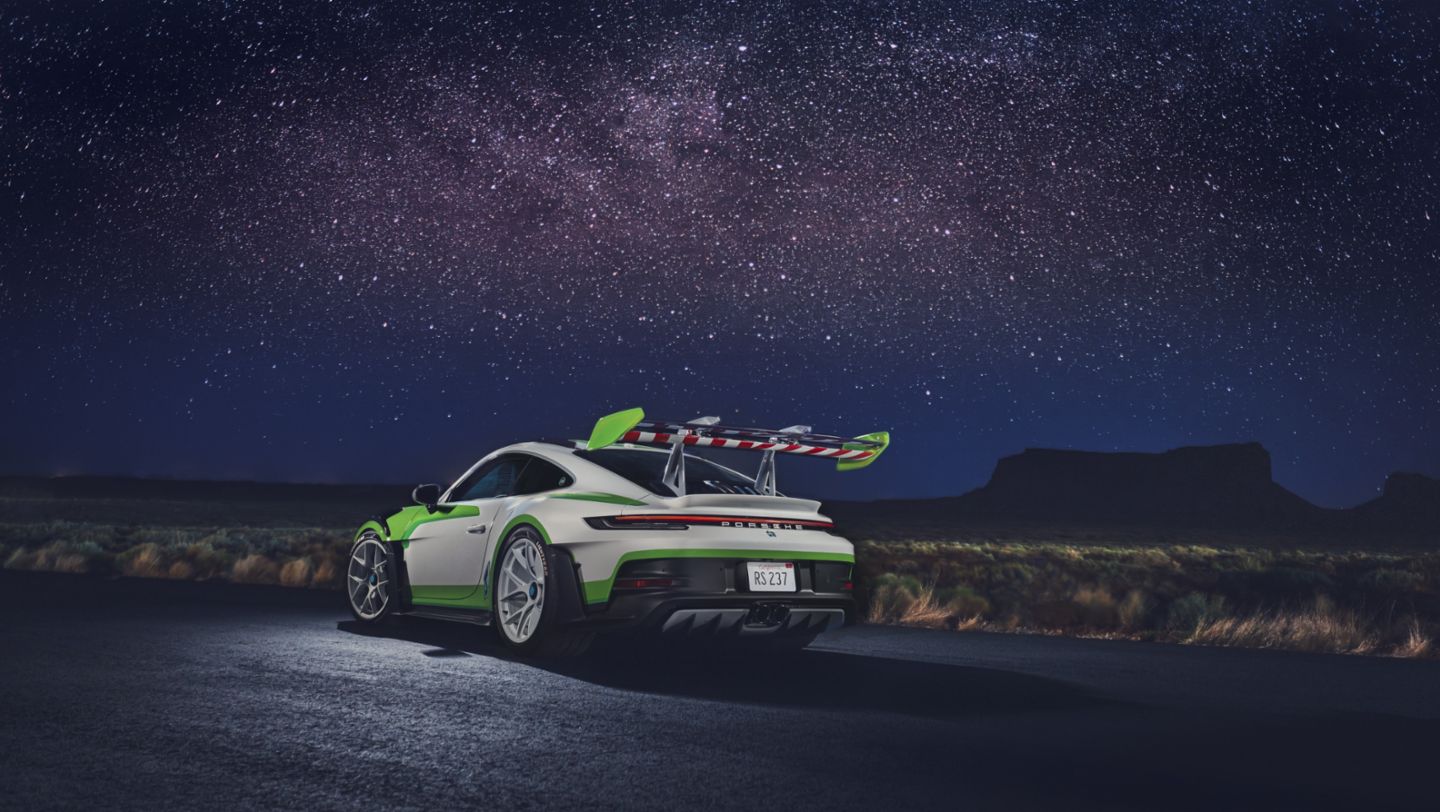
Perhaps the most striking of the three, the Buzz Lightyear 911 GT3 RS leans into the aggressive, aerodynamic nature of the platform. Given the GT3 RS’s status as a track-focused beast, it is the perfect canvas for a space ranger’s suit. The color palette mirrors Buzz’s signature white, purple, and neon green armor. Every air vent and carbon-fiber winglet serves to reinforce the "space-age" aesthetic. For those who grew up with Buzz Lightyear action figures, the attention to detail—from the paneling lines to the specific shade of space-suit purple—is undeniably nostalgic.
Supporting Data: Why This Collaboration Works
Why has this specific partnership captured the imagination of both the automotive press and the general public? The answer lies in the "rules" of successful collaboration. According to design analysts, a partnership is successful only when it satisfies three core criteria: Authenticity, Utility, and Exclusivity.
- Authenticity: The collaboration doesn’t feel like a forced commercial arrangement. It treats both the Porsche brand and the Toy Story franchise with respect, ensuring that the final products maintain the integrity of a Porsche 911.
- Utility: By creating physical, functional vehicles that reflect the characters, the companies have provided an "experience" rather than just a product.
- Exclusivity: These are not mass-produced vehicles. They are bespoke Sonderwunsch builds, ensuring that they remain collector’s items. The fact that they are destined for auction, rather than retail, prevents the dilution of the brand value.
Furthermore, the philanthropic angle adds a layer of depth that most marketing campaigns lack. By auctioning these cars, the proceeds will benefit the American Red Cross, the Starlight Children’s Foundation, and Big Brothers Big Sisters of America. This elevates the project from a mere promotional stunt to a meaningful charitable initiative, broadening the appeal of the collaboration to a wider, socially conscious audience.
Official Responses and Industry Implications
Porsche has been relatively quiet on the specific financial projections of the auction, but the buzz on social media—specifically on their official Instagram channel—has been overwhelming. "Three bespoke Porsche sportscars. Three amazing charities," read the official announcement, signaling that the company is leaning into the altruistic narrative of the project.
Industry experts suggest that this collaboration signals a shift in how luxury brands approach marketing. As Gen Z and younger generations gain more purchasing power, the traditional "prestige-only" marketing model is losing its edge. Today’s consumers—even those in the market for a six-figure sports car—value playfulness, storytelling, and social impact.
"The Porsche-Pixar project is a masterclass in emotional branding," says design consultant Marcus Thorne. "They’ve managed to take a childhood memory and translate it into a mature, aspirational product. It’s not just about the car; it’s about the feeling of being a child again while driving a piece of engineering excellence. That is a very powerful emotional hook."
The Future of Brand Collaborations
The success of the Toy Story 5 Porsche collection poses a question for other luxury manufacturers: can they afford to be this bold? While some legacy brands remain fearful of "cheapening" their image through pop-culture crossovers, the Porsche-Pixar partnership proves that if the execution is high-quality, the opposite occurs. The Porsche brand feels more human, more accessible, and ultimately more desirable because of this association.
As we look toward the future of luxury automotive design, expect to see more of these "lifestyle" collaborations. The barrier between entertainment, fashion, and automotive engineering is dissolving. Brands that can successfully navigate this intersection—as Porsche has done here—will be the ones that define the market for the next generation of collectors.
For now, the Toy Story 5 Porsches serve as a testament to the idea that, in the world of high-end design, there is always room for a little bit of magic. Whether you are a four-year-old mesmerized by the colors or a seasoned collector impressed by the craftsmanship of the Sonderwunsch team, these cars remind us of a fundamental truth: great design should inspire, it should delight, and, occasionally, it should even take us to infinity and beyond.
 Lina Hope
  Reynand Wu
  Pevita Pearce