
 By Basiran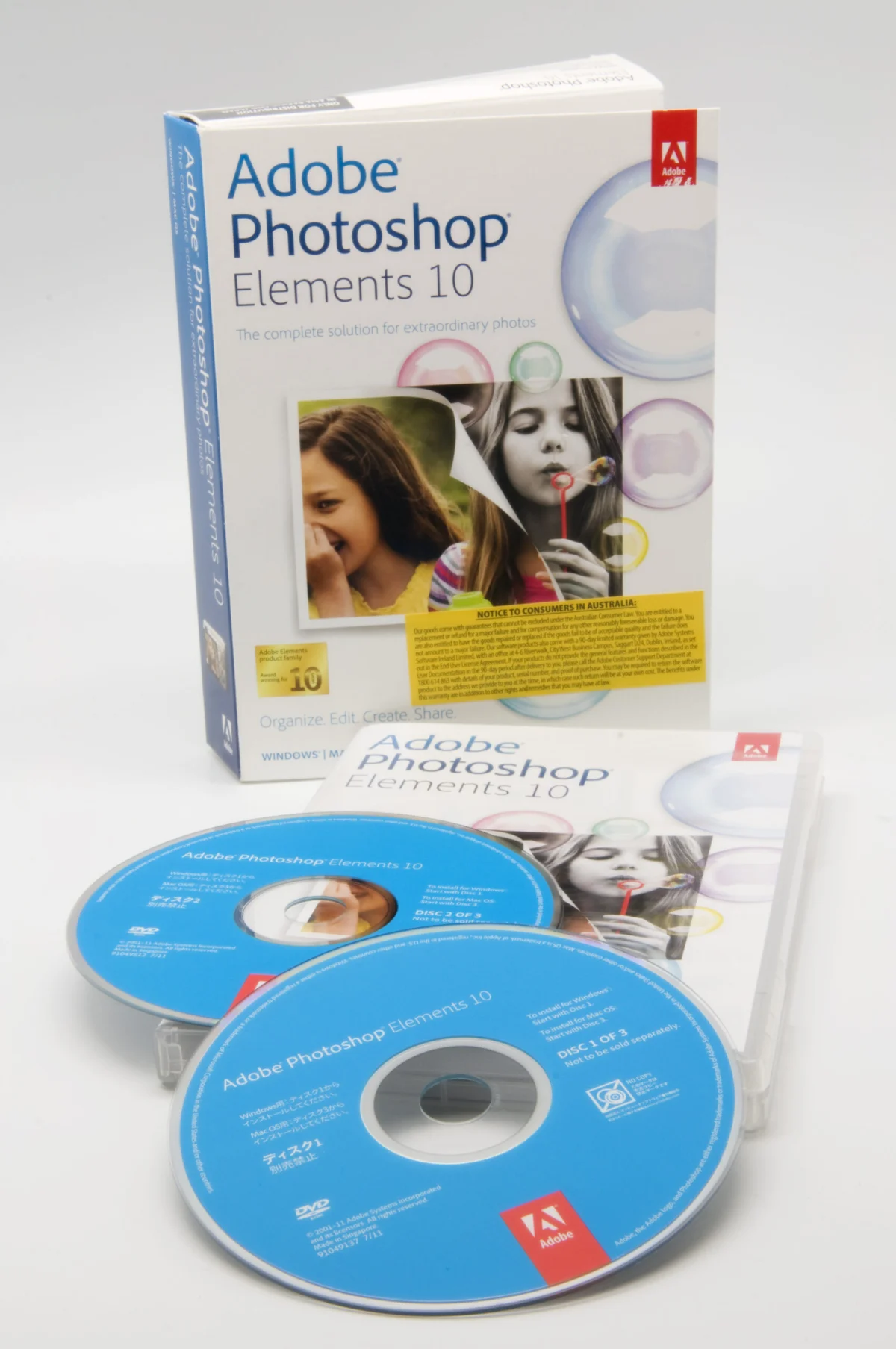
In the modern creative landscape, Adobe Photoshop is synonymous with digital ubiquity. For the contemporary designer, the software exists as a seamless, always-on utility—a cloud-based subscription service accessible with a single click via the Creative Cloud desktop application. However, the realization that this industry-standard software was once a tangible commodity—shipped in cardboard boxes containing physical disks—has recently sparked a digital identity crisis among younger creatives.
The revelation that Photoshop was not "born in the cloud" serves as a profound reminder of how rapidly the technological landscape has shifted. This article explores the history of Adobe’s flagship software, the transition from physical media to SaaS (Software as a Service), and the implications of this shift on the broader design community.
The Tangible Era: When Software Had Weight
Before the era of high-speed internet and ubiquitous cloud computing, software distribution was a physical, logistical endeavor. In the 1990s and early 2000s, purchasing Photoshop was a milestone event for any budding graphic designer. It involved visiting a brick-and-mortar retail store, selecting a heavy, oversized box from a shelf, and paying a significant upfront cost for a perpetual license.
The Floppy Disk Legacy
To understand the evolution of Photoshop, one must look back to its infancy. Early versions of the software, such as Photoshop 2.0, were distributed on sets of 3.5-inch floppy disks. These disks, with their limited storage capacity (often just 1.44 MB), were a testament to the engineering constraints of the time. Users would have to manually insert and eject multiple disks in sequence to install the software—a process that would be considered an agonizing "nightmare" by today’s standards.
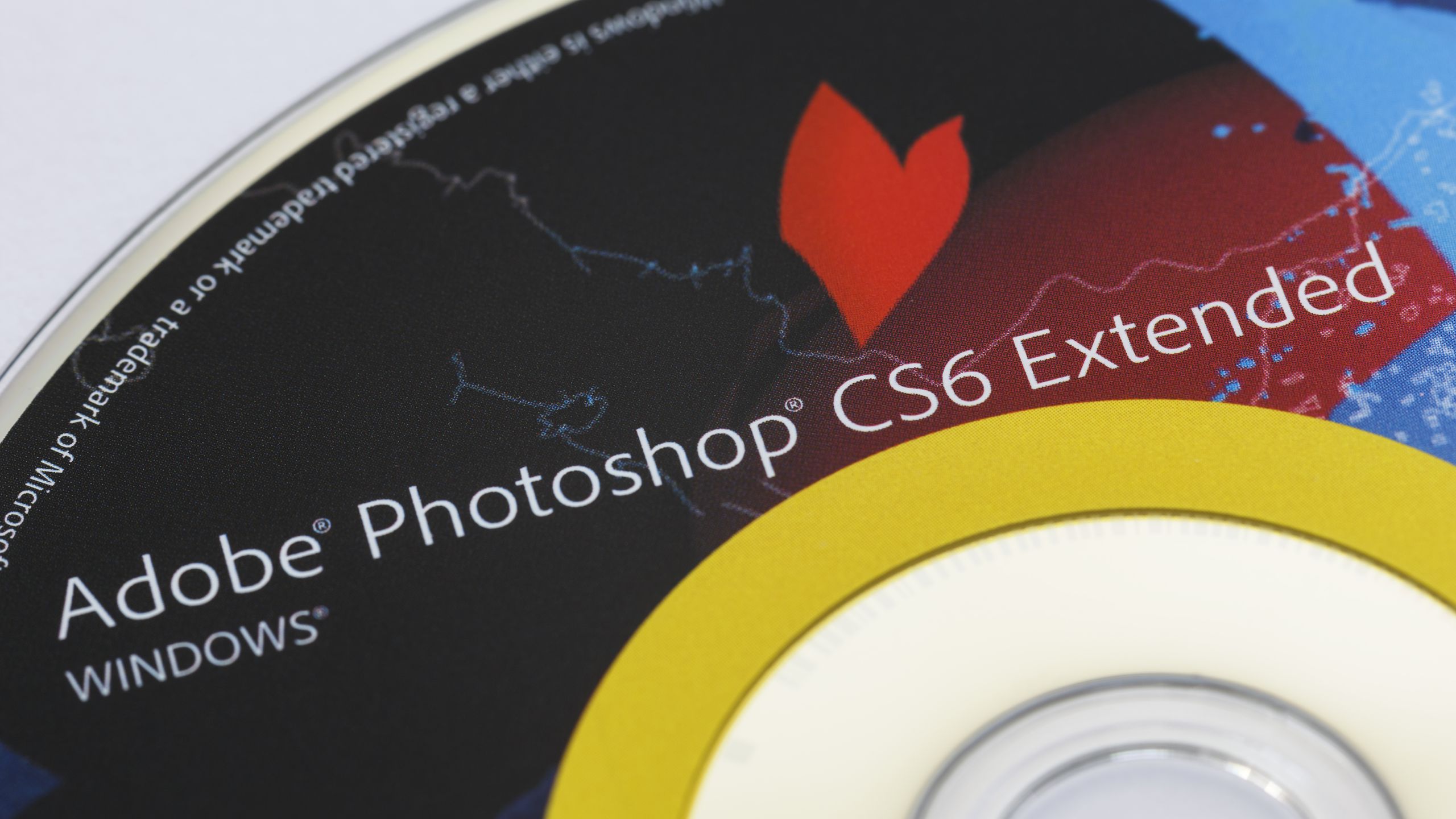
As the software grew in complexity, the industry moved toward CD-ROMs, which offered a massive leap in storage capacity. This allowed Adobe to bundle more assets, fonts, and tutorials directly into the installer. For many designers who grew up in that era, the physical disc was more than just a delivery mechanism; it was a badge of entry into the professional design world.
Chronology: A Brief History of Photoshop’s Delivery
- 1990 (Photoshop 1.0): Released exclusively for the Macintosh, distributed on physical floppy disks.
- 1993 (Photoshop 2.5): The first version to arrive on Windows, further solidifying the transition to a cross-platform standard.
- 1996 (Photoshop 4.0): Introduced Adjustment Layers, forever changing the workflow of professional retouchers.
- 2003 (Photoshop CS): The "Creative Suite" era begins, focusing on integrated workflows and transitioning fully toward CD-ROM distribution.
- 2013 (The Creative Cloud Pivot): Adobe shocks the industry by announcing the end of perpetual licenses, moving exclusively to a subscription-based model via the cloud.
The Generational Divide
The recent discourse surrounding physical copies of Photoshop has highlighted a significant generational divide within the creative industry. For "digital natives," the idea that software existed outside of a browser or a subscription app feels almost archaic.
On platforms like Reddit, veteran designers have shared nostalgic anecdotes about their "boxed" collections. One user noted, "I’ve still got my Photoshop 2.0 floppy disk set. I couldn’t part with them when I was cleaning stuff out." These comments resonate with a sense of pride—a recollection of a time when owning software meant actually possessing it.
Conversely, younger designers, accustomed to the convenience of instant updates and cross-device syncing, often find the physical limitations of the 90s incomprehensible. The discovery that early versions of Photoshop had a "layer limit"—where exceeding 99 layers could cause the software to crash or fail to load—serves as a stark contrast to the modern experience, where high-end hardware and software optimization allow for thousands of layers in a single project.
Supporting Data: The Shift to Subscription Models
The transition from physical media to the Creative Cloud model in 2013 was one of the most controversial pivots in the history of software. Adobe’s shift was driven by a need for recurring revenue and a desire to combat the rampant software piracy that plagued the physical box era.
However, this transition has not been without its critics. Financial data shows that while Adobe’s revenue has skyrocketed under the subscription model, user sentiment has often been strained by:
- Price Hikes: The shift to a monthly/annual fee has, for many, resulted in higher lifetime costs compared to the previous perpetual licensing model.
- Lock-in Effects: Once a user builds their workflow within the Adobe ecosystem, the cost of switching to competitors (like Affinity or Procreate) becomes prohibitively high.
- Cancellation Friction: Recent regulatory scrutiny, including a $150 million settlement with the FTC regarding subscription cancellation terms, highlights the friction that has emerged between corporate monetization strategies and consumer rights.
Official Responses and Strategic Shifts
Adobe has maintained that the cloud-based model is essential for the rapid deployment of features, particularly in the age of Generative AI. Features like "Generative Fill," which rely on massive, remote GPU clusters, would be technically impossible to deliver via a physical disc.
In recent statements, Adobe executives have emphasized that the cloud model allows for a "living software" experience. By pushing updates continuously, they argue that designers are always at the cutting edge of what technology can achieve. However, the company has also acknowledged the need for better communication regarding pricing and transparency, particularly in light of recent public pushback against their Terms of Service and subscription management practices.
The Implications: Why Does This Matter?
The "shock" of discovering that Photoshop once lived on a disk is more than just a humorous generational gap. It represents a fundamental change in the relationship between the creator and the tool.
1. The Loss of Digital Permanence
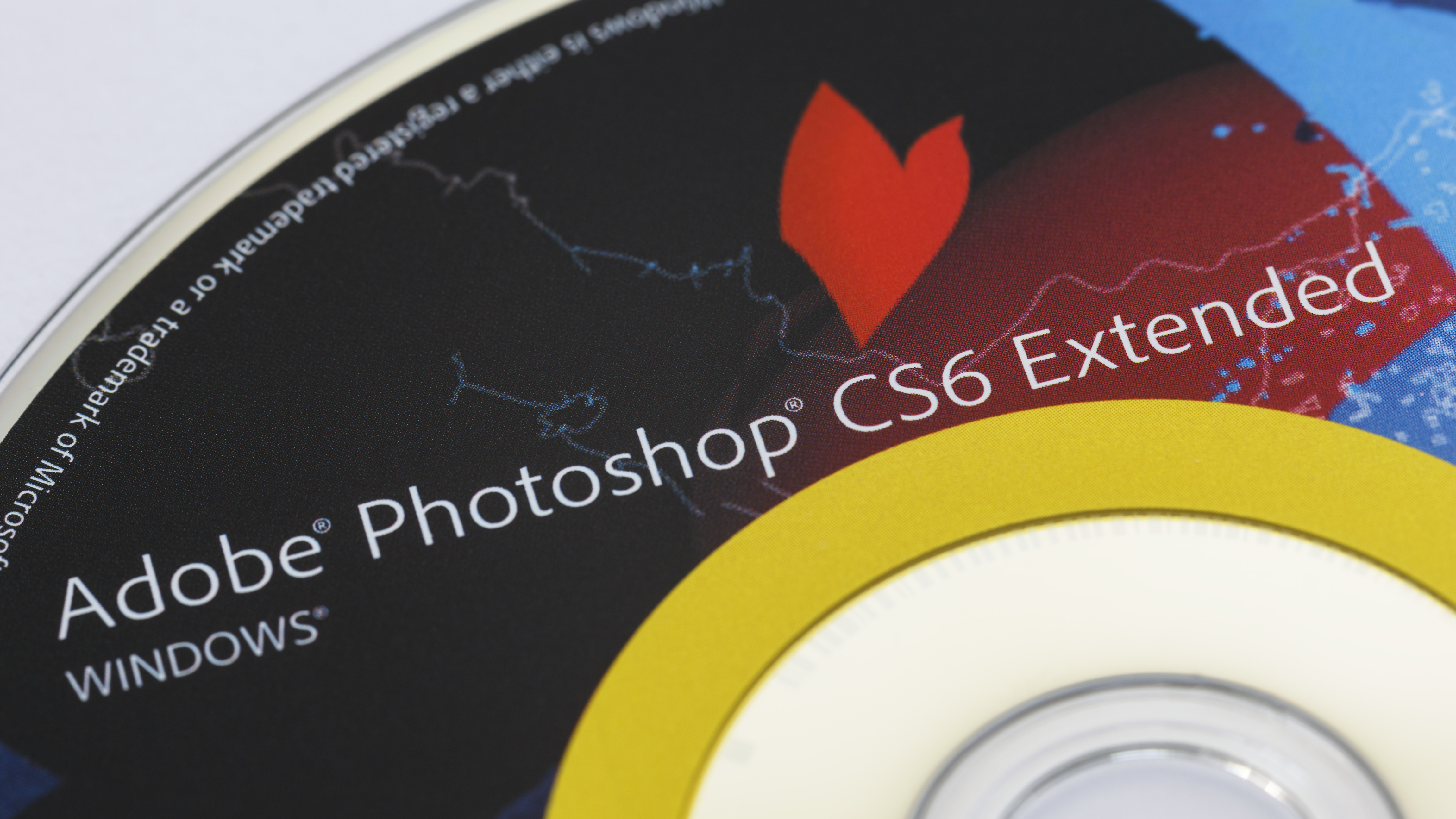
When you own a physical disk, you own the version of the software on that disk forever. It cannot be "updated away" or locked behind a server-side authentication wall. As we move toward a purely subscription-based existence, the industry loses a degree of autonomy. If a service goes offline or a subscription lapses, the tools of the trade effectively vanish.
2. Software as a Utility
We have reached a point where software is treated like electricity or water—a utility that must be paid for continuously to function. This has lowered the barrier to entry for many, as the upfront cost of $700+ for a perpetual license is no longer required. However, it has also created a permanent "rental" class of creatives who never truly own their primary tools.
3. The Future of Creative Tools
As we look toward the future—with Photoshop for Android, web-based versions, and AI-integrated workflows—the physical disk is an artifact of a bygone era. Yet, the nostalgia for the "physical" persists because it represents a time of simplicity. Today’s software is arguably more powerful than ever, but it is also more complex, more expensive, and more tethered to corporate infrastructure.
Conclusion
The realization that Photoshop was once a tangible, boxed product is a bridge between two different eras of creative work. While no one is genuinely arguing for a return to the days of 99-layer limits and floppy disk installations, the nostalgia for the "box" reflects a desire for stability and ownership in an increasingly fluid digital world.
As we continue to embrace the benefits of cloud-based, AI-driven design tools, it is worth pausing to appreciate the journey of the software that defined an industry. Whether it’s on a disc, in the cloud, or streamed via a browser, Photoshop remains the bedrock of visual communication. However, as the industry evolves, the conversation must continue to balance the benefits of innovation with the necessity of sustainable, user-friendly, and accessible business models.
For the next generation of designers, the "box" may be history, but the creative spirit that drove those early, disk-based innovators remains as vital as ever.
 Iffa Jayyana
  Sagoh
Sagoh 