
 By Nana Muazin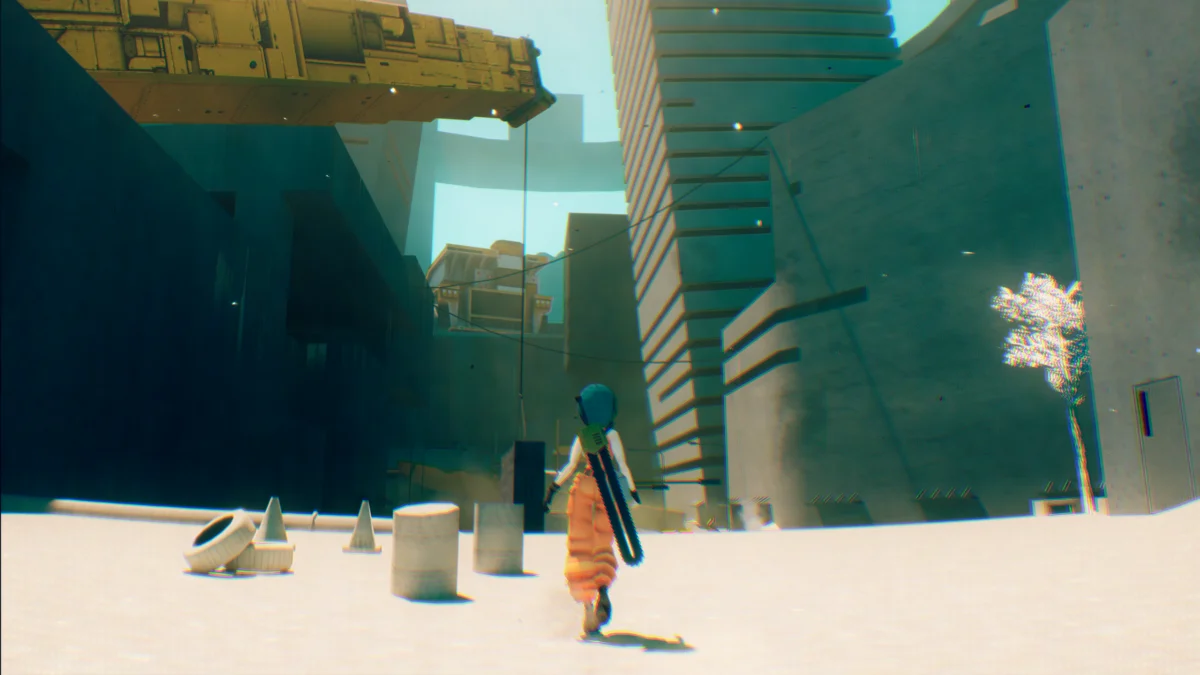
In the crowded landscape of 2024’s independent gaming scene, few titles have managed to carve out a visual identity as distinct and haunting as Motorslice. Developed by the two-person powerhouse, Regular Studio—comprising brothers Lucas and Luiz Bonatti—the game has emerged as a sleeper hit, captivating players with its blend of high-speed parkour, oppressive brutalist architecture, and a color palette that feels both nostalgic and refreshingly modern.
Motorslice is more than just a mechanical triumph; it is a masterclass in atmospheric world-building. By channeling the minimalist isolation found in Fumito Ueda’s Shadow of the Colossus, the navigational clarity of early Prince of Persia, and the overwhelming, claustrophobic scale of Tsutomu Nihei’s Blame!, the game forces players to engage with a world that feels both alien and tactile. We sat down with Lucas Bonatti to dissect the production of this indie gem and explore how a tiny team turned technical constraints into a defining aesthetic language.
A Vision of Desolation: The Artistic Spark
From the inception of the project, the Bonatti brothers operated with a singular, unyielding vision. While many indie developers chase the current trends of hyper-realism or retro-pixel art, Regular Studio leaned into a specific niche: a "colorful yet desolate" atmosphere.
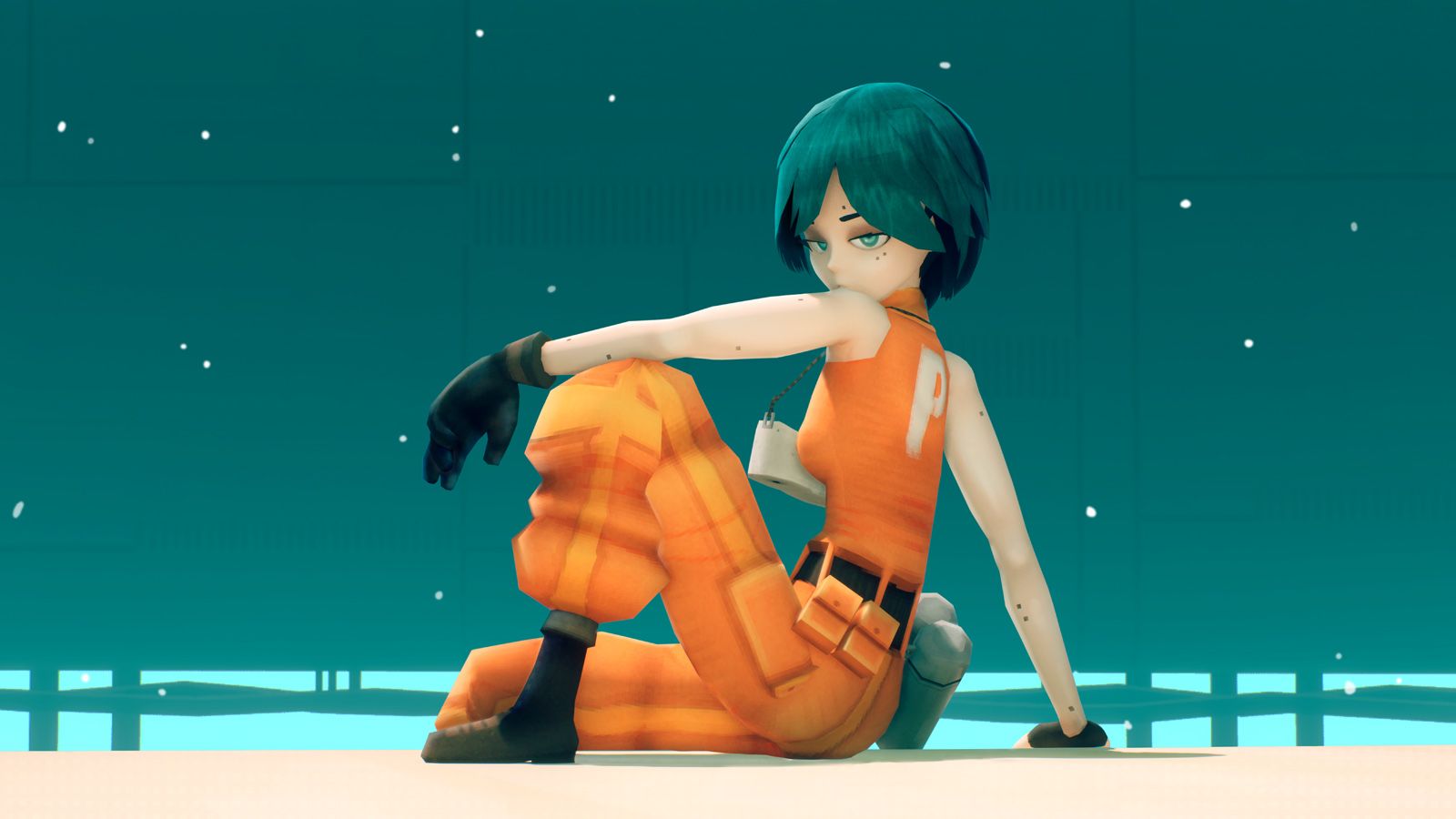
"Since the very beginning, we’ve had a strong vision on what we wanted the game to be," Lucas explains. "We wanted to make an atmospheric, deadly place, but not in the common sense of a gritty world. We wanted something that felt clean, sharp, and intentional."
This clarity of vision allowed the team to bypass the "feature creep" that often plagues larger productions. By deciding early on that the game would favor a stylized, high-contrast look, the team could focus their limited resources on creating a cohesive environment where every visual element serves a purpose—whether that purpose is gameplay guidance or narrative world-building.
Chronology of Construction: A Single, Interconnected World
Perhaps the most surprising revelation regarding the development of Motorslice is its architectural philosophy. Rather than utilizing a modular level-design approach common in modern gaming, Regular Studio opted to treat the entire game world as one continuous, physically connected space.
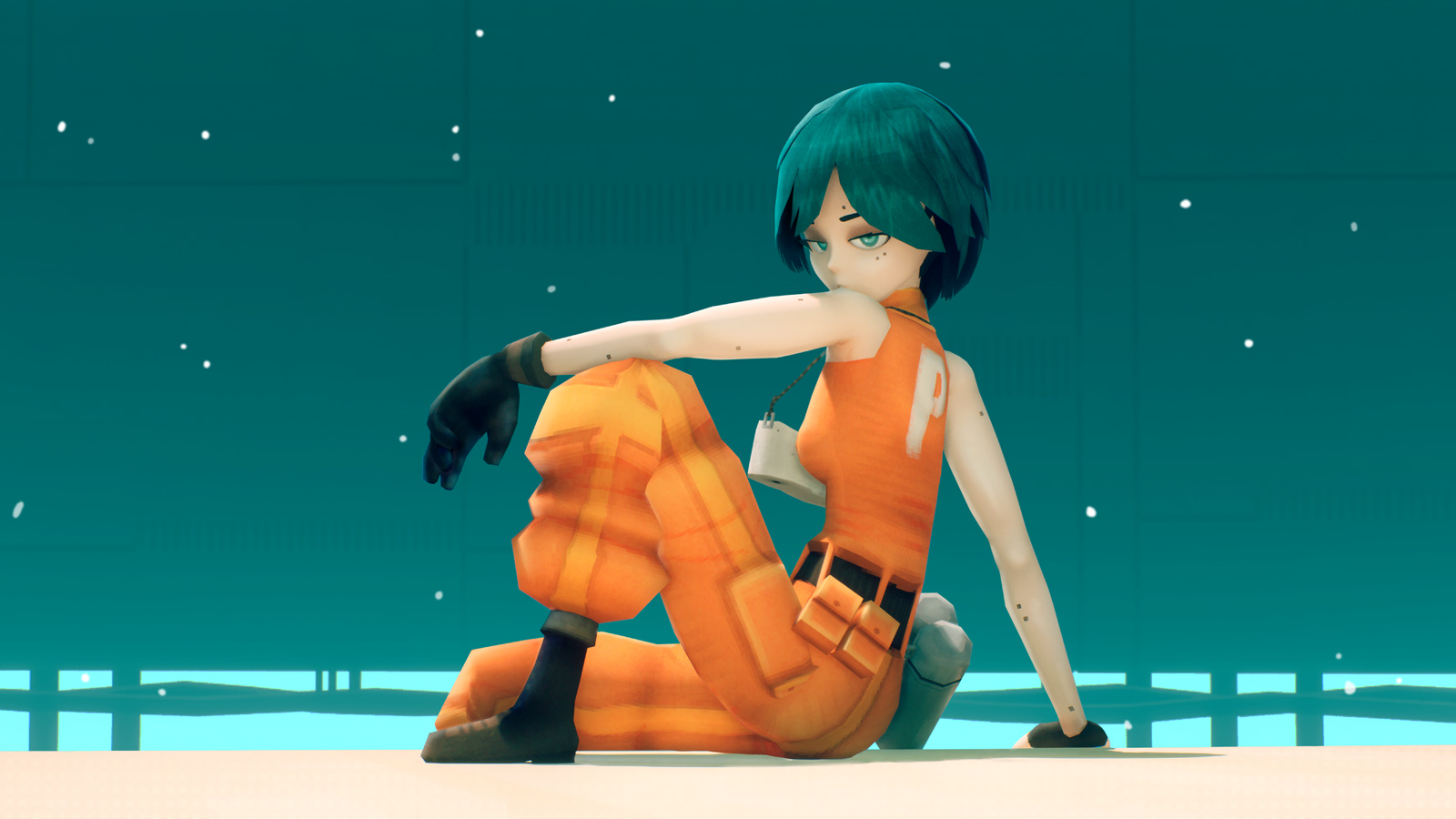
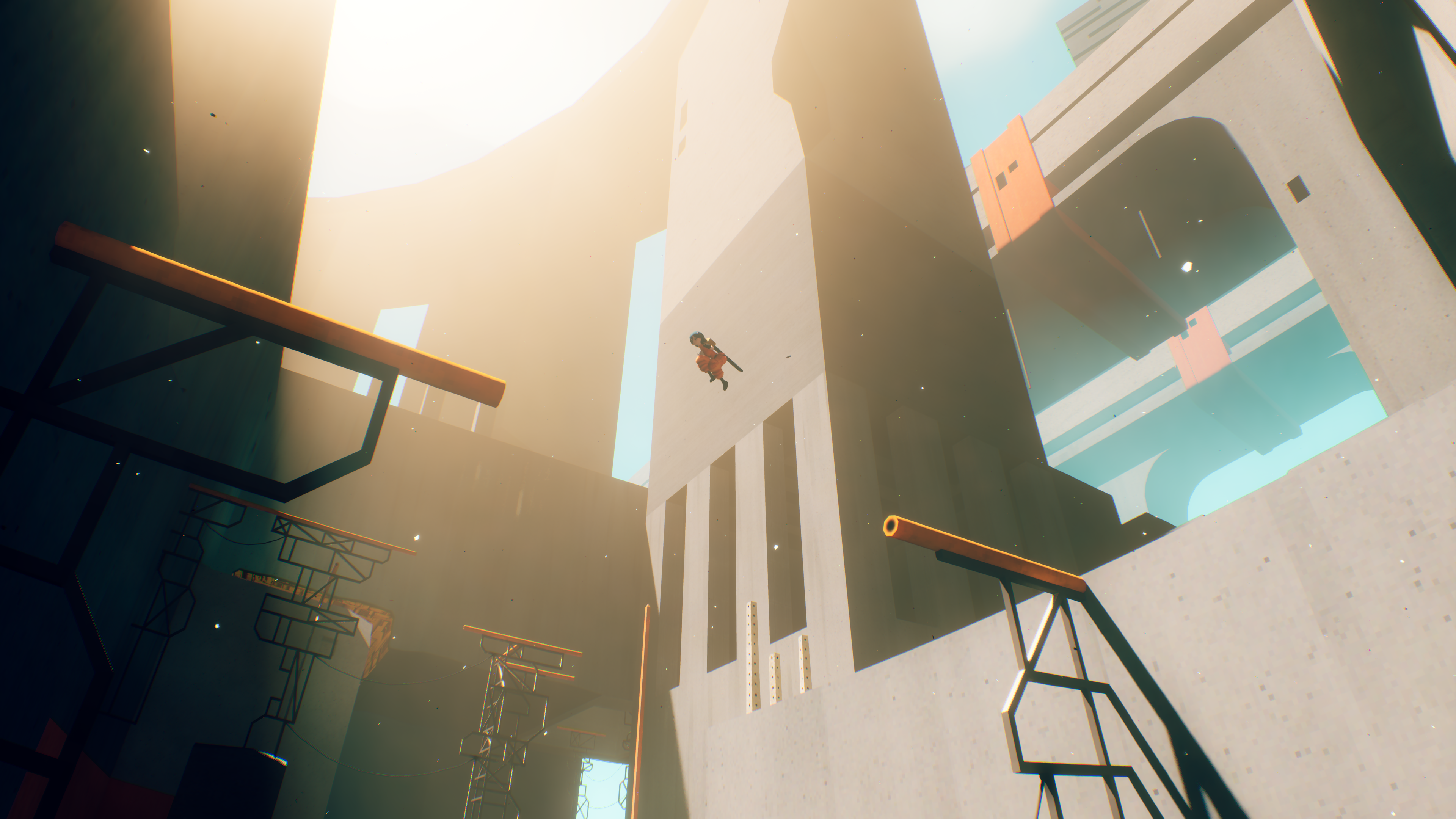
"Early on, we decided to make the world one big place," says Lucas. "This affected everything about the game. From how the game feels and plays, to how textures were made to all feel part of one big thing. We literally made a physically connected world, all handcrafted—every single window, every single dune."
This approach required a level of discipline rarely seen in small-scale development. By avoiding procedural generation, the team ensured that every piece of the environment felt deliberate. This "tactile" world-building creates a sense of place that resonates with players, who often report feeling the scale of the environment as they traverse the towering concrete monoliths.
The Brutalist Blueprint: Efficiency as Aesthetic
Brutalism, an architectural style characterized by massive, monolithic, and blocky appearances with a rigid geometric style, became the cornerstone of the game’s design. However, for the Bonatti brothers, this choice was as much about production necessity as it was about art direction.
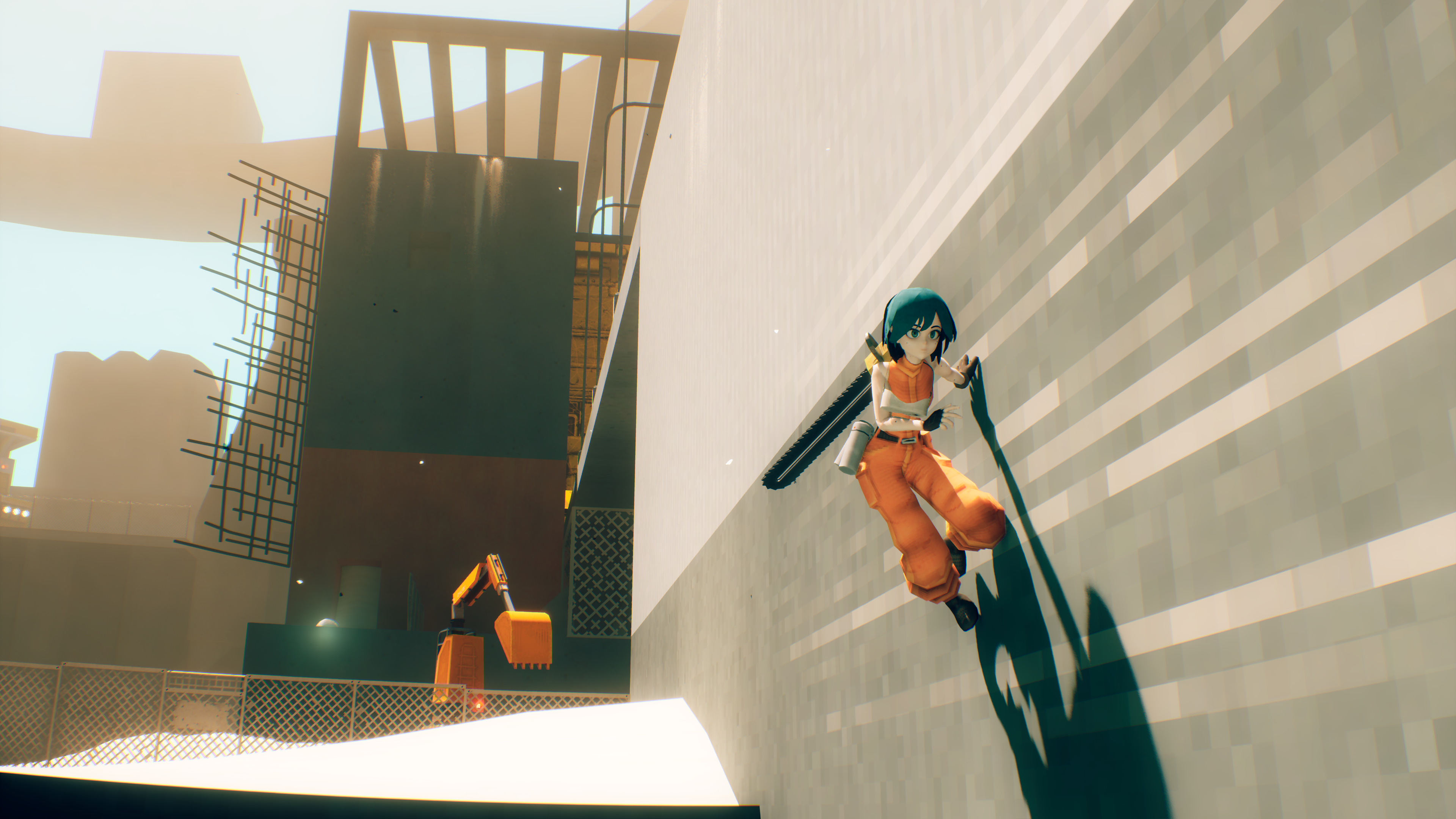
"Brutalism was chosen for multiple reasons, and one of them was our limitations as a tiny team," admits Lucas. "Because of the minimalist nature of this movement, it gave us a way to create beautiful vistas with very little. As a tiny team, this is crucial."
This philosophy extended to the game’s enemies. The machines that populate the world—intimidating, mechanical constructions—were designed to be visually distinct yet technically simple to render. By aligning the narrative—a story about a character navigating a world of massive, hostile construction equipment—with the aesthetic, the developers turned their technical constraints into the game’s core identity.
Balancing Chaos and Clarity
One of the most significant challenges in high-speed action games is "readability"—the player’s ability to understand where they are going and what they are interacting with while moving at breakneck speeds.
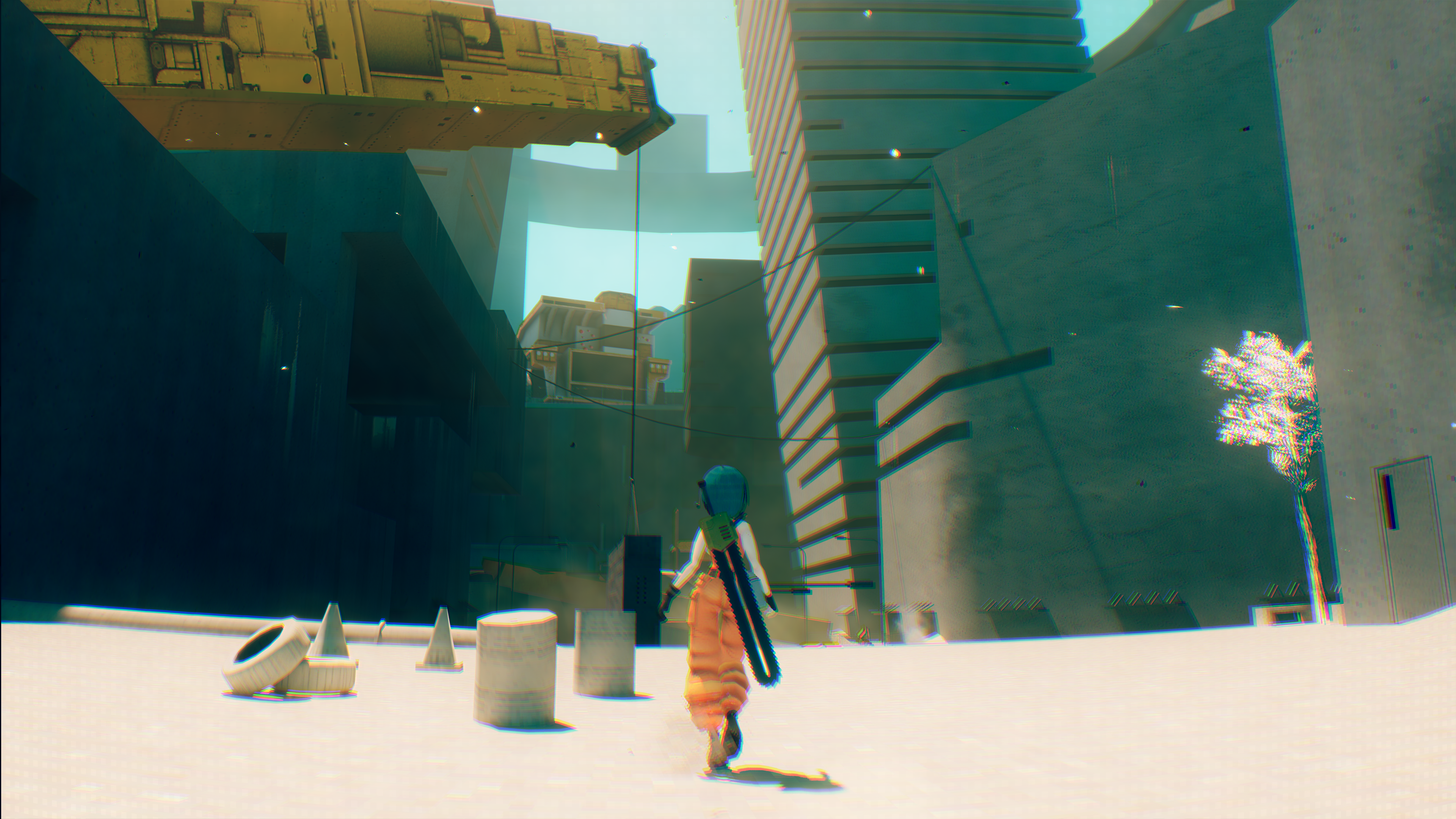
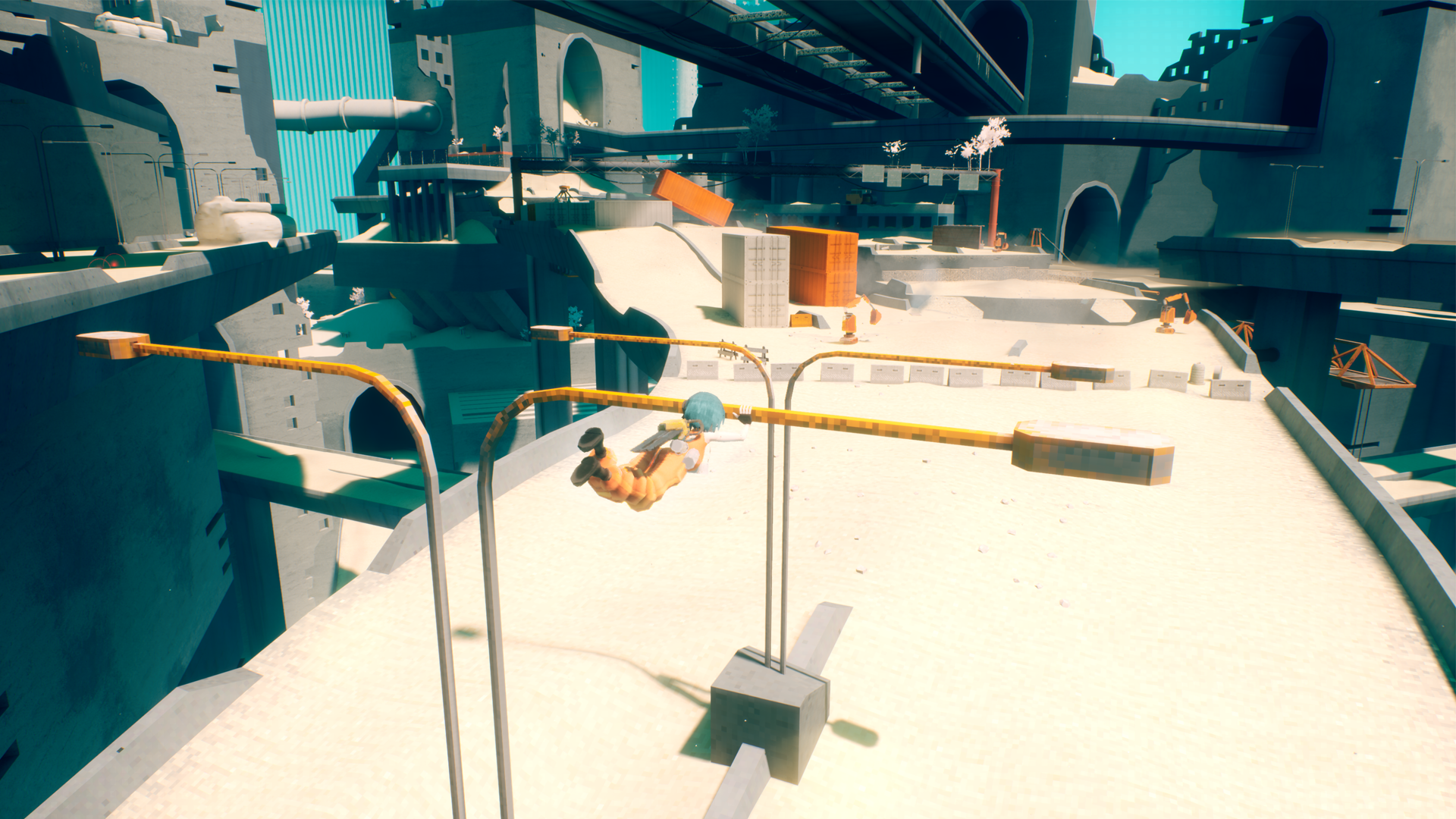
In Motorslice, the answer lay in a strict, rule-based art direction. The team utilized high-visibility motifs, such as yellow hazard markings borrowed from heavy industrial machinery, to guide the player’s eye.
"Motorslice uses the yellow color from heavy machinery as a motif for the world design," Lucas notes. "This is the major key element for readability, but there are other elements as well, such as shapes, vistas, and environmental cues to make things clear." By keeping the color palette limited and the silhouettes strong, the game manages to maintain a sense of visual chaos without ever becoming frustrating for the player.
The Role of Technology: Unreal Engine 5 and Lumen
While the game carries the aesthetic soul of the PS2 and PS3 eras, its technical backbone is firmly rooted in modern technology. The team utilized Unreal Engine 5, specifically the Lumen global illumination system, to achieve the game’s unique lighting effects.
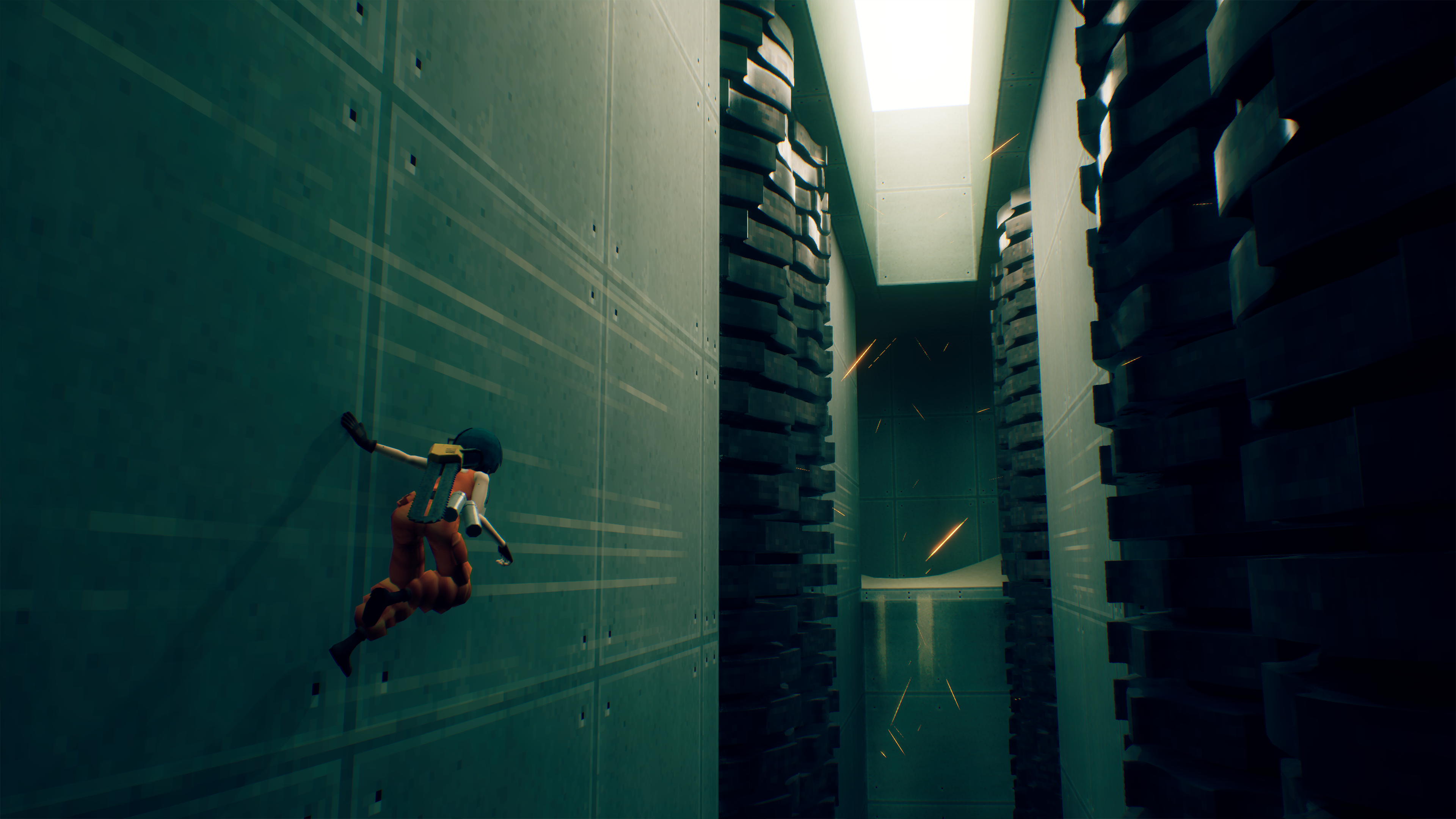
"The game was built with Lumen in mind," says Lucas. "The visual style is only possible because of this tech. The soft shadows, the subtle color palettes, the gradient darkness—all of this was used to create the visual fidelity."
This creates a fascinating juxtaposition: a "low-poly, low-fidelity" visual style illuminated by the most advanced real-time lighting technology available. The result is a game that feels timeless, avoiding the "uncanny valley" of photorealism while still providing the atmospheric depth required for a modern, immersive experience.
Implications for the Indie Sector
The success of Motorslice offers a compelling lesson for the independent development community: constraint is a catalyst for innovation. By refusing to chase photorealism, by hand-crafting their environments, and by adhering to a strict, cohesive vision from day one, Regular Studio managed to ship a product that feels far larger than its two-person development team would suggest.
The studio’s refusal to use procedural tools, despite the temptation of time-saving software, serves as a testament to the value of human touch in game design. "I might be insane; who knows," Lucas jokes when asked about the manual labor involved. But looking at the final result—a world that feels intentionally crafted and deeply grounded—it is clear that the "insanity" paid off.
Final Reflections
Looking back on the three-year development cycle, Lucas is remarkably content with the final output. While there were minor difficulties along the way, the team managed to avoid the common pitfall of discarding massive amounts of content.
"I don’t think I would change anything," Lucas reflects. "We did our best with what we had, and we barely discarded anything. This is huge for a tiny team."
As Motorslice continues to climb the ranks of 2024’s most notable indie titles, it serves as a beacon for aspiring developers. It proves that you do not need a massive budget, a sprawling team, or the latest hardware to build something truly memorable. You simply need a clear, unwavering vision and the courage to build your world one stone, one window, and one yellow marking at a time.
For those looking to explore the brutalist, sun-drenched, and high-speed world of Motorslice, the game stands as a modern testament to the power of design-led development. Regular Studio has not just created a game; they have created a space, and it is a space that players will be exploring for years to come.
 Basiran
  Sagoh
Sagoh  Laily UPN