
 By Basiran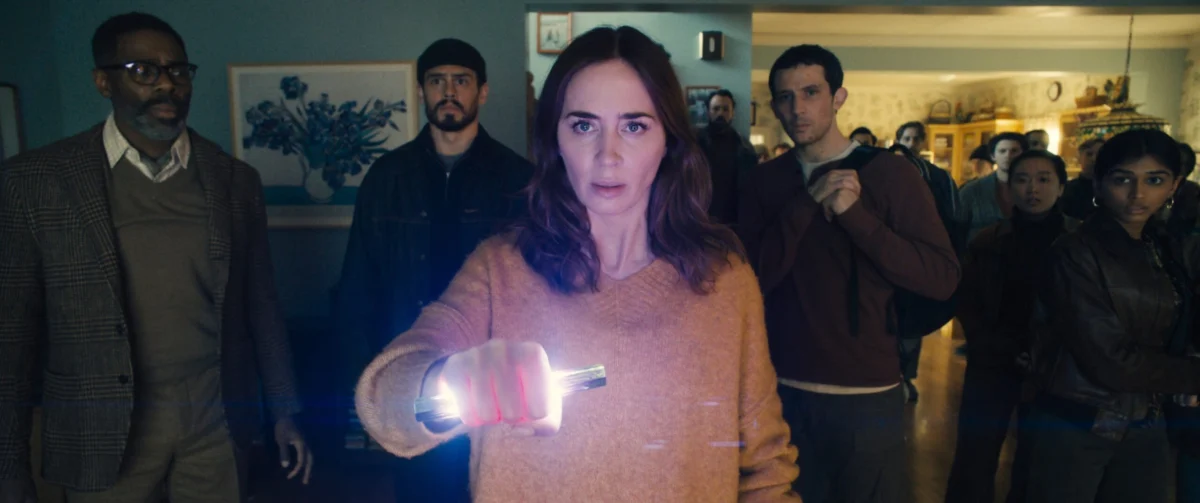
The Enduring Partnership: Half a Century of Cinematic Magic
In the annals of Hollywood history, few creative pairings have achieved the resonance and longevity of John Williams and Steven Spielberg. For over five decades, their collaborative efforts have defined the sonic landscape of modern cinema, from the tension-filled chords of Jaws to the sweeping, adventurous brass of Indiana Jones. With the release of Disclosure Day, the legendary duo has hit a historic milestone: their 30th film collaboration.
The journey began in 1974 with The Sugarland Express, a gritty, character-driven debut for Spielberg that signaled the arrival of a generational talent. Today, as Williams, now 94, navigates the complexities of age and health, Disclosure Day serves as a poignant reminder of their unbreakable bond. While speculation has swirled that this score might represent the final act of a storied career, the reality of the sessions—characterized by mutual respect, meticulous artistry, and a touch of the "magic" that has defined their work for 50 years—suggests that the creative spark remains as bright as ever.
A Chronology of Creation: A Six-Month Masterpiece
Unlike the frantic, high-pressure environments that characterize most major studio productions, the creation of the Disclosure Day score was a deliberate, protected process. Recognizing the need to accommodate the 94-year-old maestro’s health and desire for perfection, Spielberg orchestrated a unique production schedule.
The Recording Schedule
- September 11, 2025: The first recording session took place at the newly christened "John Williams Music Building" at Sony Studios. An ensemble of 96 players gathered to begin the process.
- Autumn 2025: Two sessions in October and two in December focused on building the thematic architecture of the film.
- December 19, 2025: A 30-voice female choir was integrated into the sessions, an unusual choice as they recorded simultaneously with the orchestra to capture a more organic, unified sound.
- Winter 2026: A session in January and the final recording on February 20, 2026, brought the total recording time to over two hours and 20 minutes of original music.
By spacing these sessions out over six months, Spielberg granted Williams the luxury of time—a rarity in contemporary film. This allowed the score to evolve, breathe, and mature alongside the film’s final edit. Musicians involved in the project described a man in "amazing spirits," deeply focused on the rhythmic nuances and subtle textures that have become the hallmarks of the Williams style.
Orchestral Precision and Artistic Choices
The soundscape for Disclosure Day is, by all accounts, a masterful display of restraint. Eschewing the wall-to-wall bombast of modern blockbuster scoring, Williams opted for a more sophisticated, contemplative approach.
Instrumentation and Technique
The ensemble utilized for Disclosure Day was a traditional symphonic setup, yet it was peppered with Williams’ signature flourishes. Notably, a particularly dark, atmospheric cue required four bassoons, adding a subterranean weight to the film’s tense governmental scenes. The keyboard section was expanded to include not only piano and celeste but also synthesizers, reflecting a modern edge.
While credits list William Ross and Randy Kerber as orchestrators, insiders emphasize that Williams maintained absolute control over the composition. He conducted the sessions with precision, often standing to guide the musicians, stepping in only for the occasional "adaptation" to match final film revisions.
The Role of the Choir
The decision to include a 30-voice female choir—divided evenly between sopranos and altos—provided an ethereal, haunting quality to the score. Soloist Holly Sedillos was selected after a rigorous audition process that included children and vocal professionals. Her voice serves as a thematic anchor, appearing subtly throughout the film before taking center stage during the end credits. By recording the choir and orchestra in the same room, Williams bypassed the clinical sterility of digital layering, ensuring a cohesive, live-performance atmosphere that is increasingly rare in the industry.
Official Perspectives and Behind-the-Scenes Insights
Though Williams has stepped back from the press circuit to focus entirely on his writing, and Spielberg remains notoriously private, the echoes of their collaboration are captured in the testimonies of those who occupied the studio floor.
"He was very acutely aware of rhythmic flaws and nuances, and sometimes obsessed a little," one musician noted, reflecting on the composer’s legendary attention to detail. "Spielberg was delighted with everything."
Perhaps the most revealing aspect of the production was the collaborative feedback loop. In one instance, Spielberg offered a musical suggestion regarding a specific sequence. Instead of dismissing it, Williams experimented with the idea, and the resulting change made it into the final film. This moment of mutual creative trust underscored why their partnership has lasted for 30 films.
Mike Knobloch, president of NBC-Universal Music and Publishing, lauded the result: "This legendary composer, the godfather of modern film scoring, did what we hoped he would do… It’s a character in the movie—exhilarating, scary, poetic."
Implications: The Future of a Maestro
The question of whether Disclosure Day marks the swan song of John Williams remains the most discussed topic in film music circles. Three years ago, following the completion of The Fabelmans, Williams hinted that his retirement was imminent. He even reportedly suggested four other composers to Spielberg to ensure the director’s future projects would be in capable hands.
However, the "magical" nature of the Disclosure Day sessions tells a different story. At the conclusion of the final session, amidst champagne and cake, Spielberg reportedly pitched an idea for his next feature. According to those present, Williams simply said "yes."
A Legacy Untouched
Whether or not there is a 31st film, the statistics of Williams’ career are staggering:
- Theatrical Scores: 105
- Oscar Nominations: 54 (with 5 wins)
- Grammy Nominations: 76 (with 27 wins)
His influence extends far beyond the screen, as evidenced by the recent debut of his concert work "Bravo Gustavo" by the Los Angeles Philharmonic. Yet, it is his work with Spielberg that remains the primary window through which the world understands his creative soul.
The score for Disclosure Day acts as a bridge between his past and present. References to the eerie string passages of Close Encounters of the Third Kind suggest a master looking back at his own evolution, while the fast-paced, propulsive cues required for the film’s chase sequences prove that his technical prowess remains sharp.
As the industry looks toward a future without the man who defined the sound of the 20th and 21st centuries, the sentiment from his associates is clear: "So long as he’s able, he’ll do the next movie." For now, the world can simply enjoy the 30th chapter of a conversation between two legends, a dialogue that has enriched the lives of millions and redefined the emotional power of the silver screen. In the quiet, restrained notes of Disclosure Day, we find not an end, but the continued, poetic output of a man who still hears the music of the future.
 Lina Irawan
  Nana
Nana  Muslim