
 By Siti Muinah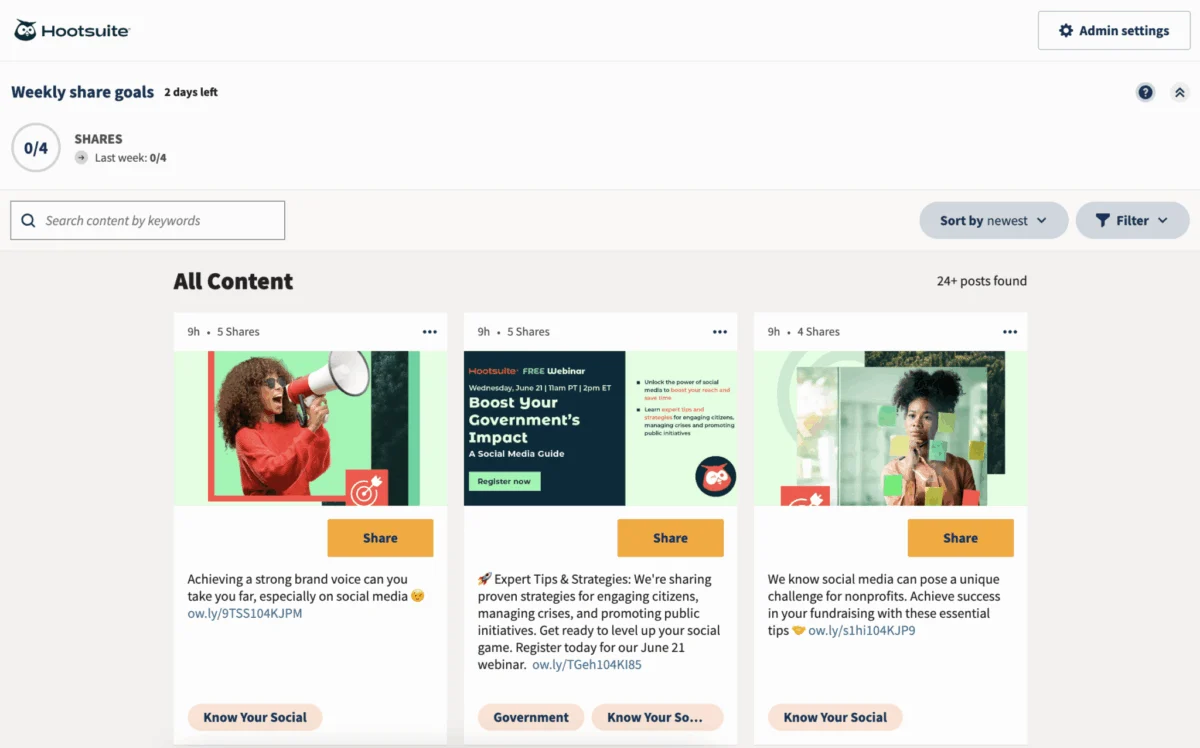
In the modern digital landscape, a corporate social media post that garners a thousand likes may provide a momentary boost to brand ego, but savvy executives are increasingly asking a more difficult question: How does this affect the bottom line? As organic reach for brand pages continues to decline across platforms like LinkedIn and X (formerly Twitter), organizations are turning to their most valuable asset—their employees—to bridge the gap. However, the transition from "informal sharing" to a "structured advocacy program" requires more than just enthusiasm; it requires a rigorous, data-driven approach to measurement.
Measuring employee advocacy success is the process of evaluating a program’s business impact through specific Key Performance Indicators (KPIs). By tracking reach, engagement, lead generation, and recruitment savings, organizations can transform "fluffy" social metrics into hard evidence of Return on Investment (ROI).
Main Facts: The Shift from Brand to Human-Centric Marketing
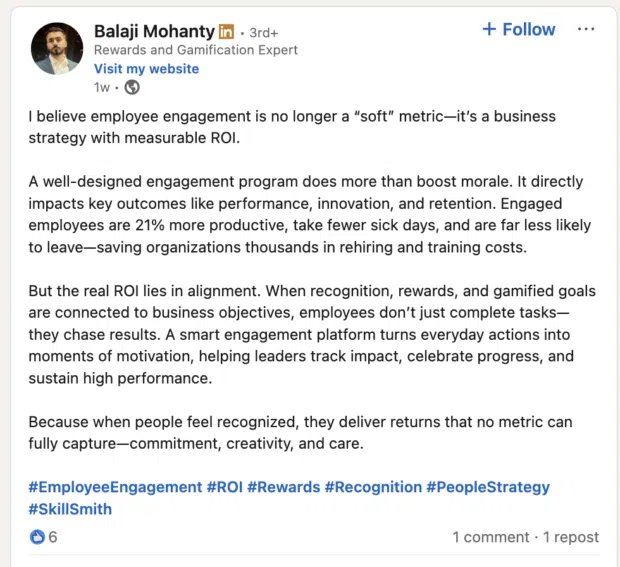
The fundamental premise of employee advocacy is rooted in trust. Industry data consistently shows that audiences are significantly more likely to trust a technical expert or a peer over a corporate CEO or a brand logo. According to LinkedIn, content shared by employees receives, on average, double the click-through rate (CTR) of the same content shared by a brand channel.

The core objective of measuring these programs is to prove that advocacy is not merely a "nice-to-have" social media tactic but a repeatable growth engine. A successful measurement framework tracks seven primary categories:
- Awareness and Reach: The expansion of the brand’s digital footprint.
- Engagement: The depth of interaction and sentiment.
- Recruiting: The impact on talent acquisition and employer branding.
- Sales and Lead Generation: Direct and indirect revenue influence.
- Employee Participation: The internal health and adoption of the program.
- Cultural Impact: The effect on employee morale and thought leadership.
- Employee Retention: The correlation between advocacy and long-term loyalty.
The Chronology of a High-Impact Advocacy Program
To understand how to measure success, one must first understand the lifecycle of a maturing advocacy initiative. Measurement looks different at each stage of the journey.
Phase 1: The Foundation and Alignment (Months 1–3)
In the initial stage, the focus is on Adoption and Participation Rates. Before a company can measure ROI, it must measure "Buy-in." Success at this stage is defined by how many employees have signed up for the platform (e.g., Hootsuite Amplify) and how frequently they are sharing. Benchmarking begins here, often comparing internal performance against historical brand-only metrics.

Phase 2: The Engagement Surge (Months 3–9)
Once a critical mass of employees is active, the focus shifts to Content Resonance. Organizations begin analyzing which types of content—be it company news, industry thought leadership, or "behind-the-scenes" culture posts—generate the most engagement. This is the period where UTM (Urchin Tracking Module) parameters become essential, allowing marketers to see exactly which shares are driving traffic back to the corporate website.
Phase 3: The ROI Proof Point (Year 1 and Beyond)
In the mature stage, the program is integrated with the company’s CRM (Customer Relationship Management) and ATS (Applicant Tracking System). At this point, the organization can move beyond "likes" and "shares" to calculate Earned Media Value (EMV) and Cost-Per-Hire savings. This is where the advocacy program proves its worth during budget season by showing a direct line to revenue and cost reduction.
Supporting Data: KPIs that Drive Business Decisions
To move from qualitative "feel-good" stories to quantitative business reports, organizations must master several data points.
The Power of Amplified Reach
When a brand with 10,000 followers shares a post, its reach is limited by the platform’s algorithm, which often throttles corporate content. However, if 100 employees with an average of 500 connections each share that same post, the potential reach is 50,000. More importantly, this reach is "qualified," as employees tend to be connected to peers, prospects, and industry colleagues.
Sales and Revenue Attribution
The ultimate metric for many organizations is pipeline influence. By using tagged links, companies can track:
- Site Traffic: The volume of visitors originating from employee social feeds.
- Conversion Rates: How many of those visitors sign up for newsletters, download whitepapers, or request demos.
- Sales Quota Impact: LinkedIn research suggests that sales representatives who are active social sharers are 45% more likely to exceed their sales quotas compared to their non-sharing peers.
Recruitment and Retention Savings
The "War for Talent" is an expensive one. Employee advocacy serves as a powerful recruitment tool by humanizing the workplace.
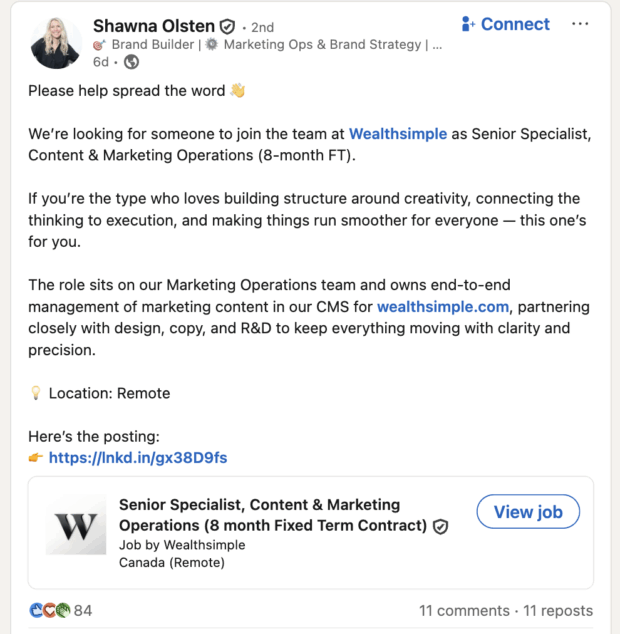
- Applicant Quality: Candidates who apply through an employee’s social post often have a better understanding of the company culture, leading to higher-quality hires.
- Time-to-Hire: A robust advocacy program can reduce the time spent on sourcing candidates, as the "referral-like" nature of social sharing speeds up the trust-building process.
- Retention Correlation: There is a measurable link between advocacy and loyalty. Employees who are proud to advocate for their company are less likely to seek external opportunities, saving the company thousands in turnover costs and recruitment fees.
Official Responses and Expert Perspectives
Industry leaders emphasize that measurement is not just for the marketing department; it is a tool for employee empowerment.
Victoria Samways, Marketing & Brand Manager at Major Tom, provides a compelling case study on the efficacy of tracking. By utilizing UTM links in a single campaign, Major Tom was able to attribute over $100,000 in their sales pipeline directly to employee advocacy. "This resulted in a higher-than-average win rate due to the referral-like context of these leads," Samways noted.
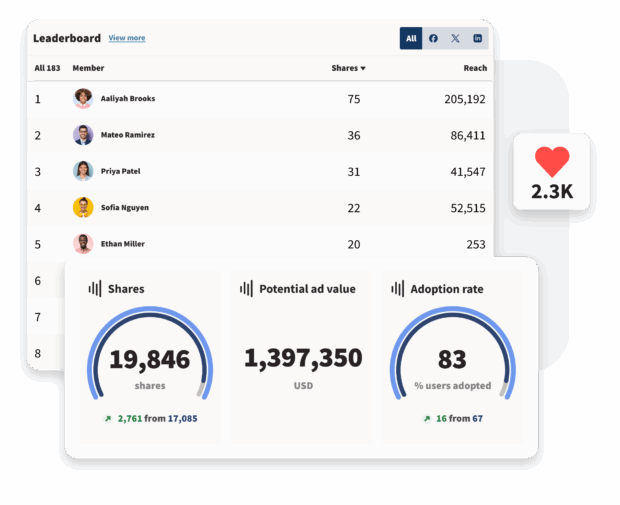
Samways also highlights that measurement acts as a participation lever. When employees see the impact of their own sharing—such as being recognized on an internal leaderboard or seeing their thought leadership grow—they are more likely to remain active.
The ROI Formula:
To provide a standardized report to the C-suite, many organizations use the following formula:
ROI (%) = [(Total Value Generated – Total Program Costs) ÷ Total Program Costs] × 100
"Total Value" includes the dollar equivalent of ad spend saved (Earned Media Value), recruitment fees avoided, and direct revenue from attributed leads.
Implications: The Future of Brand Authority
The implications of these findings are clear: organizations that fail to measure and optimize their employee advocacy programs are leaving significant revenue and brand equity on the table.
1. The Decline of Traditional Paid Media
As privacy regulations tighten and ad-blocking software becomes more prevalent, traditional digital advertising is seeing diminishing returns. Employee advocacy offers a "permission-based" alternative that bypasses ad-fatigue by delivering messages through trusted personal networks.
2. The Gamification of Professional Growth
The rise of platforms like Hootsuite Amplify allows companies to gamify the experience. By using leaderboards and rewards, companies are not just "asking for a favor" from employees; they are helping those employees build their personal brands. This creates a symbiotic relationship where the employee gains professional stature and the company gains market reach.

3. The Necessity of Technical Integration
For a program to be successful, it must be frictionless. "Repeated issues, like social profiles disconnecting, can erode the trust and ease of using the platform," says Samways. The implication for IT and Marketing departments is that the choice of technology is just as important as the content strategy. Tools must be intuitive, mobile-friendly, and integrated with existing analytics stacks (Google Analytics 4, CRM, etc.) to ensure data integrity.
4. Cultural Authenticity as a Competitive Advantage
Finally, the data suggests that advocacy cannot be forced. Measurement reveals a hard truth: if employees aren’t sharing, it is often a symptom of a deeper cultural issue rather than a lack of "social media training." Authentic advocacy is a reflection of a healthy workplace. Therefore, the metrics of an advocacy program serve as a "canary in the coal mine" for overall employee engagement and corporate health.
Conclusion
Measuring employee advocacy is the difference between a vanity project and a strategic business function. By focusing on KPIs that align with broader corporate goals—revenue, talent, and brand authority—organizations can turn their workforce into their most effective marketing channel. As the digital space becomes increasingly crowded, the "human layer" provided by employees is no longer optional; it is the primary way brands will maintain relevance and trust in the years to come.
 Nila Kartika Wati
  Ammar Sabilarrohman
  Asep Darmawan