
 By Sagoh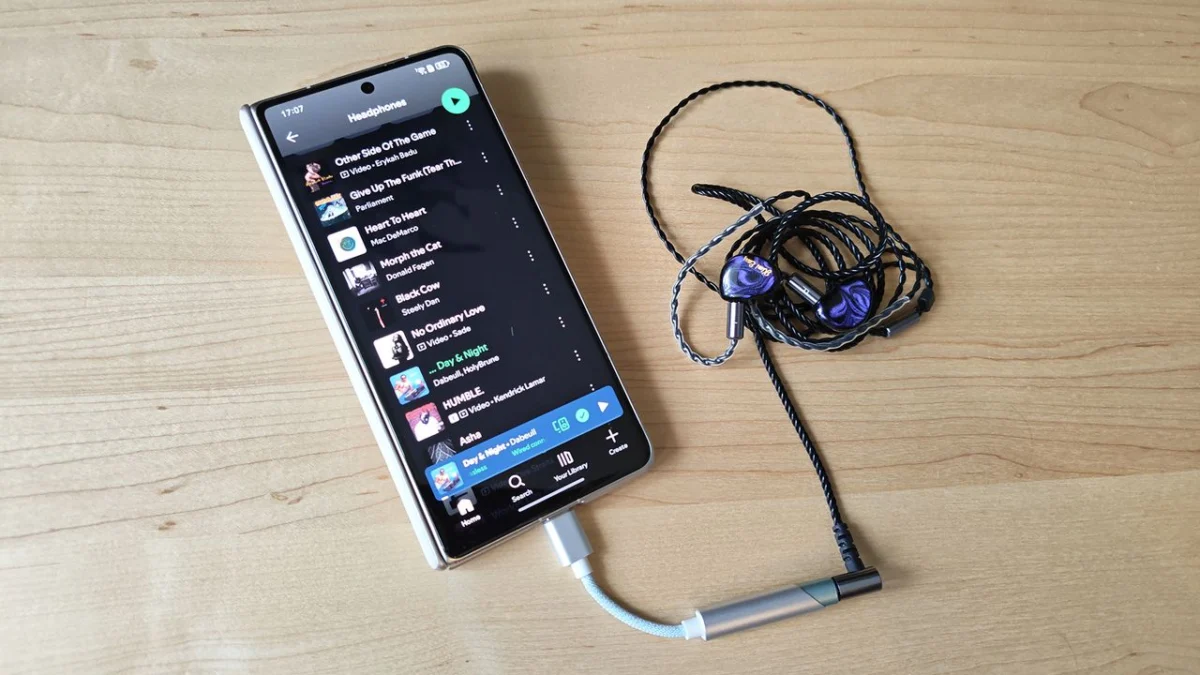
For the past eleven months, I have been on a personal mission to dismantle the gatekeeping surrounding the audiophile community. It is a hobby often shrouded in mysticism, burdened by an impenetrable lexicon of jargon, and exploited by an industry all too happy to peddle "audio-grade quartz rocks" and gold-plated cables that offer more placebo effect than sonic improvement.
Yet, despite this reputation, there has never been a better time to be an enthusiast. We are currently witnessing a "democratization of fidelity," where the barrier to entry has dropped from thousands of dollars to the price of a takeout meal. By shifting the focus from mystical components to the science of acoustic tuning, we are finally seeing a world where high-fidelity audio is accessible to everyone.
The State of Play: Main Facts
The core tenet of modern audio appreciation is simple: tuning is king. For decades, the "audiophile" label was reserved for those who spent small fortunes on massive amplifiers and exotic, proprietary cabling. The industry encouraged this, creating a culture where perceived value was tied to price tags rather than performance.
However, the rise of the In-Ear Monitor (IEM) market—led by manufacturers utilizing advanced digital signal processing and precision manufacturing—has flipped the script. Today, you can purchase a pair of IEMs for under $30 that objectively outperform headphones costing ten times as much from a decade ago.
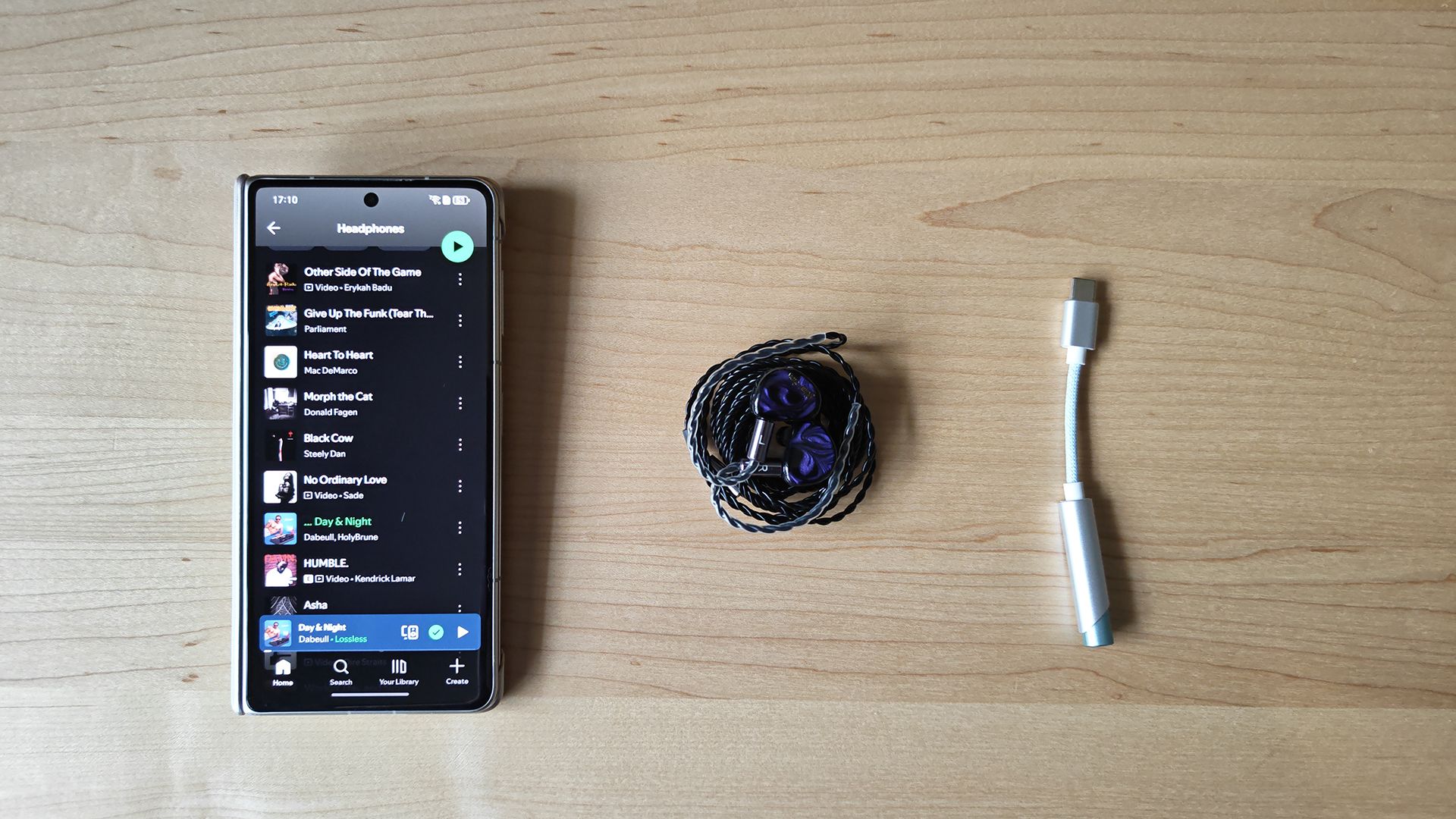
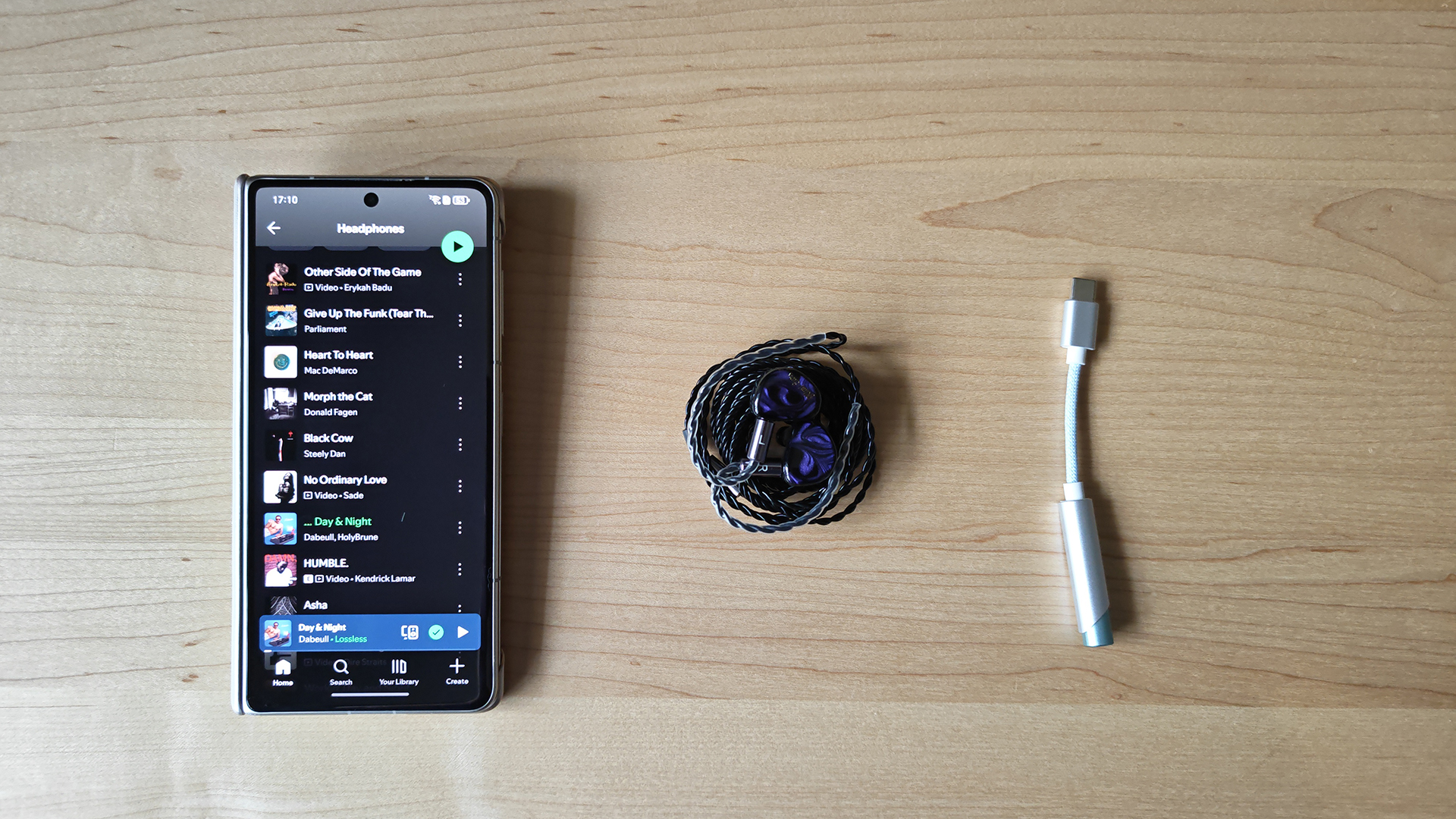
The primary requirement for this journey is not a dedicated listening room or a five-figure DAC (Digital-to-Analog Converter). It is merely a source of high-quality audio files or lossless streaming, a simple adapter, and a pair of well-engineered transducers.
A Brief Chronology of the Audio Shift
To understand how we arrived at this point, we must look at the evolution of the listening experience:
- The Era of Compromise (2000–2010): The dominance of the MP3 format and cheap, bundled earbuds led to a decline in audio standards. Convenience trumped quality, and the "audiophile" became a niche, almost elitist hobbyist obsessed with vinyl and vacuum tubes.
- The Rise of the Enthusiast (2010–2018): As streaming services began offering higher bitrates, a community of "Chi-Fi" (Chinese Hi-Fi) manufacturers emerged. They began reverse-engineering high-end driver technologies, bringing balanced armatures and complex dynamic drivers to the masses.
- The Tuning Revolution (2019–Present): With the introduction of standardized frequency response targets (like the Harman Curve), manufacturers began to prioritize "tuning"—the deliberate shaping of a headphone’s frequency response—over sheer hardware specs. This allowed budget IEMs to replicate the sound profiles of legendary, high-end monitoring gear.
Supporting Data: The Science of Sound
The most significant piece of evidence for this shift comes from a landmark 2014 study by audio engineering legend Sean Olive and his team at Harman International. The study tested five pairs of headphones with vastly different price points and physical builds. When the researchers tuned these headphones to identical frequency response targets, even trained industry professionals were unable to distinguish between them in a blind test.
This data point is transformative. It proves that the "essence" of a headphone—the part that triggers an emotional response to music—is almost entirely determined by how the manufacturer engineers the frequency response. Exotic materials and boutique cables are secondary, if not entirely irrelevant, to the actual experience of hearing your favorite tracks with clarity, separation, and depth.
The Entry-Level Arsenal
If you are looking to begin your own journey, the barrier to entry is remarkably low. Here are the tools of the trade:
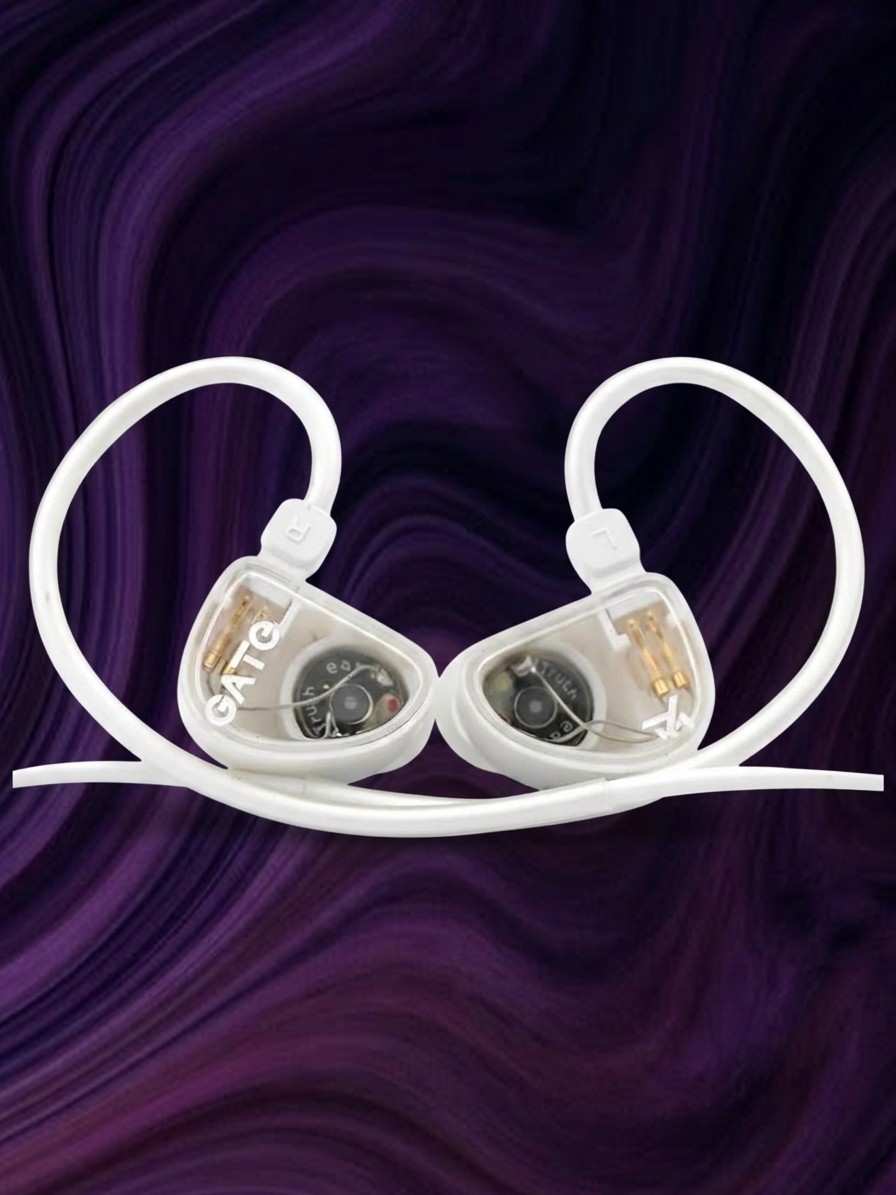
1. Truthear Gate ($22)
Released in 2024, the Truthear Gate has become the quintessential "starter" IEM. It offers a neutral, slightly bright sound signature with a punchy bass boost. It is a crowd-pleaser that provides a level of detail usually reserved for mid-range monitors. While the plastic build is functional rather than premium, the sound quality is undeniable.
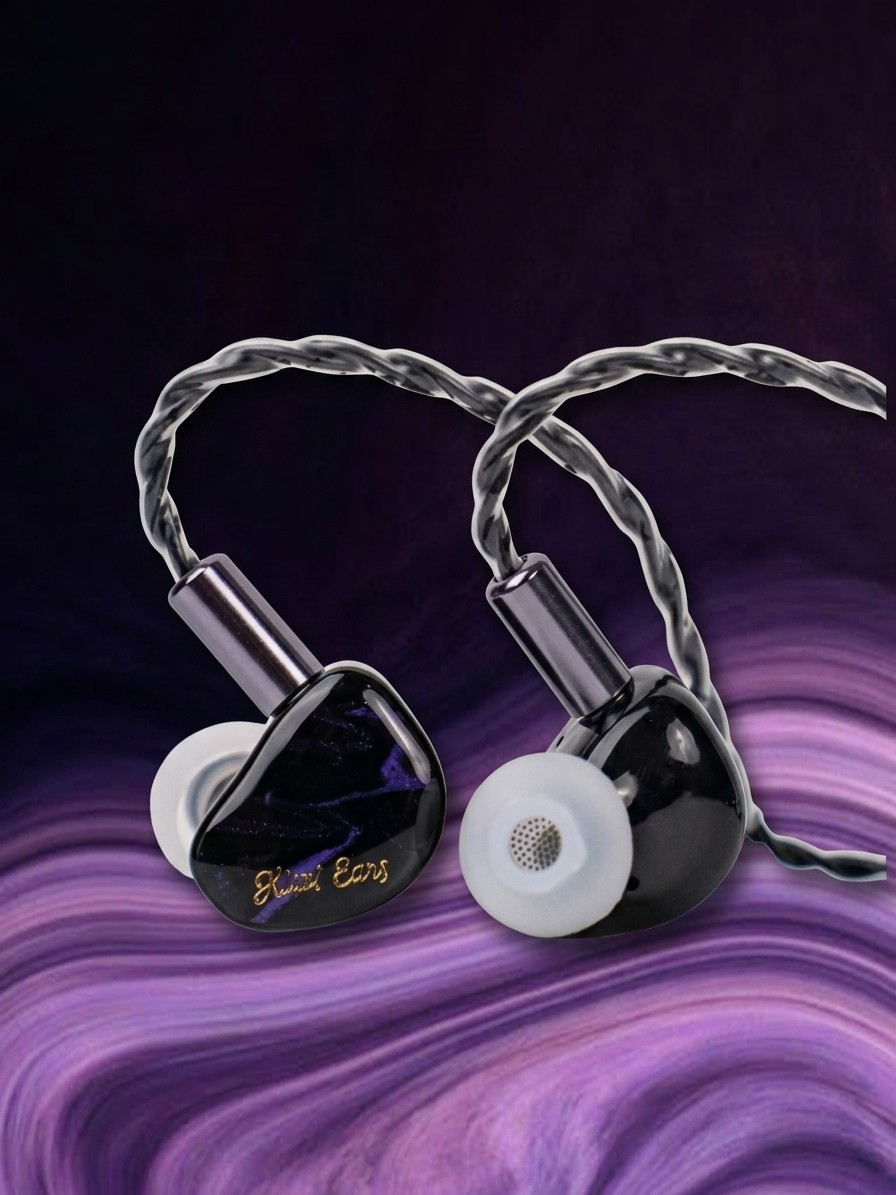
2. Kiwi Ears Cadenza ($35)
For those who prefer a more "fun," dynamic sound, the Cadenza is the gold standard. It features a "V-shaped" signature, which emphasizes bass and treble. However, unlike consumer-grade headphones that muddy the sound, the Cadenza retains incredible midrange clarity. It is the perfect choice for someone transitioning from standard earbuds who wants to hear the "texture" of the music.
3. Moondrop LAN ($40)
The LAN is effectively the "grown-up" version of the budget tier. It features a robust metal shell and a more laid-back, neutral tuning. If the Gate feels too "sparkly" or aggressive, the LAN provides a clean, clear, and professional sound profile that excels in long, fatigue-free listening sessions.
4. The Apple Dongle ($9)
Modern smartphones have largely abandoned the 3.5mm headphone jack, which acts as a hurdle for many. However, the $9 Apple USB-C to 3.5mm adapter is a piece of engineering brilliance. It contains a high-quality DAC that measures exceptionally well—often better than audiophile dongles costing ten times as much. It is, quite simply, the best value-per-dollar product in the entire audio industry.
Official Industry Responses and Market Shifts
The "Old Guard" of the audio industry has had a mixed response to this influx of affordable, high-performance gear. Some traditional brands have pivoted, incorporating "tuning" as a marketing pillar. Others have doubled down on the "luxury" angle, attempting to differentiate their products through aesthetics, branding, and limited-edition materials.
However, the market speaks for itself. The surge in consumer interest in IEMs has forced high-end companies to justify their prices more rigorously. The days of charging $1,000 for a set of headphones simply because of the brand name are slowly ending. Today, a company must prove that their product offers a unique sonic experience, not just a brand name badge.
The Implications: What It Means for You
The implications of this shift are profound. When high-fidelity sound is no longer a luxury, the relationship between the listener and the music changes. You stop listening to the "noise" and start listening to the intent of the artist. You begin to hear the intake of breath before a vocal take, the subtle decay of a piano chord, and the precise spatial placement of instruments in a mix.
This isn’t about being a "snob." It is about reclaiming the joy of active listening. In a world where music is often treated as background noise to be consumed at low bitrates while multitasking, the act of putting on a pair of well-tuned IEMs is a radical, meditative choice.
How to Get Started
- Stop searching for "Audiophile" gear: Ignore the marketing fluff. Look for technical measurements and frequency response charts (sites like Crinacle or Squig.link are great resources).
- Invest in fit: The best-tuned headphones in the world will sound terrible if they don’t create a proper seal in your ear canal. Experiment with different silicone or foam ear tips.
- Use Lossless: If you use Spotify, consider switching to a service that offers FLAC or ALAC files (Apple Music, Tidal, or Qobuz). The difference is noticeable on high-resolution equipment.
- Trust your ears: If you find a $20 pair of IEMs that you enjoy more than a $500 pair, stick with the $20 pair. The goal is to bring you closer to the music, not to spend the most money.
Conclusion
The path to becoming an "audiophile" in 2026 is simple: buy a $9 adapter, spend $30 on a pair of well-regarded IEMs, and sit down for an hour to listen to your favorite album without distraction. You will likely find that you aren’t just hearing the music; you are experiencing it.
The industry may try to keep the curtain drawn, hoping you’ll buy into the myth of the "magic cable," but the truth is already out. High-fidelity audio is no longer a restricted club. It is a celebration of sound, and the doors are wide open.
 Lina Hope
  Reynand Wu
  Pevita Pearce