
 By Evan Lee Salim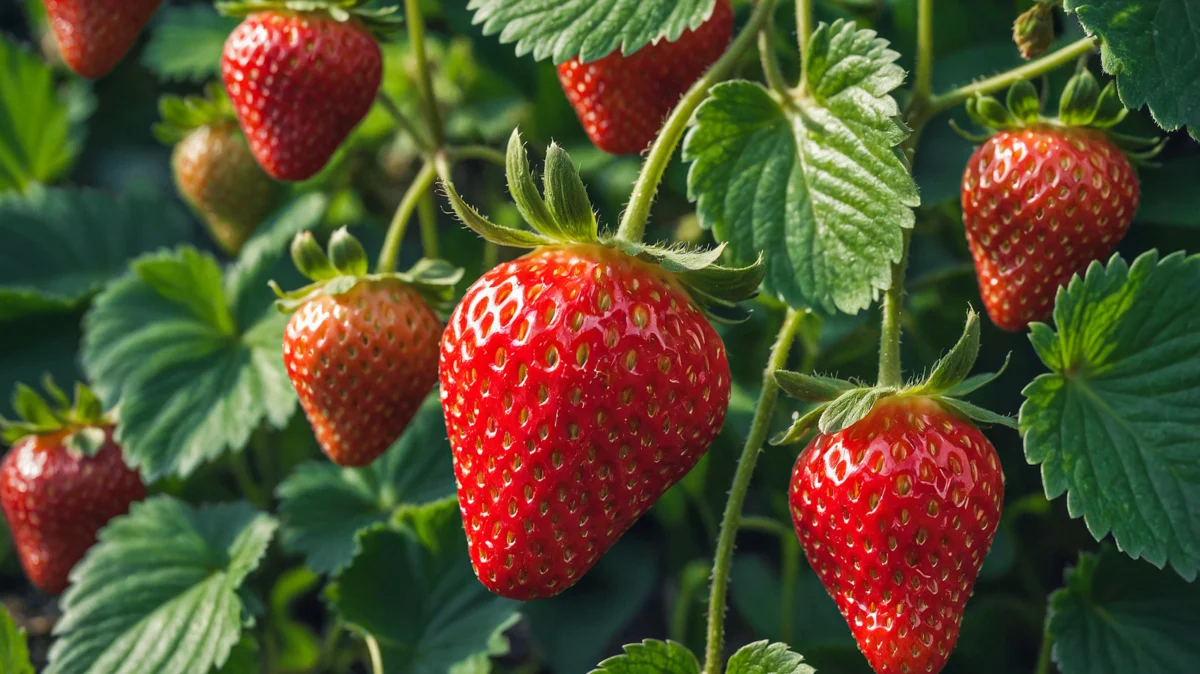
Cultivating the perfect strawberry patch is a labor of love that often feels like a high-stakes balancing act. Whether you are managing a sprawling backyard plot or a curated collection of containers on a balcony, the journey from blossom to berry is frequently fraught with the challenges of soil depletion, invasive pests, and the erratic whims of nature.
However, experienced horticulturists have long understood that a successful garden is not a collection of isolated individuals, but a complex, interconnected ecosystem. By strategically selecting "companion plants"—species that naturally enhance the growing conditions of their neighbors—gardeners can leverage biological synergy to create a robust, self-sustaining harvest.
The Core Science of Companion Planting
At its heart, companion planting is the agricultural practice of placing different crops in proximity to achieve specific benefits. For strawberries (Fragaria), which are relatively shallow-rooted and prone to soil-borne pathogens, this strategy is not merely an aesthetic choice; it is an essential defense mechanism.
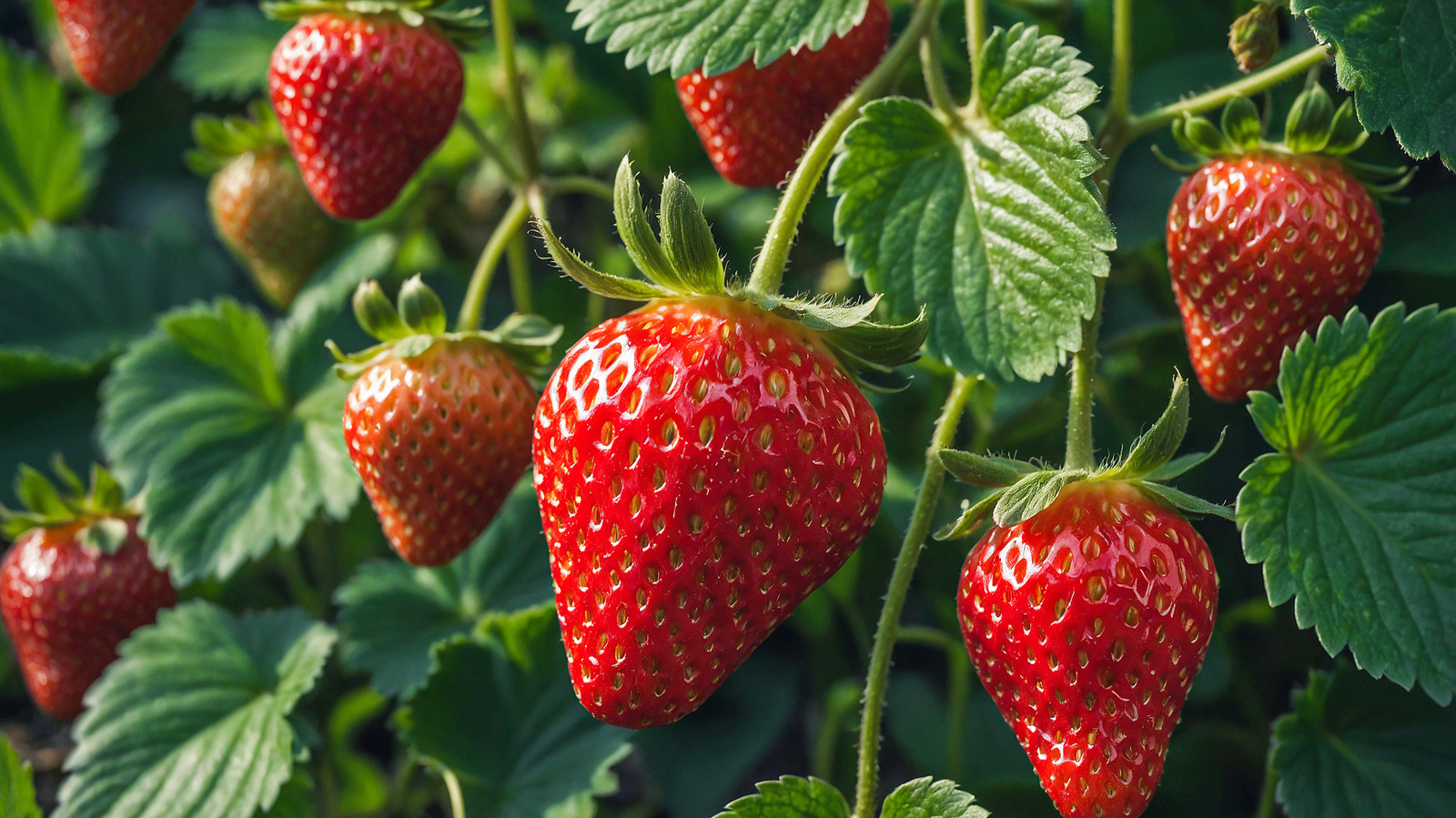
The primary goals of effective strawberry companionship include:
- Pest Deterrence: Using scent or physical barriers to mask the presence of berries from hungry insects and mammals.
- Biological Control: Attracting predatory insects that consume common strawberry pests like aphids and spider mites.
- Soil Optimization: Improving nutrient uptake, soil aeration, and moisture retention.
- Pollination Synergy: Increasing the presence of bees and butterflies, which are essential for fruit set.
By moving away from monoculture and embracing biodiversity, gardeners can significantly reduce the need for synthetic pesticides and chemical fertilizers, resulting in a cleaner, more sustainable, and ultimately more productive harvest.
A Chronological Approach to the Strawberry Season
Understanding the lifecycle of your strawberry patch is vital for successful integration.
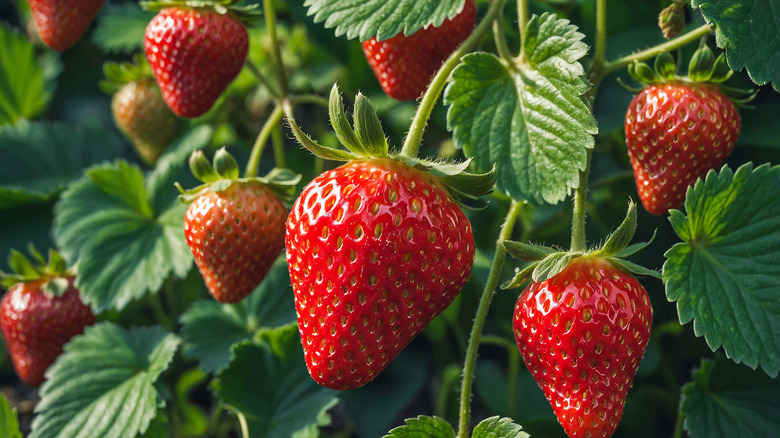
Early Spring (Establishment Phase): As the soil warms, strawberries begin their vegetative growth. During this time, companion plants like spinach act as living mulch, shading the soil to prevent weed germination while keeping the root zone cool and moist.
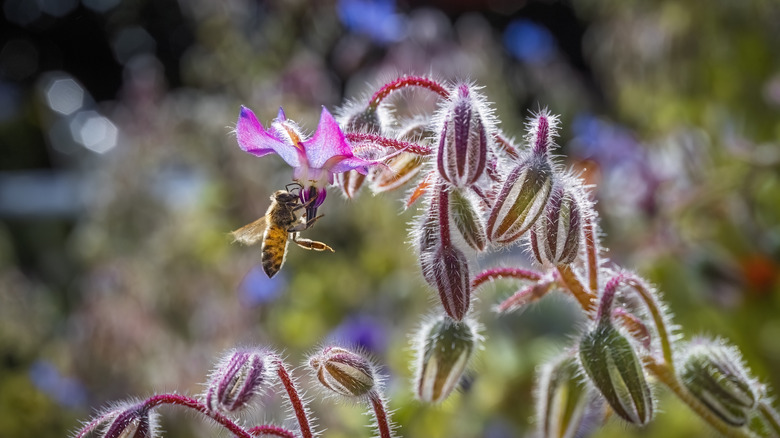
Mid-Spring (Pollination Phase): As blooms emerge, the garden must become a magnet for pollinators. Here, borage serves as a critical ally. Its prolific, nectar-rich blue flowers act as a beacon for local bee populations, ensuring that your strawberry flowers are thoroughly pollinated, which is a direct precursor to the size and shape of the resulting fruit.
Late Spring/Early Summer (Protection Phase): As the berries begin to ripen, they become targets for slugs, snails, and various insects. This is when the aromatic properties of herbs like thyme and the chemical defenses of plants like marigolds provide a protective perimeter, shielding the crop during its most vulnerable stage.
The Top Five Strategic Companions for Strawberries
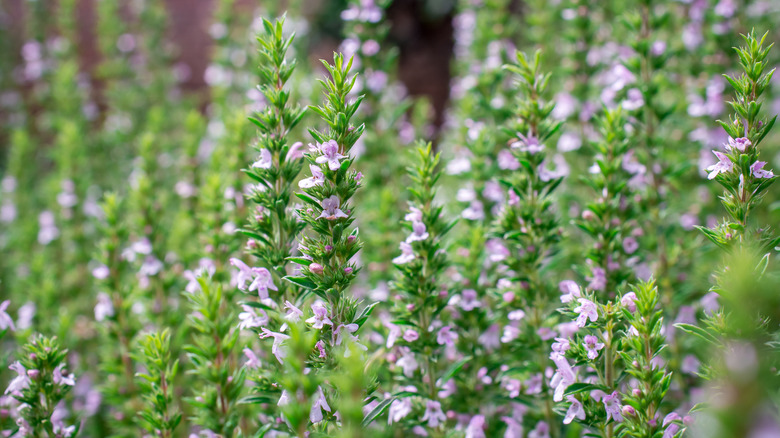
1. Thyme: The Aromatic Defender
Thyme (Thymus vulgaris) is perhaps the most versatile companion for the strawberry patch. Its efficacy lies in its dual-action defensive strategy.
- Scent Masking: The intense essential oils in thyme foliage act as a olfactory camouflage, confusing pests that locate strawberries through their scent.
- Predatory Support: The tiny, delicate flowers of thyme attract syrphid flies, also known as hoverflies. While they look like small bees, their larvae are voracious predators of aphids—the strawberry’s arch-nemesis.
- Culinary Synergy: Beyond the garden, thyme and strawberries share a sophisticated flavor profile. Infusing them together in syrups or sauces creates a bridge between the savory and the sweet.
2. Borage: The Pollinator Powerhouse
Often called the "starflower," borage (Borago officinalis) is a rugged, fast-growing annual that thrives in the presence of strawberries.
- The Pollinator Beacon: Borage is arguably one of the most effective bee-attracting plants in the home garden. By planting borage in the corners of your strawberry beds, you ensure that even the shyest pollinators are drawn to your garden, significantly increasing the pollination rates of your berry blossoms.
- Soil Health: Borage is a dynamic accumulator, meaning its deep taproot mines the subsoil for minerals, which are eventually returned to the surface soil as the plant sheds its leaves or is pruned.
- Management Tip: Because borage can reach heights of three feet, it must be positioned carefully to ensure it does not cast too much shade on the sun-loving strawberry plants.
3. Marigolds: The Underground Guardian
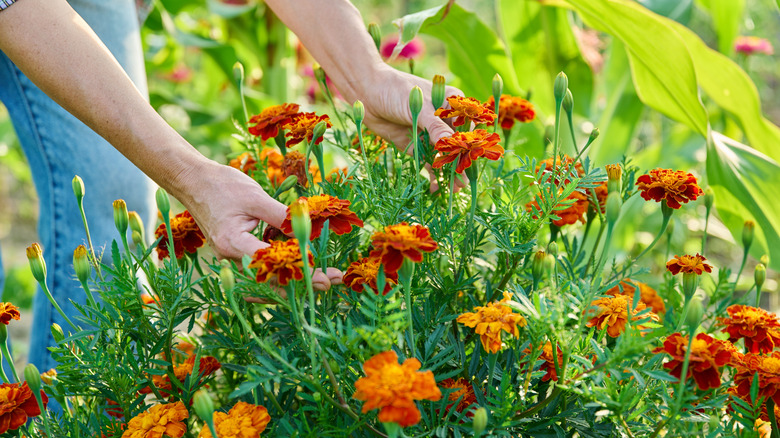
Marigolds (Tagetes) are the quintessential garden companion, but their specific benefit to strawberries is often overlooked.
- Nematode Suppression: French marigolds are particularly noted for their ability to discourage root-knot nematodes—microscopic, soil-dwelling worms that can devastate strawberry root systems.
- Physical Deterrence: The pungent odor of marigolds is repulsive to many larger pests, including rabbits and deer, which often view a strawberry patch as an open buffet.
- Bordering: Planting a dense border of marigolds creates a physical and sensory "fence" that protects the patch without requiring chemical barriers.
4. Spinach: The Living Mulch
The relationship between spinach (Spinacia oleracea) and strawberries is one of mutual support.
- Microclimate Control: Because spinach grows as a low-lying rosette, it provides excellent ground cover. This shades the soil, suppressing weeds that would otherwise compete with strawberries for water and nutrients.
- Saponin Benefits: Research into plant chemistry has identified saponins—natural compounds in spinach—that act as a systemic defense against certain pests. When grown together, these benefits often extend to the surrounding soil environment, shielding the delicate strawberry roots.
5. Asparagus: The Nutrient Exchange
Perhaps the most surprising companion is the tall, stately asparagus (Asparagus officinalis). This pairing is a classic example of spatial and nutrient-based cooperation.
- Root Zoning: Asparagus is a deep-rooted perennial, while strawberries are shallow-rooted. They do not compete for the same resources in the soil profile.
- Nitrogen Fixation: Asparagus contributes to a healthy soil structure, while the strawberry plants help maintain moisture at the surface level. This reciprocal relationship ensures that both plants, which have different peak harvest times, can coexist in the same bed without conflict.
Supporting Data and Horticultural Observations
Agricultural extension offices and university botanical studies have consistently supported the efficacy of intercropping. Studies on polyculture gardens indicate that plants grown in diverse settings generally exhibit lower pest infestation rates than those in monoculture settings. The "masking effect" provided by aromatic herbs like thyme has been documented to reduce aphid colonization by up to 30% in controlled garden settings. Furthermore, the presence of flowering companions like borage has been shown to increase strawberry fruit set—the number of blossoms that successfully turn into berries—by nearly 40% in areas where pollinator populations are otherwise low.
Official Perspectives on Sustainable Gardening
Professional agronomists emphasize that companion planting is not a "silver bullet" but a component of Integrated Pest Management (IPM). "When you introduce diversity into the garden, you are essentially building an immune system for your soil," says local organic farming consultant Sarah Jenkins. "The goal is to create a habitat where the natural predators of pests have a place to live. If you provide a home for the hoverfly, you don’t need to reach for the insecticide spray."
Implications for the Home Gardener
The implications of adopting a companion planting strategy are significant. For the average gardener, this means:
- Reduced Costs: You spend less on pesticides, herbicides, and fertilizers.
- Higher Yields: Better pollination and healthier soil lead to more, and larger, strawberries.
- Culinary Versatility: A garden that produces not just fruit, but herbs and greens, provides a wider array of fresh ingredients for the kitchen.
- Long-term Soil Health: By avoiding the depletion caused by monocropping, your garden remains fertile and productive year after year.
In conclusion, the "best" companion plants are those that address the specific vulnerabilities of your local environment. Whether you choose the aromatic defense of thyme or the deep-root support of asparagus, you are moving toward a more harmonious and bountiful garden. The next time you plan your strawberry patch, look beyond the berries and consider the companions that will help them reach their full, sweet potential.
 Raul Delapena Setiawan
  Basiran
  Nana
Nana 