
 By Raul Delapena Setiawan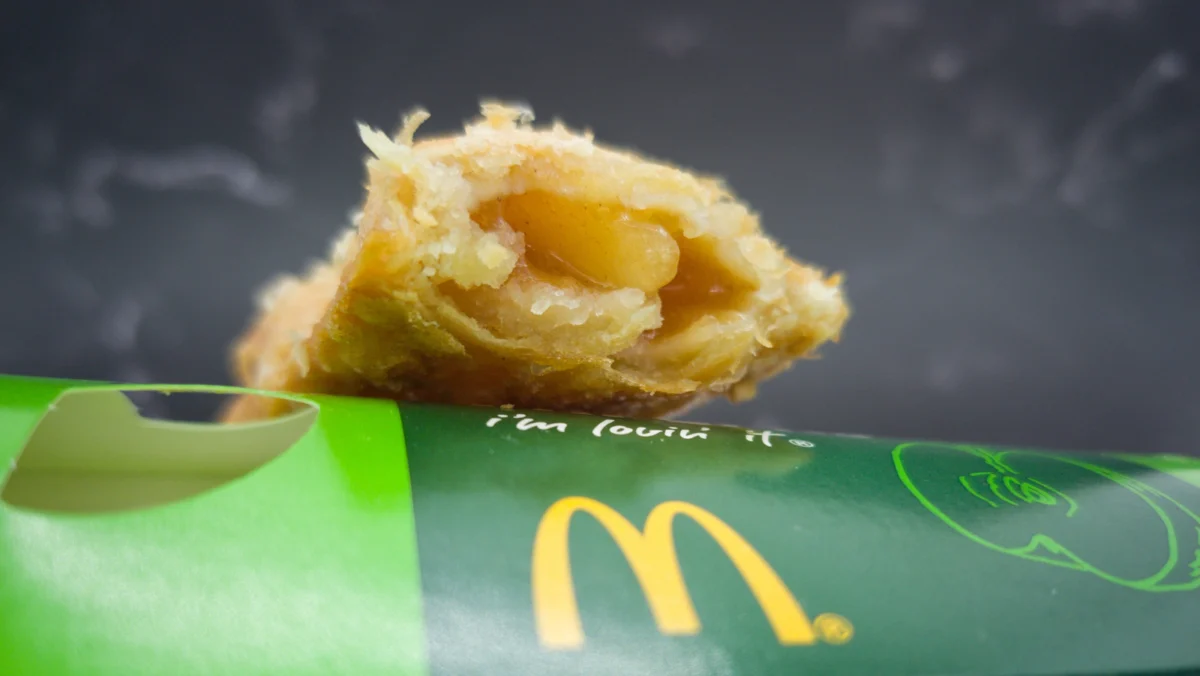
Long before the modern era of decadent McFlurries, seasonal frappés, and an ever-evolving menu of international delights, the McDonald’s Corporation relied on a singular, humble dessert to anchor its menu. Since its national introduction in 1968—the same watershed year that brought the world the Big Mac—the McDonald’s apple pie has evolved from a regional experiment into a global cultural icon.
While the term "humble" is often used to describe this handheld treat, it is perhaps an undersell. For nearly six decades, the apple pie has served as a constant in an industry defined by volatility, becoming a vessel for nostalgia, marketing innovation, and, at times, heated culinary debate.
The Origins: A Southern Innovation
The genesis of the McDonald’s apple pie is rooted not in a corporate boardroom in Illinois, but in the kitchens of a franchisee in Knoxville, Tennessee. By the mid-1960s, Ray Kroc, the visionary force behind the McDonald’s empire, was actively seeking a signature dessert that could be mass-produced and served alongside the chain’s standard fare of burgers and fries.
Litton Cochran, a local franchisee, recognized the enduring appeal of the Southern-style fried hand pie. Working alongside his wife, Cochran experimented with various fillings and dough ratios before presenting a prototype to the corporate office. The result was a portable, deep-fried turnover featuring a signature blend of diced apples and a proprietary dehydrated apple powder—a unique additive that provided the filling with its distinctively thickened, luscious texture. Upon its national debut in 1968, the pie was a near-instant sensation, eventually becoming the most successful dessert in the chain’s history.
Chronology of a Culinary Icon
The 1960s: The Rise of the Fried Turnover
The 1968 launch marked the beginning of a golden age for the fried pie. The original recipe was a masterclass in fast-food engineering: a pastry shell deep-fried to a golden, blistered crisp, coated in a fine dusting of cinnamon sugar, and filled with a piping-hot, molten apple compote. At the time, most fast-food competitors treated dessert as an afterthought, often offering only pre-packaged cookies or soft-serve. McDonald’s, by contrast, offered a hot, complex, and inexpensive treat that resonated with the American consumer.
The 1970s and 1980s: The McDonaldland Era
During the 1970s, the apple pie became a cornerstone of the brand’s identity, bolstered by the "McDonaldland" marketing campaign. This whimsical universe featured iconic characters such as Ronald McDonald, Grimace, and the often-overlooked "Apple Pie Tree." The latter, a mascot with a human-like face and limbs adorned with apple pies, served to solidify the dessert’s place in the hearts of children and adults alike. This era was defined by aggressive advertising and the solidification of the pie as a "fun" food item.
1992: The Shift Toward Health
In a move that caught many loyalists off guard, McDonald’s transitioned from the deep-fried preparation to a baked version in 1992. The decision was largely driven by a growing public demand for healthier options and a desire to reduce the saturated fat content associated with deep-frying. While the move was controversial, it proved to be a permanent pivot for the majority of the brand’s global locations.
2018: A Modern Refinement
After decades of minor tweaks, McDonald’s initiated a significant reformulation of the baked pie in 2018. The updated version featured a more rustic, lattice-style crust, a reduction in total sugar content, and the inclusion of larger, more textured apple slices. This iteration sought to bridge the gap between the mass-produced convenience of the 1990s and the rising consumer interest in "authentic" or "homestyle" ingredients.
Supporting Data: The Anatomy of the Pie
The enduring success of the McDonald’s apple pie is not merely a result of effective marketing; it is a product of consistent sourcing and precise formulation.
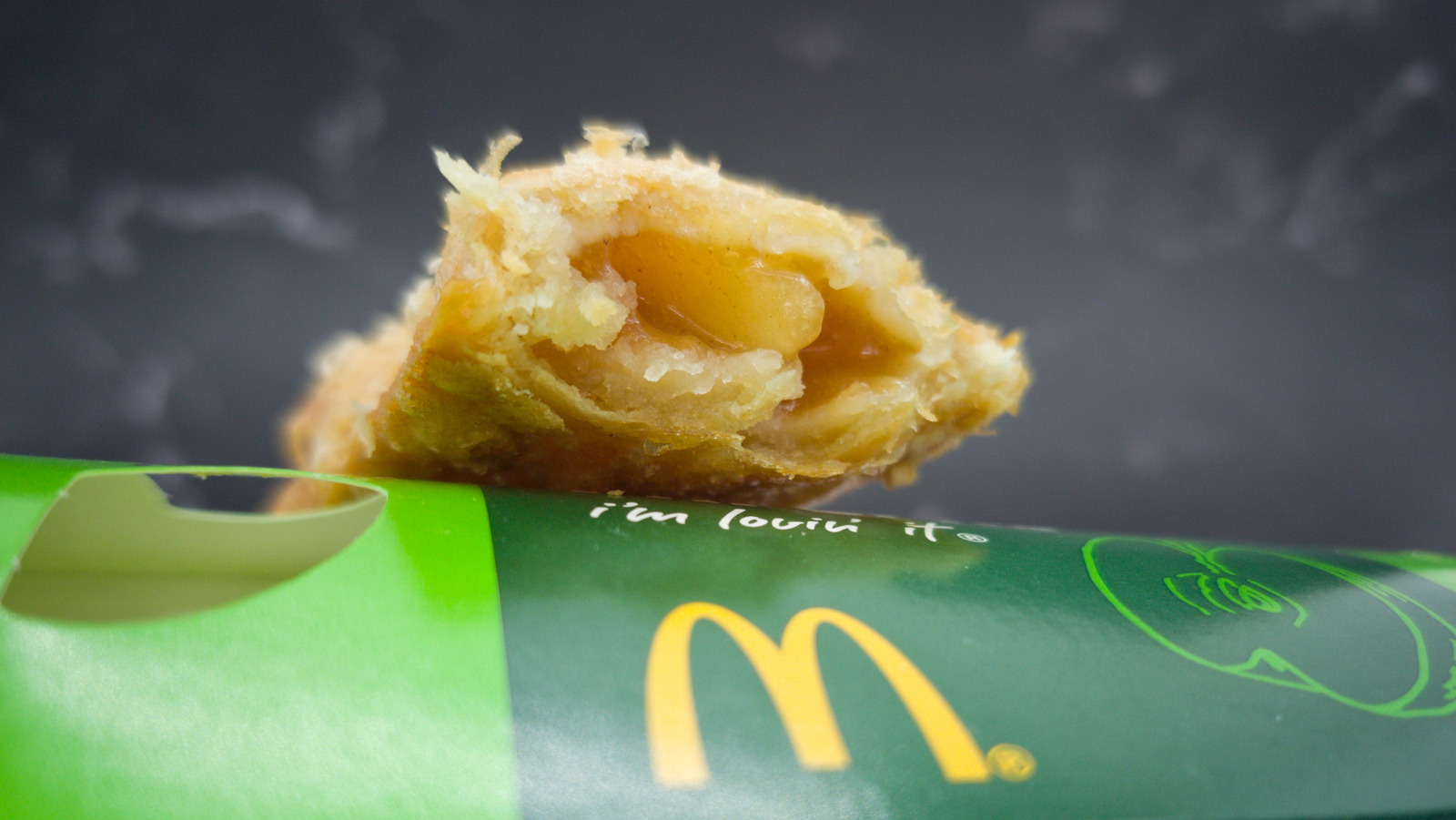
According to internal supply chain reports, the standard recipe utilizes a blend of six distinct apple varieties to ensure a balance of sweetness, acidity, and texture:
- Gala: Provides a floral sweetness.
- Ida Red: Known for holding its shape under high-heat cooking.
- Rome: Prized for its robust, classic apple flavor.
- Fuji: Adds a crisp, dense texture.
- Golden Delicious: Offers a mellow, buttery undertone.
- Jonagold: Balances the blend with its sharp, tangy profile.
This specific varietal blend is designed to ensure that even after processing and baking, the filling retains a "mouthfeel" that mimics a traditional home-baked pie.
Official Responses and Consumer Sentiment
The transition from fried to baked was not without its detractors. For years, consumer forums and social media have been flooded with petitions and pleas for the return of the "original" fried recipe.
In response to this demand, McDonald’s has maintained a pragmatic stance. While the baked pie is the global standard, the company has allowed specific franchises to retain the fried recipe under unique conditions. Most notably, the McDonald’s in Downey, California—the oldest operating location in the chain—continues to serve the original fried version, as do several locations throughout Hawaii. This has turned these specific restaurants into "culinary pilgrimage" sites for fans of the original 1968 recipe.
Furthermore, the brand has used the pie’s success to launch over 40 distinct variations globally, ranging from the holiday-themed custard-filled pies to regional experiments like the Taro pie in Asia or the chocolate-filled versions in various European markets.
Implications for the Fast-Food Landscape
The legacy of the McDonald’s apple pie carries significant implications for the fast-food industry. First, it demonstrates the power of "nostalgia branding." By maintaining the core identity of the pie while updating the preparation method, McDonald’s has managed to keep the product relevant across generations.
Second, the pie serves as a case study in corporate agility. The decision to move to a baked version in 1992 was a calculated risk that prioritized long-term brand health over short-term menu consistency. It signaled that even the most iconic menu items are subject to the pressures of nutrition, logistics, and changing consumer tastes.
Finally, the existence of "fried-pie holdouts" in places like Downey, California, highlights a unique aspect of modern retail: the democratization of legacy. In an age where digital tracking and mobile ordering have made fast food feel increasingly clinical, the survival of the original fried pie provides a tangible, visceral connection to the brand’s mid-century roots.
Conclusion: A Lingering Legacy
Nearly 60 years after its debut, the McDonald’s apple pie remains a quintessential American dessert. It has survived the decline of the McDonaldland characters, the health-conscious shifts of the 1990s, and the constant pressure to innovate in a saturated market. Whether consumed as a nostalgic treat or a quick, affordable snack, the apple pie stands as a testament to the fact that, in the fast-food world, simple, well-executed ideas often outlast the flashiest trends. As the chain continues to add new flavors and seasonal specials, the original apple pie remains the standard against which all other McDonald’s desserts are measured—a golden-brown relic that continues to satisfy, one bite at a time.
 Basiran
  Nana
Nana 